



India Air Pollution 2026 highlights the growing environmental and public health crisis affecting major urban centers across the country. Rising air pollution levels in India have become a pressing concern as cities continue to experience deteriorating air quality, exposing millions to serious health risks. From respiratory illnesses to cardiovascular diseases, the impact of poor air quality is becoming increasingly visible across urban populations.
Major Indian cities face worsening pollution due to vehicular emissions, industrial waste, construction dust, and agricultural burning. These contributing factors significantly affect the environment and public health, sparking urgent discussions about air quality management and sustainable urban living.
The Current State of Air Quality in India
India’s air quality is a pressing concern, with AQI levels being key indicators of pollution severity. These metrics translate complex data into actionable insights, highlighting health risks for vulnerable groups. Understanding AQI levels empowers communities to push for cleaner air.
Understanding the AQI Levels
The Air Quality Index (AQI) categorizes air quality into distinct levels, from good to hazardous. These classifications help the public understand current air quality conditions. For example, AQI levels below 50 indicate satisfactory air quality. Levels above 200 signal alarming pollution, posing health risks, mainly for children and the elderly.
Regular fluctuations in these levels are common in areas with severe urban pollution. This highlights the need for immediate and effective actions to improve air quality.
Factors Contributing to Poor Air Quality
Several factors contribute to India’s poor air quality. Industrial emissions release harmful pollutants into the atmosphere. Construction activities generate dust, further compromising air quality. Vehicular pollution adds complexity, with traffic congestion in major cities exacerbating the issue.
These factors paint a concerning picture, underscoring the urgency for effective actions to combat urban pollution.
Major Indian Cities Affected by Air Pollution
Air pollution poses a significant threat to several major cities in India. Delhi’s air quality is among the worst, worsening during winter when smog covers the city. Mumbai also struggles with poor air quality due to industrial growth and urban expansion. Bangalore, known for its tech advancements, faces pollution from rapid urbanization. Each city’s unique challenges underscore the need for sustainable solutions to combat urban pollution and enhance air quality in India.
Delhi: The Capital’s Struggle with Smog
Delhi’s air pollution is a major concern, with levels often exceeding safe limits. Seasonal changes worsen the situation, creating thick smog that hampers breathing and raises health risks. It’s essential to tackle the sources of pollution, including vehicle emissions, construction dust, and crop burning in nearby areas.
Mumbai: Emissions and Urban Growth
Mumbai, a bustling metropolis, faces challenges from rapid urban growth and increasing emissions. The city’s air quality is impacted by traffic congestion and industrial emissions. Examining the link between urban development and environmental health is critical in Mumbai.
Bangalore: Tech Hub Facing Pollution Challenges
Bangalore, a tech hub, also grapples with pollution as it expands. The city’s infrastructure struggles to keep up with growth, leading to higher emissions from vehicles and construction. Balancing development with sustainability is essential to maintain air quality in India for future generations.
India Air Pollution 2026: Predictions and Projections
As we near 2026, understanding India’s air quality future is vital. Urban pollution has seen significant changes, bringing both hurdles and chances for betterment. By studying air quality trends, we can forecast the impact of different factors on pollution levels.
Trends in Urban Pollution Over the Years
Recent data shows a steady increase in urban pollution, mainly due to industrial growth and vehicle emissions. Cities face ongoing air quality issues, affecting health and the environment. To predict India Air Pollution 2026, we must acknowledge current trends and possible shifts in pollutant sources. It’s also key to monitor technological and infrastructure advancements to combat pollution in crowded areas.
Impact of Government Regulations and Policies
Government regulations play a critical role in urban pollution. Programs like the National Clean Air Programme set standards for air quality management. Assessing these policies’ effectiveness will shed light on their long-term effects on pollution. As regulations evolve to address new challenges, we can expect notable improvements in air quality management in cities.
Health Risks Associated with Air Pollution
The air quality crisis in India poses significant health risks that demand attention. Respiratory diseases are a major concern, caused by polluted air. Studies show that toxins in the air lead to asthma, chronic bronchitis, and COPD. These conditions not only affect daily life but also increase healthcare costs and reduce productivity.
Respiratory Diseases: The Silent Threat
Contaminated air severely damages our lungs. The link between air quality in India and respiratory diseases is concerning. Pollutants like particulate matter and nitrogen dioxide irritate airways and trigger inflammation. This highlights the need for better air quality to protect our respiratory health.
Cardiovascular Problems Linked to Poor Air Quality
Poor air quality affects more than just our lungs, posing serious heart risks. Research shows a link between air pollution and cardiovascular diseases like heart attacks and strokes. Toxic substances in the air cause inflammation and oxidative stress, key factors in these diseases. It’s essential to raise awareness about air pollution’s dangers to drive change and promote healthier environments.
Vehicle Emissions: A Major Contributor
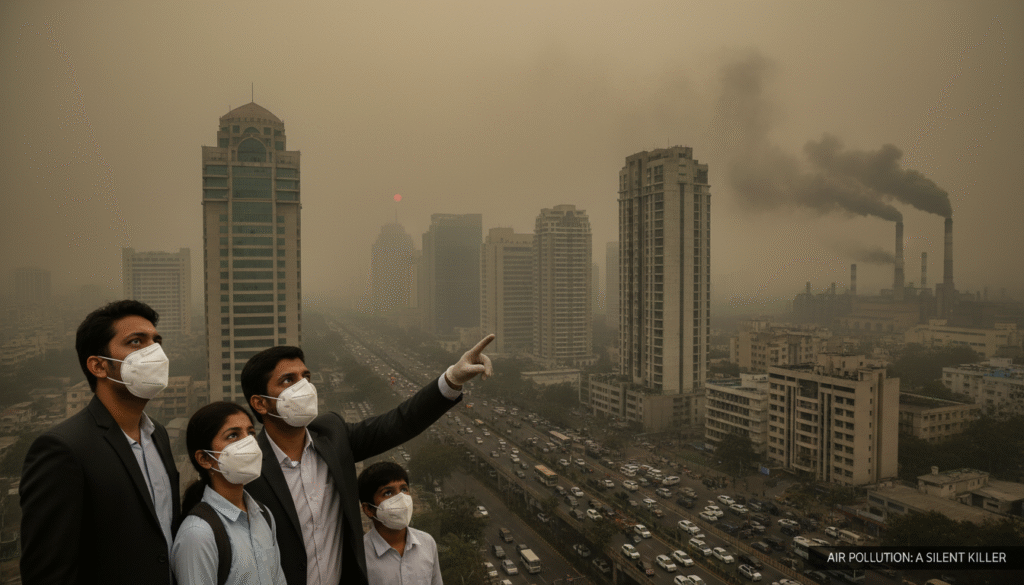
In urban areas, vehicle emissions have become a major factor in worsening air quality. The impact of diesel and petrol vehicles is immense, as they release harmful pollutants. These pollutants directly harm health and the environment. In cities across India, traffic congestion and industrial activities worsen the situation.
Impact of Diesel and Petrol Vehicles
Studies show that diesel and petrol vehicles increase nitrogen oxides (NOx) and particulate matter (PM) emissions. These pollutants lead to smog, respiratory problems, and chronic health issues. With a growing population and more vehicles, the need for cleaner alternatives is urgent. Efforts to manage air quality must include developing cleaner vehicles and improving public transport.
The Rise of Electric Vehicles in India
The move towards electric vehicles in India brings hope for cleaner cities. Electric vehicles emit no tailpipe emissions, greatly reducing pollutants in cities. Government incentives and a focus on sustainable technology are driving their adoption. Initiatives to build charging infrastructure and educate consumers are also key. As electric vehicles become more common, air quality is expected to improve, leading to healthier cities.
Environmental Health: What You Should Know
The connection between air quality and public health is critical. Poor air quality is not just an environmental problem; it’s a major health concern. In densely populated urban areas, the link between air pollution and daily health becomes starkly apparent.
The Connection Between Air Quality and Public Health
Air quality has a direct impact on public health. High pollutant levels can cause chronic respiratory diseases and heart issues. Communities suffer not just physically but also mentally. Cleaner air is key to improving life quality for everyone.
Vulnerable Populations at Greater Risk
Some groups are more vulnerable to air pollution’s harmful effects. Children, the elderly, and those with health issues face severe consequences. It’s vital to address these health disparities for a fairer environment. We need policies that safeguard these groups and raise awareness about pollution threats.
Government Initiatives to Combat Air Pollution
The challenge of air pollution in India has prompted action from various government agencies. Significant efforts have been made to develop and implement air quality policies. These policies aim to reduce pollution levels across major cities. The government’s initiatives reflect a growing recognition of the need for strategies to tackle health and environmental issues.
Policies Enacted to Improve Air Quality
Stringent vehicle emission standards have been established to mitigate pollutants from transportation. The introduction of cleaner fuels and the promotion of electric vehicles show efforts to transition towards sustainable transport. Initiatives like afforestation and the establishment of green zones highlight a commitment to improving ecological health.
Public Awareness Campaigns and Their Effectiveness
Public awareness is key to the success of air quality policies. Campaigns to educate citizens about air pollution’s health risks have shown progress. These efforts aim to empower individuals to reduce their environmental impact. Yet, there’s room for improvement in reaching wider audiences and fostering a culture of clean air initiatives.
Role of Technology in Monitoring Air Quality
Technology is a key player in our fight for cleaner air. Advanced AQI monitoring systems in cities track air pollution accurately. These systems use high-tech sensors to offer real-time air quality data. This helps people make better health choices and plan their daily activities.
Advanced AQI Monitoring Systems
In Indian cities, advanced AQI monitoring systems are being used. These systems have sensors placed across the city to collect and analyze air samples. They give vital information on air quality, shaping public health policies and urban planning.
This technology helps governments meet regulatory standards and raises awareness about pollution levels. It’s a step forward in protecting public health.
Apps and Tools for Tracking Air Pollution Levels
Mobile apps and online platforms are now essential for tracking air pollution. They provide real-time AQI data, helping users decide when to go outside. Some apps send alerts when pollution levels are high, encouraging people to take health precautions.
Using these tools, individuals can safeguard their health and that of their families. It’s a way to empower people to take control of their environment.

Community Efforts to Reduce Urban Pollution
In recent years, citizens have grown more aware of urban pollution’s health and environmental impacts. This awareness has sparked a surge in local activism and grassroots movements focused on cleaner air. These efforts go beyond awareness; they represent a deep commitment to community change. We see inspiring transformations as passionate individuals fight pollution and push for sustainable practices.
Local Activism and Grassroots Movements
Grassroots movements are the core of community efforts to combat urban pollution. Local activists have rallied neighborhoods for collective action. They organize clean-up drives, awareness campaigns, and educational workshops. This empowers residents to actively protect their environment.
The dedication of local communities has led to notable improvements in air quality. It shows the power of unity in achieving a common goal.
Partnerships with NGOs and Environmental Groups
Collaboration between community efforts and NGOs boosts the impact of grassroots initiatives. Environmental groups team up with local activists, providing resources, expertise, and funding. This partnership enhances campaign effectiveness in reducing pollution.
Such collaborations create a support network for innovative solutions and expand movement reach. They lead to projects that tackle immediate pollution issues and foster long-term sustainability.
International Comparisons: How Does India Fare?
We dive into air quality comparisons to see how India stacks up globally. By looking at air quality rankings, we gain insight into India’s position among other nations. We’ll focus on countries that have successfully managed pollution, learning from their strategies to help India tackle its air pollution challenges.
Global Air Quality Rankings
Recent rankings place India at the lower end, with many of its cities among the most polluted globally. Industrial emissions, vehicle pollution, and construction dust are major contributors. On the other hand, countries with better air quality often invest in clean technologies and strict regulations. This shows the critical role of proactive measures in air quality management.
Lessons from Other Countries in Managing Pollution
Countries like Copenhagen and Paris offer lessons in pollution management. They’ve implemented green infrastructure and promoted public transport, improving air quality. These *initiatives underscore the need for creative solutions and strong policies focused on environmental health. Embracing such strategies could significantly boost India’s air quality efforts and safeguard public health.
Long-term Solutions for Improving Air Quality
Addressing air pollution requires innovative, sustainable strategies. We must focus on long-term solutions. Thoughtful urban planning and integrating green spaces are key. These efforts create healthier environments for city residents. We will discuss these critical urban development aspects and the shift to renewable energy to combat air pollution.
Urban Planning and Green Spaces
Effective urban planning is essential for air quality in cities. Designing neighborhoods with green spaces boosts biodiversity and improves residents’ lives. Parks, urban forests, and green rooftops enhance aesthetics and absorb pollutants. They also help reduce urban heat.
Investing in green infrastructure is a roadmap for cities facing pollution. It fosters sustainable, livable environments.
Transitioning to Renewable Energy Sources
As cities grow, transitioning to renewable energy is urgent. Relying on fossil fuels is a major pollution contributor. Solar, wind, and hydropower offer cleaner alternatives, reducing our carbon footprint.
By promoting these energy sources, we cut emissions and support a healthier urban ecosystem. Embracing renewable energy is vital for sustainable development and long-term air quality solutions.
Personal Action: How You Can Help
Addressing air pollution requires both systemic changes and individual efforts. By taking personal action, we can significantly reduce our carbon footprint and promote a healthier environment. Simple lifestyle changes can have a big impact, inspiring others to support clean air initiatives.
Reducing Your Carbon Footprint
Every decision we make has an impact. Choosing public transport or carpooling can greatly reduce vehicle emissions, a major contributor to air pollution. Switching to energy-efficient appliances in our homes also cuts down on energy use. Planting trees and creating green spaces not only enhances our surroundings but also helps clean the air by absorbing pollutants.
Promoting Clean Air Initiatives in Your Community
Getting involved in community programs focused on clean air is key to collective responsibility. Volunteering with local environmental groups can amplify our impact and raise awareness about air quality. Organizing workshops can educate others on the importance of pollution reduction and sustainable living.
The Path Forward for Cleaner Air
Reflecting on air quality in India reveals urgent health concerns in cities like Delhi, Mumbai, and Bangalore. The impact of poor air quality on public health is significant, leading to respiratory and cardiovascular diseases. These issues affect vulnerable populations the most. The need for collective action to address this crisis is clear.
Looking towards 2026, the journey to better air quality is fraught with challenges but also opportunities. Community engagement is key. By raising awareness and supporting local efforts, we can empower people to demand cleaner air and effective policies.
Improving air quality in India is a shared responsibility, not just a government task. It’s a collective journey towards a healthier future. Together, we can drive change, ensuring cleaner air and a better life for everyone.