



Now is the time to change our diet, say top Ayurveda doctors. They suggest eating differently to keep our immune system strong during India’s late winter to early spring. The changing weather, more pollen, and new routines stress our bodies.
By eating and living in sync with the season, we can fight off colds and flu better. We’ll share tips on how to do this with simple Ayurveda Immunity Tips.
Our advice mixes old wisdom with new science. We look at herbs like turmeric, ginger, and tulsi (Ocimum sanctum). We see ayurveda as a real way to stay healthy, not just old tales.
We’ll talk about foods that help and harm, daily habits, and easy recipes. We’ll also share tips for families and people with busy lives. We’ll explain tricky terms like agni, Kapha, and Vata in a way everyone can understand.
Our tips come from ancient texts, doctors, and studies on herbs. We suggest talking to an Ayurvedic doctor for personal advice. And always follow your doctor’s medical advice too.
Key Takeaways
- Seasonal diet India advice targets late-winter to early-spring shifts to reduce respiratory risk.
- Ayurveda Immunity Tips focus on balancing Kapha and Vata with warm, light, and drying foods.
- Simple herbs—turmeric, ginger, tulsi—are evidence-backed adjuncts for immune support.
- Daily routines that strengthen agni (digestive fire) enhance nutrient use and resilience.
- Practical, urban-friendly measures and child-specific adjustments make the plan usable for families and professionals.
Why the Winter-Spring Transition Matters for Immunity in India
The late-winter to early-spring shift is important for health in India. Days get warmer, but nights stay cool. Humidity goes up in some places, and pollen from trees and grass fills the air.
These changes make it easier to get sick with colds, sinusitis, and allergies. People with long-term breathing problems also see their symptoms get worse.

Seasonal challenges: The big changes in temperature confuse our immune system. Cold mornings make mucus, while warm afternoons spread pollen. Schools and offices see more people missing work because of colds and flu.
How seasonal imbalance affects doshas and immunity: Ayurveda says Kapha builds up in late winter, making us feel slow and mucusy. As spring comes, Vata increases, bringing dryness and instability. This mix weakens our digestive fire and immunity.
Think of immunity like a filtered air intake: too much Kapha clogs it, and too much Vata shakes it. This means more mucus, slower healing, and weaker immunity.
Public health context: In many Indian areas, colds and flu get worse in spring. This leads to more antibiotics and a busier healthcare system. Simple steps at home and work can help keep everyone healthy.
Practical takeaway: small changes in what we eat and do can help during this time. Following a seasonal diet and simple health tips can boost immunity and reduce sickness in families and teams.
Principles of an Ayurvedic Seasonal Diet for Balancing Kapha and Vata
We guide you through late winter and early spring with clear dietary rules. These rules calm excess Kapha and keep Vata steady. Our goal is simple: save energy, cut down mucus, and boost immunity with an easy-to-follow ayurvedic diet.
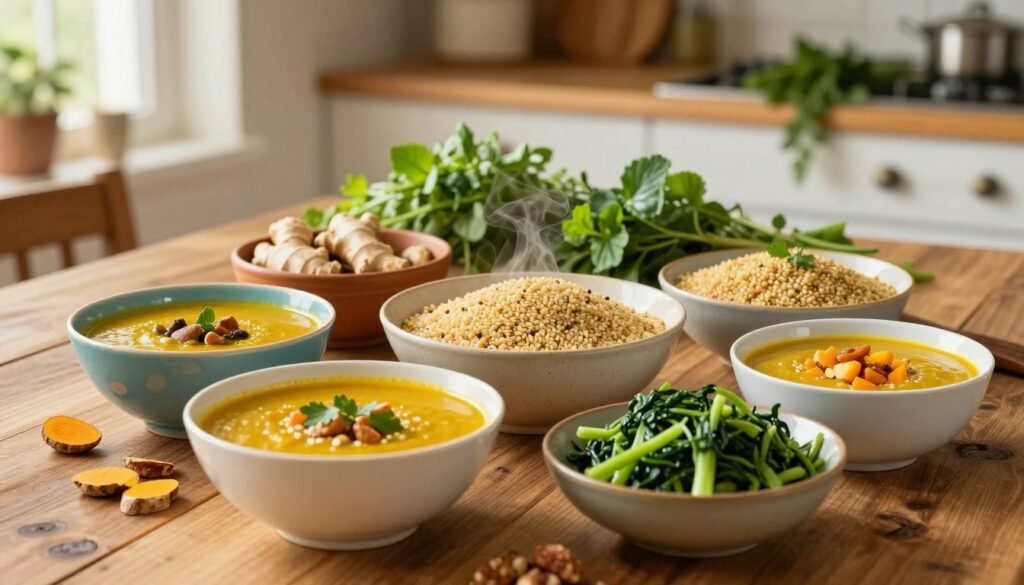
Understanding tendencies: Kapha is earth-water, heavy, cool, moist, and prone to mucus and sluggishness in late winter. Vata is air-ether, dry, mobile, and changeable, becoming more noticeable in early spring. We focus on Kapha-pacifying foods without upsetting Vata, avoiding extremes that cause imbalance.
Food qualities to emphasize: Choose warm, light, dry dishes with astringent, bitter, and pungent tastes. Think steamed veggies, warm millet or rice porridge, and lentil soups with ginger and black pepper. Cut down on cold, heavy, oily, and sweet foods that make mucus.
Tastes and function: Ayurveda lists six rasas: sweet, sour, salty, bitter, pungent, astringent. For this time, focus on pungent and bitter to clear and reduce Kapha. Use sour and astringent in moderation for digestion; limit sweet and heavy salty flavors that weigh you down.
Agni and timing: Agni digestion is the inner fire that turns food into energy and immunity. Strong agni prevents ama buildup — sticky, undigested residue that blocks channels. Eat a warm, substantial midday meal when agni is strongest, lighter evening meals, and only when hungry.
Practical rules: Serve meals fresh and warm; include Kapha-pacifying foods like spiced dals and roasted veggies; use ginger, black pepper, cinnamon to boost agni digestion; keep regular meal times; and control portions to avoid overloading digestion. These ayurveda immunity tips fit busy urban lives and boost resilience during seasonal changes.
Core Foods to Include in a Winter-Spring Ayurveda Diet
We suggest focusing on certain foods for late-winter to early-spring. These foods are warm, light, and help dry out excess Kapha. They also boost your immune system. Eating small meals often keeps digestion and immunity strong.
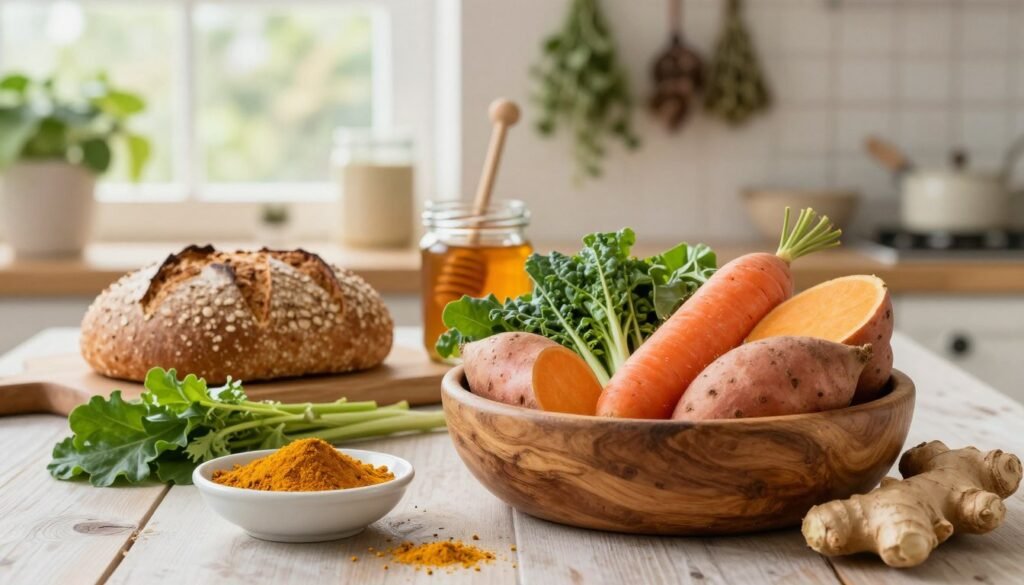
Start with soups and broths: clear vegetable broths, spiced lentil soups, and light stews. They ease digestion and help clear mucus. Kitchari, a mix of split mung dal, basmati rice, and spices, is great for a digestive reset. Millet porridge and sautéed greens are good for breakfast or dinner.
Herbs and spices to add
Turmeric is key: it fights inflammation and boosts immunity. Mix it with black pepper to increase its absorption. Ginger improves digestion and helps clear mucus. Use 1–2 grams fresh or 1/2–1 teaspoon dried.
Cinnamon adds warmth and helps balance blood sugar. Use 1/4–1/2 teaspoon in porridges or teas. Combine turmeric, black pepper, and ghee for the best benefits.
Whole grains and protein sources
Choose easy-to-digest grains like millets and basmati rice. Light legumes, such as split mung dal, are better than heavy ones. Soak and pressure-cook legumes to make them easier to digest. Include lean proteins like fish, poultry, and plant proteins to balance meals.
Seasonal vegetables
India offers great seasonal veggies in late-winter and early-spring. These include carrots, beets, spinach, and more. Cook them lightly with spices to keep nutrients and warmth. Stick to simple methods like steaming or sautéing.
Fats, oils, and beverages
Use small amounts of warming fats like ghee. It helps start digestion and absorption. Sesame oil is good for massage and occasional cooking. Avoid cold oils and deep-fried foods. Choose warm drinks like ginger-tulsi tea or lemon-honey water in the morning.
Foods and Habits Ayurveda Experts Advise Avoiding
In the late winter to early spring, we focus on removing as much as adding. Small food and routine changes protect digestion and boost immunity. We list key items to avoid and practical swaps for a seasonal diet in India.
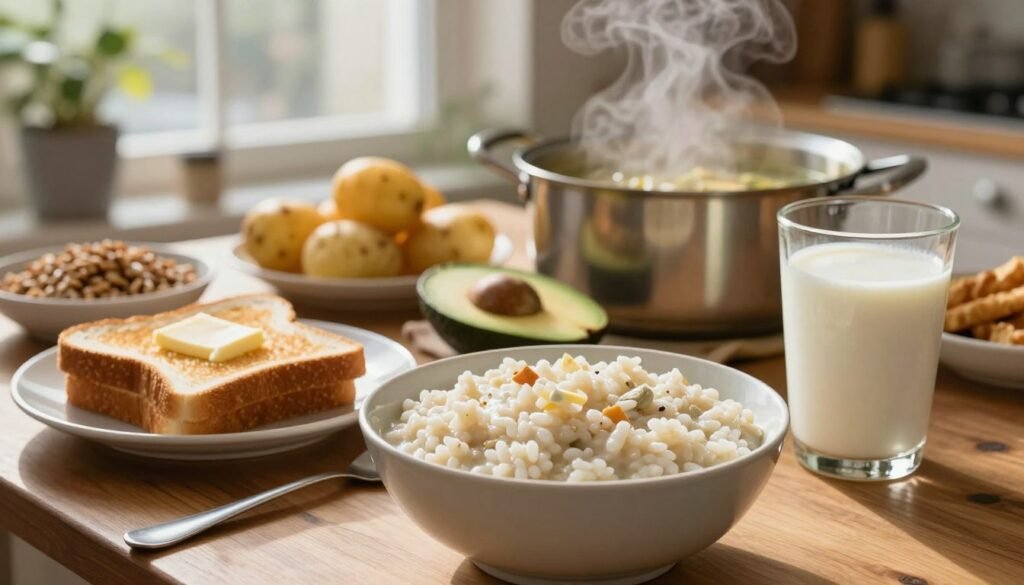
Cold, heavy, and mucus-forming foods slow down digestion and increase Kapha. Stay away from ice-cold drinks, big raw salads, and dairy-heavy sweets. Also, avoid excess cheese and heavy fried snacks.
These foods slow digestion and cause mucus buildup. This makes us more likely to get sick. To fight this, drink warm water or mild herbal teas instead of cold drinks. Choose cooked veggies over big raw salads.
Processed foods and sugar weaken our immune system. Foods high in refined sugar and processed products cause inflammation and upset the gut. Studies show sugar harms our immune cells, while processed foods lack nutrients for healing.
Try to eat less packaged snacks, sugary drinks, and ready-to-eat meals. Opt for whole grains, fresh legumes, and foods that are not heavily processed. These foods give our immune cells the vitamins and minerals they need.
Timing pitfalls: late-night eating and irregular meals mess with our digestion and immune health. Eating big meals late at night makes it harder for our body to clear out mucus. Irregular eating keeps our digestive fire unstable.
Eating a main meal at midday or early evening is best. Cut down on late-night snacks and avoid big meals before bed. This helps our body digest better and recover from illness.
Alcohol and stimulants can hurt our sleep and hydration, which are key for a strong immune system. Too much caffeine messes with our sleep. Alcohol disrupts our sleep and puts extra stress on our liver.
Try to drink less during this time. Warm herbal teas like tulsi or ginger can be soothing alternatives. These changes help our digestion and follow ayurveda’s tips for a strong immune system.
Practical tips include drinking warm drinks instead of iced ones, choosing spiced baked fruit over sugary sweets, and eating on a regular schedule. Avoid snacking between meals. These small steps help keep our digestive fire strong, reduce mucus, and support a seasonal diet in India.
Daily Routine Adjustments to Complement the Seasonal Diet
We suggest making small changes to your daily routine to help with digestion and energy. These adjustments support your body’s natural rhythms during the winter-to-spring transition. They are easy to follow and help keep your digestive system strong, even when you’re busy.

Start your day by drinking warm water to wake up your digestive system. Then, do a quick self-massage with warm oil to boost circulation and clear mucus. End with a warm shower to stay alert and focused.
Hydration and tea practices
Drink warm water all day instead of cold drinks. Herbal teas like ginger or cinnamon can help with digestion and clear your sinuses. Just a little honey in warm drinks is okay, but not in boiling water.
Light movement
Do some light exercise in the morning to shake off the morning fog. A short walk or some yoga can help raise your body temperature and improve breathing. If you’re more prone to Vata, try activities that are steady and gentle, like cycling or stretching.
Breathwork for balance
Start with Nadi Shodhana breathing to calm your nervous system. Do this for a few minutes each day. If you’re new to Kapalabhati, start with short sessions and stop if you feel dizzy.
Sleep rhythm and scheduling
Stick to a regular sleep schedule to boost your immune system. Good sleep helps your body fight off infections better. Try to go to bed a bit earlier to align with your natural body rhythm.
Sample adapted morning timeline
Wake up → drink warm water → self-massage → light exercise or breathing → eat a warm, spiced breakfast. This routine is quick and helps keep your body strong, even when you’re busy.
Ayurveda Immunity Tips
We offer practical steps to boost your immunity with Ayurveda during the winter-spring change. These tips mix ancient wisdom with today’s safety advice. They’re easy for busy people and families to follow.

Eat warm, small meals at set times to aid digestion and immunity. Use spices like turmeric and ginger in soups and stews. They help fight inflammation.
Use gentle nasal care: try sesame oil nasya or a saline rinse. They clear mucus and ease irritation. Also, sleep well and do short breathing exercises to lower stress.
Herbal formulations and tonics
Choose well-known Ayurvedic tonics like chyawanprash for antioxidants, ashwagandha for balance, and Tulsi for breathing ease. Use licorice with care, as it can raise blood pressure.
Opt for trusted brands like Dabur, Baidyanath, and Himalaya for quality. Look for AYUSH approval or third-party tests to ensure safety.
Safety, dosing, and interactions
Always follow the label and ask a practitioner before using strong herbs. Be cautious if you’re on certain drugs, pregnant, or breastfeeding. Ashwagandha can affect some medications.
When to consult a practitioner
See an Ayurvedic doctor if symptoms don’t go away or get worse. This includes fever, breathing trouble, long coughs, or severe allergies. People with ongoing health issues should get advice from both Ayurvedic and Western doctors.
It’s good to mix Ayurveda with modern health steps. Vaccines, tests, and specialist visits are key when needed.
Special Considerations for Kids Immunity During Seasonal Change
When winter turns to spring, we watch how it affects kids. Small changes in food, routine, and school habits are key. Keep flavors mild, meals warm, and routines steady to help digestion and build resilience.
Child-friendly spices, foods, and portion adjustments
Add gentle warming spices to their meals. A pinch of ginger in porridge, a dash of cinnamon in mashed sweet potato, and a little cumin in khichdi. These spices aid digestion and boost immunity without upsetting taste buds.
Give them age-appropriate portions. Use small plates for toddlers and larger ones for school-age kids. Choose soft, easy-to-chew foods like steamed veggies, warm khichdi, and mild dals. Make sure they enjoy their meals so they get the nutrients they need.
Immunity-supporting routines for school-aged children
Start their day with a warm glass of water or spiced milk. Keep regular meal and sleep times to help their body rhythms. Encourage them to play outside for sunlight and fresh air to boost vitamin D and mood.
Include fermented curd or yogurt in small amounts if they can handle it. Pack warm lunch boxes instead of cold foods. Teach them to wash their hands before meals and to cover their mouth when coughing to prevent infections at school.
Signs to watch for and when to seek medical advice
Watch for warning signs like persistent high fever, breathing trouble, extreme tiredness, poor feeding in young kids, dehydration signs, or a cough that gets worse. If you see any of these, get them to a pediatrician right away.
If your child keeps getting sick, is slow to gain weight, or has chronic nasal congestion, see a pediatrician. They might suggest growth checks, allergy tests, or immunological tests to find the cause.
Safe use of remedies and professional guidance
Don’t give kids adult herbal doses. Use child-specific chyawanprash only with a doctor’s advice. Avoid giving them large amounts of licorice or other strong herbs without a doctor’s okay.
We mix ayurveda tips for kids with practical advice for families in India. This helps them follow a seasonal diet safely. It keeps things simple and supports health during the transition.
Natural Remedies and Home Decoctions to Support Immune Health
We turn to time-tested home decoctions to calm seasonal imbalance and boost immunity. These recipes come from natural remedies Ayurveda and common sense. They are simple, safe, and perfect for daily use.
Recipes: kadha and warming infusions
Start with a classic kadha recipe. Boil 1–2 cups of water with crushed ginger (1–2 thin slices or 1/2–1 tsp grated), 4–6 fresh tulsi leaves or 1 tsp dried, 1/4–1/2 tsp turmeric powder, and a pinch of black pepper. Simmer for 5–10 minutes, then strain and drink warm.
For a twist, add a small cinnamon stick while simmering. Finish with lemon or jaggery to taste. For kids, use a single thin ginger slice and 1/8–1/4 tsp turmeric for a milder flavor.
How to prepare and dose herbal decoctions safely
Crush fresh ingredients to release oils, then simmer gently. Cover the pot to keep in the good stuff. Strain before serving. Sweeten with honey only after it cools a bit.
Adults should have 1 cup once a day for prevention, and 1 cup 1–2 times a day when sick. Kids should have less, based on age and weight. Always check with a pediatrician for infants.
Be careful: pregnant or breastfeeding women should talk to an Ayurvedic expert first. People on blood thinners should also check with their doctor. Don’t use one herb too much without a doctor’s okay.
Storage and freshness tips for homemade remedies
Drink decoctions fresh for the best taste and health benefits. If you must store, keep in the fridge for 24–48 hours. Reheat gently and avoid boiling too many times.
Label bottles with date and ingredients when making batches. Use fresh produce when you can. Choose good brands for powders with clear testing and batch info.
We see these recipes as part of a bigger plan for strong immunity. Simple habits, quality ingredients, and regular use are key to success.
The Role of Fermented and Probiotic Foods in Ayurveda
Fermented foods connect traditional practices with modern gut science. In the winter–spring, they ease digestion and boost gut health. They do this without upsetting the balance of doshas. Eating small amounts regularly is best for maintaining digestion and following ayurveda’s immunity tips.
Traditional Indian fermented foods include curd (dahi), buttermilk (chaas), idli and dosa batter, and regional fermented porridges. Homemade pickles are also good in moderation. These foods have live cultures that help balance the gut’s microbes.
Homemade curd and chaas are gentle on digestion when fresh. Idli and dosa batter are light and help with digestion, giving steady energy. Ayurveda advises moderation and choosing foods based on individual needs.
Ayurveda sees fermentation as nuanced. Freshly made foods are lighter and easier to digest. But, sour, aged ferments can upset Pitta in some. It’s important to match food choices to one’s constitution.
Probiotics ayurveda combines ancient wisdom with modern science. Ayurveda values balance, while science focuses on specific strains. Studies show certain strains can boost mucosal defenses and lower respiratory infection risks.
Practical advice blends both traditions. Choose fresh homemade curd or low-fat yogurt, seasoned with spices. Avoid sugary or preservative-laden commercial products. When considering supplements, choose ones with proven strains and consult a practitioner if unsure.
Fermented foods are part of a balanced seasonal diet. Eat them in small amounts during the day. Avoid heavy meals at night. Favor mild, recent fermentation in winter–spring. This supports gut health and follows ayurveda’s immunity tips.
Meal Plans and Recipe Ideas for the Winter-Spring Transition
We have a simple guide for a seasonal meal plan based on Ayurveda. It’s perfect for those with busy lives. Making small changes at key times helps keep digestion strong and reduces Kapha. It also boosts immunity.
Morning — start with warm lemon-ginger water. Then, have a light millet or oats porridge. Add cinnamon and chopped nuts for flavor.
Mid-morning — drink warm tulsi or ginger tea. It keeps digestion steady and energy up during meetings.
Lunch (main meal) — enjoy kitchari with split mung dal and basmati rice. Season with turmeric, cumin, and coriander. Add quick sautéed greens with mustard seeds on the side.
Afternoon — have roasted chana for a crunchy snack. Or, try warm spiced buttermilk with roasted cumin to settle your stomach after work.
Dinner — opt for a light vegetable soup or a simple spiced dal. Serve with steamed seasonal vegetables. Avoid heavy desserts to ensure good sleep.
Bedtime — drink warm milk with a pinch of turmeric. Or, have one small spoon of chyawanprash for gentle support.
Easy recipes you can scale
Simple spiced lentil soup: rinse yellow moong or toor dal. Cook until soft with turmeric, ginger, cumin, and hing. Finish with lemon juice and chopped coriander.
Spiced porridge recipe: cook millet or oats in water or milk. Add cinnamon and crushed green cardamom. Sweeten with jaggery or honey once cooled slightly.
Vegetable stew: cube seasonal root vegetables. Simmer with black pepper, turmeric, and bay leaf. Add lemon before serving to brighten flavors.
Batch-cooking and convenience tips for busy households
Use the weekend to cook a kitchari base and a large pot of lentil soup. Store in airtight containers and reheat gently.
Make spice blends and a ginger-turmeric paste for quick additions. Use pre-soaked legumes, frozen vegetables, and high-quality ghee to save time.
Carry warm lunches in insulated flasks. Adapt recipes for pressure cookers or slow cookers to save time. Remember to keep ayurveda immunity tips in mind.
Scientific Evidence and Modern Research on Ayurveda and Immunity
We look at the latest research on Ayurveda and its impact on immunity. Our aim is to explain studies clearly, highlight their limitations, and offer ways to blend old wisdom with new prevention methods.
Studies linking Ayurvedic herbs to immune-modulating effects
Research has focused on herbs like turmeric, ginger, tulsi, and ashwagandha. Turmeric’s curcumin has shown to reduce inflammation and act as an antioxidant. Some studies suggest it can lower inflammation markers when used with lifestyle changes.
Ashwagandha has been found to help manage stress, which can boost immune strength. Studies show it can lower cortisol levels and aid in recovery after stress. Tulsi has shown adaptogenic and immunomodulatory effects in some research. Probiotic yogurt and fermented foods have also been linked to fewer respiratory infections in kids.
Limitations and considerations when interpreting research
Studies vary a lot: different herbs, extraction methods, doses, and formulations are used. Many trials are small, short, or use biomarkers instead of real health outcomes. Results often depend on the specific strain or formulation used.
It’s important to consider safety and how these herbs might interact with other drugs. Turmeric can affect blood thinners and drug absorption. Ashwagandha might interact with sleep aids or thyroid medications. Using standardized extracts is key to reliable results.
Integrative approaches: combining Ayurveda with modern prevention strategies
We support combining Ayurveda with modern health practices. This includes getting vaccinated, washing hands, and using masks. Ayurvedic tips and diets can be used alongside these measures.
For researchers and educators, the next steps are clear. We need more studies with standardized extracts, larger trials, and studies that connect Ayurvedic concepts to modern immunology. This will help bridge traditional practices with reliable scientific evidence.
Practical Tips for Adopting a Seasonal Diet in Urban Indian Settings
We connect old wisdom with city living with easy steps for an urban seasonal diet in India. Making small changes at markets, kitchens, and workplaces makes it easy. Here are tips for sourcing, adapting, and using community resources to eat seasonally without hassle.
Go to local wet markets early for the best veggies and millets. BigBasket and Nature’s Basket have seasonal bundles. Try farmer-producer groups and local farmers for fresh produce.
Buy whole spices in small amounts for better taste and longer shelf-life. Use local millets like jowar and ragi to save money and eat healthier. Keep roots and greens fresh by storing them right.
Adapting traditional advice for contemporary lifestyles
Make big batches of dals, soups, and porridges on weekends. Use pressure cookers or Instant Pots to save time. Carry warm lunches and drinks in insulated containers.
Take short breaks and do breathing exercises at work to help digestion. Even in small kitchens, make quick stir-fries and steamed millets that are easy to prepare but follow ayurvedic principles.
Community resources: local practitioners, workshops, and markets
Go to workshops by Banaras Hindu University or All India Institute of Ayurveda to learn more. Find Ayurvedic clinics approved by the Ministry of AYUSH for personal advice.
Start groups at work for lunch challenges or recipe swaps. Use online classes and webinars for ayurveda tips that fit your busy schedule.
Safety, certification, and sensible choices
Check if practitioners are certified and products have AYUSH or FSSAI marks. Be cautious of exaggerated claims; choose tested, modest advice and products.
Start with small changes like buying seasonally, cooking in batches, and getting verified advice. Workplace support helps make an urban seasonal diet in India a part of your busy life. It boosts your health with ayurveda tips and natural health advice.
Conclusion
We’ve shared a simple, science-backed way to boost immunity with Ayurveda during winter and spring in India. Eat warm, light, and drying foods. Use spices like turmeric and ginger. And keep your digestive fire strong with regular routines.
Begin with small steps: drink warm water in the morning, try a ginger-turmeric drink, and eat at set times. Keep track of how you feel and adjust as needed. This approach turns natural health tips into real improvements.
Integrate Ayurveda with modern health practices. Stay clean, get vaccinated, and talk to Ayurvedic experts before trying strong herbs or managing long-term health issues. By mixing ancient wisdom with modern science, we create strong, healthy people and communities.