



Children Health Awareness is becoming increasingly important as the World Health Organization warns about rising childhood obesity worldwide. In India, the trend is gaining momentum, with more children aged 5–19 becoming overweight or obese, particularly in urban and peri-urban areas. Strengthening Children Health Awareness early is essential to help families understand how diet and lifestyle choices influence long-term health outcomes.
The growing need for Children Health Awareness comes at a time when obesity and undernutrition exist side by side, creating a complex public health challenge that requires balanced nutrition strategies.
Why Children Health Awareness Matters Today
Improving Children Health Awareness helps parents, educators, and healthcare professionals recognize risk factors linked to unhealthy diets. Increased consumption of junk food and sugary drinks contributes significantly to weight gain among children.
Experts emphasize that stronger Children Health Awareness programs can:
-
Encourage healthier eating habits
-
Reduce dependence on processed foods
-
Promote physical activity among children
-
Support long-term disease prevention
Building Children Health Awareness ensures children grow with better nutritional understanding and healthier routines.
Role of Diet in Children Health Awareness
Doctors and nutritionists highlight that Children Health Awareness must focus on reducing junk food intake and limiting sugary beverages. Evidence-based dietary guidance encourages families to choose balanced meals rich in fruits, vegetables, and whole foods.
Strengthening Children Health Awareness through schools and communities helps create environments where healthier choices become easier and more accessible.
Supporting Children Health Awareness Through Collective Action
Raising Children Health Awareness requires collaboration between families, educators, policymakers, and healthcare professionals. Public campaigns, nutrition education, and responsible food marketing policies all contribute to improving children’s wellbeing.
By promoting Children Health Awareness, communities can take meaningful steps toward preventing obesity while supporting overall child development and long-term health.
WHO report overview: rising childhood obesity trends in India
According to the World Health Organization, childhood obesity is rising globally due to unhealthy diets and reduced physical activity.
We look at the latest WHO report on India to see how childhood obesity is changing. The report shows a rise in overweight and obesity among kids aged 5–9 and 10–19. This increase is more noticeable in cities and peri-urban areas.
Year after year, the rates go up slowly but steadily. This small increase adds up to a big health concern.
Key findings from the latest WHO data
The WHO briefing shows a higher rate of obesity in kids aged 5–9 than before. For those aged 10–19, the rate keeps going up. Kids in cities see the biggest increase, while rural areas see a slower but steady rise.
Changes in diet and less physical activity are blamed for this trend. This information helps us focus on improving child health in India and raising awareness about kids’ diets.
How trends compare regionally and globally
India’s trend is similar to other middle-income countries going through a nutrition change. There are both undernutrition and overweight issues. The WHO puts India in a middle position, with faster growth than some low-income states but slower than high-income cities.
This information is key for health campaigns. They need to be specific to each region and economic group.
Implications for India’s public health system
More kids being overweight means more need for diabetes and hypertension checks in kids. The health system, including schools, will have to do more to catch these issues early. We suggest improving monitoring, adding obesity prevention to maternal-child care, and creating messages to help kids eat better and stay healthy.
Why childhood obesity is a growing public health concern
More kids are carrying extra weight, changing how we care for them. In India, this issue affects both city and countryside. It’s linked to changes in diet and less physical activity. Early action is key for kids’ health and the future of our population.
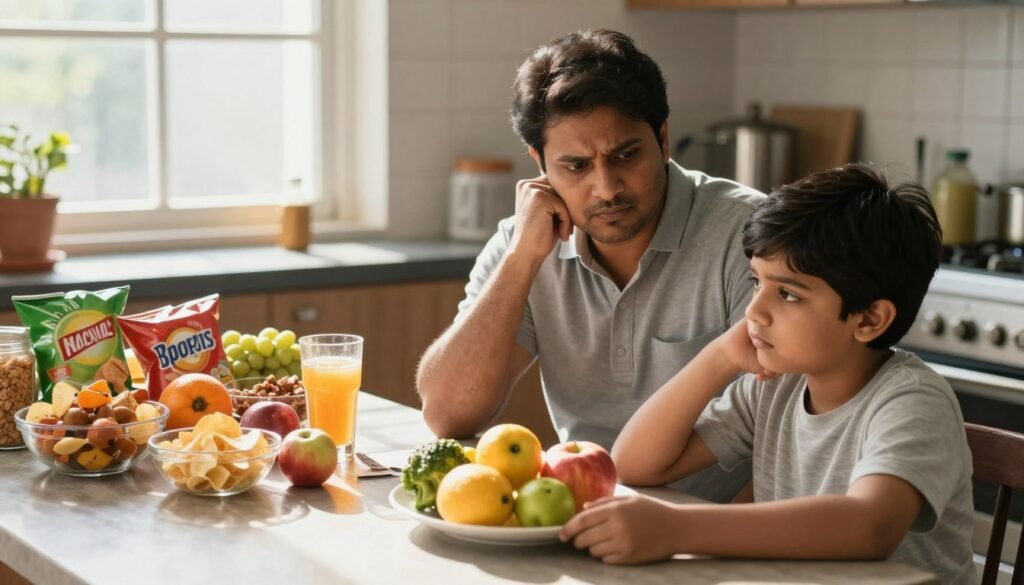
Short-term health effects on children
Children with extra weight often face insulin resistance and high blood pressure early. The American and Indian Academies of Pediatrics list several health issues. These include orthopedic pain, sleep apnea, and early signs of metabolic problems.
Psychological problems also arise: low self-esteem, anxiety, and bullying. These issues can make kids miss school and harm their social and learning skills. This puts a big strain on families and affects kids’ well-being.
Long-term risks into adolescence and adulthood
Childhood obesity often lasts into adulthood. Studies show a higher risk of type 2 diabetes, heart disease, and some cancers. It’s important to prevent weight gain in kids to avoid these problems later.
We need to treat early signs of obesity as warnings of chronic diseases. We should create programs that help change kids’ health paths.
Economic and social consequences for families and communities
Dealing with obesity in kids can be costly. Families face medical bills, lost workdays, and income loss. These costs add up and affect families’ financial stability.
Societal costs are high too. They include lost productivity and increased healthcare spending. Urban living, changes in food systems, and less activity make these problems worse. It also widens social gaps.
It’s vital to raise awareness about children’s health. We need better education, school policies, and early health screenings. Together, we can fight childhood obesity in India and protect kids’ health.
Children Health Awareness
We start by explaining why knowing about child health is important. Awareness helps families and schools make better choices. This includes what food to buy and how much to eat.
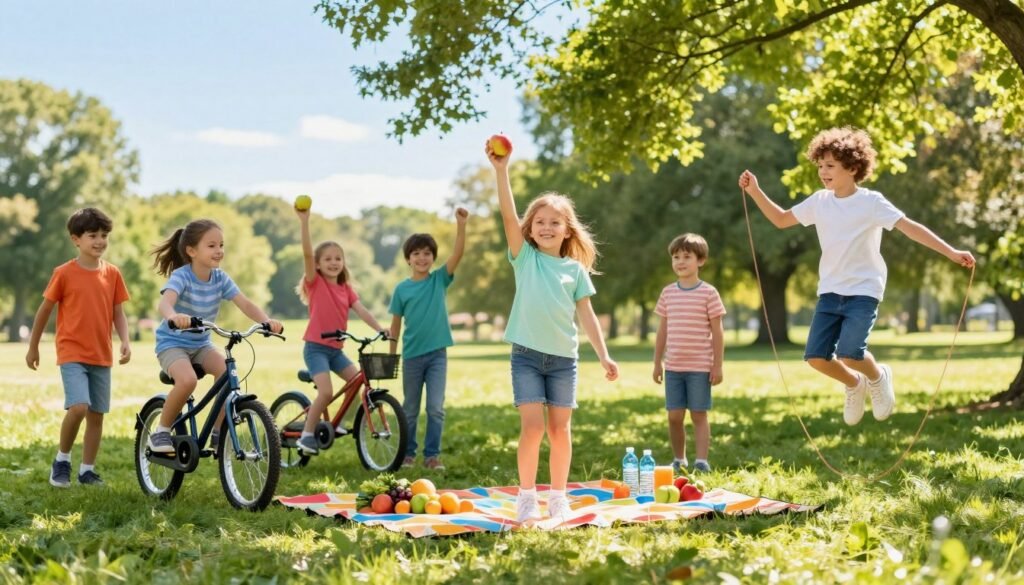
The role of awareness in prevention
Awareness is the first step to preventing health problems. When parents know about food, they make better choices. This means less junk food and more healthy options.
Changing behavior takes time and trust. Health workers and teachers teach in simple ways. This helps families across the community eat better.
School and community programs that raise awareness
Schools and workshops teach kids and parents about healthy eating. Programs like Poshan Abhiyaan and mid-day meal changes help. Teachers and workers show kids how to eat right.
Community health workers and social marketing reach more people. It’s best to work together. This includes local officials, schools, and groups to hold events and teach about healthy eating.
Measuring the impact of awareness campaigns
We track how well campaigns work by measuring knowledge and behavior. Surveys and food purchases show if things are changing. We also look at health outcomes like BMI and diet diversity.
It’s important to watch health outcomes over time. We use trials and research to see if efforts are working. It’s hard to know for sure, but mixed methods help.
We suggest adding Children Health Awareness metrics to existing systems. Simple tools like SMS and WhatsApp help spread the word. They also help communities report on child health in India.
Junk food risks: what parents need to know
We face a flood of packaged snacks and sweet drinks that target young taste buds. As a community of educators and parents, we need clear facts to build kids diet awareness and protect child health India. Short, practical notes help families spot hazards and act with confidence.
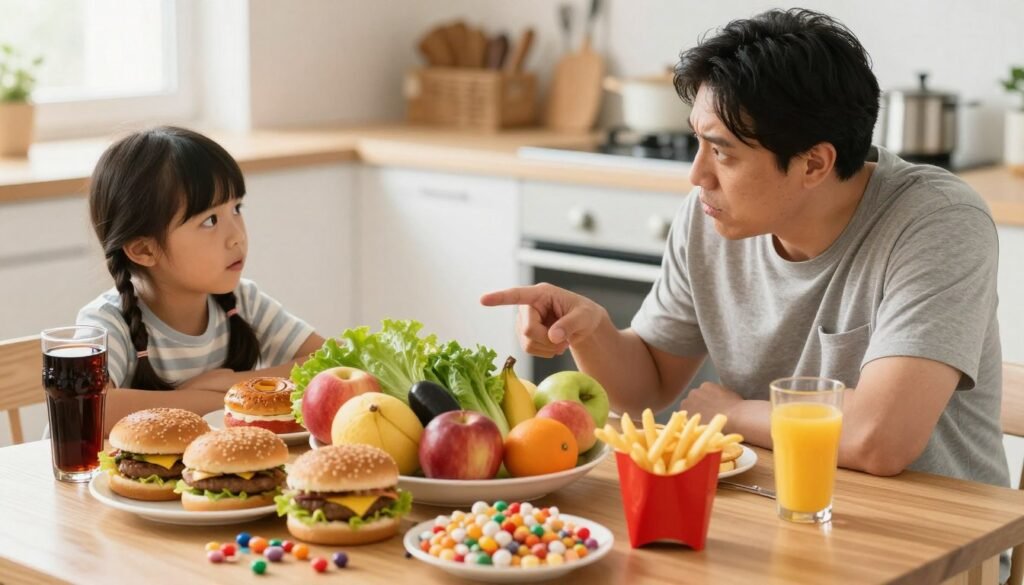
Common ingredients in many snack foods include high levels of added sugars, trans fats, saturated fats and sodium. These components add calories without nutrients. Excess calories drive weight gain and affect how full we feel.
They also lead to fat buildup in the liver, raising long-term metabolic risk. Expect quick energy spikes followed by sharp crashes. This cycle affects mood and concentration at school.
Parents should watch for artificial flavors and colors. These additives can mask poor quality and encourage repeat consumption. Simple label checks — looking at sugar and fat per serving — improve kids diet awareness and help parents choose better options.
Marketing tactics that target children in India are aggressive across TV, YouTube and social media. Brands often use celebrity endorsements, cartoon characters and tie-ins with popular films to build appeal. Point-of-sale placement near school gates or at supermarket eye level increases impulse buys by children.
Regulatory reviews from agencies such as the Food Safety and Standards Authority of India have documented campaigns geared to young audiences. Recognizing these tactics helps families resist persuasive messaging and prioritize whole foods for child health India.
Recognizing hidden ultra-processed foods starts with understanding the NOVA classification: ultra-processed items are industrial formulations with many ingredients and additives. Common examples are instant noodles, sugary cereals, flavored yogurts, packaged biscuits, and many processed drinks.
Clues include long ingredient lists, words you cannot pronounce, and prominent sugar or sodium figures. When an item lists syrup, hydrogenated oil, or multiple emulsifiers, treat it as ultra-processed. Shifting to minimally processed foods supports Children Health Awareness in everyday meals.
We recommend three practical steps: build label literacy by comparing per-serving sugar and sodium values; plan simple meals and snacks to reduce impulse purchases; and substitute whole fruits, roasted legumes or homemade yogurt for packaged options. These moves strengthen family routines and make healthier choices easier for children.
Sugary drinks and their impact on kids’ health
Children often grab bright cans and bottles without thinking about the long-term effects. Sugary drinks are easy to consume and can lead to weight gain. For families in India, knowing about liquid sugars is key to making better choices.
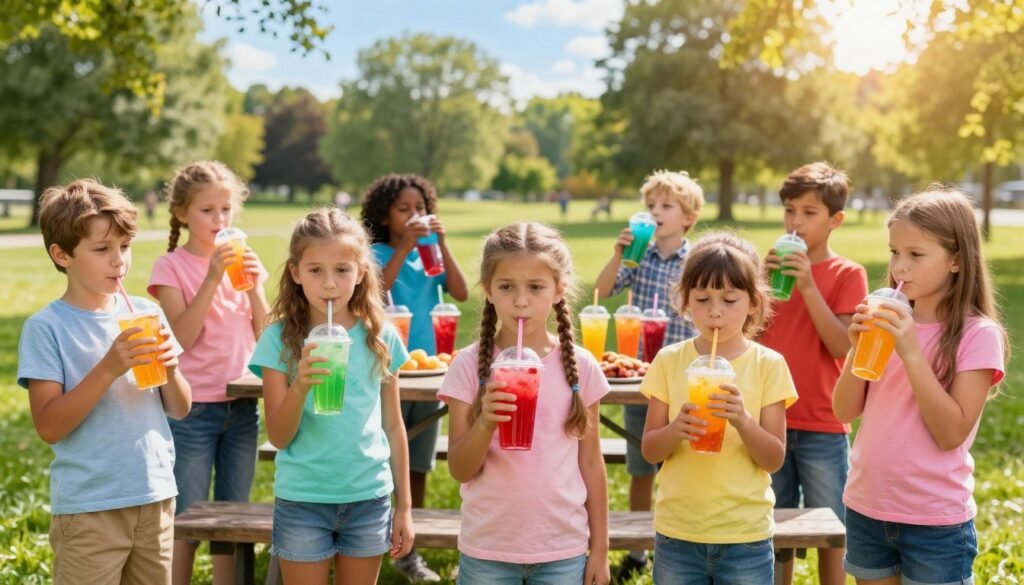
How sugary beverages contribute to weight gain
Liquid calories don’t make us feel full like solid foods do. Drinks like soda or juice quickly raise blood sugar, then drop it. This can lead to extra calories and higher BMI in kids.
Studies show that drinking sugary drinks can make kids gain weight. Cutting down on these drinks helps manage weight. Teaching kids about healthy choices at home and school is important.
Links to dental problems and metabolic diseases
Sugary drinks make the mouth acidic, leading to tooth decay. In India, tooth decay is common due to these drinks.
Drinking sugary drinks often can lead to insulin resistance and high triglycerides. It may also cause fatty liver disease in kids. These problems are worse when kids don’t move much.
Substitutes and healthier beverage choices
Water is the best choice. You can add flavor with citrus or mint without sugar. Traditional Indian drinks like unsweetened buttermilk are also good.
Milk and homemade fruit smoothies are good for protein and calcium. Replacing cola with buttermilk or water saves a lot of sugar.
Small changes can help a lot. Keep water handy, use small cups for treats, and limit sugary drinks. These steps help kids develop healthy habits.
Practical tips for parents to cut junk food and sugary drinks
We help families make healthy habits a part of their daily lives. Small changes in what we eat, shop for, and do can make a big difference. Tools like meal prep and visible fruit bowls make healthy choices easier.
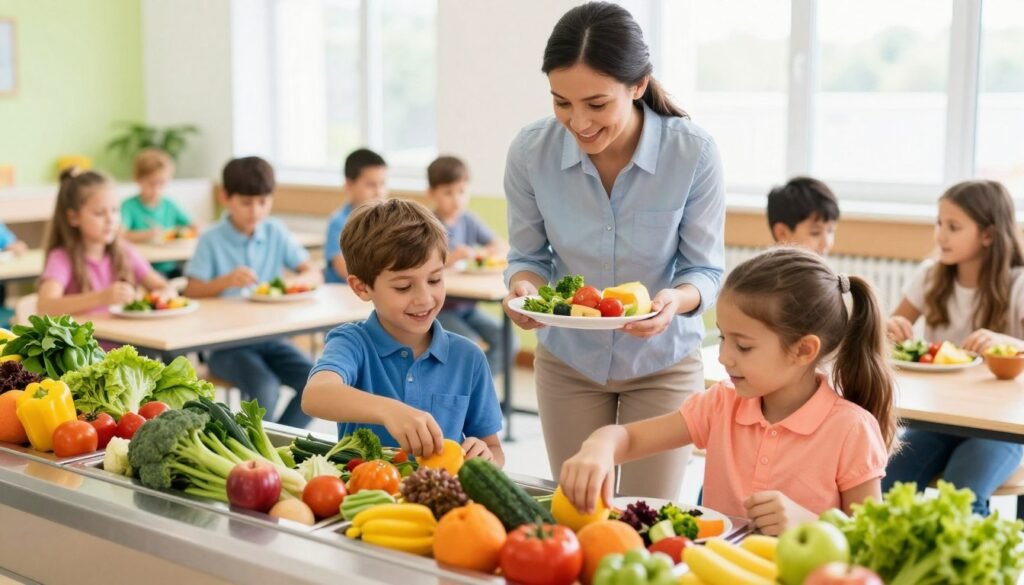
Plan meals that include protein, complex carbs, and healthy fats. Try Indian dishes like dal with brown rice and mixed-vegetable sabzi. For dessert, choose seasonal fruits instead of packaged sweets.
Replace unhealthy snacks with better options. Try roasted chana or makhana instead of chips. Use plain yogurt with fruit and homemade chutney instead of sugary puddings and bottled sauces. Making snacks ahead of time saves time and keeps portions right.
Reading labels and making informed purchases
Teach caregivers to read labels carefully. Start with serving size, then total sugar, trans fats, and sodium. Choose products with fewer ingredients and avoid those with sugar at the top.
Stay updated on discussions about front-of-pack labeling in India. This helps when shopping to avoid sugary drinks and snacks.
Setting household rules and consistent routines
Set simple rules everyone can follow. No sugary drinks at meals, limit packaged snacks, and have set times for meals and snacks. Clear rules help avoid arguments and make following them easier.
Involve kids in shopping and cooking to teach them about healthy eating. Use positive feedback to encourage them. Keep fruit visible and pack portion-controlled containers for school.
Healthy eating for children: building balanced meals
We think simple, familiar meals are key for healthy eating in families. A simple plate model helps: one quarter protein, one quarter whole grains, and half fruits and vegetables. This supports child health in India and boosts awareness at home and in schools.
Essential nutrients for growth and development
Protein is vital for muscles and brains. Include legumes, eggs, paneer, and low-fat dairy. Iron boosts focus and learning; spinach, lentils, and fortified cereals are good sources.
Calcium is for strong bones; choose milk, yogurt, and paneer. Vitamins A and C are for eyes and immunity; add carrots, mango, and citrus fruits. Zinc and iodine are for metabolism and thinking; nuts, seeds, and iodized salt are helpful.
Portion guidance for different age groups
Toddlers (1–3 years) need small portions: a handful of grains, one thumb-sized protein, and two small spoonfuls of fruits or vegetables. Young children (4–8 years) get half a small plate of fruits and vegetables, one handful of whole grains, and a palm-sized protein serving. Older children and adolescents (9–18 years) get larger portions based on activity.
Incorporating fruits, vegetables, and whole grains
Make plates colorful with orange carrots, green spinach, and red tomatoes. Blend vegetables into dals, sabzis, and parathas. Swap white rice for brown rice or millets like ragi and bajra to increase fiber and nutrients.
Offer fruit as snacks or dessert to support healthy eating habits. Sample balanced Indian meals like dal with mixed vegetables, brown rice or millet rotis, curd, and fruit. These meals meet nutrient needs and are easy for busy households. We encourage caregivers and educators to promote healthy eating for children in communities.
School policies and the role of educators in nutrition
Schools play a key role in shaping eating habits and improving nutrition. Small changes in menus and classroom learning can have big effects. These efforts can reach families and support Children Health Awareness.
Implementing healthier school meal programs
Mid-day meal schemes are a great way to introduce healthier foods. Replacing refined grains with millets or bajra can make kids feel fuller. Using seasonal produce and simple recipes can also save money and offer more variety.
It’s important to make menu changes gradually and train kitchen staff. This ensures that school meals are not only healthy but also appealing. Studies show that better school meals can improve focus, attendance, and grades, making it worth the investment in child health India.
Limiting availability of junk food on campus
Setting rules to ban sugary drinks and packaged snacks is a good start. States in India have already banned sugary items near schools. This helps keep canteens focused on healthier options.
Clear contracts with vendors and regular checks can help ensure quality. Working with parents and local vendors can also make things easier. This way, everyone is on the same page, and healthy food options are more likely to be available.
Nutrition education as part of the curriculum
Teaching kids about nutrition through fun activities can be very effective. School gardens and cooking demos can make learning about food exciting. Teachers need training to deliver these lessons well.
Linking nutrition lessons to science and home economics can make learning more meaningful. Regular tests and projects can show how well kids are understanding and applying what they’ve learned. This helps reinforce good eating habits.
When planning, it’s important to consider budgets and how to get fresh produce. A gradual approach and working with everyone involved can help make lasting changes. This way, kids can develop healthy eating habits that benefit their overall well-being.
Government initiatives and policy responses in India
We look at how policies affect child nutrition and fight junk food risks in India. This part talks about national rules, regulatory steps, and teamwork to keep kids healthy. It also talks about making schools and communities aware of children’s health.
The Food Safety and Standards Authority of India (FSSAI) has set rules for school food. These rules stop the sale of foods high in fat and sugar on school grounds. The Poshan Abhiyaan links nutrition for mothers and kids to school health in the National School Health Programme.
It suggests eating balanced meals, controlling portions, and getting enough nutrients for kids to grow well.
Taxation, labeling, and advertising restrictions
There’s talk about taxes on sugary drinks and labels on unhealthy foods. Some want to make it clear when foods have a lot of sugar, salt, or fat. There’s also a debate on limiting ads for kids’ products, with different groups discussing the balance and how to enforce it.
Public-private partnerships to improve child nutrition
Partnerships between public and private sectors have made fortified foods like iodized salt and fortified wheat flour more common. Private companies help with delivering meals in some states. Tech startups also offer apps to encourage healthy eating.
But, it’s important to make sure there’s no conflict of interest when companies fund health campaigns.
To tackle junk food risks effectively, a mix of policies works best. This includes clear rules, using money to influence choices, and direct education. This approach boosts awareness and strengthens systems for better child health in India over time.
Community strategies to support healthier kids
We team up with local leaders to make policy real. Small steps at schools, and community centers help kids stay healthy. We use simple messages, recipes, and role models to promote healthy eating.
Local campaigns: we reach out where families are. We do awareness drives recipe contests, and posters. These make healthy choices easy and familiar.
Community kitchens: we work with NGOs like Akshaya Patra for more meals. These kitchens add balanced meals to school programs. They follow safety rules, making food more accessible and reducing waste.
Engaging stakeholders: we get parents, teachers, and groups on board. When everyone agrees, healthy eating becomes the norm. This boosts child health in India.
Safe play spaces: we make parks and schools safe for play. Youth clubs and sports add to the fun. These spaces keep kids active and support healthy habits.
Physical activity and screen-time guidelines for children
We know active bodies and clear boundaries help shape healthy habits. For parents, teachers, and engineers designing community spaces, practical guidance makes it easier to support child health India-wide. Short, consistent activity goals pair well with measures to cut sedentary screen time and raise Children Health Awareness at home and school.
Recommended daily activity minutes by age
Children aged 5–17 should aim for at least 60 minutes of moderate-to-vigorous physical activity every day. For toddlers and preschoolers, active play throughout the day is key: short bursts of running, jumping, climbing, and exploratory play. Include muscle and bone-strengthening activities—such as climbing, skipping, or resistance play—on at least three days each week.
Strategies to reduce sedentary screen time
Set clear windows for recreational screen use and protect meal times as screen-free. Use parental controls to enforce limits and schedule device-free breaks during homework and play. Replace passive viewing with interactive alternatives: family games, storytelling, or hands-on projects. Note the link between screen exposure and extra snacking; reducing screen time can lower cravings for processed snacks and support kids diet awareness.
Family-based active routines and outdoor play ideas
Design routines that fit urban Indian homes: evening walks in apartment complexes, stair-based circuits, or courtyard games. Weekend bicycle rides, game sessions of kabaddi or kho-kho, and shared household chores counted as active minutes turn chores into movement. Encourage short activity bursts between study sessions to break long sedentary periods.
Monitoring and encouragement
Use simple step-counters or a daily log to track progress. Celebrate milestones with rewards that promote movement—new sports equipment or an extra family outing. Integrate Children Health Awareness into family conversations: discuss why activity matters and connect movement to better sleep, mood, and learning. These small steps strengthen child health India by building lifelong habits and raising kids diet awareness alongside active living.
Addressing socioeconomic barriers to healthy eating
We face real challenges that stop many families from eating healthy: expensive fresh food, hard access in slums, and seasonal food shortages. We need policy changes, local ideas, and clear messages about nutrition to make a difference.
Affordability and access to nutritious foods
Fresh fruits and veggies are pricier than junk food. Transport and storage costs make them even more expensive outside big cities. In slums, vendors offer limited, pricey options, pushing families to unhealthy snacks.
Programs to subsidize healthy foods for low-income families
Programs like the Public Distribution System and mid-day meal programs help. We can add more nutritious foods to these programs. Vouchers and cash transfers make healthy food more affordable, teaching caregivers about nutrition.
Culturally appropriate dietary recommendations
Change works when it respects taste and tradition. We suggest recipes with local foods like ragi dosa and vegetable khichdi. This way, families can eat healthy without losing their cultural identity.
Social innovation and community solutions
Community gardens and buying groups cut down food costs. Local kitchens and school gardens boost demand for healthy foods. Vouchers tied to ICDS programs help direct subsidies to kids’ nutrition, improving food access in India.
Monitoring and evaluation: tracking progress on childhood obesity
We need clear measures to track change in child health India. Robust monitoring helps programs adapt quickly. It supports Children Health Awareness across schools and communities. Small, consistent data points build a reliable picture of trends and program performance.
Indicators to measure program success
Process indicators track activities: number of school screenings, training sessions delivered, canteen audits completed, and digital reports submitted. Outcome indicators measure impact: prevalence of overweight and obesity by BMI-for-age, daily physical activity minutes, fruit and vegetable servings, and frequency of sugary drink consumption.
Knowledge and attitude measures matter: pre/post surveys of students, parents, and teachers show shifts in kids diet awareness and support for healthier policies.
Data collection challenges and solutions in India
Gaps include limited subnational surveillance, inconsistent anthropometric methods, slow reporting, and privacy concerns. Standardized measurement protocols and regular training for data collectors reduce variability and increase trust in results.
We recommend integrating surveillance into existing platforms such as the Reproductive and Child Health (RCH) program and the School Health Programme. Digital tools—mobile apps, SMS surveys, and cloud dashboards—speed collection and allow near real-time analysis.
Sentinel surveillance in representative districts, partnered with the Indian Council of Medical Research and leading academic institutions, strengthens analytical capacity and helps validate national estimates.
How parents and schools can contribute data
Simple templates make reporting doable: schools can log height, weight, and weekly activity minutes during term screenings. Parents can record meal patterns and drink frequency with short, secure digital forms.
Ethical safeguards must be in place: informed consent, anonymized records, and secure storage—these protect children and build confidence in community-generated data.
When combined, school reports and home logs enrich monitoring childhood obesity India efforts. They improve kids diet awareness initiatives. This community data feeds local actions and strengthens overall child health India monitoring.
Expert voices: pediatricians, nutritionists, and policymakers
We get advice from top experts to help with child nutrition. The Indian Academy of Pediatrics says to watch for growth early. The National Institute of Nutrition suggests eating a variety of foods and knowing the right portions for kids.
Policymakers want everyone to work together to improve child health in India. They say health, education, and farming need to be connected.
The Indian Academy of Pediatrics says to check weight and height often. The National Institute of Nutrition recommends eating millets, iron-rich foods, and less processed foods. The Ministry of Health and Family Welfare wants better food in schools and clear labels to help kids eat better.
Case studies of successful interventions in India
In some Karnataka schools, they changed the canteen food to water and fruit. They had meetings, trained vendors, and checked on it with parents. This led to less sugary drinks and more fruit for kids.
In Telangana, they promoted millets in schools and communities. They helped farmers, changed school menus, and showed kids how to make simple millet dishes. They saw more variety in school meals.
How to find credible guidance and local resources
Look for WHO briefings, Ministry advisories, and FSSAI standards. Also, check the National Institute of Nutrition and the Indian Journal of Pediatrics. NGOs like Public Health Foundation of India share reports on nutrition.
Check if studies are well done and who funded them. Stick to government guidelines and university research. If unsure, talk to local doctors and nutritionists.
Work with local experts to make nutrition efforts better. Use growth checks, good menus, and school rules to help kids in India. These steps help make nutrition better at home and in the community.
Conclusion
The WHO alert on rising childhood obesity in India is clear. We must cut down on junk food and sugary drinks. Making healthy eating a habit for kids starts with awareness in homes, schools, and communities.
We need to make simple changes at home and support policies that help us make better choices. This way, we can reduce the risks and make healthy eating easier for children.
It’s time for educators, engineers, parents, and policymakers to work together. We should strengthen school nutrition standards and run campaigns to teach kids about healthy eating. Supporting measures like front-of-package labeling and taxes on unhealthy foods can also help.
These actions will improve child health across India. They will also help families find affordable, nutritious food.
Next, we should add obesity screening to school health checks. We should also test front-of-package labeling and fiscal policies in some areas. And we need to grow community nutrition programs that fit well in India.
It’s important to keep researching and monitoring these efforts. This way, we can make sure our programs are effective and meet the needs of local communities.
Improving children’s health requires wisdom and creativity. We need to combine science, education, and design to make healthy choices easy. By working together, we can create a healthier future for our children.