



Artificial intelligence (AI) is reshaping workplaces across India, and by 2026, Indian professionals will face a significant skills shift. Many workers feel underprepared for AI-driven job roles, highlighting a growing gap in AI job skills in Work 4.0 India: How Automation and AI Will Shape Indian Jobs 2026. From automated workflows to machine learning tools, professionals need to reskill and adapt to remain competitive in this rapidly evolving job market. By 2026, AI adoption is forecast to accelerate, transforming nearly every sector: from manufacturing and healthcare to finance and creative services. While this technological leap promises productivity gains and new opportunities, it also exposes a critical gap—many Indian professionals feel underprepared for the workforce changes ahead.
In this article, we explore:
- Why the job market is changing so fast
- How professionals are reacting
- The skills gap challenge in India
- What individuals and institutions can do to bridge the gap
The Changing Job Landscape: AI as a Workforce Game Changer
AI technologies are no longer confined to lab experiments — they are already embedded in tools that professionals use daily. From automated customer service platforms and algorithmic trading to predictive analytics and AI‑powered design tools, machines are reshaping job roles.
Key forces driving this shift:
- Automation of routine tasks: repetitive tasks are increasingly handled by machines.
- New job categories: roles like AI ethics consultants, machine learning engineers, and data curators are emerging.
- Hybrid human‑AI roles: professionals need to collaborate with intelligent systems, not just compete with them.
In India, major sectors such as IT services, banking, logistics, and e‑commerce are integrating AI at scale. This creates exciting opportunities but also unprecedented disruption for workers without the right skills.
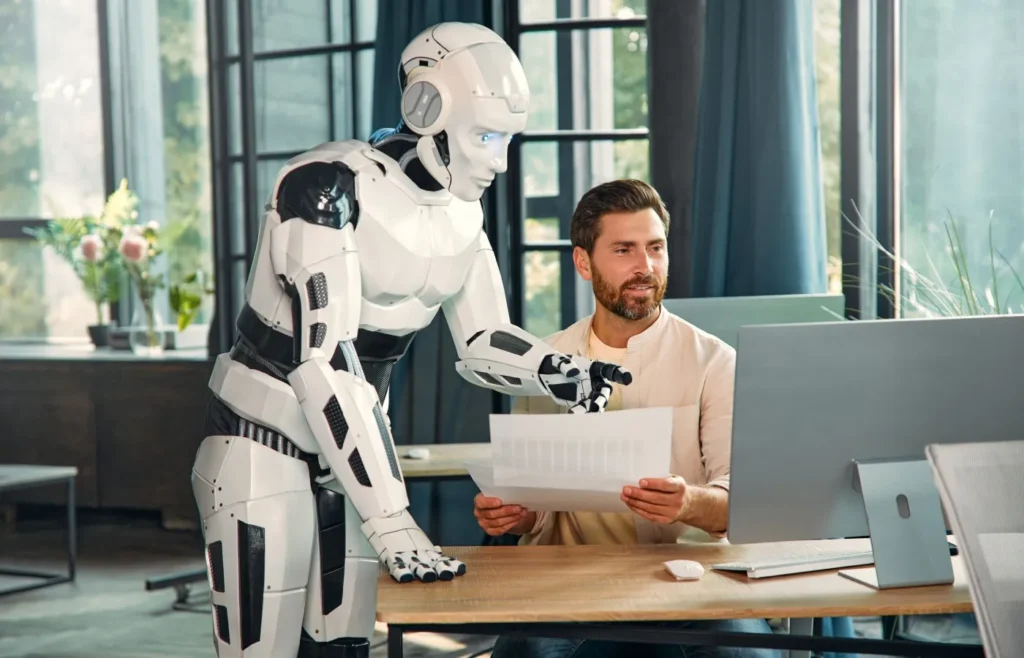
Indian Professionals: A Snapshot of Preparedness
Recent surveys and industry reports point to a concerning trend: a significant portion of Indian professionals feel underprepared for the upcoming shifts.
Key concerns include:
- Lack of advanced digital skills (AI, cloud computing, data analytics)
- Insufficient training opportunities
- Unclear career pathways in emerging tech fields
- Fear of job displacement
In a workforce where over 50% of employees may need to reskill by 2026 to stay relevant, many Indian professionals feel the pace of learning support is lagging behind the pace of change.
Skill Gaps: Where the Challenges Are Most Acute
1. Technical Skills Shortage
Many Indians entering or already in the workforce lack advanced technical skills that are rapidly becoming prerequisites:
- Machine Learning & AI
- Data Science & Analytics
- Cloud Engineering
- Cybersecurity
- Modern Software Development (DevOps/UI/UX)
2. Soft Skills Are Also Critical
While tech skills get most attention, employers also seek:
- Problem‑solving and critical thinking
- Adaptability & lifelong learning mindset
- Communication and collaboration
- Leadership in hybrid work models
3. Access & Inequality Issues
Not all professionals have equal access to good training infrastructure, especially in semi‑urban and rural areas. This further widens the preparedness gap.
Why Many Professionals Still Feel Underprepared
1. Speed of AI Adoption Is Faster Than Training
Technology evolves quickly. Many companies integrate AI tools faster than they can train employees, leading to:
- Skill obsolescence
- Training backlog
- Workforce anxiety
2. Limited Structured Learning Paths
While there are many online courses, professionals often struggle with:
- Choosing the right curriculum
- Finding credible instructors
- Aligning learning with career goals
3. Time & Financial Constraints
Working professionals — especially those with families — have limited time and money to invest in long reskilling programs.
Voices from the Ground: Professional Perspectives
Across Indian metros and smaller cities alike, professionals share common sentiments:
- “I know AI will affect my job, but I’m not sure where to start.”
- “My company offers training, but it’s too generic.”
- “I fear robots might replace me, but I want to reskill—I just need guidance.”
These voices reflect a mix of anxiety, motivation, and uncertainty. The need isn’t just training—it’s effective, aligned, and accessible reskilling solutions.
Industry Responses: Steps Being Taken
Many Indian companies and institutions are responding with:
- AI and digital upskilling programs
- Partnerships with edtech platforms
- In‑house reskilling initiatives
- Career transition support
However, industry leaders acknowledge that a systemic approach is needed — one that aligns education, corporate training, and government policy.
What Must Change: A Roadmap for Preparedness
To prepare Indian professionals for the evolving job market, the following strategies are critical:
1. Create Clear Skill Pathways
Professionals need structured learning paths that link:
- Current roles → future roles
- Skills needed → job outcomes
Certification frameworks should be recognised and industry‑aligned.
2. Expand Accessible Training
This includes:
- Public‑private partnerships
- Subsidized courses for mid‑career professionals
- Local training hubs in smaller cities
3. Promote Lifelong Learning Culture
Employers and educational institutions must encourage continuous improvement, including:
- Time for learning during work hours
- Rewards for skill attainment
- Mentorship programs
4. Focus on Both Tech & Human Skills
Technical competencies must be balanced with:
- Creative thinking
- Leadership
- Emotional intelligence—skills that AI can’t replicate
Government & Policy Role
India’s policy environment plays a pivotal role. Initiatives like the National Education Policy and Skill India Mission lay foundations. However, scaling these to meet AI‑era demands means:
- Incentivizing reskilling across industries
- Supporting startups focused on education tech
- Strengthening vocational training
A collaborative framework between government, industry, and academia can accelerate preparedness.

Conclusion: Preparing for Tomorrow, Today
The rapid transformation of work driven by AI presents both opportunities and challenges for Indian professionals. While many feel underprepared, this gap also signals a huge potential — for innovation, for career growth, and for more resilient workforce models.
Becoming future‑ready isn’t just about technology—it’s about mindset, access to learning, and strategic action. For Indian professionals, the journey to 2026 and beyond will be defined by how quickly they adapt, learn, and seize new opportunities.