



As India accelerates towards its vision of becoming a $10 trillion economy, technology adoption continues to be a cornerstone of industrial transformation. In 2026, tech analysts have identified a number of critical trends that are reshaping business approaches, innovation priorities, and competitive dynamics across sectors from manufacturing to services.
This article explores the top technology trends driving India’s industrial landscape—from generative AI and edge computing to climate tech and digital infrastructure—and the NASSCOM AI Reports examine their real‑world deployments, opportunities, and challenges.
1. AI Maturity: From Experimentation to Enterprise‑Grade Deployment
Artificial Intelligence (AI) is no longer confined to pilot projects within Indian companies. In 2026, analysts highlight a significant shift towards AI maturity, where enterprises embed AI directly into core business processes.
What’s Driving AI Maturity?
- Generative AI Adoption: Use cases in content creation, customer engagement, design optimisation, and code generation have matured beyond prototypes to production use. Tools like large language models are being extended to sector‑specific applications in finance, healthcare, and logistics.
- Operational AI (AIOps): Companies are deploying AI for real‑time monitoring, predictive maintenance, and automated decision‑making to improve uptime and reduce human bottlenecks.
- Regulatory Enablement and Data Platforms: Data governance frameworks and cloud‑native data platforms are empowering organisations to access clean, ready data for AI workloads.
Notable Real‑World Deployments
- Manufacturing plants are using AI for defect detection and yield prediction.
- Financial institutions are automating compliance analysis and risk scoring.
- Healthcare providers employ AI for diagnostics support and patient triage.
Impact: Analysts believe that AI, when scaled purposefully, is enhancing productivity by optimising workflows and enabling personalised customer experiences.
2. Edge Computing and 5G: Powering Real‑Time Intelligence
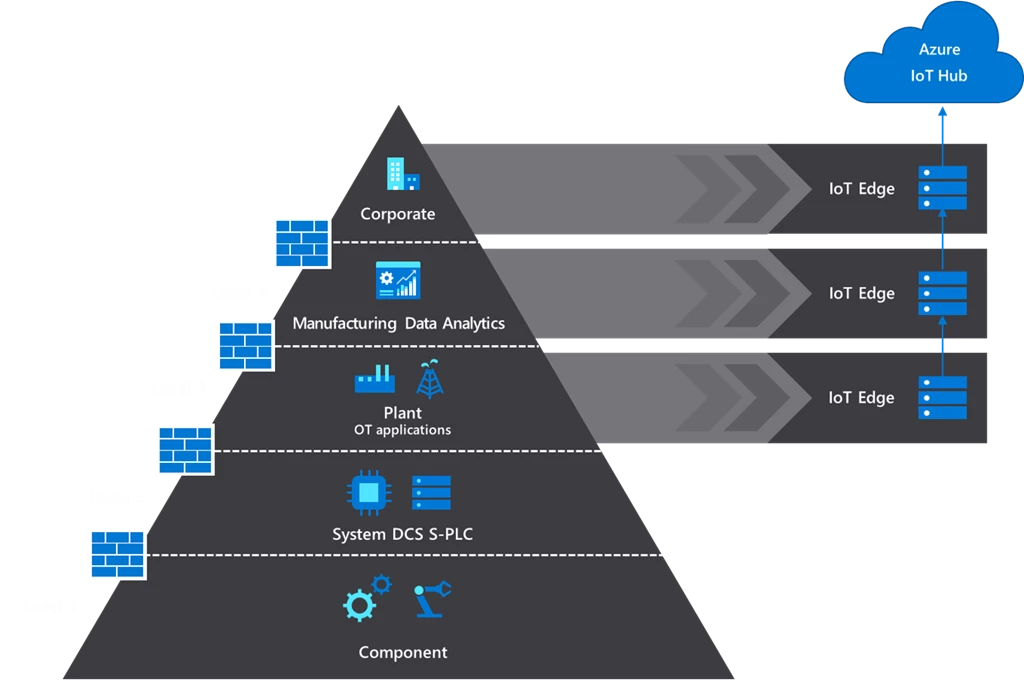
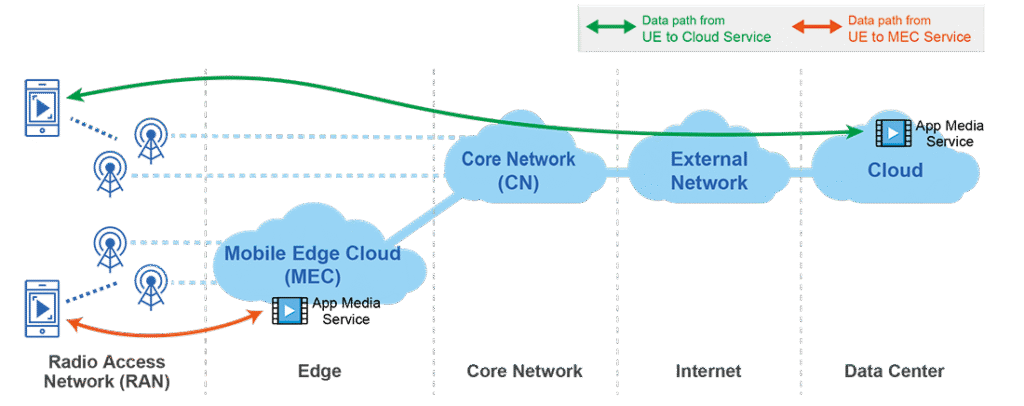
India’s rapid rollout of 5G has catalysed interest in edge computing—bringing compute power closer to where data is generated.
Why Edge Matters in 2026
- Low Latency Requirements: Real‑time processing is crucial for autonomous robotics, quality inspection systems, and AR/VR‑based training platforms.
- Bandwidth Optimisation: Edge processing reduces the load on central networks by handling data locally before sending key insights upstream.
Sector Applications
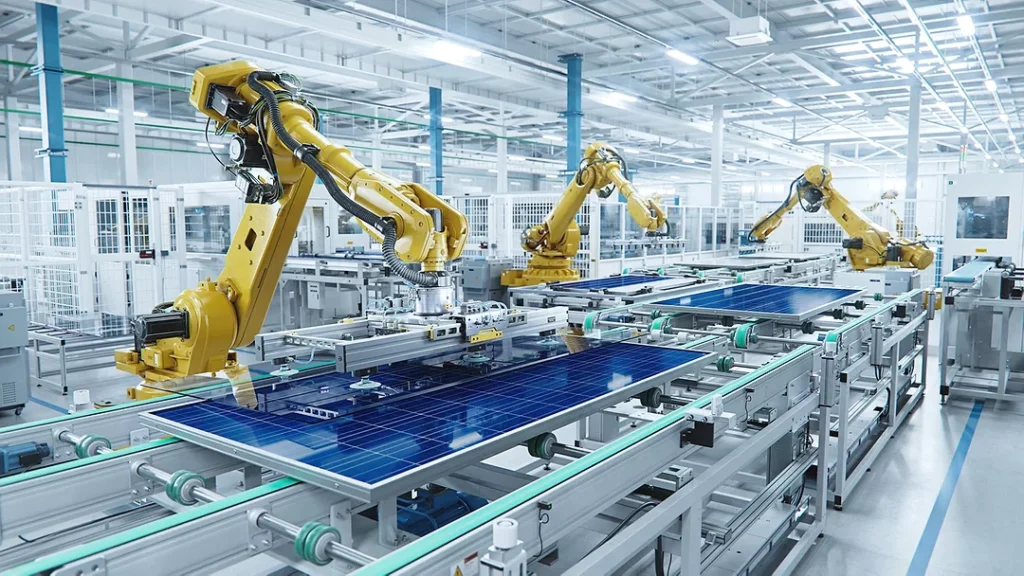
- Smart factories leveraging edge devices to optimise assembly lines and power robots with deterministic control loops.
- Retail is implementing edge AI for real‑time customer behaviour analytics and inventory tracking.
- Agriculture using edge nodes with sensors and drones to analyse soil moisture and crop health instantly.
This combination of 5G + Edge is helping businesses deliver faster, more resilient, and more secure digital services—essential for industrial-scale‑ups.
3. Cloud‑Native Everything: Modernizing Enterprise IT
By 2026, cloud adoption has evolved from lift‑and‑shift to cloud‑native computing—emphasising scalable, resilient, and agile IT systems.
Key Patterns
- Kubernetes and Microservices: Enterprises are breaking monolithic systems into microservices, accelerating deployment cycles.
- Hybrid and Multi‑Cloud Strategies: Organizations balance public cloud scale with on‑premise control for sensitive workloads.
- Serverless Computing: Event‑driven applications are becoming more common, reducing infrastructure overhead.
Outcomes
Cloud‑native technologies are reducing time‑to‑market, enabling continuous integration/continuous deployment (CI/CD), and promoting innovation through reusable components and APIs.
Environmental sustainability is no longer a corporate social responsibility gimmick—it’s embedded in business strategy.
Climate Tech Priorities
- Renewable Energy Integration: Solar, wind, and hybrid power solutions are being paired with smart grid technology to stabilise supply.
- Carbon Capture and Monitoring: Industries are deploying sensors and analytics to monitor emissions in real time.
- Sustainable Manufacturing: AI, IoT, and robotics are optimising energy usage and minimising waste in factories.
Policy and Business Drivers
Government incentives, ESG (Environmental, Social, and Governance) mandates, and global supply chain expectations are accelerating climate tech investments.
As digital adoption surges, so do cyber threats. In 2026, analysts highlight Zero Trust Architecture as the foundation of modern security.
Key Trends
- Zero Trust: “Never trust, always verify” policies are replacing perimeter‑based firewalls.
- AI‑Assisted Security: Machine learning models detect anomalies and flag potential breaches before damage occurs.
- Identity and Access Management (IAM): Multi‑factor and biometric authentications are becoming standard.
Security is no longer a back‑office function — it is a business imperative that protects reputation, customer trust, and compliance.
5. Quantum Computing: From Theory to Industry Pilots
As digital adoption surges, so do cyber threats. In 2026, analysts highlight Zero Trust Architecture as the foundation of modern security.
Key Trends
- Zero Trust: “Never trust, always verify” policies are replacing perimeter‑based firewalls.
- AI‑Assisted Security: Machine learning models detect anomalies and flag potential breaches before damage occurs.
- Identity and Access Management (IAM): Multi‑factor and biometric authentications are becoming standard.
Security is no longer a back‑office function — it is a business imperative that protects reputation, customer trust, and compliance.
6. Quantum Computing: From Theory to Industry Pilots
While quantum computing is still emerging globally, India’s research institutions and enterprises are exploring practical experiments and pilots.
Why Quantum Now?
Quantum promises exponential speedups in optimisation, simulation, and cryptography — particularly valuable for logistics, finance, and materials research.
Indian Context
Several public‑private collaborations are underway to build quantum ecosystems—from hardware development to workforce training and algorithm design.
Practical Uses on the Horizon
- Supply Chain Optimisation: Pinpointing optimal routes in complex networks.
- Drug Discovery: Simulating molecular structures faster than classical computing.
- Secure Communications: Exploring quantum key distribution.
Though still nascent, quantum R&D positions India for leadership in next‑generation computing.
7. Web3, Blockchain, and Token‑Based Innovation
Blockchain in India has evolved from crypto‑centric hype to real business utility.
Practical Use Cases
- Supply Chain Traceability: Immutable ledgers enhance transparency from source to consumer.
- Smart Contracts: Automated agreements reduce friction in B2B transactions.
- Digital Identity & Credentials: Secure, verifiable digital IDs for education and professional qualifications.
Businesses are integrating blockchain with existing systems — moving beyond token speculation to operational outcomes.
8. Digital Skills and Workforce Transformation
Technology adoption is only as effective as the human capital that drives it. In 2026, India’s workforce is undergoing a massive transformation.
Trend Drivers
- Upskilling Initiatives: AI, cloud, cybersecurity, and data literacy are priority areas.
- Industry‑Academia Partnerships: Universities, startups, and corporates collaborate to build talent pipelines.
- Hybrid Workforce Models: Remote and distributed teams are common, powered by digital collaboration tools.
Policy support and private sector investments are helping bridge the tech skills gap.
Conclusion
India’s technology landscape in 2026 is defined by maturity, integration, and impact. The transition from experimentation to enterprise‑grade deployments is evident across AI, cloud, edge computing, sustainability, and cybersecurity.
As companies embrace these trends, India is not just adapting globally proven technologies — it is creating homegrown solutions tailored to local complexity and scale. The convergence of technology with policy, skills, and innovation ecosystems sets the stage for a transformative decade ahead.