



Plastic found in elephant dung in Karnataka forests has raised alarm among conservationists and environmental experts across India. The discovery of plastic found in elephant dung in Karnataka forests clearly shows that pollution has penetrated even deep and protected wildlife habitats. This troubling evidence highlights the urgent need to address plastic waste management before long-term ecological damage becomes irreversible.. This alarming discovery highlights the growing intrusion of plastic pollution into even the most remote and ecologically rich landscapes. The issue not only signifies broader challenges in waste management and human-wildlife conflict, but it also underscores the dangers that plastic poses to biodiversity, forest health, and ecological balance.
This article delves into the causes, implications, and solutions to this emerging environmental concern — offering a comprehensive look at why the presence of plastic in elephant dung matters far beyond sensational headlines.
The Discovery: What Happened in Karnataka’s Forests
Forest officials and wildlife researchers have been studying elephant movement and diet in Karnataka’s dense forest corridors, particularly in the Western Ghats and adjoining dry deciduous forests, which are home to several large elephant herds.
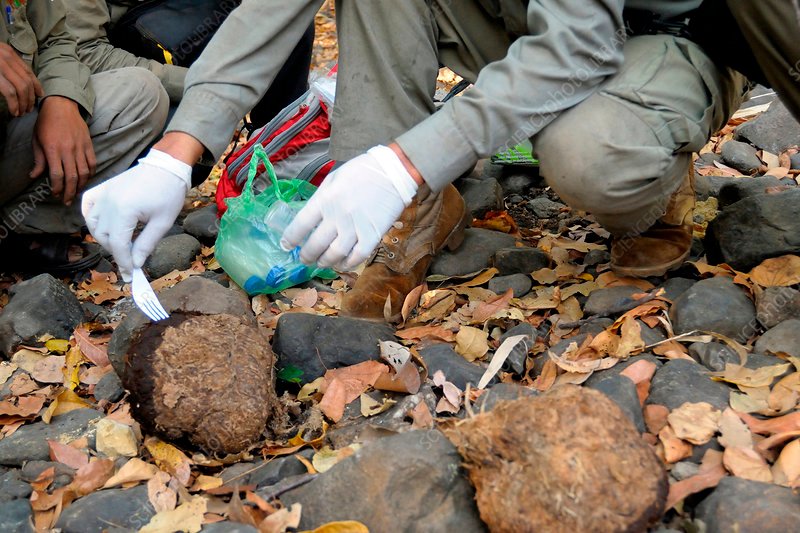
During routine scat analysis and monitoring in areas far from human settlements, researchers began finding unmistakable fragments of plastic and synthetic material in elephant dung. This was not limited to microplastics — pieces of plastic packaging, wrappers, and other visible debris were retrieved from the dung samples, indicating ingestion of waste items.
The presence of such materials inside elephants hundreds of kilometres away from towns and villages suggests that plastic waste is not remaining where it’s generated—instead, it’s moving with animals, watercourses, and even wind into deep forest interiors.
Why Elephants Are Eating Plastic
Elephants are herbivores with a broad diet that includes grasses, leaves, fruits, bark, and roots. They also travel long distances daily in search of food. Several factors contribute to their inadvertent ingestion of plastic:
1. Mistaking Plastic for Food
Ripe fruits may be wrapped or contaminated with plastic wrappers. Elephants feeding on such fruits can accidentally ingest the packaging.
2. Foraging Near Garbage Dumps Along Forest Edges
In many forest fringe areas of Karnataka, waste disposal sites — including informal dumpsites — are just outside protected forests. Elephants, drawn by the smell of food waste, visit these sites and end up consuming plastic mixed with organic waste.
3. Contaminated Water Sources
Plastic waste in water bodies — streams and seasonal pools inside forests — can end up being accidentally consumed as elephants drink or forage in shallow water.
The Scale of the Problem
What makes this discovery particularly concerning is the pervasiveness of plastic waste:
- Plastic packaging for food and beverages
- Plastic bags and wrappers
- Synthetic fibers
- Microplastic fragments from degraded larger plastics
These are all turning up not only in dung but also in soil and water samples across forest landscapes.
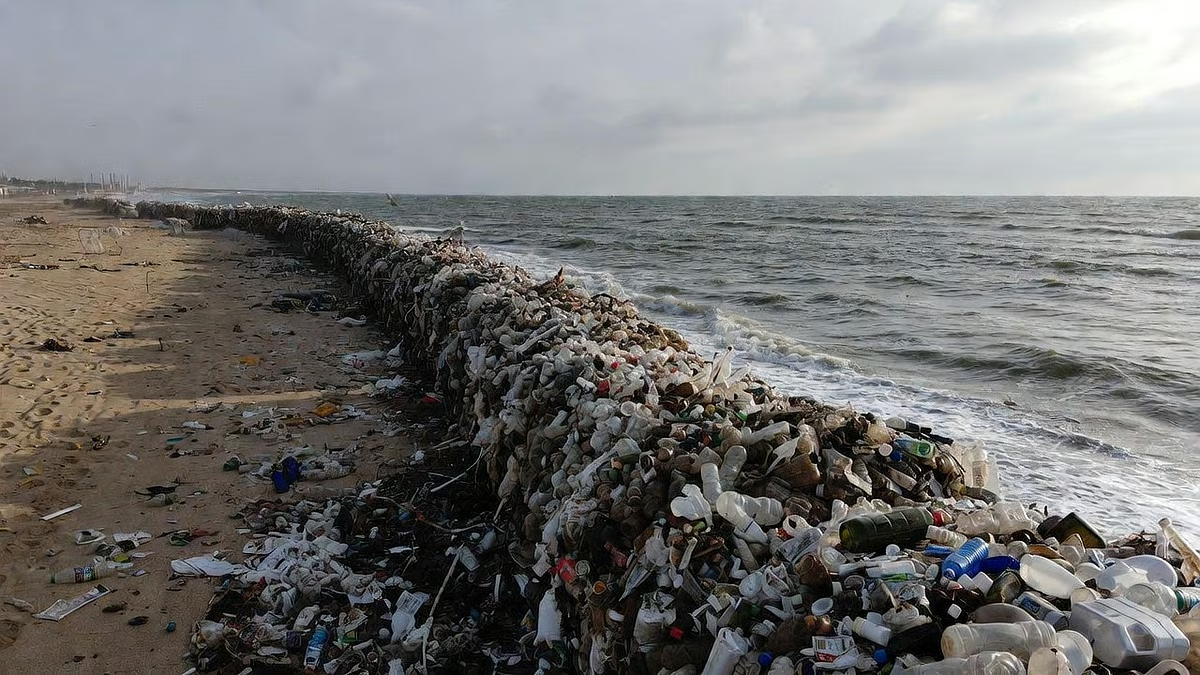
Plastic is lightweight, highly mobile, and does not biodegrade easily. Instead, it breaks down into smaller pieces (microplastics and nanoplastics) that can persist in the environment for hundreds of years and enter food chains.
Health Impacts on Elephants and Wildlife
Plastic ingestion carries a range of potential health risks:
1. Digestive Blockages
Large pieces of plastic can cause blockages in the digestive tract, leading to pain, reduced appetite, and serious gut issues.
2. Toxic Exposures
Plastics contain chemical additives (e.g., phthalates, BPA) that can leach and cause harm when ingested. These chemicals are linked to hormonal disruption in animals.
3. Reduced Nutrient Absorption
Even small plastics embedded in food can reduce an animal’s ability to absorb nutrients properly.
4. Secondary Ingestion
Herbivores eating contaminated foliage can pass plastic segments into the food web, affecting predators and scavengers too.
While research is ongoing, similar issues have been documented globally, from sea turtles mistaking plastics for jellyfish to birds feeding plastic pieces to chicks. Now the phenomenon is entering terrestrial megafauna ecology.
Forest Ecosystems Under Pressure
The presence of plastic in elephant dung is a symptom of a much larger environmental crisis:
1. Plastic Pollution Reaching Remote Areas
What used to be considered untouched forests are now far from pristine. Plastic particles have been found deep inside ecosystems once thought safe from human waste.
2. Disruption of Natural Processes
Elephants are ecosystem engineers—their dung helps seed dispersal and nutrient cycling. Plastic-laden dung can alter decomposition rates, impact soil health, and potentially introduce pollutants to plant communities.
3. Impact on Other Species
Dung-dependent organisms like dung beetles, insects, and soil microbes may be negatively affected by plastic contamination, disrupting key ecological processes.
Root Causes: How Plastic Enters Forest Landscapes
To solve the problem, we must understand how plastic waste reaches even the most remote forest interiors.
1. Poor Waste Management Near Forest Peripheries
Many villages and towns bordering forests lack proper segregation, collection, and disposal systems. Plastic waste often accumulates in open areas.
2. Illegal Dumping
Unsanctioned dumping of municipal, commercial, and industrial waste feeds plastic into adjacent forest landscapes.
3. Human-Wildlife Interface Zones
As elephants and other wildlife move through buffer zones, they encounter places where humans discard food waste mixed with plastics.
4. Monsoon Runoff and Water Transport
Rainwater washes plastics from settlements into streams that flow deep into forests, dispersing plastics over wide areas.
Human Activities Exacerbating the Issue
While plastic use is ubiquitous, certain human behaviours elevate the risk:
- Littering of food wrappers and disposable plastics along popular forest paths
- Inadequate waste segregation at tourist spots in forests and wildlife reserves
- Unauthorized burning or burying of waste that still leaves plastics behind
- Lack of local recycling and recovery infrastructure
These actions collectively contribute to plastics roving far from their origin.
Solutions: What Can Be Done
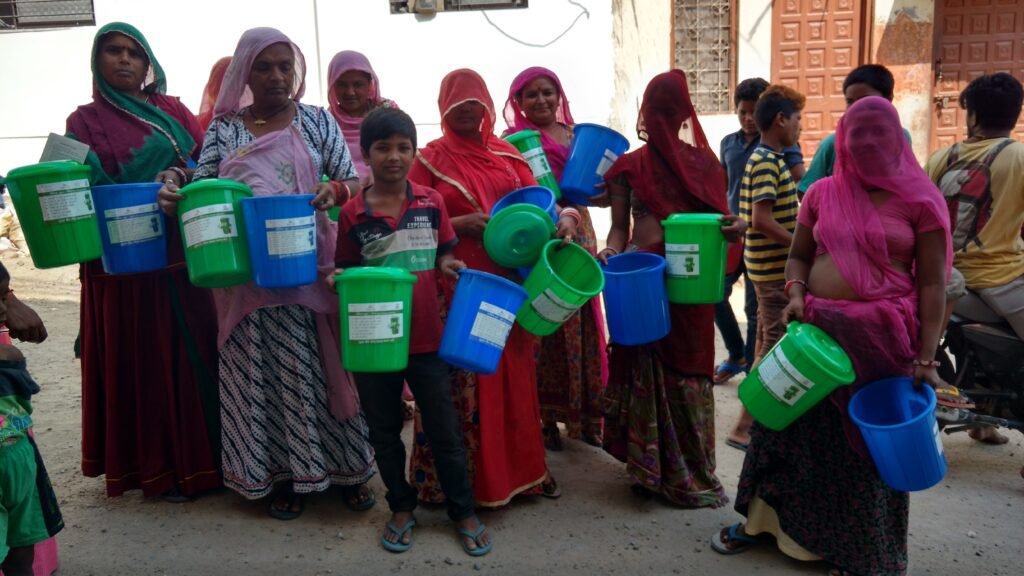
1. Strengthening Waste Management Systems
- Establish segregation at source in forest-fringe communities.
- Build community collection points and tie-ups with recyclers.
- Ensure proper disposal of non-biodegradable waste.
2. Community Awareness and Education
- Awareness drives in villages around forests to reduce plastic use.
- Training for local stakeholders on responsible waste disposal.
- Eco campaigns for tourists and forest visitors.
3. Safe Waste Buffer Zones
- Create designated buffer zones outside forests where waste is strictly controlled.
- Barrier systems to prevent animals from accessing waste piles.
4. Forest Cleanup Drives
- Regular cleanups by NGOs, forest departments, and volunteers.
- Mapping and removal of plastic hotspots along forest trails and water sources.
5. Policy Interventions
- Ban on single-use plastics in sensitive ecological zones.
- Enforcement of Extended Producer Responsibility (EPR) to manage plastic at source.
Voices from the Field
Wildlife researchers involved in scat analysis and forest monitoring have expressed concern. One scientist noted that finding plastics in dung deep in forests was “a clear indicator that pollution boundaries have collapsed”—meaning that no place is truly shielded from human impacts.
Forest officials have also called for urgent inter-agency coordination to tackle the plastic menace, involving the forest department, local administration, and community groups.
Why This Matters Beyond Elephants
Elephants are a keystone species — animals whose presence and well-being influence entire ecosystems. When elephants ingest plastic, it signals a broader ecological threat: https://www.unep.org/plastic-pollution
- Trophic transfer: Predators and scavengers may ingest plastics indirectly through prey.
- Soil contamination: Persistent plastics can alter soil structure and microbial balance.
- Water quality degradation: Plastics in streams affect amphibians, fish, and aquatic plants.
In essence, protecting elephants from plastic ingestion is synonymous with protecting entire habitats.
What This Discovery Means
The discovery of plastic in elephant dung deep inside Karnataka forests is more than a news item — it is an environmental alarm bell. It highlights how pervasive plastic pollution has become, threatening wildlife, ecosystems, and ultimately human well-being.
Our response must be collective, urgent, and sustained. From reducing single-use plastics to strengthening waste infrastructure, every step counts. Most importantly, this issue compels us to rethink how we live, produce, consume, and dispose of plastics—not just at forest edges, but everywhere.https://yourwebsite.com/plastic-pollution-impact-on-wildlife