



Location: North India (Delhi‑NCR, Uttar Pradesh, Bihar, Himachal Pradesh, Uttarakhand, Jammu & Kashmir, Punjab, Haryana, Rajasthan)
Welcome to our comprehensive coverage of Trending News India Today. Here, you’ll find the latest updates from politics, business, entertainment, sports, and more. Stay informed with accurate, real-time news summaries, so you never miss the headlines that matter most across India. http://Weather Updates IndiaThe India Meteorological Department (IMD) has issued multiple alerts, advising citizens to prepare for sudden weather changes over the coming week.
What Are Western Disturbances?
Western Disturbances are low‑pressure weather systems that originate over the Mediterranean and travel eastward toward North India. During the winter season, these systems interact with cold continental air, causing cloud build‑up and precipitation. Their arrival often marks a shift from cold, dry weather to cloudy skies, rain in the plains, and snowfall in the Himalayan belt. These weather systems are among the most influential factors determining winter weather for North India.
Current Situation: Two Active WDs in Quick Succession
This week, meteorologists have observed the formation of two western disturbances in quick succession across the Northwest Himalayan region. Both systems are expected to influence weather patterns across the plains and hills until late January. According to today’s forecasts and warnings from IMD:
- Moderate to heavy rainfall is likely in parts of the plains, especially over Punjab, Haryana, Uttar Pradesh, and western Bihar.
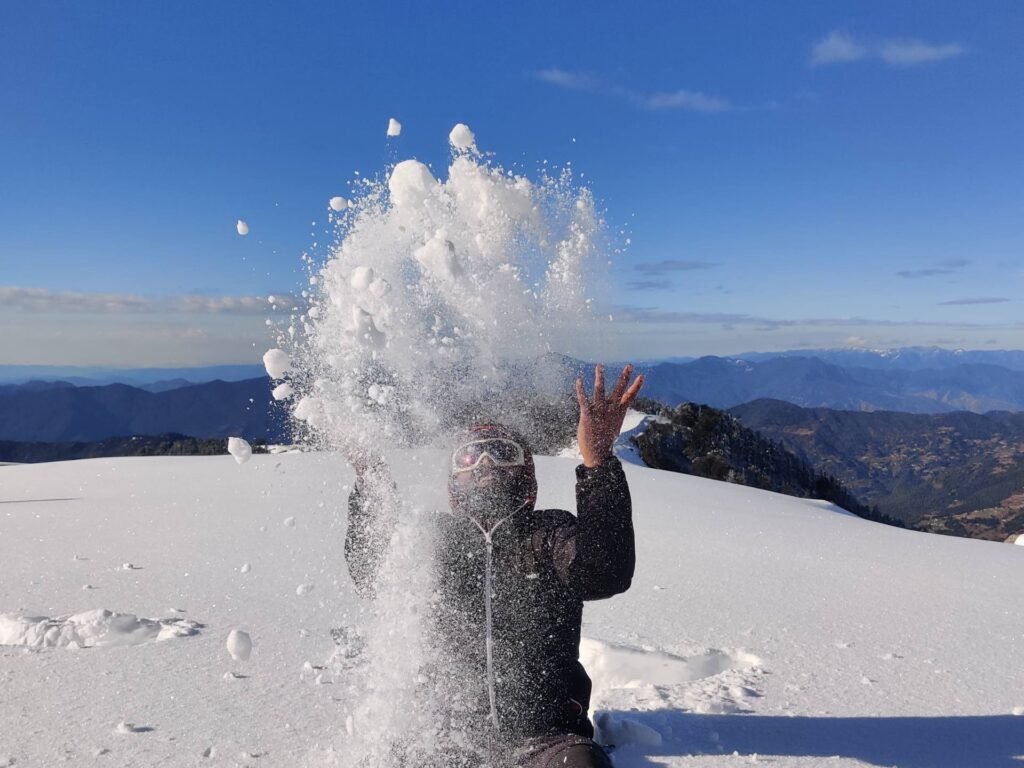
- Snowfall is expected in the higher elevations of Jammu & Kashmir, Himachal Pradesh, and Uttarakhand, particularly over the mountains and northern hill zones.
- Dense fog returns to the plains, reducing visibility drastically in early mornings and raising concerns for commuters and transport operations.
Such successive disturbances can amplify precipitation episodes and deepen cold conditions, making the winter season harsher in affected regions.
Rain and Snow: What’s Forecasted Where?
Himalayan Region
In the higher reaches of the Himalayas—including Ladakh, Jammu & Kashmir, Himachal Pradesh, and parts of Uttarakhand—the influence of the active systems will bring:
- Light to moderate snowfall at higher elevations
- Rain in lower hill areas
- Potential travel disruptions due to icy roads and snow‑covered passes
These conditions are typical with western disturbances, and snowfall at higher altitudes can improve winter tourism but also demand careful travel planning due to slipperiness and avalanche risk.
Plains — Delhi, Punjab, Haryana, Uttar Pradesh
Across the northwestern plains, including Delhi, Punjab, Haryana, and western Uttar Pradesh, rain showers may persist intermittently over the next 2–3 days. Though rainfall in plains is expected to be generally moderate, transient showers and localized thunderstorms could disrupt outdoor activities and commuter plans.
Delhi‑NCR — which has endured weeks of cold and fog — might also see light rain or drizzle on some days, particularly in late afternoon or evening, as cloud cover increases with WD influence.
Eastern Plains — Bihar & Jharkhand
Regions like Patna, Gaya, Bhagalpur, and adjoining areas in Bihar and Jharkhand are forecast to continue experiencing low visibility due to fog. While rainfall is not as consistent here as in the northwest, patchy showers cannot be ruled out as the western disturbances move eastwards.
Dense Fog’s Return: Reduced Visibility & Travel Challenges
One of the biggest weather disruptors during this period is dense fog, particularly over:
- Delhi‑NCR
- Eastern Uttar Pradesh
- Bihar (Patna, Gaya, Bhagalpur)
- Parts of Rajasthan and Madhya Pradesh
Reports from weather forecasters indicate very poor morning visibility across these regions, with persistent fog expected to linger for several days as humidity increases and wind conditions calm down overnight.
Such conditions impact all modes of transport:
- Air Travel: Delays and cancellations due to low visibility during take‑off and landing
- Rail Travel: Trains running late as driver visibility declines
- Road Traffic: Slower movement and higher risk of accidents — especially on highways during dawn and dusk hours
Fog advisory warnings now urge drivers to use fog lights, maintain safe distances, and avoid unnecessary night travel when visibility drops below 200 metres.
Cold Wave and Temperature Trends
Alongside these weather events, a cold wave persists across northern plains, with night temperatures remaining well below average for January. Cities across Punjab, Haryana, and Uttar Pradesh continue to record near‑freezing morning lows. These cold spells, intensified by calm winds and clear nights just before cloud cover increases, have kept residents bundling up in warm clothes.
Even with rainfall and cloud cover, low daytime temperatures are expected to continue in many states. This means that residents and authorities alike must stay prepared as the winter season extends its grip.
Precautionary Advice from Meteorological Authorities
With these weather developments in play, the IMD and local authorities have issued several advisories:
Stay Updated: Check daily forecasts for sudden changes in rain or fog intensity.
Travel Safety: Plan travel with extra time, especially for early morning movement.
Road Safety: Use fog lights and fog reflectors, and maintain a safe speed during low visibility.
Flights & Trains: Expect possible delays — keep in regular contact with transport services.
School & Work: Authorities in some districts may adjust schedules if severe fog or weather hazards persist.
Citizens in hilly areas are also advised to exercise caution due to snow and slippery surfaces, and travellers should carry adequate warm gear and emergency kits.
Conclusion: A Dynamic Weather Phase Across North India
The current phase of active western disturbances — accompanied by rain, snowfall, and dense fog — highlights the complexity of North India’s winter weather. While these systems are natural parts of the seasonal cycle, their impacts can be significant:
- Travel disruptions
- Health issues due to cold and fog
- Agricultural implications from both rainfall and frost
- Daily life interruptions
Understanding these weather patterns and preparing accordingly can help communities stay safe and resilient. With IMD forecasts updating continuously, residents are encouraged to stay informed and adaptive as the winter season unfolds.