



Nearly 40% of a commercial building’s energy use comes from HVAC systems. Small changes in design can lead to big savings. This is why we focus on Mechanical Engineering in AI Era solutions.
Artificial Intelligence in Mechanical Engineering is changing HVAC and MEP design. Engineers use CAD, Revit, IES, and BIM with machine learning. This improves energy efficiency, indoor air quality, and modularity.
Ioannis Kalfagiannis at Arup is a great example. He has a background in energy and sustainability, and mechanical engineering. He uses AI in large projects worldwide. His work shows the importance of cross-disciplinary skills.
We talk about practical design techniques. These include value engineering and detailed energy modelling. Modular plate heat exchanger additions also help reduce costs and carbon emissions.
For those looking for local partners, CONSAC offers HVAC consulting and sustainable design. We believe in working together to make HVAC design more efficient and sustainable.
The Role of Mechanical Engineering in the AI Era
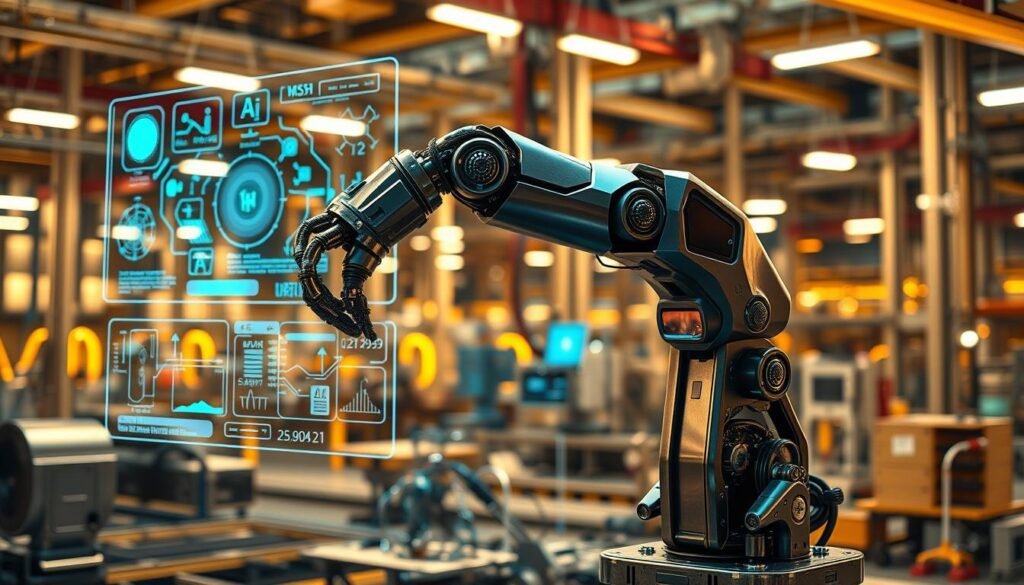
We look at how engineering is changing with data and algorithms. Mechanical Engineering in AI Era uses digital tools like BIM and Revit. These tools help with tasks every day.
They work alongside rules like ASHRAE and NFPA. Engineers must meet these standards while aiming for the best results.
Understanding Mechanical Engineering Today
Design has moved from paper to software. Tasks like thermal load calculations and equipment selection are now done with models. This makes work faster and more accurate.
In India, engineers face challenges with dense cities. Tools like IES help test ideas before starting work. This approach saves money and time.
The Intersection of HVAC and AI
AI improves HVAC by predicting energy use and air quality. Systems adjust based on how people use spaces. This makes them more efficient.
AI also helps find problems and keep people comfortable. It suggests when to do maintenance, saving time and money.
How AI Transforms Traditional Engineering
AI automates tasks like finding clashes and suggesting routes. It also does repetitive checks. This frees up time for more creative work.
Generative design offers many options quickly. Digital twins test different scenarios. This helps make better designs and supports new ways of working.
| Area of Impact | Traditional Method | AI-Enabled Method |
|---|---|---|
| Design Iterations | Manual CAD revisions over weeks | Generative design explores dozens of alternatives in hours |
| Energy Modelling | Single-case simulation runs | Batch simulations and optimisation via digital twins |
| Coordination | Manual clash detection and site rework | Automated clash reports and routing suggestions |
| Maintenance | Reactive or schedule-based servicing | Predictive maintenance driven by sensor analytics |
| Project Risk | Costly surprises during construction | Scenario testing reduces cost and schedule risk |
Innovative HVAC Technologies
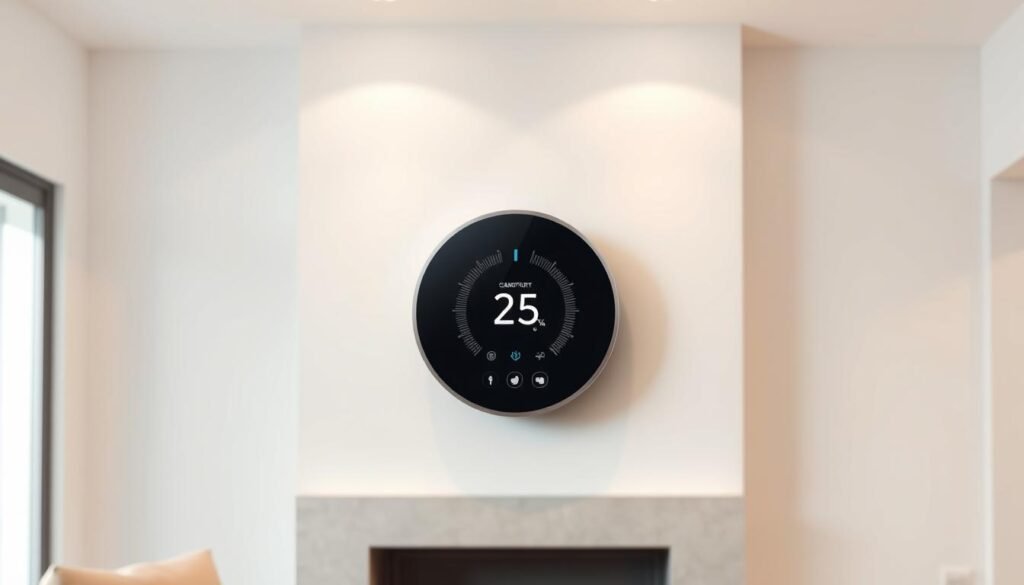
We look at new HVAC systems for commercial buildings in India. These systems use less energy, work better, and respond to people’s needs. They are part of smart building projects and updates.
Smart Thermostats and Control Systems
IoT devices like Nest and Honeywell adjust ventilation and temperature based on who’s there. They work with building systems to control zones and schedules.
With AI, these systems learn and adjust. This means less work for teams and more focus on planning.
Energy Efficiency Improvements
Choosing the right size for equipment and using energy models helps pick the best systems. Experts suggest using efficient boilers and air units that match cooling needs.
Using smart drives on fans and pumps, and energy recovery systems cuts costs and carbon. Automation helps save energy when not needed.
Predictive Maintenance Solutions
Sensors on equipment send data to AI for analysis. This helps spot problems before they start.
Predictive maintenance reduces downtime and improves equipment performance. It makes maintenance proactive and measurable.
| Technology | Primary Benefit | Typical Components | Implementation Impact |
|---|---|---|---|
| Smart Thermostats | Occupant comfort and peak load reduction | IoT sensors, wireless thermostats, BMS integration | Faster commissioning; lower energy bills; adaptive schedules |
| Variable-Frequency Drives | Energy savings on pumps and fans | VFD controllers, motor feedback, control logic | Reduced motor wear; smoother control; lower running costs |
| Energy Recovery Ventilation | Reduced heating and cooling load | Heat exchangers, dampers, filtration | Improved IAQ; smaller HVAC capacity required |
| Predictive Maintenance | Fewer unplanned outages; lower lifecycle cost | Sensors, ML models, CMMS integration | Targeted repairs; longer equipment life; data-led budgets |
| Modular MEP Systems | Faster retrofits; lower embodied carbon | Prefabricated units, modular piping, standard panels | Shorter downtime; scalable upgrades; easier maintenance |
AI-Driven Design Processes
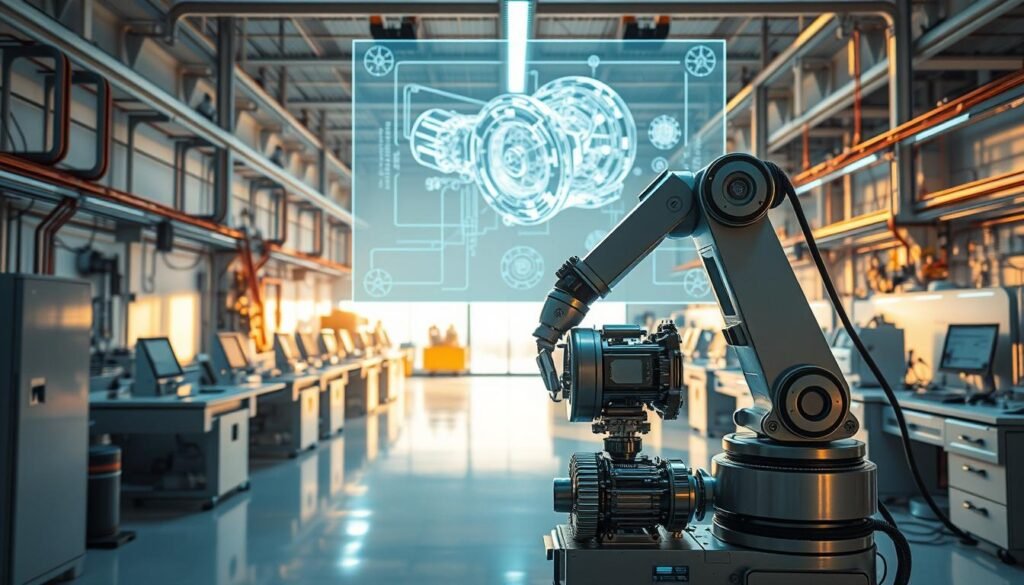
We look at how artificial intelligence changes design in mechanical engineering. We focus on tools and methods that help teams work faster. They can test more scenarios and create HVAC solutions for India’s different climates.
Advanced Simulation Techniques
Digital twins and advanced energy modeling let us test thermal loads and airflow before we start building. Tools like IES, Revit with AI plugins, and Autodesk Generative Design help with virtual testing.
These tools speed up our work. We test many scenarios, compare them, and improve our designs. This makes AI key to reducing risks and speeding up projects.
Optimizing System Efficiency
Machine Learning in Mechanical Engineering helps us balance costs, space, energy, and air quality. Algorithms create many designs and find the best ones for each trade-off.
For updates, we use energy modeling and value engineering to avoid big mistakes. We pick equipment and control logic that save money and meet goals.
Customizing Solutions for Diverse Needs
AI lets us create modular HVAC parts for different places like schools and factories. Systems adjust to how people use them and the local weather.
In India, we use AI to focus on solar cooling and waste-heat recovery where it makes sense. For updates, we suggest easy and affordable changes with little disruption.
We mix digital simulation, machine learning, and expert knowledge from companies like Trane and Daikin. This way, we create designs that work well in real life.
Real-Time Data Utilization
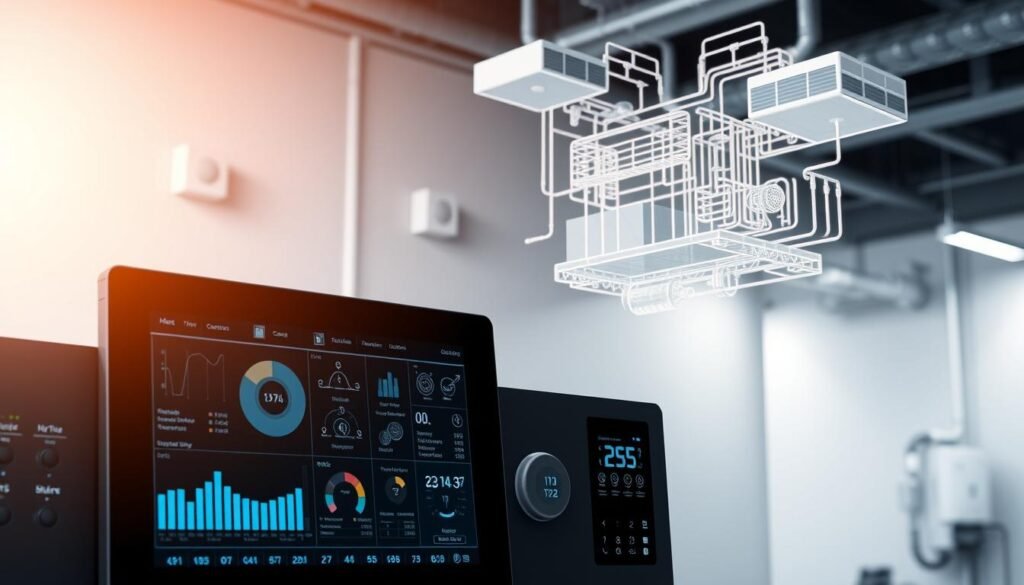
We use ongoing data to make HVAC systems better. Sensors send real-time info to AI models. This helps teams in India and worldwide make smart choices.
Importance of IoT in HVAC Systems
Modern HVAC control relies on sensors for temperature, humidity, CO₂, and occupancy. IoT makes zonal control and demand-based ventilation possible. It also reduces site visits and helps spot issues early.
Analyzing Data for Better Performance
Data flows into analytics platforms and machine learning tools. These tools detect faults and optimize systems. They work with building management systems for quick updates, thanks to AI.
Enhancing Customer Experience through Feedback
Feedback and sensor data improve setpoints and air quality. We balance comfort with health protection. This boosts satisfaction and supports smart maintenance and commissioning.
Automation and AI bring clear benefits. They reduce costs, improve comfort, and speed up repairs. These outcomes help building owners and managers.
| Use Case | Data Sources | Benefit | Typical Outcome in India |
|---|---|---|---|
| Demand-based Ventilation | CO₂, occupancy, outdoor air | Reduced energy use, better IAQ | Lower cooling bills and healthier offices |
| Predictive Maintenance | Vibration, current, runtime logs | Fewer breakdowns, planned repairs | Reduced downtime for commercial properties |
| Remote Commissioning | System telemetry, setpoints, user feedback | Faster tuning, fewer site trips | Cost savings for building projects |
| Occupant Comfort Optimization | Temperature, humidity, surveys | Higher satisfaction, tailored control | Improved productivity in workplaces |
Sustainability in Mechanical Engineering

We look into how smart design and AI controls reduce energy and carbon emissions in buildings. Our goal is to highlight how AI is changing mechanical engineering in India and worldwide.
AI’s Impact on Energy Consumption
AI helps by optimizing energy use and adjusting HVAC systems to actual needs. This approach reduces energy consumption and prevents waste.
AI also helps in designing systems that use less energy. This means less carbon emissions from materials and operations.
Eco-Friendly Design Practices
We use AI to manage renewable energy sources like solar and geothermal. This balances energy supply and demand. We also use modular parts and energy recovery systems to improve efficiency.
AI lets us simulate and test designs before building. This approach reduces emissions and supports the use of more renewable energy.
Meeting Regulatory Standards
We follow rules from ASHRAE, NFPA, CIBSE, and Indian standards like IGBC and GRIHA. AI helps us meet these standards by optimizing designs and performance.
Local experts like CONSAC help us apply these standards in our projects. They ensure our AI solutions meet local energy and green-building rules.
Challenges in Mechanical Engineering
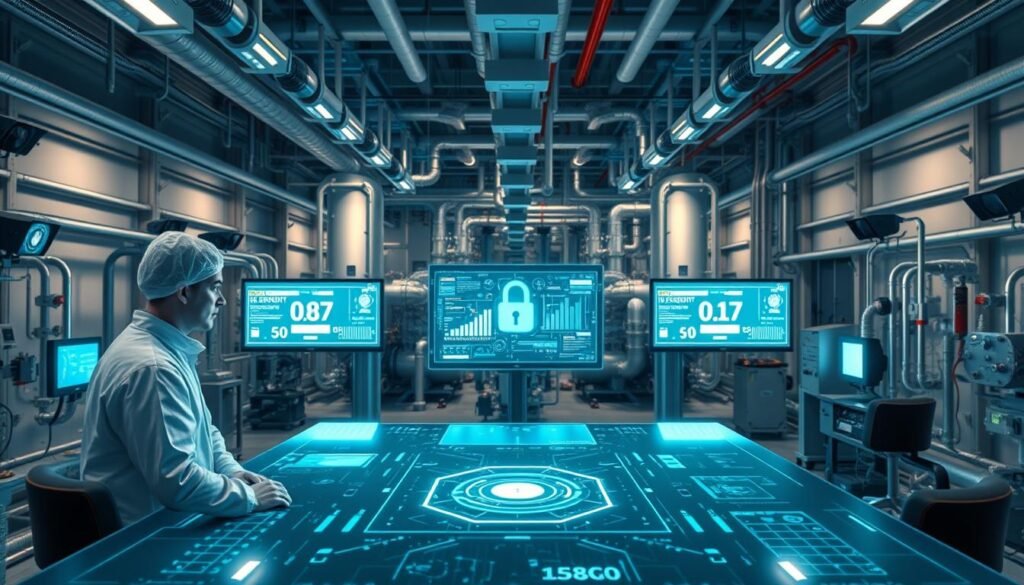
Adopting AI and modern workflows in mechanical engineering comes with challenges. Cultural resistance, cost issues, and old systems hinder progress in both big and small projects in India. A step-by-step approach helps teams test new ideas without disrupting work.
Architects, clients, and contractors have different priorities. They focus on form, budget, and schedule. To win them over, we need clear pilots and measurable results. We suggest starting with targeted pilot projects and showing clear savings to gain trust.
Skill Gaps in the Workforce
The move to BIM, AI tools, and connected systems reveals skill gaps in mechanical engineering. Engineers need to learn Revit MEP, BIM coordination, and basic data analytics. We support mentorship, short courses, and partnerships with training providers to bridge this gap.
Addressing Data Security Concerns
Connected devices and cloud analytics raise real security risks. These include privacy breaches, ransomware, and control-plane attacks. To ensure data security in mechanical engineering, we advocate for strong authentication, segmented networks, and secure BMS integration. We also push for defensive architecture and regular audits.
Robotics and automation in mechanical engineering promise efficiency but add complexity. In India, the old infrastructure and retrofit costs require modular upgrades. We recommend advisory partnerships with experienced consultancies like CONSAC to adopt these technologies responsibly.
- Practical step: run small pilots that measure energy savings and occupant comfort.
- Training step: combine vendor-led workshops with in-house mentoring.
- Security step: implement zero-trust access, encryption, and incident playbooks.
Future Trends in HVAC Design

We are at a turning point in HVAC design. It’s moving from just ductwork and chillers to systems thinking. Urban growth in India and global sustainability push engineers to rethink thermal comfort and energy flow. The Future of Mechanical Engineering with AI will change how we design, operate, and maintain buildings.
The Rise of Smart Buildings
Smart buildings will be responsive ecosystems. They will have automated shading, smart ventilation, and building management systems that adapt in real time. We will see automated dampers, VAV zoning, and modular MEP layouts connect through common data models.
This shift turns single systems into platforms. They learn occupant patterns and weather forecasts to balance comfort and efficiency.
Integration of Renewable Energy Sources
Solar PV, geothermal heat pumps, and waste-heat recovery will become standard with HVAC. Field work from firms like Kalfagiannis shows these projects are feasible and cost-effective. AI will decide when to store energy, when to draw from the grid, and when renewables should meet thermal loads for peak savings.
Embracing Automation in Engineering
Automation in mechanical engineering will remove repetitive tasks. Tools and Revit plugins for AI-driven MEP coordination speed design and reduce errors. Our role will shift toward oversight, interpretation, and creative engineering.
We will validate models, refine trade-offs, and craft resilient solutions for complex projects. Opportunities in India are urgent and vast. Rapid urbanization and rising sustainability rules create demand for AI-enabled, renewable-integrated HVAC projects in commercial towers and institutional campuses.
- Smart Buildings: adaptive controls, occupant-centric setpoints, and interoperable BMS.
- Integration of Renewable Energy Sources: coordinated thermal storage and PV-peaking strategies.
- Automation in Mechanical Engineering: faster MEP coordination, fewer design clashes, more design creativity.
We expect multidisciplinary teams to lead this transition. Controls engineers, architects, energy modelers, and data scientists will work together. The Future of Mechanical Engineering with AI will be less about replacing people and more about amplifying our ability to deliver efficient, comfortable, and low-carbon buildings.
Case Studies in AI-Enhanced HVAC
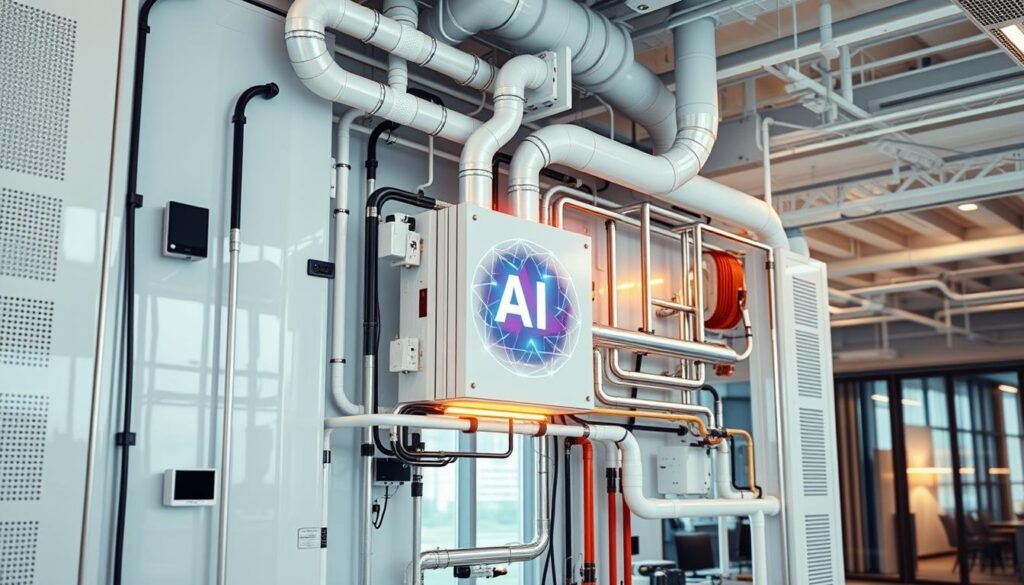
We share real-life examples of how AI changes HVAC systems. These stories are from different places like city buildings, drug factories, and fancy hotels. They show how AI saves energy, makes systems more reliable, and helps grow in India.
Success Stories Across Industries
In New York, a big building project used smart controls and AI to cut energy use. It also made the inside more comfortable. This was done by linking field sensors with AI in the HVAC system.
In Denmark, a big drug factory used digital twins and smart controls to make setup easier. This method is like using AI in Mechanical Engineering to test things virtually, saving money.
High-end hotels and training centers used smart chillers and AI for scheduling. This made their systems run better and saved money, which pleased the owners a lot.
Lessons Learned and Best Practices
Doing detailed energy models is key. It helps decide the right size and cost of projects. Using digital twins for virtual setup saves time and money.
Quick wins come from upgrading parts like drives and sensors. Performance contracts and clear goals keep everyone focused on the results.
Smooth handoffs between design and setup teams are important. AI in Mechanical Engineering helps by making all data one place.
The Role of Collaboration in Innovation
Good results come from working together in Mechanical Engineering. Engineers worked with architects and others to avoid problems during setup.
Tools like BIM platforms and Revizto or Verifi3D reduce design issues. Companies like Arup and Fulcrum Group show how teamwork speeds up and improves quality.
For projects in India, starting small and working with companies like CONSAC is a good idea. We suggest using performance contracts and starting small to make AI work in local settings.
Conclusion: The Future of Mechanical Engineering
We see a clear path ahead for mechanical engineering. It will be shaped by learning and better tools. By using BIM, Revit MEP, simulation software, and data analytics, we can improve projects.
Adopting these tools in pilot projects and then scaling them up is key. This approach will make mechanical engineering better with AI. It will also keep projects practical and easy to measure.
Being adaptable is vital as rules and tools change fast. We need to improve our soft skills like communication and problem-solving. Mentoring in India and worldwide helps bridge skill gaps.
Mentoring prepares teams for AI-driven innovations in Mechanical Engineering. This way, we can all get ready for the future.
AI is a game-changer for sustainability. It cuts down energy use and improves air quality. It also supports renewable energy and lowers costs.
Working with consultancies like CONSAC and tech vendors is important. They help mix local knowledge with global best practices. This mix makes buildings more resilient and efficient.
We invite engineers, students, and teachers to explore AI in their work. They should learn more about Revit MEP and AI tools. By working together, we can make Mechanical Engineering a creative and data-driven field.
This field will serve people and the planet better. It’s a chance to make a difference.