



A tragic incident in Jharkhand has resulted in the loss of at least 20 lives. This event draws attention to the ongoing issue of human-wildlife conflict. The attack shows the dangers when natural habitats meet human populations.
Experts stress the need for compassionate solutions. These solutions must ensure safety and promote wildlife conservation in human environments.
Overview of the Incident
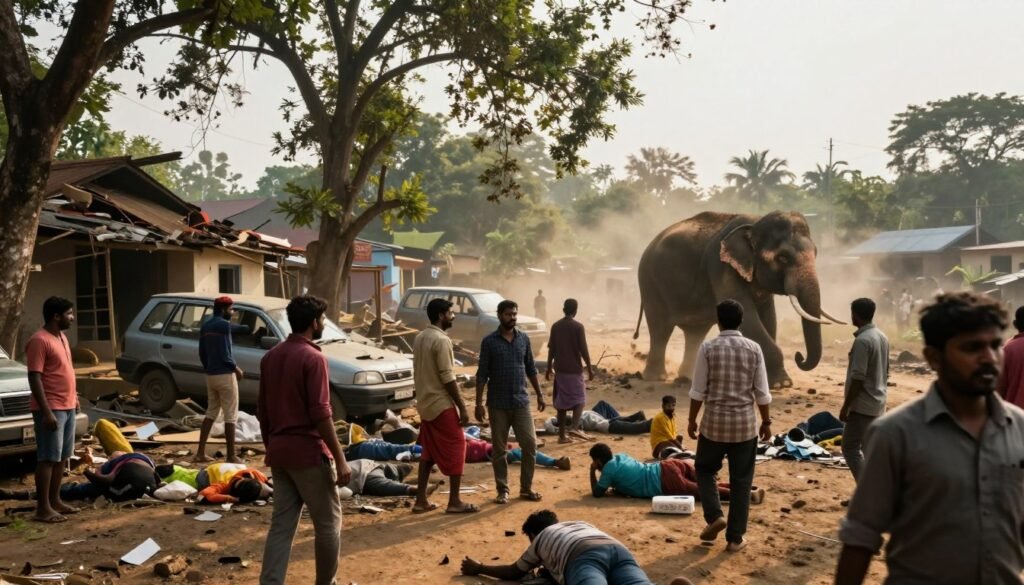
The recent wildlife attack in Jharkhand has shocked many. It shows how humans and animals are fighting more in the area. The elephant’s rampage led to many deaths and injuries.
People were in a state of panic as they tried to run away. This event is a sad reminder of the dangers of living near wild animals.
This incident is part of a bigger problem. More and more, people are facing violent encounters with wildlife. Each story from this event helps us understand what life is like near wild animals in Jharkhand.
| Date of Incident | Location | Casualties | Description |
|---|---|---|---|
| Recent Date | Jharkhand, India | At least 20 fatalities | Elephant rampaged through the area, instigating panic among local residents. |
Understanding Human-Wildlife Conflict
Human-wildlife conflict is a complex issue that affects both wildlife and local communities. Habitat disruption from urban growth and poaching makes encounters between humans and wildlife more common. This can lead to tragic events, like the recent attacks in Jharkhand.
Conservation groups stress the need for effective wildlife management. They say it should include local knowledge. This approach aims to educate communities on safe practices and deterrence methods. By understanding our complex relationship with wildlife, we can work towards sustainable coexistence.
| Factor | Impact on Human-Wildlife Conflict |
|---|---|
| Urban Expansion | Increased habitat loss for wildlife, leading to more encounters between humans and animals. |
| Poaching | Disruption of natural populations, causing stressed wildlife to venture into human territories. |
| Community Education | Empowers locals to implement safer practices, mitigating conflicts. |
| Wildlife Management Strategies | Help manage populations and reduce conflict through informed decision-making. |
Understanding these dynamics is key to better coexistence. The future involves strategic management and a community that respects wildlife. This will help ensure safe interactions between humans and animals.
Casualties from the Rampaging Elephant
A recent wildlife attack in Jharkhand has caused a lot of harm. At least 20 people have died, including children and the elderly. This event has deeply affected the community.
Many have been injured by the elephant and need medical help. Families are facing a lot of emotional pain. Parents are worried and sad about losing their children or seeing them hurt.
Health centers have reported a variety of injuries. This shows how dangerous the attack was. People of all ages were at risk.
| Age Group | Total Casualties | Injured Individuals |
|---|---|---|
| Children (0-14 years) | 8 | 4 |
| Adults (15-64 years) | 10 | 5 |
| Elderly (65 years and above) | 2 | 1 |
We need to support those affected by wildlife attacks. Community efforts can help victims and their families. They can aid in healing and recovery.
The Role of Wildlife Officials
After the sad elephant incident, wildlife officials play a key role. They quickly assess the situation and start managing it. Their goal is to keep everyone safe and take care of the elephant.
These experts have years of training. They know how to handle wild animals in emergency situations. This is very important.
Wildlife officials use tranquilizers to calm the rogue elephant. They watch the animal closely, thinking about the area and any dangers. This careful watching is critical in these urgent times.
They also teach the community about safety and elephants. By sharing knowledge, they reduce fear and improve how people and animals live together. Keeping in touch with the community is key to avoiding future problems.
Wildlife officials face big challenges. They have to deal with limited resources, unpredictable animals, and keeping people safe. They need constant training to be ready for emergencies and long-term wildlife management.
| Challenge | Wildlife Officials’ Response |
|---|---|
| Safety of Local Residents | Implementing swift action to tranquilize the elephant and educate the community |
| Wildlife Behavior Monitoring | Utilizing trained analysts to predict movements and minimize risks |
| Resource Limitations | Advocating for increased funding and support for training programs |
| Community Education | Hosting workshops and discussions to promote understanding and safety |
Impact on the Local Community
The recent rampaging elephant incident has left a big impact on the local community. People now live in fear, with their daily lives disrupted by wildlife attacks. This fear affects not just their minds but also their wallets.
Local farmers are worried about their crops. They fear that wildlife might damage their lands. The tourism industry is also suffering. Fewer people are visiting because they are scared.
Community leaders are working hard to help everyone stay safe. They want people to work together to handle wildlife encounters. In a recent meeting, one leader said,
“We must come together to ensure our safety while respecting our environment.”
This shows the importance of living in harmony with nature. It’s about finding a balance between staying safe and protecting wildlife.
| Impact Area | Description |
|---|---|
| Psychological | Increased fear and anxiety among local residents regarding possible wildlife attacks. |
| Agriculture | Threatened crops and reduced productivity impacting food security. |
| Tourism | Decline in visitor numbers affecting local businesses that rely on tourism for income. |
| Community Engagement | Heightened collaboration among residents to devise effective safety measures and share experiences. |
Rampaging Elephant: An Unprecedented Event
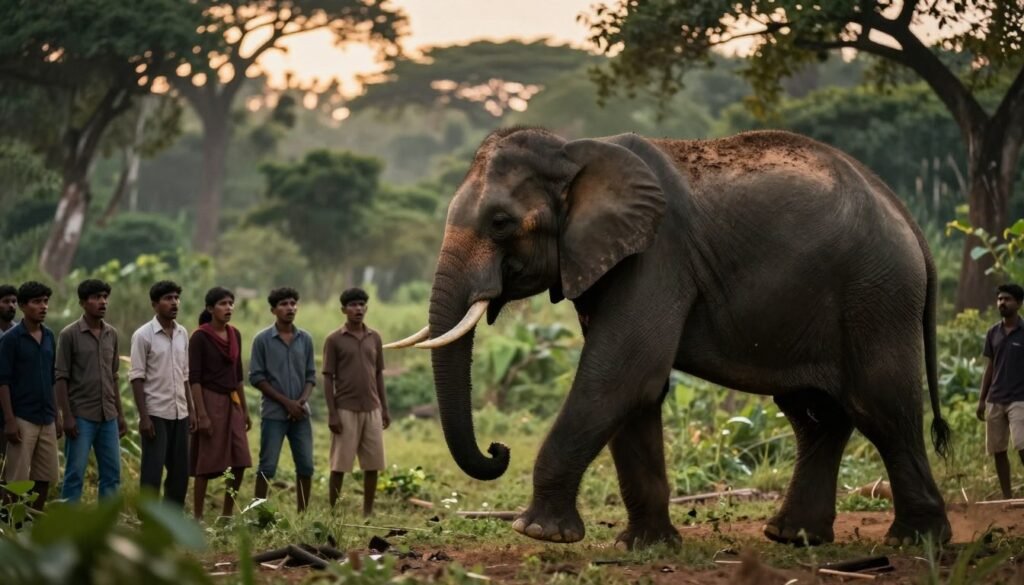
This rampaging elephant incident is a shocking event in the region. It has made wildlife experts very concerned. The elephant’s attacks have shocked the local people and shown big gaps in our wildlife management.
Looking back, we see that wildlife incidents are getting more common and intense. This is a big problem that needs urgent attention.
It’s important to understand how stress affects elephant behavior. Habitat loss and climate change make these animals more aggressive. They look for food and water in human areas, leading to dangerous encounters.
We need new and effective ways to solve this crisis. This will help protect both animals and people.
Wildlife attacks are happening more often. We must rethink how we live with animals. Working together, we can create a safe space for both humans and wildlife.
Response from Jharkhand Government
The Jharkhand government quickly responded to the elephant’s rampage. They are planning to make big changes to protect wildlife and keep people safe. These changes include making wildlife paths better to reduce conflicts between humans and elephants.
The government also sees the value in teaching communities about wildlife. They want to train people on how to stay safe around animals. This way, they hope to find a balance between human needs and nature’s protection.
Elephant Behavior and Aggression
Understanding elephant behavior is key in wildlife biology, focusing on aggression. Elephants live in complex social groups, often with close family ties. Their actions are shaped by hierarchy, nurturing, and communication.
These factors are vital in how elephants react to threats. This includes both other animals and humans entering their space. Knowing this helps us find ways to live peacefully with them.
It’s important to know what makes elephants aggressive. Humans can upset them, if they feel their home is being threatened. Elephants act out to protect their families or resources. Learning about their behavior helps us avoid conflicts.
Experts say we must protect elephant habitats and understand their natural ways. By giving them space, we can lower aggression and encourage peaceful interactions. This knowledge helps us live in harmony with these incredible animals.
Wildlife Attack: Causes and Consequences
Wildlife attacks have many causes. Changes in the environment, like habitat loss and climate change, play a big role. When natural habitats disappear, animals move closer to people. This can lead to conflicts.
Attacks on humans can have serious effects. They can cause injuries or even death. This puts a strain on emergency services and healthcare. It also hurts local economies, affecting jobs and tourism.
Studying these events shows how important it is for nature. Losing some animal species can harm entire ecosystems. We need to work on managing wildlife and teaching communities about living with nature.
Protective Measures Against Wildlife Attacks
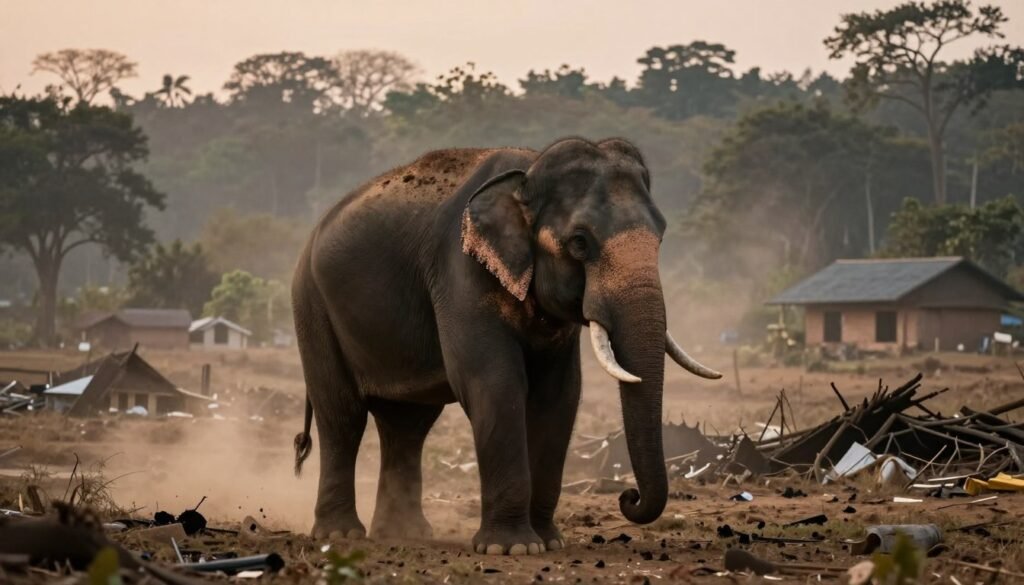
Effective protective measures are key to lowering wildlife encounter risks. Installing strong fencing around farms keeps animals out of towns. This not only makes communities safer but also gives residents peace of mind.
Planting certain crops that animals don’t like can also help. Knowing what local wildlife eats, communities can grow food that’s less appealing. This makes it less likely for animals to come close to people.
Teaching people about wildlife is also important. Workshops and events help people understand animal behavior and how to stay safe. This way, everyone can enjoy the beauty of nature while staying safe.
Looking at how other places manage wildlife can be very helpful. Places with good wildlife management have fewer animal attacks. By learning from them, local areas can keep people safe and live in harmony with wildlife.
Importance of Conservation Efforts
The recent elephant incident shows how vital conservation is. It keeps wildlife populations healthy and keeps people safe. We need strong actions to protect wildlife and their homes. This way, we can reduce conflicts between humans and animals.
Getting local communities involved in wildlife protection is key. Working together with conservationists and governments helps a lot. When everyone works together, we see great results in protecting wildlife and their homes.
Here’s a table with some conservation efforts, what they aim to do, and how they’ve done:
| Conservation Initiative | Objective | Successes |
|---|---|---|
| National Parks Program | Protect diverse ecosystems and wildlife habitats | Increased animal populations and local tourism revenue |
| Community-Based Conservation | Empower local communities in wildlife management | Enhanced local stewardship and reduced poaching incidents |
| Habitat Restoration Projects | Restore degraded ecosystems | Revival of flora and fauna, improved biodiversity |
These efforts show how conservation helps both wildlife and people. It makes our environment better and keeps us all safe. So, keeping conservation a top priority is key for a better future.
Could This Have Been Prevented?
The tragic incident with the rampaging elephant makes us wonder if we could have stopped it. Looking at prevention strategies, we see that planning and community involvement were lacking. People living near wildlife often don’t have the tools or knowledge to stay safe.
Experts believe that better community awareness programs are key. Teaching people about wildlife and safety can help prepare them for dangers. Working together, wildlife experts and local leaders can create effective plans for these areas.
We need to review how we protect communities from wildlife threats. Improving prevention strategies like early warning systems can help. The goal is to keep learning and talking about the role of community awareness in preventing conflicts with wildlife.
Media Coverage of the Incident
The recent wildlife attack in Jharkhand has caught a lot of attention. It shows how complex human and wildlife interactions can be. News outlets told different stories, each affecting how people see the issue.
Some stories focused on the sad loss of life. Others talked about the need to protect wildlife in areas with people. This mix of views has sparked many discussions.
Local people and wildlife experts shared their thoughts with the media. Their words painted a clear picture of what happened. The public’s reaction ranged from fear and anger to calls for understanding and safety.
The media’s role in sharing this story is huge. It helps shape public opinion and policy talks. This shows how important media is in tackling big issues like wildlife attacks.
It encourages us to talk more about how to prevent such events. By working together, we can find better ways to handle these situations.
Lessons Learned from Previous Attacks
Documented cases of wildlife attacks teach us a lot. They help shape better wildlife management plans. By looking at how we reacted to previous attacks, we see what worked and what didn’t.
For example, elephant attacks in different places show us the need for quick and strong actions. This includes working with local communities and raising awareness.
Looking back, we find important details we often miss. Things like habitat loss and food shortages cause problems. Knowing this helps us take steps to prevent future issues.
It also shows how key education is for people living near wildlife. Using what we’ve learned helps us find ways to live safely with animals.
The Future of Human-Elephant Interactions
Looking ahead, we see a future where humans and elephants live together better. This will happen through sustainable strategies that help both. Community-based conservation models are key, involving local people in solving conservation problems.
This approach not only helps us live together but also makes ecosystems stronger. Humans and elephants can share their space more peacefully.
We dream of a future where laws protect both humans and elephants better. New laws could lead to better land use and more education. This way, both humans and elephants can do well, reducing fights and increasing benefits for all.
Experts say that with these strategies, humans and elephants can live in harmony. We’ll use new tech like mobile apps to track elephants and set up early warning systems. These steps can cut down on fights and let elephants roam freely.
Community Support for Victims’ Families
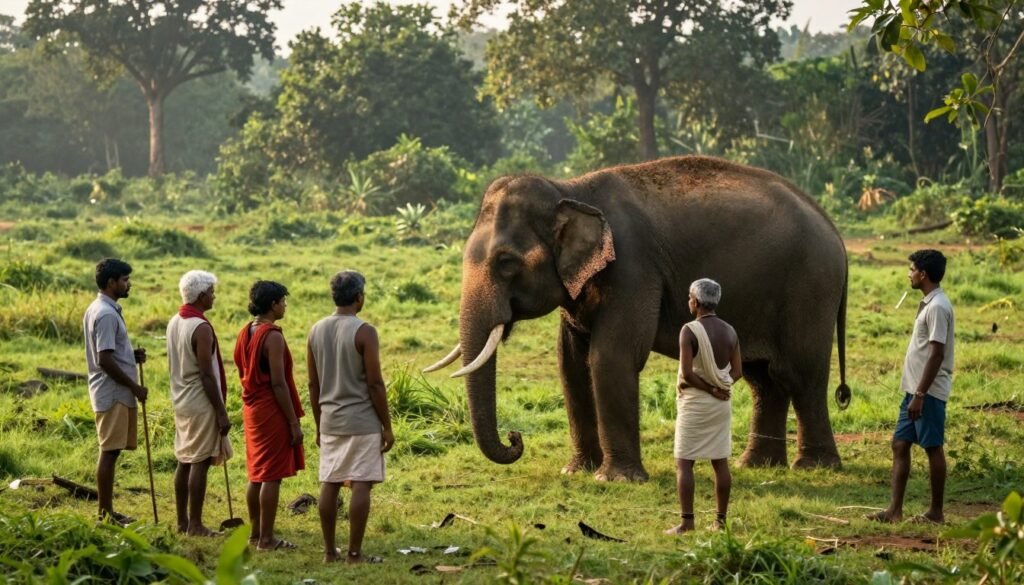
After the tragic incidents with the rampaging elephant, the community has rallied around the victims’ families. Local people and groups have come together to offer help. They provide financial aid for medical bills and funeral costs, making sure support reaches those in need.
Counseling services are also available. They help families deal with their grief and emotional pain. Trained experts offer comfort and create safe spaces for sharing. Community gatherings are organized to help people heal together, strengthening bonds.
This effort shows the community’s strength and kindness. It proves that together, we can support each other through tough times. By standing united, we can rebuild trust and hope for the future.
Conclusion
The rampaging elephant incident shows us the tough issues of human-wildlife conflict. It points out the need for safe solutions for both people and animals. We must learn about elephant aggression and find ways to avoid dangerous meetings.
Looking back, we see the need for teamwork. Experts, local people, and governments must work together. By doing this, we can make safer places for everyone. This includes creating strong homes for animals and warning systems for people.
Our goal is to live in peace with elephants. We can do this by teaching each other, getting involved in our communities, and using smart wildlife plans. This way, we can make a world where both humans and elephants can live well together.