



West Bengal has become very alert after finding suspected Nipah virus cases. This area in eastern India is at high risk for public health. Health teams are working fast to stop any outbreak.
The Nipah virus is very deadly, which has made everyone worried. Local hospitals are watching closely to act quickly. It’s important for everyone to stay informed and careful.
Overview of the Nipah Virus
The Nipah virus is a serious pathogen that spreads from animals to humans. It mainly comes from bats. People can get it by touching infected animals or eating fruit with bat saliva or urine.
This virus causes severe health problems. Symptoms include high fever, intense headaches, and neurological issues. These symptoms can get worse quickly. Understanding the virus is key to preventing outbreaks and keeping communities safe.
Recent Developments in West Bengal
West Bengal has seen cases of suspected Nipah virus infections. Health authorities are now watching closely in affected areas. They are making sure to act fast if there’s an outbreak.
Health officials are keeping a close eye on these cases. They are working hard to stop the virus from spreading. This means they are doing more tests and watching closely.
Health updates show how many people are being tested. This shows how serious the situation is. It’s important for everyone to stay alert and informed.
| District | Case Status | Date of Update |
|---|---|---|
| Barasat | 2 cases hospitalized | January 15, 2026 |
| Nadia & Burdwan | suspected cases | January 14, 2026 |
| Howrah | Ongoing monitoring | January 16, 2026 |
| Kolkata | No current cases | January 16, 2026 |
West Bengal Nipah Alert
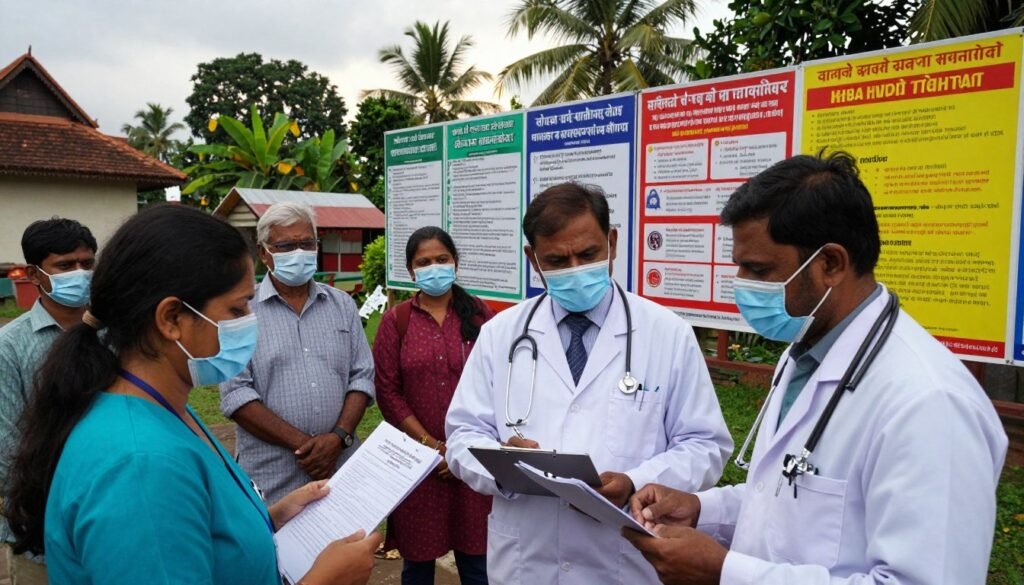
The West Bengal government has issued a formal Nipah alert due to suspected cases. This shows their serious commitment to public health and safety. The alert warns residents to stay alert and follow safety measures to prevent an outbreak.
Local authorities will put in place restrictions and guidelines to protect the community. These might include better health checks, public awareness campaigns, and hygiene tips. The West Bengal government’s quick action shows how important it is to control public safety threats.
The Nipah alert is a call to action, urging citizens to take precautions. Creating awareness is key to stopping the virus from spreading and protecting those at risk. It’s vital for everyone to stay informed and follow health officials’ advice.
Preventive Measures to Control Outbreak
To fight a Nipah virus outbreak, we need to focus on preventive steps. Keeping clean is key to stopping outbreaks. Washing hands often and using sanitizers can help a lot.
Public safety begins with each person learning about the virus. Knowing how it spreads is important. This knowledge helps everyone stay safe.
Healthcare teams should watch the health of animals, like bats, closely. Bats carry the virus naturally. Watching them helps find outbreaks early.
Teaching people to stay away from sick animals is also important. This helps stop the virus from spreading.
Communities should plan for emergencies. This includes knowing evacuation routes and setting up quarantine areas. These steps help control outbreaks and keep people safe.
It’s also important to report any unusual symptoms. This helps everyone stay healthy. By working together, we can make our environment safer.
Role of Healthcare Authorities
Healthcare authorities play a key role in managing the Nipah virus outbreak. They plan and monitor the situation closely. Public health officials work hard to find and stop the virus quickly.
These groups work with others, like local health departments and international teams. This teamwork helps fight the virus better. By sharing info and resources, they can take action to stop the virus.
Healthcare experts guide the public health plan. They train local health workers. This helps everyone respond fast and builds trust in health efforts.
| Key Strategies | Description |
|---|---|
| Surveillance | Continuous monitoring of health data to identify possible Nipah virus cases. |
| Public Education | Telling communities about symptoms and how to prevent the virus from spreading. |
| Collaboration | Working with global health groups to follow the same response plans and share tips. |
| Rapid Response Teams | Sending skilled teams to places where the virus might be to investigate and act fast. |
Community Awareness Initiatives
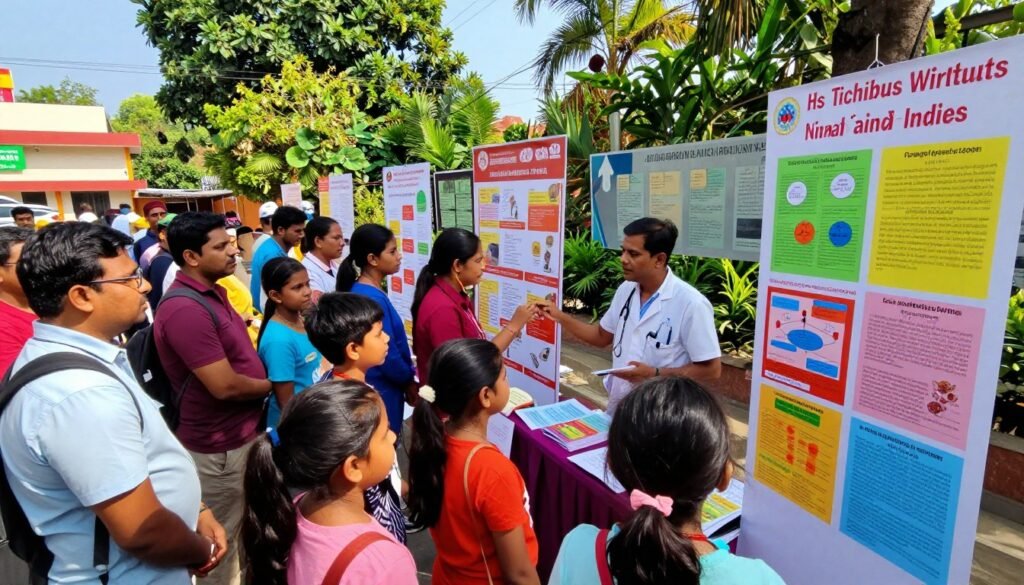
Community efforts are key in spreading the word about the Nipah virus. Local groups and healthcare teams work together to teach people about the virus. They focus on symptoms, how it spreads, and how to stay safe.
By getting community leaders involved, a strong team is formed. This team fights against health crises together.
Workshops are a big part of these efforts. Healthcare experts share important facts with the community. People can ask questions and clear up doubts.
Also, handing out materials helps a lot. These materials give people the knowledge they need to protect themselves.
Impact on Daily Life and Economy
The economic impact of the Nipah virus alert will deeply affect daily life in West Bengal. Fear and wrong information about the virus hurt trade and tourism. These are key areas for the local economy. Many people are scared to go out, which harms local markets.
It’s important for governments and local people to work together. They need to find ways to lessen the bad effects. This way, West Bengal can keep its daily life normal during tough times.
Symptoms and Detection of Nipah Virus
Nipah virus is a big threat to public health. Knowing its symptoms is key. Signs include fever, cough, and changes in consciousness. These symptoms can show up quickly in those who are infected.
It’s important to spot these signs early. This helps both the public and doctors to act fast. Early action is key to stopping the virus.
There are several ways to find the virus. Tests like PCR (Polymerase Chain Reaction) are very helpful. They confirm if someone has the virus.
Quick diagnosis is a big part of keeping everyone safe. Teaching people about the virus is also critical. It helps them know when to get help right away.
Expert Opinions on Nipah Virus
Health professionals and virologists share their insights on the Nipah virus. They stress the need for a quick and united response to fight outbreaks. They point out how animal-to-human transmission and the environment play big roles in spreading the virus.
New treatments are being researched, giving hope for the future. Virologists offer key views on Nipah virus, helping us understand risks and prevent outbreaks. Public health experts also talk about the importance of watching for outbreaks early.
Together, experts’ knowledge helps leaders and health teams make safer plans for everyone. Working with virologists and health experts improves our understanding and helps make better decisions during health emergencies.

Comparative Analysis of Nipah Virus Outbreaks
To understand Nipah virus outbreaks, we need to compare past cases. Looking at previous outbreaks helps us see what works and what doesn’t. Each outbreak is different, shaped by things like health care and community support.
The way we respond to outbreaks matters a lot. For example, Bangladesh’s quick action in the past helped keep the virus from spreading much. But, when responses were slow in other places, outbreaks grew bigger.
Our study shows that catching the virus early and working together helps a lot. Places that got people involved in health efforts did better. This shows how important community support is in fighting Nipah virus.
| Region | Year | Public Health Response | Outcome |
|---|---|---|---|
| Bangladesh | 2004 | Quick response with containment measures | Lower transmission rates |
| India | 2018 | Delayed intervention | Wider outbreak |
| Malaysia | 1998 | Comprehensive health measures | Effective containment |
By studying past outbreaks, we learn how to do better in the future. Each outbreak teaches us something new. When we put these lessons together, we can get better at fighting Nipah virus.
Government and Health Organization Collaboration
Managing the Nipah virus well depends on strong partnerships between governments and health groups. They work together to make detailed plans. This is key in handling public health emergencies. They focus on tracking outbreaks, managing resources, and sharing important info with the public.
To show how important these partnerships are, here’s a table with key areas and what they achieve together:
| Area of Focus | Government Role | Health Organizations Role | Joint Outcome |
|---|---|---|---|
| Policy Formulation | Drafting detailed health policies | Sharing data and research | Good rules for stopping the virus |
| Field Research | Supporting and guiding research | Studying how the virus spreads | New ways to stop it |
| Public Awareness | Starting education campaigns | Creating awareness programs | People know how to act |
This teamwork shows how important it is to work together during outbreaks. By using their strengths, governments and health groups can make public health stronger. This helps communities fight against the Nipah virus.
Regional Support Infrastructure
The regional support infrastructure is key in fighting the Nipah virus. A strong healthcare system helps communities tackle health threats. With access to hospitals and trained staff, communities can act fast during outbreaks.
Improving these resources makes communities better prepared. This leads to a more effective response to the Nipah virus.
In many areas, working together between governments and local groups strengthens this support. These partnerships help share information and resources. They empower communities to take proactive steps in health, boosting both individual and public health.
Public Response and Community Cooperation
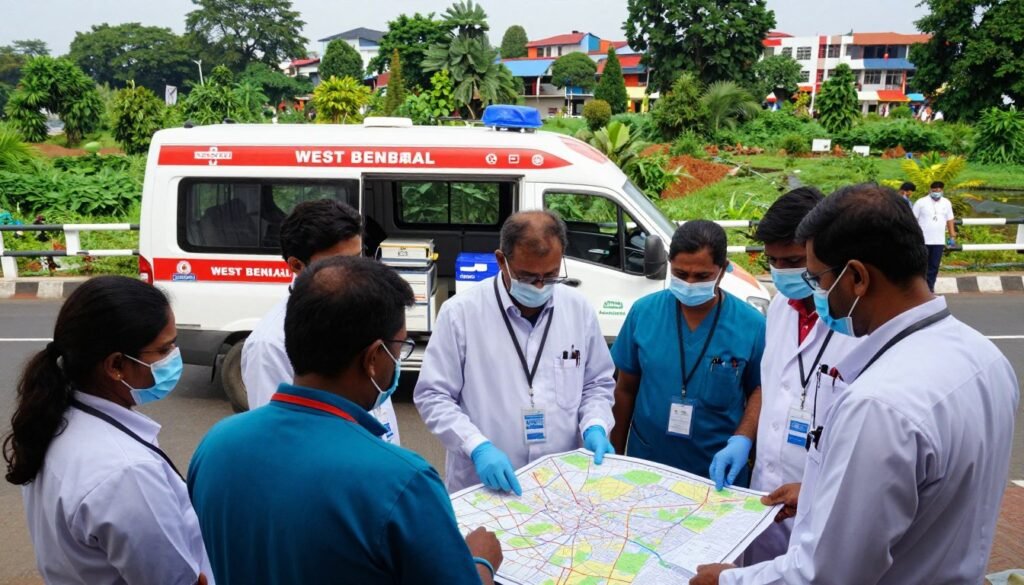
The situation with the Nipah virus in West Bengal shows how important public response and community cooperation are. As news spreads about possible cases, people are coming together. They are creating a supportive space that puts health first.
Community efforts are key for teaching about the Nipah virus. Local leaders and groups are working hard to share important info. They make sure people know the signs and how to stay safe. This helps people take action to protect their health.
Getting involved in community activities helps everyone stay alert and responsible. People go to workshops and talks about health. This strengthens our community and helps us face health crises together. Working together makes our efforts more effective and helps stop false information.
In the end, a well-informed and united community can face the Nipah virus fears. It can also protect its most vulnerable members. The power of public response and community cooperation is essential for better health outcomes.
Misinformation and Social Media Trends
Misinformation about the Nipah virus is a big problem, thanks to social media. Sites like Facebook and Twitter can share both true and false information quickly. This can cause panic and make it hard for health experts to respond.
Studies show that scary headlines often spread false info fast. People share these posts without checking if they’re true. This can spread fear and confusion, making it key for health groups to act fast.
Building community strength against false info is a good idea. Teaching people to think critically and share accurate info can help. Local events and campaigns can also change how we use social media for health.
| Type of Misinformation | Impact on Public Perception | Suggested Countermeasures |
|---|---|---|
| False prevention methods | Increased anxiety and mistrust in health authorities | Fact-checking and disseminating credible prevention guidelines |
| Exaggerated transmission risks | Panic and avoidance behaviors | Clear communication of risks from professionals |
| Misleading statistics | Confusion about the severity of the outbreak | Regular updates from trusted health organizations |
Conclusion
We see that fighting Nipah virus needs both health experts and community help.
Community effort is key. When everyone works together, we can manage outbreaks better. This teamwork makes our community safer and stronger against health threats.
We promise to keep pushing for new ideas and sharing important health info. By staying informed and united, West Bengal’s people can help improve health care. Together, we can create a healthier future for everyone.