



A deadly explosion hit the Nowgam police station in Srinagar district. It killed nine people and hurt many others. The Jammu & Kashmir Police confirmed this, and it’s been reported by many news outlets.
Local police quickly closed off the area and emergency teams arrived fast. The blast at Nowgam police station led to quick alerts to central agencies. Forensic teams were sent to collect evidence and start an investigation.
This summary gives the basic information — who, what, where. It also prepares for more detailed stories on the J&K security response, the number of casualties, and the investigation into the Nowgam police station attack.
Breaking news: details of the Nowgam police station blast
We are gathering verified updates as the situation unfolds after a Kashmir Explosion near Nowgam. Reports suggest an explosion at the local police station. Emergency services were alerted quickly.
Our timeline shows how incidents are handled: an emergency call, local police dispatch, control room notification, and escalation to district command.
Initial reports and timing of the incident
Police and media reports say the first emergency calls were made early in the morning. The timing is around dawn. Control-room entries and ambulance dispatch records show calls came within two to five minutes of the blast.
There are some differences between eyewitness clocks and official timing. Authorities are reviewing these differences.
Location specifics within Nowgam and proximity to key landmarks
The police station is near main roads that connect Srinagar to the outskirts. This makes the Srinagar Nowgam location critical for transit and civic services. Nearby are busy markets, residential areas, and a section of the Srinagar-Baramulla highway.
These factors helped set the cordon. Evacuation focused on shops and schools nearby. An initial safety perimeter was set to prevent secondary damage.
Immediate eyewitness accounts from the scene
“There was a loud bang and a cloud of dust. People ran toward the road,” said a shopkeeper who witnessed the shockwave.
“We heard the noise from the highway and saw smoke rising near the station,” said a commuter who stopped after the blast.
Many accounts describe a sharp shockwave, visible debris, and initial confusion. Witness statements match first-responder arrival times in many cases. Some details vary and will need to be confirmed.
For engineers and responders, initial checks include structural integrity, fire risk, gas leaks, and shrapnel. Teams focus on securing utilities, establishing a safe perimeter, and documenting damage for forensic and reconstruction work.
Casualties and injuries confirmed after the explosion
We report confirmed figures and the immediate medical response after the Nowgam police station blast. Jammu & Kashmir Police and hospital bulletins put the official death toll at nine. Several others received urgent care. This account separates those who were declared dead at the scene from victims who later succumbed while under treatment.
Official death toll and condition of the wounded
Authorities have confirmed nine killed among the police station blast victims. Hospital updates list multiple individuals with critical injuries. These include blast trauma, shrapnel wounds, and severe burns.
Some of the J&K injured were stabilised at the scene and transferred. A number were admitted to intensive care units where prognosis is guarded.
Identities released and statement from authorities
The district magistrate and senior police officers released names and ranks for those identified publicly. The statements named both serving personnel and civilians among the Nowgam fatalities. Ranks were noted where applicable, and brief public biographical details were provided with respect for the bereaved families.
A police press release stressed accuracy and pledged continued support to relatives of the police station blast victims.
Medical response and hospitals handling victims
Casualties were taken to major centres including SKIMS Soura and Government Medical College, Srinagar. For trauma surgery and critical care. Emergency protocols activated multi-disciplinary teams: trauma surgeons, burn specialists, and anaesthesia staff.
Triage followed mass-casualty principles to prioritise life-threatening injuries and allocate operating rooms. Blood banks reported urgent transfusion needs; surgical teams remained on rotation to handle incoming cases.
Logistics and support
Ambulances from local health services and the police fleet handled immediate transfers. Civil administration coordinated with hospitals to manage patient flow and supplies. Officials considered airlift options for the most critical J&K injured when ground transfer risked delay.
The combined effort aimed to stabilise the police station blast victims and streamline family notifications.
Investigation launched by J&K police and central agencies
We are watching how different groups are working together to solve the Nowgam case. The Jammu & Kashmir Police is leading the effort on the ground. They are joined by local police who handle evidence and talk to witnesses. Central teams are ready to help if the case goes beyond one state or involves big groups.
The team includes the Jammu & Kashmir Police, local police, and the Central Reserve Police Force for security. The Intelligence Bureau helps share information. If the case is big enough, the National Investigation Agency might take over. For special tests, experts from national labs or the National Forensic Sciences University can be called.
Forensic procedures and evidence collection at the blast site
Forensic work starts with quickly setting up a barrier to keep the area safe. Investigators look at where the blast happened, take pictures, and mark where pieces landed. They collect explosive remains, soil samples, and metal pieces for analysis.
Next, they look at CCTV footage and mobile data. They use special tools to figure out what kind of explosive was used. At the same time, they talk to witnesses to check their stories. This helps figure out how the bomb was set off and how it was delivered.
Timeline for public updates and transparency measures
A police report is usually filed quickly after the blast. Early findings might show if the explosive is known. Detailed reports can take longer, depending on the tests and how busy the labs are.
We expect officials to give regular updates to keep the public informed. They will talk about safety first, then share what they’ve found so far. They will also give detailed reports when they have all the answers. Keeping the public in the loop while keeping the investigation safe is their main goal.
Possible motives and initial leads from investigators
We look at early findings from the field as investigators try to understand the Nowgam police station blast. Our team sees a thin line between raw facts and educated guesses. Law enforcement shares technical details and emerging leads.
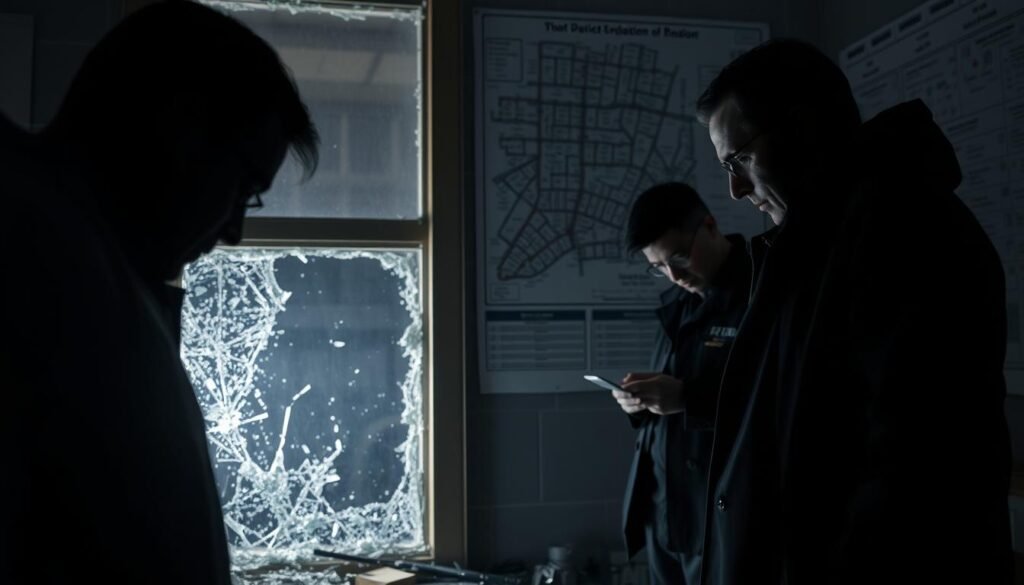
Senior officers, including the Inspector General of Police, talk about the explosive type and how it was triggered. They say the evidence points to a low-order improvised explosive device. Forensic teams are checking for specific components.
Surveillance footage and witness interviews are key leads in the Nowgam investigation so far.
Historical patterns:
Past incidents in Jammu & Kashmir help investigators understand the motive. Attacks in 2016 and 2018 used IEDs near police stations. Other strikes targeted patrols with remote-detonated devices. These patterns guide analysts in their review of the Kashmir Explosion motive.
Target analysis:
The blast’s location and damage help figure out the target. If the damage is mostly inside, it might be a police station targeted blast. But if it’s near a public entrance, it could mean more harm to civilians.
Risk indicators:
Investigators are looking at signs of militant involvement. Finding military-grade components or coordinated surveillance would suggest a group. A simple device and no such signs might point to a lone actor. Each clue from the scene helps narrow down the possible motives for the Kashmir Explosion.
Security situation in Kashmir after the Nowgam attack
We look at how Kashmir’s security changed after the Nowgam attack. We see how authorities kept people safe while meeting daily needs. We’ll talk about the military presence, changes at checkpoints, and advice to the public.
Heightened force posture and police deployment
Security teams quickly arrived in Srinagar and Nowgam. They included the Central Reserve Police Force and Jammu & Kashmir Police. These groups patrolled roads and guarded areas.
Teams skilled in handling bombs and dangerous materials checked for threats. They also used planes to watch the ground and quickly find and deal with dangers.
Checkpoint and border adjustments
Checkpoints around Srinagar got stricter. Some were moved to block off dangerous areas. Cars and people were checked more closely, slowing traffic.
Roads were sometimes closed to slow down goods and people. This helped keep the area safe while trying not to stop everything.
Public advisories, restrictions and legal basis
The local government told people to stay home unless necessary. Schools and public events were closed in some areas. This was done to keep everyone safe.
When needed, curfews were put in place. This was done under laws that allow for short-term restrictions to keep order. People were told when and where these would happen, and who to contact if they had questions.
Community coordination and essential services
Security teams worked with local leaders to keep things running smoothly. Hospitals, food delivery, and emergency services were allowed to keep working. This helped keep the community informed and calm.
They also explained why these measures were needed. This helped people understand and reduced fear.
Kashmir Explosion: broader implications for regional stability
We look at how the Nowgam police station blast affects governance, politics, and security in Jammu and Kashmir. It changes how people see things and forces leaders and planners to make tough choices.
How the blast affects local governance and law enforcement morale
An attack on a police station disrupts daily life. It slows down decision-making and makes people question safety measures. Officials must keep services running and show they are safe.
There’s a big push to hire and keep police officers. Low morale means more officers leave and new ones are harder to find. Quick support, clear rules, and praise for officers help keep morale up.
Potential political repercussions in J&K and national response
Politics in Srinagar and New Delhi will get busier. Opponents will ask for answers, while supporters want stronger actions. This can shift focus from social programs to spending on security.
The national response includes checks in parliament and statements from ministries. These actions set the stage for policy changes and shape public views on governance and development.
Impact on ongoing peace and counterinsurgency efforts
After the blast, counterinsurgency strategies might change. There could be more raids, patrols, or efforts to connect with the community. Each choice has its own pros and cons.
Looking back, some strategies focus on quick wins but might lose public trust. Others aim to build trust but need ongoing support. We’ll watch for signs like business growth, community activity, and how safe people feel.
These signs will tell us about stability in Nowgam over time. They show if markets are coming back and if non-profits can start their work again.
Reactions from political leaders and officials
We give you a quick summary of what leaders said after the Nowgam blast. They sent out messages of sympathy and promises to act. The news about the Kashmir Explosion reactions came fast, setting the stage for what people expected from security and support.
J&K administration statement. The Lieutenant Governor’s office showed deep sadness and vowed to start an investigation right away. The Director General of Police in Jammu and Kashmir talked about making the area safe and giving clear updates. The district magistrate also talked about helping families and increasing security around important places.
Central government reaction. The Home Ministry strongly condemned the attack and said they would help local teams. The Home Minister asked for quick work and promised help for forensic work. The Prime Minister’s Office sent messages of support for the victims and promised to help the investigators.
Nowgam political response. Local leaders from the National Conference, PDP, and BJP sent their condolences and called for peace. Municipal officials and community leaders asked for calm but demanded a thorough investigation. Their messages showed empathy while also demanding accountability.
It’s interesting to see how quickly the messages changed. At first, they focused on sympathy and support. Later, they got into the details of the investigation and promised to improve security. These reactions show a united effort in supporting victims and finding those responsible.
International response and media coverage of the Nowgam police station blast
After the Nowgam incident, we saw the world react. News outlets and diplomats quickly shared their views. They provided urgent updates and called for calm and thorough investigations.
Statements from foreign governments and international organizations
The U.S. State Department and the U.K. Foreign Office spoke out. They expressed concern and asked for a clear investigation. The United Nations also chimed in, urging the safety of civilians and for facts to be shared.
How major international media are reporting the incident
Different news agencies covered the blast in their own ways. The BBC, Reuters, Al Jazeera, The New York Times, and The Guardian all had their own angles. Some saw it as a security issue, while others linked it to the Kashmir conflict.
Diplomatic implications and travel advisories
Embassies looked into travel advice for Jammu & Kashmir. They advised caution and suggested following local advice. This could affect tourism, lead to more diplomatic efforts, and shape how people view safety in the area.
The incident will likely be discussed in diplomatic talks. Governments might use it to push for better security and intelligence sharing across borders.
Impact on civilians and daily life in Nowgam and surrounding areas
After the blast, Nowgam’s daily life has changed a lot. Streets are now quieter, and shops and offices close early. People face delays because of roadblocks and checkpoints.
Public transport stopped for hours. Schools and classes were paused. Market vendors saw fewer customers, and perishable goods traders lost money. These changes affect daily commerce and services in J&K.
Local groups quickly started relief efforts. Community kitchens and volunteer teams helped feed families. Religious institutions and NGOs helped with blood drives and donations. This support is key to meeting basic needs in Nowgam.
Disruption to transport, schools, markets, and public services
Road closures made commutes longer. Bus operators delayed their runs. Waste collection and small businesses faced challenges.
Community fear, solidarity efforts, and local support initiatives
“We are scared but we will help our neighbors,” said a local resident at a relief center.
Fear is high, but people are coming together. Neighborhood watch groups share safety tips. Vigils and gatherings show solidarity. Local NGOs offer psychosocial support.
Accounts from families affected by the blast
Families hit by the blast talk about their losses. They need medical care, shelter, and legal help. They ask for privacy and sensitive handling of their stories.
We keep tracking how the blast changes life in Kashmir. Short-term effects are clear. Long-term recovery needs relief, strong local networks, and community support in Nowgam to bring back normalcy.
Security analysis: expert opinions on prevention and response
We have a detailed review from former police chiefs and security analysts. They share how to prevent and respond to attacks. Their advice helps engineers and safety teams make a difference.
Counterterrorism expert view
Experts say attacks might use bombs, cars, or direct attacks. They explain how to tell what kind of attack it was by looking at the damage. This helps teams prepare better.
Hardening public buildings
There are simple ways to make buildings safer. For example, setting up barriers to keep cars away. Also, using special glass and making entry points safer.
Technology and human systems
Using cameras with special software can spot trouble early. Also, checking cars and training staff helps a lot. Regular drills help teams respond better in real situations.
Design details for engineers
Engineers need to know how to design buildings to withstand attacks. This includes keeping buildings far from danger and using strong materials. These steps help make buildings safer.
Operational measures
Places need good rules for who can enter and how. Also, checking cars and using tips from the community helps. These steps are important for keeping everyone safe.
Lessons from prior incidents
Looking at past attacks shows what works. Good control at the entrance stopped some attacks. But, not all were successful because of weak spots. Learning from these incidents helps make places safer.
Training and education
Students should learn by doing projects. This includes studying how to keep buildings safe and how to evacuate quickly. This way, they can apply what they learn to real situations.
Next steps for authorities
Authorities should start with simple steps to improve safety. Then, they can make bigger changes. This way, they can make places safer and follow expert advice.
Timeline: how events unfolded on the day of the explosion
We create a detailed timeline to help everyone understand the Kashmir Explosion. It’s based on reports, official updates, and logs from responders. Where details are unsure, we note it.
06:45 – 07:00: A loud blast was heard near Nowgam police station. Calls to emergency services started quickly. This marks the start of the Nowgam blast chronology.
07:05 – 07:20: Police from Nowgam and Srinagar arrived first. Medical teams were alerted. We use official logs to build the J&K emergency response timeline.
07:25 – 08:00: Buildings were evacuated and traffic was rerouted. Forensic teams were called. The area was sealed during this time.
08:15 – 09:00: Forensic teams from Jammu arrived. Evidence collection started. This was a key moment in the investigation.
09:30 – 10:00: The police issued their first statement. Social media advisories followed. We track these to see how the blast affected public perception.
10:30 – 12:00: Hospitals gave updates on casualties. Technical teams, including bomb disposal, did secondary sweeps. This ensured there were no more devices.
12:30 – 15:00: Investigators catalogued evidence and sent it for lab tests. Arrests or suspects were not mentioned yet. The focus was on processing evidence.
15:30 – 18:00: A second briefing clarified findings and public safety measures. Local administration issued advisories for schools and markets.
18:30 – 21:00: Forensic lab confirmations were compiled. Many technical tasks were completed. But detailed lab assays and data requests were pending.
Next 24–72 hours: We’ll see formal lab reports, arrests, and CCTV results. These updates will refine the Nowgam blast chronology.
Public communications timeline: Official briefings and social posts were timed carefully. This helped keep the public informed without compromising the investigation.
A detailed timeline is essential for understanding the Kashmir Explosion. It helps engineers, investigators, and planners in their work.
Humanitarian response and support for victims and families
After the blast, agencies and citizens quickly came together. Relief teams from the government and civil society worked to help. They focused on aid that directly reaches those who need it most.
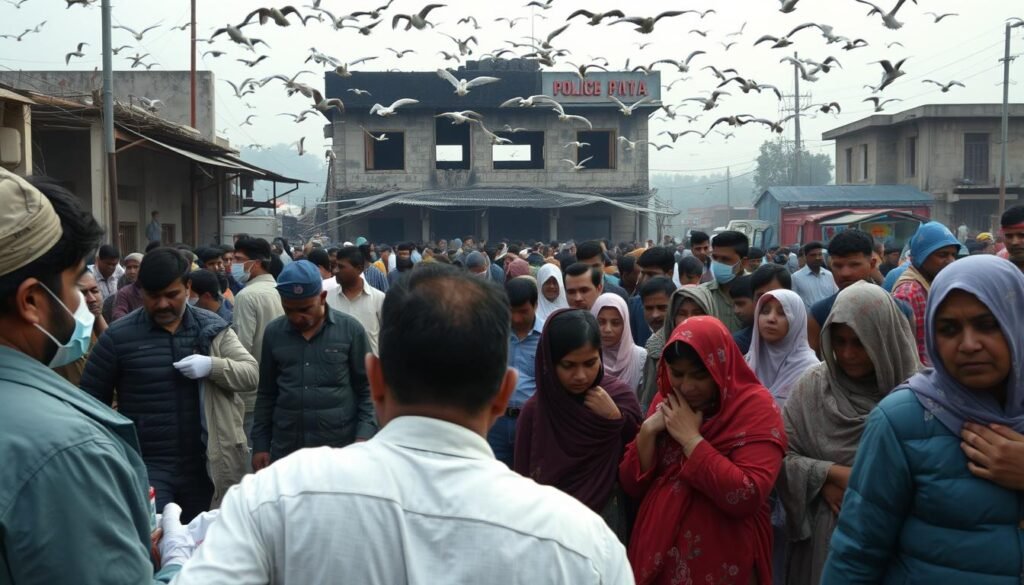
The Jammu & Kashmir administration set up compensation schemes. They provided money for families of the deceased and help for the seriously injured. They also covered emergency medical costs.
Local relief funds were activated, and help desks were set up at Srinagar hospitals. The Indian Red Cross Society and NGOs in the valley sent volunteers. They provided first aid and support.
Fundraising, donations, and community assistance efforts
Official bank accounts and fundraising portals were made public for donations. Community groups held collection drives and blood donation camps. They worked with government hospitals.
Donors are asked to give through official channels. This ensures aid reaches those in need.
Long-term support: counseling and rehabilitation services
Mental health teams are providing counseling at community centers. They are also planning physiotherapy and rehabilitation for the injured. Vocational training is being offered to family members who lost their main breadwinners.
Education and scholarship support are being arranged for dependents. This helps keep children’s education on track.
Our approach emphasizes monitoring and accountability. We suggest using public ledgers for aid distribution. Regular audits and field checks by independent groups are also important.
This ensures support is fair and measurable. The Nowgam humanitarian response shows quick aid and structured efforts in Kashmir. We will keep highlighting verified aid channels and advocate for ongoing support for affected families.
Conclusion
The Nowgam police station blast caused nine deaths and many injuries. A quick response from local and central teams helped. They secured the area, treated the injured, and started forensic work.
We will watch for forensic findings, arrests, and policy changes. Clear updates are key to calm fears and guide actions. Our focus is on accurate information as investigators seek answers.
Experts should learn from this event. They should improve infrastructure, emergency plans, and safety education. The goal is to make communities safer for the future.
We will keep reporting with both technical detail and human touch. We support the victims’ families and the Nowgam community. Our aim is to provide updates that are both factual and compassionate.