



Odisha is a state filled with rich traditions and spirituality. It hosts the vibrant Jagannath Yatra, an annual event that attracts many. This festival, with its grand chariot procession, shows the deep religious spirit of the area. It also highlights the unique Odisha culture.
We will look into the Jagannath Yatra’s historical importance. We will also explore the key rituals and the various dance forms, like Odissi. These dances come from Odisha’s rich cultural heritage.
Introduction to Jagannath Yatra
The Jagannath Yatra, also known as the Rath Yatra, is a grand festival in Puri. It draws millions of people from all over the world. This makes it one of the biggest religious events on Earth.
During the Yatra, Puri’s streets buzz with excitement. It celebrates Lord Jagannath’s journey to his garden. This event is filled with energy and devotion.
The festival features chariots decorated with great care. These chariots carry the deities Jagannath, Balabhadra, and Subhadra. It’s a chance for thousands to join in this sacred tradition.
The Rath Yatra is more than a religious event. It brings people together, creating a sense of community. It shows how people from different backgrounds can bond.
Historical Significance of Jagannath Yatra
The Jagannath Yatra has deep roots in Odisha’s history. It shows centuries of tradition and devotion. This festival, centered on the Jagannath Temple, is more than a religious event. It brings together different communities in a display of unity.
For centuries, the Yatra has helped people feel connected. People from all walks of life join in. The rituals tell stories of deep devotion, with the Jagannath Temple at the heart. It’s a symbol of faith and Odisha’s architectural genius.
This festival celebrates the unity of different cultures in Odisha. It shows the rich life woven together by the Jagannath Temple. It reminds us of the shared histories and the legacy that inspires new generations.
Essential Rituals of the Jagannath Yatra
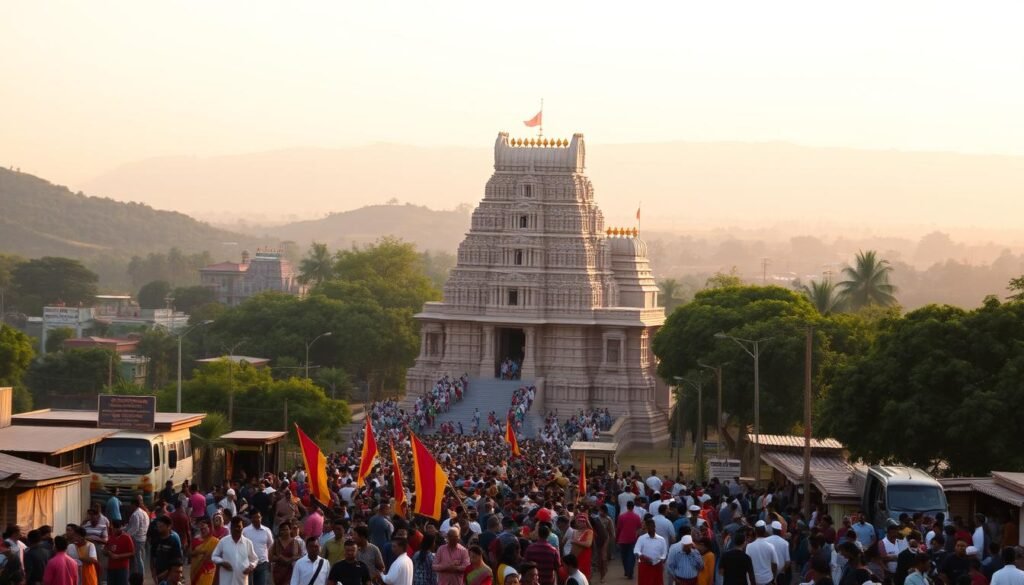
The Puri Yatra turns the atmosphere into a lively celebration of faith and culture. At its core are rituals honoring Jagannath, Balabhadra, and Subhadra. The festival starts with the making of grand chariots, each one a masterpiece of design.
People come together to pull these chariots on the Grand Road, or Bada Danda. This act shows the community’s unity. Thousands pull the chariots with joy, surrounded by music and chants.
The festival’s rituals add to Odisha’s cultural richness. Events like ‘Rath Yatra’ and ‘Snana Yatra’ involve bathing the deities. These moments bring everyone closer, creating a sense of unity.
The Jagannath Yatra’s rituals bring deep spirituality and strengthen community bonds. They help people celebrate their identity and find common purpose.
Odisha Culture: A Vibrant Tapestry
Odisha culture is a rich and dynamic part of India’s heritage. It shows the state’s diverse ways of expressing itself, mainly through religion. Religion deeply shapes the lives of Odisha’s people, influencing their values, traditions, and festivals.
This vibrant culture shows how faith and daily life are connected. It gives us a glimpse into the enchanting essence of this region.
Religion and Spirituality in Odisha
The spirituality in Odisha culture is seen in its many temples and sacred sites. People travel to these places, seeking devotion and community. The state’s religions live together, creating a place of respect and unity.
Temples like the Jagannath Temple are not just places of worship. They are symbols of Odisha’s deep theological heritage.
Festivals and Celebrations
Traditional festivals in Odisha show the state’s cultural diversity. They play a big role in its society. Festivals like Durga Puja and Makar Mela highlight the community bonds formed through shared rituals.
During Durga Puja, idols are immersed in rivers, symbolizing life and renewal. These events capture the spirit of Odisha culture, mixing old traditions with new practices.
Dance Forms of Odisha: A Cultural Expression
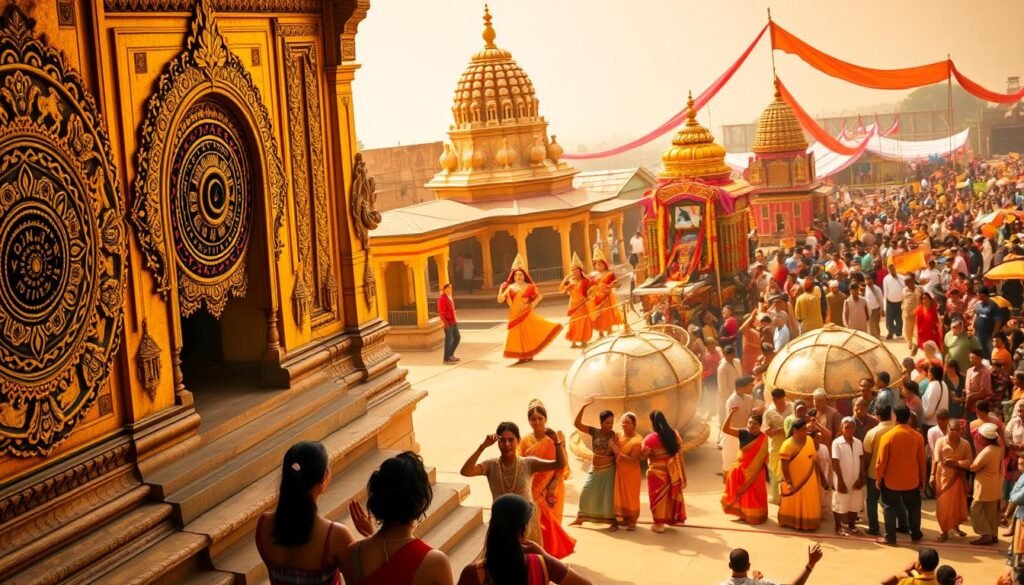
Odisha is home to a variety of dance forms that showcase its rich culture. Odissi Dance is a standout, telling stories with its detailed movements and elegant poses. It’s more than just a dance; it’s a window into Odisha’s spiritual and cultural soul.
Odissi Dance: A Classical Heritage
Odissi Dance is one of India’s oldest classical dances, rooted in Odisha’s temples. It uses facial expressions, footwork, and hand gestures to share myths and religious tales. This dance form is a blend of beauty and deep cultural and spiritual understanding.
Folk Dance Forms of Odisha
Besides Odissi, Odisha has vibrant folk dances like Ghoomar and Dalkhai. These dances are a big part of festivals and celebrations, showing the community’s life and farming traditions. Each dance has its own special touch, highlighting Odisha’s unique stories and traditions.
The Role of Konark in Odisha’s Heritage
Konark is a key part of Odisha’s rich heritage, thanks to the Sun Temple. This temple is a UNESCO World Heritage Site. It shows the artistic and spiritual heart of the region.
The Sun Temple is more than just a building. It combines spirituality, astronomy, and art perfectly. This makes it a true marvel of temple architecture.
The temple’s design is filled with detailed carvings. These carvings tell stories from myths and everyday life. They show the deep cultural importance of Konark.
Exploring the temple, we see its architectural peak in Odisha. It attracts visitors and scholars with its beauty and significance.
People visiting Konark are amazed by its size and beauty. The temple’s design follows the sun’s path, showing the ancient knowledge of astronomy. This mix of science and art makes Konark a lasting symbol of Odisha’s heritage.
Temples of Odisha: Architectural Marvels
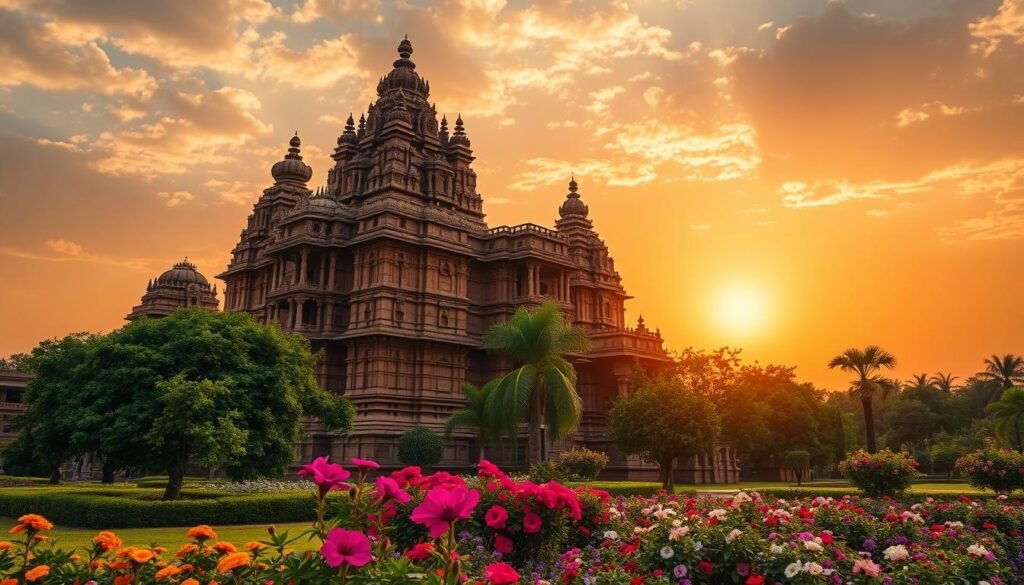
The temples of Odisha are stunning examples of ancient architectural skill. They show the state’s rich cultural heritage. These structures are not just beautiful but also carry deep spiritual meanings.
The Lingaraja Temple and the Mukteswara Temple are key examples. Each has its own unique style and materials, making them stand out.
Key Temples to Visit in Odisha
Exploring Odisha, you’ll find many temples that showcase its architectural wonders. Some of the most notable include:
- Lingaraja Temple: A classic example of Kalinga architecture, with detailed carvings and a tall spire.
- Mukteswara Temple: Famous for its beautiful sculptures and unique design, it’s a key landmark in Bhubaneswar.
- Konark Sun Temple: Known for its chariot-like design and detailed stone carvings, it’s the peak of temple architecture in Odisha.
Significance of Temple Architecture
Odisha’s temples are more than places of worship. They are centers for learning and community gatherings. Their designs tell stories from ancient texts, attracting both devotees and visitors.
The choice of materials, like sandstone and laterite, highlights the region’s natural resources. These temples weave together Odisha’s history, culture, and spirituality. They invite us to explore and value their importance.
Jagannath Temple: A Historical Overview
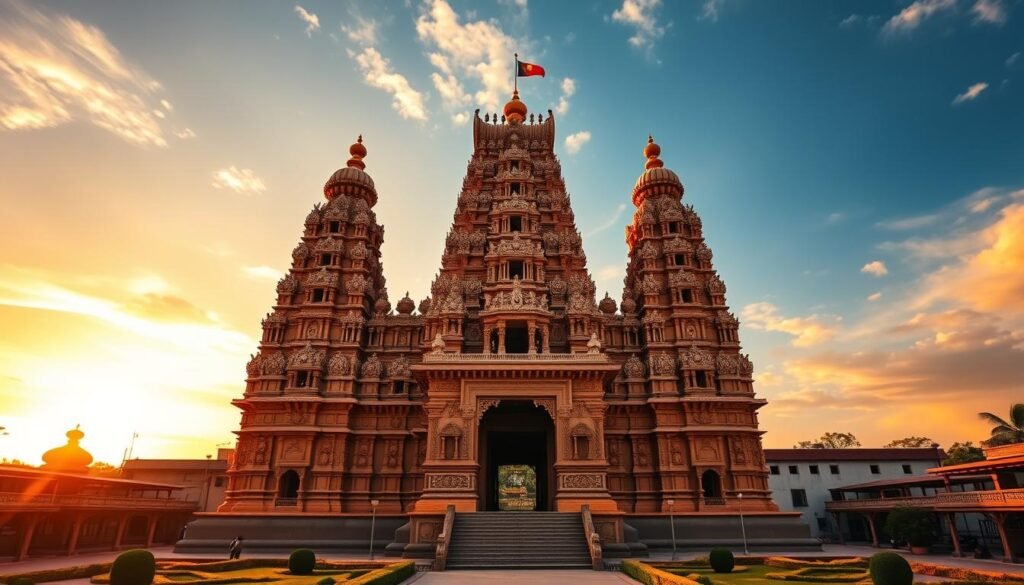
The Jagannath Temple is a stunning example of Odisha’s architectural and religious history. It is dedicated to Lord Jagannath and showcases Kalinga architectural styles. Its high spires, detailed sculptures, and grand design make it a key pilgrimage site.
Architectural Features of Jagannath Temple
The Jagannath Temple’s Architectural Features are truly remarkable. It has a main temple, the Bhoga Mandapa, and the Nata Mandapa. The main shrine’s pyramidal shape is covered in carvings that tell stories of gods and goddesses.
- The temple’s spire is very tall, showing the link between heaven and earth.
- The temple’s walls are filled with artwork, showing Hindu myths and stories.
- The chariot festival draws thousands, highlighting the temple’s cultural importance.
The Deities and their Symbolism
Exploring the Symbolism of Deities in the Jagannath Temple reveals much about Hindu beliefs. Lord Jagannath, along with his siblings Balabhadra and Subhadra, represents different parts of life and spirituality. Each deity has its own meaning for the devotees.
- Jagannath stands for the eternal Brahman, showing unity in diversity.
- Balabhadra symbolizes strength and balance, helping devotees on their journey.
- Subhadra represents divine love and care, adding to the temple’s spiritual vibe.
Connecting Dance and Religion during Jagannath Yatra
The Jagannath Yatra is more than just a religious event. It’s a time when dance and religion come together. This celebration shows how traditional dances like Odissi connect with the festival’s spiritual side. Each dance performance draws the crowd in, making everyone feel closer to each other.
Dance is a powerful tool that brings out deep emotions. It connects with the Jagannath Yatra’s deep traditions. Performers use Odissi and other folk dances to share stories of devotion and joy. These dances make the festival’s spirit even stronger, touching everyone’s heart.
Being part of the dance in the Jagannath Yatra brings families and communities closer. It creates a bond that goes beyond personal differences. Dance and religion blend together, creating a beautiful mix of art and faith.
In short, dance and religion merge beautifully during the Jagannath Yatra. This union makes the festival a special time for everyone. It’s not just a religious event but a cultural celebration that shows the beauty of human connection.
Celebrating Unity in Diversity through Odisha Culture
Odisha’s culture is a shining example of Unity in Diversity. This vibrant region is a mix of many traditions, languages, and communities. Through festivals, rituals, and the arts, Odisha’s people celebrate their shared heritage.
Festivals like Rath Yatra and Durga Puja show the harmony among different ethnic groups. Each celebration brings out the unique practices and beliefs of the communities. This shows an inclusive environment where diversity is celebrated.
Artisans from different backgrounds work together to make beautiful handicrafts. This fosters mutual respect and understanding. The various art forms show how different identities can live together in harmony. Odisha is a beacon of how cultural diversity can unite people, creating a vibrant and cohesive community.
The Influence of Jagannath Yatra on Local Art
The Jagannath Yatra deeply inspires local artists, shaping influence on local art. It sparks vibrant paintings and detailed sculptures. This festival captures devotion and community, driving artists to create unique artistic expressions.
Artisans use traditional methods to depict the Yatra’s scenes. Their work connects with both devotees and visitors. This celebration boosts artistic expression and keeps Odisha’s culture alive.
Artists show their passion and devotion through their work. The influence on local art is clear in the variety of handicrafts. Each piece tells a story of the Yatra, blending spirituality and creativity.
Role of Pilgrimage in Preserving Heritage
Pilgrimage is more than a spiritual journey. It plays a key role in keeping heritage alive and boosting the local economy. In Puri, the Jagannath Yatra draws many devotees. This event helps keep cultural traditions alive.
As pilgrims arrive, they strengthen the area’s rich cultural fabric. This is a vital part of preserving heritage.
Impact on Local Economy and Traditions
The arrival of pilgrims greatly benefits the local economy. Many sectors see a surge in activity. Here are some ways:
- Hospitality Services: Hotels, guesthouses, and local eateries do well during the Yatra. They meet the needs of visitors.
- Artisan Goods: Local crafts and handmade items get more attention. Pilgrims buy souvenirs, helping traditional craftspeople.
- Transportation: The need for transport grows. This helps local drivers and transport companies.
This economic boost keeps the local community thriving. It also ensures Puri’s unique heritage is celebrated and preserved.
Conclusion
As we wrap up our look at Odisha culture and the Jagannath Yatra, it’s clear these traditions are more than events. They show the power of community, spirituality, and art. The Jagannath Yatra brings people together, celebrating Odisha’s rich heritage.
This celebration is not just for locals; it’s for everyone. It shows the beauty of Odisha culture to visitors and pilgrims. It’s a chance to see the heart of Odisha.
The dance forms, from Odissi to folk, tell a story of art and spirit. They’re not just shows; they’re a way to share stories passed down through generations. These dances and performances show the strength and beauty of Odisha’s traditions.
We invite you to see the Jagannath Yatra for yourself. It’s a journey filled with sights and sounds that show the best of Odisha. It’s a celebration of spirit, heritage, and creativity.