



The India Meteorological Department (IMD) has confirmed Cyclone Senyar over the Bay of Bengal and issued a Cyclone Warning along with a heavy rainfall alert for Tamil Nadu and West Bengal.
Satellite feeds from ISRO, NOAA, and EUMETSAT show Cyclone Senyar is getting stronger. State governments in Chennai and Kolkata are warning coastal communities. They are also working with the National Disaster Response Force (NDRF).
This section sets the situational context. We summarize the India cyclone advisory and identify the zones under watch. We also outline the topics we will cover for emergency planners, engineers, students, and educators.
Overview of Cyclone Senyar and IMD advisory
We are watching Cyclone Senyar as it forms over the Bay of Bengal. It’s heading towards the eastern Indian coast. The IMD advisory gives us the latest on forecasts, warning levels, and timing.
This information helps agencies and citizens in Tamil Nadu and West Bengal prepare for what’s coming.
What meteorological agencies are saying
The India Meteorological Department calls it Cyclone Senyar, following the WMO/ESCAP list. Agencies like IMD, NOAA, and others predict it will move west-northwest towards eastern India. They note a drop in central pressure and stronger winds.
These signs mean the storm is getting stronger. They also lead to updates in the IMD advisory.
Timeline of alerts issued by the IMD
The alerts started with a low-pressure area, then deep depression, and cyclonic storm. The IMD issued a Cyclone Warning when winds and pressure met certain levels.
During big changes, IMD sends updates every 3–6 hours. Before it hits land, watches come out 12–48 hours early. Then, updates get closer and more frequent as it approaches.
Regions placed under immediate watch
Coastal districts in Tamil Nadu, like Chennai, are on high alert. West Bengal’s North and South 24 Parganas and East Midnapore are also watching closely. The Bay of Bengal’s offshore waters are warned for rough seas and surge.
The watch is due to the storm’s expected landfall, seabed slope, and past damage in areas like the Sunderbans. State disaster management and IMD bulletins help plan evacuations and resource allocation.
Meteorological profile of Cyclone Senyar
We look at the storm’s current state and how it will change soon. This helps with planning for engineers and emergency teams. We use data from the India Meteorological Department and other countries.
Current intensity and classification
The India Meteorological Department has updated Cyclone Senyar’s status. They say the central pressure is near 988 hPa and winds are about 90 km/h. U.S. agencies report winds of around 50 knots.
Over the last six hours, the storm has gotten slightly stronger. This is important for designing safe coastal structures.
Expected track and speed
The forecast says Cyclone Senyar will move west-northwest at 12–18 km/h. This is because of a subtropical ridge and a mid-level trough. After 48 hours, the forecast gets less certain.
This uncertainty is key for planning evacuations and power shutdowns. A small change in forecast can mean a big difference in timing.
Satellite imagery and model consensus
Satellite images show Cyclone Senyar’s uneven cloud patterns. They also show dry air that might slow the storm’s growth. Different models agree on the storm’s general path but disagree on its strength and exact landfall.
Models suggest two possible paths: one with stronger winds and earlier landfall, the other with slower growth and a more northern impact. This means we need to prepare for different scenarios.
We use this information to plan for wind speeds, arrival times, and more. This helps engineers and emergency managers make timely decisions.
Why the IMD has issued a Cyclone Warning
We explain why the IMD has issued a Cyclone Warning. This helps engineers, planners, and residents understand the risk. The India Meteorological Department looks at several factors.
These include rising central pressure gradients, sustained wind bands, and modelled coastal inundation. These factors meet certain thresholds that lead to IMD warning levels.
Rainfall forecasts and thresholds
The IMD forecasts rainfall in specific ranges. Daily totals of 64–115 mm are heavy, 116–204 mm are very heavy, and over 204 mm are extremely heavy. These ranges help issue warnings for Tamil Nadu and West Bengal.
Rainfall can be higher near coastal hills and inland areas. This is due to orographic enhancement and inland gradients.
Convective bands near the cyclone core can cause intense, short-lived bursts. These bursts can lead to flash floods in urban areas. Engineers use these forecasts to design emergency response systems.
Wind speed projections and storm surge risk
Forecast wind projections show sustained winds and gusts along the coast. Sustained winds of 90–120 km/h with gusts over 150 km/h stress buildings and utilities. The longer the winds last, the higher the risk of structural failure.
Storm surge risk increases with wind, pressure drop, and bathymetry. The Bay of Bengal’s shallow shelf makes surges worse. Surge modeling combines wind fields and tide phase to predict inundation.
IMD criteria for issuing warnings and alerts
The IMD has specific criteria for issuing warnings. These include sustained wind bands, rapid pressure fall, predicted landfall, and model consensus. When these criteria are met, the IMD raises warning levels and issues action guidance.
Civic agencies use these criteria to prepare for emergencies. They activate evacuations, shut transport lines, and position NDRF teams. We help translate technical bulletins into practical risk matrices for designers and emergency managers.
Impact forecast for Tamil Nadu
We are mapping out the effects of Cyclone Senyar on Tamil Nadu. This forecast helps planners know where to focus their efforts. It shows areas most likely to be hit, what cities and farms should do, and what engineering work is needed in the next 72 hours.
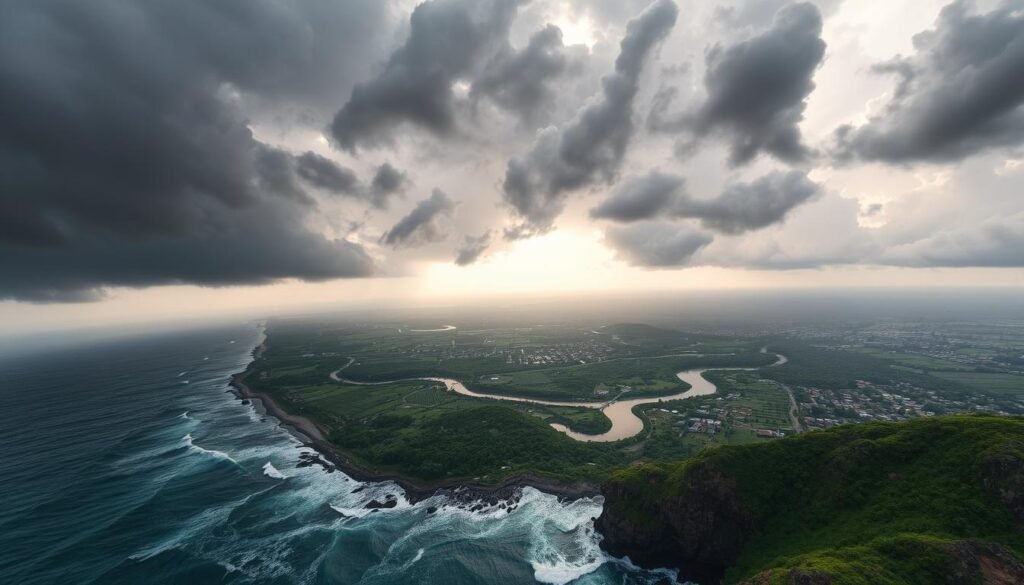
Coastal districts at highest risk: Chennai, Kanchipuram, Chengalpattu, Cuddalore, Nagapattinam, and Thanjavur are right in the storm’s path. They have a lot of people and busy ports, making them more vulnerable. Places like Nagapattinam and Cuddalore need to check their sea walls and coastal roads.
Urban flooding concerns in Chennai and other cities: Chennai might see flooding because of too much water in the streets. This is worse in areas near the Adyar and Cooum rivers. We suggest fixing storm drains and raising important buildings.
Agricultural and infrastructure vulnerabilities: The storm could damage crops like paddy and sugarcane. It might also harm power lines and bridges. We recommend fixing these problems quickly to avoid more damage.
We based our advice on wind and rain maps from the IMD and advice from state departments. Engineers should focus on protecting the coast, fixing drainage, and saving crops. This will help reduce damage and speed up recovery.
Impact forecast for West Bengal
We highlight key risks in coastal and urban areas due to Cyclone Warning. The forecast warns of dangers to ecosystems, buildings, and people from rising water, heavy rain, and strong winds.
Threat to mangroves and embankments
The Sunderbans face a high risk. Storms can harm mangroves and embankments, putting villages and farms at risk. It’s critical to quickly check embankments and fix them to prevent damage.
Coastal settlements and ecological sensitivity
Storms can cause more erosion and loss of habitats. Saltwater flooding can harm crops and water sources in low areas. It’s important to protect mangroves for the long term.
Urban vulnerability in Kolkata and suburbs
Kolkata is at risk of flooding, mainly in low-lying areas and old drainage systems. Water can flood metro and rail lines, causing disruptions.
Cascading infrastructure failures
Power outages can shut down pumps and hospitals, making things worse. We suggest having backup generators ready for important facilities.
Riverine flooding and drainage interaction
Heavy rain upstream can cause rivers to swell, leading to more flooding. The timing of river peaks and tides can make flooding worse in coastal towns.
Drainage bottlenecks and sedimentation
Blocked drains and sediment can reduce water flow. It’s important to clear drains and manage water releases to control flooding.
Operational guidance for engineers and planners
Keep up with IMD and State Disaster Management updates. Use hydrological models to plan for embankment checks and flood control.
Rainfall distribution and intensity predictions
We map expected precipitation from Cyclone Senyar across Tamil Nadu and West Bengal. This helps engineers and planners understand forecast outputs. Read the narrative alongside the daily rainfall maps to spot convective hotspots, temporal peaks, and likely accumulation totals over the next 72 hours.
Expected daily rainfall maps for affected states
The Indian Meteorological Department’s gridded products show how rainfall distribution will evolve day by day. Inspect each day’s map for cell-level totals. Coastal belts and adjacent inland districts show the highest accumulations on Day 1, with inland shift on Days 2–3.
Use ensemble spreads to identify where model agreement is strong and where uncertainty remains.
Areas likely to receive heavy to very heavy rainfall
Districts along the coast are forecast to enter heavy rainfall areas. Values above 64 mm/24h are likely in multiple coastal pockets. Some convective bands could produce extremely heavy bursts exceeding 204 mm/24h in localized cells.
Expect sharp gradients over short distances where mesoscale convection sets up.
Duration of intense precipitation
Duration of precipitation matters as much as peak intensity. We anticipate windows of sustained heavy precipitation lasting several hours where bands stall. Shorter, intense downpours are expected where cells move faster.
For hydrologic planning, factor antecedent moisture and total event duration to estimate peak runoff and infiltration losses.
Practical guidance for engineers: convert daily rainfall maps into hourly slices when designing drains and pumps. Assume longer pumping periods where the duration of precipitation is forecast to exceed typical drainage clearing times. Monitor updated IMD advisories and mesoscale model outputs to adjust site-level responses as the situation evolves.
Preparation and response measures by state governments
We look at how Tamil Nadu and West Bengal are getting ready to protect lives and property. They focus on clear plans, fast communication, and practical steps to help relief efforts across districts.
Evacuation protocols and shelter readiness
Both states have lists for evacuation, focusing on coastal and low-lying areas first. They check waterlogging, wind, and road access to open relief camps. Messages go out through radio, SMS, and local channels to guide people.
They also make special plans for hospitals, the elderly, and those with disabilities. They have transport, medical staff, and accessible shelters ready. They track shelter capacity daily, ensuring they have enough beds, kitchens, and sanitation.
Deployment of disaster response teams and NDRF
NDRF teams are ready near coastal areas. State Disaster Response Force (SDRF) teams help with local tasks. Rescue teams, medical squads, and engineering teams are ready to clear debris.
Control rooms link NDRF, state agencies, and the Indian Coast Guard. They manage rescue efforts, helicopter missions, and relief supplies to shelters and hospitals.
Transport and school closure advisories
Transport is restricted when sea states or wind speeds are high. Flight advisories are issued based on storm and visibility forecasts. Airlines and airports adjust their schedules.
Schools and colleges are closed to reduce risk. Education departments have plans for remote learning. Important infrastructure like water plants, power substations, and communication nodes are protected.
Safety tips for residents in affected areas
We offer practical advice to keep communities safe during a Cyclone Warning. Our tips are clear and useful for families, schools, and facilities facing high winds and flooding.

Secure loose objects outside: move potted plants, scaffolding components, and lightweight furniture indoors or lash them down. Fasten shutters or board windows to reduce glass breakage. Elevate electronics and important documents above expected flood levels; use sealed plastic containers for papers and medical records.
Assemble an emergency kit with at least three days of drinking water, prescription medicines, a torch, spare batteries, power banks, and a basic first-aid kit. Charge mobile phones and power banks before the grid goes down. Identify the nearest official shelter and confirm access routes. Keep a printed list of emergency contacts, local municipal helplines, and NDMA or state disaster numbers.
During the storm: shelter, electricity, and flooding safety.
Choose interior rooms or designated shelters away from windows and exterior walls. For shelter safety, follow instructions from local authorities and don’t leave until officials declare it safe. Keep a battery-powered radio or charged phone for real-time updates from IMD and state agencies.
Turn off main breakers only if it is safe to do so and your home is not flooded. Wet conditions increase electrical hazards: avoid contact with outlets, appliances, and metal that may be energized. Stay clear of downed power lines and report them to the electricity utility immediately.
Do not wade through floodwaters: submerged debris, open drains, and live electrical conductors pose hidden risks. Use life jackets or floatation aids in rescue situations when trained personnel are present.
After the cyclone: hazards to avoid and recovery steps.
Do not re-enter damaged buildings until a qualified structural engineer or municipal inspector clears them. Gas leaks and compromised wiring create acute dangers; shut off gas and power at the source if you suspect damage.
Beware of contaminated water. Use boiled or bottled water for drinking and food prep until authorities confirm water quality. Photograph damage for insurance claims and log serial numbers of lost appliances. Coordinate with local teams for safe debris removal: avoid moving large structural elements without heavy equipment and professional oversight.
Post-cyclone recovery includes mental-health support. Check on neighbors, specially elderly residents and those with disabilities. Use community centers, Red Cross zones, or state relief camps for coordinated aid. Stay informed about official relief schedules and follow NDRF or state directions for shelter safety and resource distribution.
We emphasize cyclone preparedness: clear drains, secure infrastructure, and maintain updated emergency plans. These safety tips support a faster, safer post-cyclone recovery for families and critical facilities across Tamil Nadu and West Bengal.
Transport, power, and communication disruptions to expect
We’re sharing what might happen as Cyclone Senyar gets closer. The IMD Cyclone Warning is in effect. We want to help engineers and planners get ready for important systems and first responders.
Flight, rail, and road service suspensions
Air travel at airports near the coast might stop early. The Airports Authority of India usually gives a heads-up before changes happen. This lets operators plan how to get back on track.
Indian Railways might slow down trains or cancel long trips on risky routes. They often stop trains where floods or broken overhead wires are a problem.
Highways and state roads near rivers will have warnings for closures. Water and debris can be a big risk. It’s smart to find other ways and move heavy stuff away from flood areas.
Power outage likelihood and tips for backup power
Power outages are likely where poles fall, conductors break, or substations flood. State electricity boards focus on getting power back to hospitals and emergency services first.
To stay powered up, make sure UPS systems can handle your needs. Check that generators have good ventilation and enough fuel. Use sandbags and barriers to protect substations and control rooms from water.
Keep generators safe: use them outside, away from homes, and follow earthing rules. Labeling circuits helps restoration teams fix the most important services first.
Mobile and internet connectivity concerns
Cell towers might lose power or have issues with their connections. This can cause problems with phone calls and internet. SMS and voice calls are often the best options when things get busy.
Save your device’s battery: turn down the screen, close apps you’re not using, and use power-saving features. Emergency teams should carry radios and think about using VSAT or satellite messaging for important messages.
Telecom teams and local authorities can set up mobile cell sites and power banks at shelters. Working together with electricity teams helps get key connections back faster.
How Cyclone Senyar could affect agriculture and economy
We look at how Cyclone Senyar might hit different areas. This helps teams plan quickly. The storm could damage crops, farms, fisheries, and markets. Early checks help decide how to use relief funds and plan for recovery.
Rice paddies at certain stages might bend or lose yield due to strong winds and water. Crops like bananas and cotton could get uprooted. Coastal areas might see saltwater damage the soil, making it less fertile.
Storms can also cause long-term problems. These include soil erosion and delayed planting. To fix this, fast draining, using gypsum, and choosing salt-resistant crops are key. State departments and Krishi Vigyan Kendra units should focus on soil recovery for the first two seasons.
Fishing, coastal livelihoods, and aquaculture risks:
Small fishing boats and gear might get damaged. Shrimp and fish farms could lose stock and face disease from sudden changes in salt levels. Fishing communities should stay off the sea during warnings to avoid accidents.
Quick fixes for boats, nets, and engines, and restocking efforts can help. Fisheries teams can check on farms and ponds and suggest steps to prevent more losses.
Economic disruption estimates and recovery timelines:
Damage includes lost crops, broken equipment, and destroyed embankments. There are also indirect losses from broken supply chains and fewer workers. Quick damage checks help target aid and funding.
Fixing small damage and replanting crops can take weeks. But fixing embankments, soil, and aquaculture might take months. We suggest a standard way to assess damage to speed up help and focus on what’s most needed.
International and regional monitoring of Cyclone Senyar
We watch Cyclone Senyar through a network that connects national, regional, and global groups. This way, we turn complex data into clear alerts for those who need them. It helps everyone make quick, informed decisions.
Coordination with neighboring countries and agencies
We use the WMO/ESCAP Panel on Tropical Cyclones to share data with Bangladesh, Myanmar, Sri Lanka, and the Maldives. This sharing helps us quickly exchange important weather information. It ensures that everyone is on the same page when it comes to warnings.
Working together helps us send out the same messages to the public. This way, everyone knows what to expect and can prepare. Engineers use this information to plan and check on critical infrastructure.
Role of international relief organizations
Groups like UN OCHA and the IFRC are ready to help if needed. They offer support with logistics, emergency shelters, and more. Their help is key in responding to disasters.
International NGOs work closely with local teams to get aid to where it’s needed. They manage everything from getting supplies to the right places to helping with damage assessments. Their work is vital in times of crisis.
Comparisons with past regional cyclones
We compare Cyclone Senyar to storms like Amphan and Fani to learn from them. These comparisons show us the importance of quick evacuations and strong coastal defenses. They also highlight the need for good urban planning.
Looking at past cyclones, we see common mistakes that can be avoided. We focus on fixing these issues to make our communities safer. This includes strengthening embankments and improving communication.
International monitoring, regional coordination, and working with relief organizations are key to a strong response. By learning from past storms, we can take better action to protect people and property.
Cyclone Warning
We explain the meaning of Cyclone Senyar warnings. This helps engineers, emergency managers, employers, and residents know what to do. Clear steps based on official warning levels make responses faster and safer.
Understanding the official Cyclone Warning levels
The India Meteorological Department has a tiered system. A cyclone watch signals formation and possible landfall in 48–72 hours. A cyclone warning means landfall is likely in 24 hours with wind bands, storm surge risk, and rainfall.
Each level has specific triggers. Mobilize crews, secure infrastructure, or evacuate low-lying zones. For engineers, a watch prompts readiness checks; a warning requires shutdown of vulnerable systems and activation of contingency plans.
How the warning affects travel, work, and public services
When authorities issue a higher alert for Cyclone Senyar, transport services often suspend operations. Flights, trains, and bus networks pause to reduce risk. Employers should follow phased shutdown protocols that prioritize worker safety and essential services continuity.
Government offices and schools close based on local advisories. Critical infrastructure operators—power plants, ports, water utilities—move to safeguarded modes. They implement staged restart plans after confirmations from IMD updates and state control rooms.
Where to find real-time warning updates and alerts
Rely on verified channels for real-time alerts. The IMD official website and its Twitter/X handle, state disaster management portals, National Disaster Management Authority notices, and district control rooms are good sources. Technical teams can use ISRO and NOAA feeds for model data.
We recommend subscribing to official SMS alerts and cross-checking bulletins before acting. Avoid rumor-driven choices. Follow the official warning text and coordinate with local authorities for evacuation orders and travel advisories during Cyclone Senyar.
Conclusion
We summarize the Cyclone Warning summary from the India Meteorological Department. The Cyclone Senyar outlook warns of heavy rainfall, strong winds, and storm surge. These threats are real for coastal and low-lying areas.
The IMD advisory gives us a chance to act. The next 24–72 hours are critical. We will get updates and model changes that help us plan better.
For Tamil Nadu and West Bengal, early action is key. Engineers and emergency managers need to check plans and secure buildings. They should also focus on drainage and shelters.
Teachers and students can help by mapping hazards. They can check if places are ready to face the storm. This helps everyone be prepared.
We need to follow the IMD advisory and state orders. Using our knowledge in engineering can save lives and property. Working together, we can lessen damage and recover faster.
Let’s share our questions and experiences. This way, we can improve how we prepare and respond. Our goal is to make education better through creativity and innovation.