



Did you know projects that use cloud-based BIM collaboration see up to a 90% drop in errors? This big change improves schedules, budgets, and team morale worldwide.
We are Consac, and our mission is to mix creativity with technical skill. We aim to change how education and work are done in India and globally. With Consac BIM, we make Building Information Modeling collaboration easy. We turn hard workflows into simple, teachable steps that motivate teams.
BIM Collaboration is key because it gives a single truth for design and construction data. When teams work on the same cloud model, errors decrease and work gets done faster. Real-time updates solve version-control issues, support 24-hour work, and make cloud models easy to access.
To achieve true BIM cloud collaboration, you need solid infrastructure. This includes fast internet, compatible hardware, and standard software. We guide teams to check these needs and grow solutions. This way, remote and local stakeholders can work together smoothly.
For more information or to start using Building Information Modeling collaboration with Consac BIM, contact us at info@consac.com. Let’s build workflows that educate, connect, and deliver on a global level.
Understanding BIM Collaboration

Let’s dive into how teams work together today. Building Information Modeling (BIM) changes the game. It moves teams from working with separate files to sharing one digital model. This model includes everything from geometry to costs.
This approach helps teams work together better. It keeps everyone on the same page with one trusted model.
What is BIM (Building Information Modeling)?
BIM is more than just 3D models. It’s a digital version of a building, including its physical and functional details. It has scheduling, cost estimates, and performance data.
When teams use cloud platforms, the model becomes a live hub. It makes sharing and updating BIM data easy.
Benefits of BIM Collaboration
Working together in BIM helps spot problems early. This reduces costly mistakes on site. Teams also communicate better and work faster.
AI in BIM tools helps find clashes and predict delays. This leads to better cost control and clear reports for clients. Updates are fast, thanks to cloud technology.
Key Players in BIM Collaboration
Successful projects need architects, engineers, contractors, clients, and BIM managers. Software providers like Autodesk and Trimble offer the tools. Third-party services add extra analysis or visualization.
Start small with cloud BIM on one project. Then, scale up. Set clear roles and naming rules to avoid confusion. These steps help teams work together smoothly.
| Aspect | Best Practice | Benefit |
|---|---|---|
| Model Ownership | Assign a named BIM manager for each discipline | Clear responsibility for updates and issue resolution |
| Naming Conventions | Use standardized file and element names across teams | Faster searches and fewer duplicate models |
| Cloud Single Source | Host the federated model on a central platform | Instantaneous updates and consistent BIM data sharing |
| Coordination Rhythm | Weekly virtual coordination meetings with clash reports | Early detection of issues and reduced onsite rework |
| Pilot Projects | Start with a small, time-boxed cloud pilot | Lower risk, faster learning, smoother scaling |
The Rise of Remote Work

Remote work has changed how engineering teams work. Now, teams in India, Europe, and North America work together. Cloud-based workflows are key to their success.
Cloud platforms make updates easy and fast. No need for big emails. Teams can work from anywhere, keeping projects moving.
How Remote Work Influences Collaboration
Remote teams work in new ways. Handoffs are regular, not rare. This ensures everyone knows their role.
Good communication is vital. Using the same names and simple lists helps avoid mistakes. Quick meetings help make decisions fast.
Tools to Support Remote Teams
Good tools include cloud BIM, video calls, and project management. Version control and standard software make work smoother.
- Cloud BIM platforms for live model access and clash detection.
- Video conferencing for visual reviews and stakeholder alignment.
- Integrated project management to link tasks, schedules, and deliverables.
- Version control to track changes and restore prior states when needed.
- Standardized software stacks to simplify BIM software integration across partners.
Many firms use third-party tools to connect different platforms. This helps when working with various vendors and consultants.
Expanding Your Global Reach
Start small with a pilot project. Make sure hardware and internet are ready. Document your workflow so everyone follows the same steps.
Expand in phases: test, improve, then grow. Good BIM integration and communication make scaling easier.
The Role of Consac in BIM Collaboration
We show how Consac helps global teams with tech, services, and training. Our goal is to make Consac BIM easy for engineers, architects, and educators in India and worldwide.
Consac provides CAD and BIM services with care and skill. We use third-party software when needed and set fees in separate agreements. Fees are usually paid in advance unless agreed differently.
Our clients must give us the project details we need to work on time.
We protect intellectual property: Consac keeps ownership of IP in our services and keeps client info secret. If materials infringe on third-party IP or are not suitable, we may not take on the work.
An Overview of Consac’s Solutions
Consac offers cloud-connected BIM support, CAD/BIM services, and training. Our training covers practical workflows, file naming, and ownership protocols.
Our services include model setup, clash detection, rendering, and document management. We also advise on infrastructure and pilot rollouts to help teams adopt BIM Collaboration smoothly.
How Consac Connects Teams Worldwide
We use cloud models and open standards for real-time collaboration across borders. Teams work on shared models and see updates instantly, reducing rework and speeding up approvals.
We enforce standard protocols for clean handoffs. Our consultants guide implementation and help with pilot projects to prove value before scaling up.
For business or training inquiries, contact info@consac.com.
| Service | What We Deliver | Benefits |
|---|---|---|
| Cloud-Connected BIM Support | Hosted models, access controls, sync schedules | Faster coordination, lower latency, global access |
| CAD/BIM Services | Modeling, drafting, clash detection, documentation | Skilled delivery, consistent quality, reduced rework |
| Training & Onboarding | Workshops, standards, pilot rollouts | Faster adoption, better team alignment, fewer errors |
| Advisory & Implementation | Infrastructure advice, protocol design, pilot plans | Clear governance, smoother scale-up, risk reduction |
| Compliance & IP | Confidential handling, IP ownership terms | Legal clarity, trust, secure operations |
Key Features of Consac’s BIM Platform
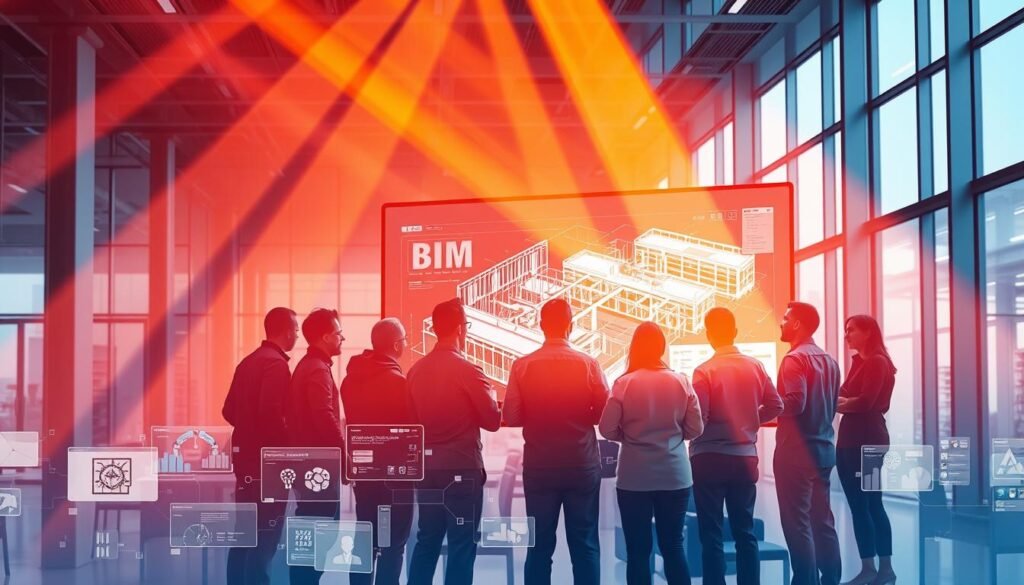
Consac offers key features that make it a great choice for engineers and teams worldwide. These features help with smoother workflows, clear accountability, and predictable handoffs.
Real-time communication tools
Instant updates keep everyone on the same page. Features like in-model comments and integrated video/voice links cut down on long emails. This reduces version conflicts and supports work across continents.
Notifications highlight model changes and task impacts. Teams using BIM coordination tools find clash resolution faster and have clearer audit trails.
Integrated project management
Task tracking links directly to model events, giving context to every action. Scheduling adapts to rolling handoffs, keeping teams in India, the UK, and Australia moving.
Dashboards show status, cost, and risk metrics in one place. This lets us predict issues and align resources across disciplines.
Seamless file sharing
Cloud-hosted, lightweight models reduce large-file transfer delays. A single source of truth enforces structured naming and ownership, avoiding duplication and misrouting.
Consac’s file system supports common exchange formats. It promotes smooth BIM software integration with Revit, Navisworks, and other tools.
Technical requirements are simple: reliable broadband, compatible hardware, and standardized software. We suggest a pilot rollout to test workflows, refine naming, and scale the platform with minimal disruption.
Case Studies: Consac in Action

We share stories of how cloud-connected workflows sped up design, cut down errors, and made handovers smoother. Each story shows how BIM Collaboration led to real gains. You can apply these lessons to your projects.
A big hospital renovation found hidden asbestos early, saving $180,000. It also found ways to add 15% more patient rooms without growing the building. These successes came from clear communication and model updates that reduced mistakes and sped up the project by three months.
Another campus project used smart clash detection and scheduling to avoid delays and extra costs. Maintenance got better too, with a 30% faster response time after using the shared model. Energy savings also followed when teams could manage systems better.
Implementation Pattern
- Start with a pilot project to test processes and tools.
- Define who owns the model and agree on names early.
- Check network, bandwidth, and hardware before growing.
- Have regular virtual meetings to keep everyone on track.
- Expand the model to other projects once you have a solid process.
Lessons Learned from Real-Life Implementations
Clear rules for who owns the model and naming avoid extra work. Training remote teams on BIM and project communication ensures quality work. Early checks on bandwidth prevent slowdowns during busy times.
Choose the right tools for specific tasks: clash detection, cost analysis, and scheduling. Make sure they work with your model. Also, protect data with clear contracts that cover fees, work, and data handling.
AI in BIM has made projects better. It helps find clashes faster, plan better, and spot cost issues early. These tools help teams make quicker, smarter choices.
For more project examples or to ask about case studies, email info@consac.com. For tips on turning old drawings into BIM models, check out our guide on converting paper drawings to BIM models.
| Metric | Outcome | Primary Driver |
|---|---|---|
| Change order savings | $180,000 avoided | Early model validation and site scan integration |
| Space utilization | +15% patient rooms | Programmatic analysis within the federated model |
| Renovation timeline | -3 months | Improved BIM project communication and real-time updates |
| Maintenance response | -30% response time | Shared asset data and operational workflows |
| Energy performance | Significant savings | Systems management driven by consolidated BIM data |
Enhancing Team Collaboration

We focus on making collaboration work. We use shared naming conventions and clear model ownership. Regular virtual meetings help avoid confusion.
Short decision logs keep track of changes and speed up reviews.
Best Practices for Effective Communication
Start with a single source of truth: a coordinated model. Everyone should treat it as a shared asset. Use in-model comments and visual markups for quick clarity.
Hold synchronous meetings to solve complex issues fast.
Assign model ownership to each discipline for clear responsibility. Standardize version histories and keep a decision log accessible. These habits improve BIM project communication and reduce rework.
Tips for Successful BIM Workflow
Start with a pilot project to test tools and rules. Use standardized software platforms and minimum hardware specs to avoid bottlenecks. Link tasks in your project-management system directly to model elements to trace progress.
Invest in hands-on workshops and role-based training to build skills and confidence. Encourage a culture where teams adopt Collaborative design in BIM and treat the model as a living resource.
Guard data with clear governance: define confidentiality, IP ownership, fees, and service limits in contracts. Consac’s approach to contractual clarity supports secure BIM data sharing and predictable handoffs.
Explore how MEP trends and data-driven projects shape collaboration by reading this analysis on digital workflows that links sensor-driven simulations with team.
| Practice | Action | Benefit |
|---|---|---|
| Naming Conventions | Adopt a firm-wide standard and train all users | Faster file retrieval and fewer clashes |
| Model Ownership | Assign discipline leads for each model area | Clear accountability and faster approvals |
| Coordination Meetings | Schedule regular short virtual meetings with agendas | Reduced coordination lag and quicker decisions |
| In-Model Communication | Use comments, markups, and version history tools | Better context and lower misinterpretation |
| Pilot Projects | Run a small-scale pilot before full rollout | Risk reduction and refined workflows |
| Data Governance | Define IP, confidentiality, and service limits in contracts | Protected assets and clear legal expectations |
Overcoming Challenges in BIM Collaboration

We face tight schedules, mixed software stacks, and large models when working across borders. These obstacles slow progress and create friction in BIM Collaboration. We outline common pain points and practical responses to keep teams productive and aligned.
Common Obstacles Teams Face
Email-based file sharing causes version control issues and lost time. Time zone gaps delay decisions and handoffs. Large model files choke networks and storage.
Hardware mismatches and incompatible applications block workflow continuity. Unclear model ownership and inconsistent naming conventions make accountability hard to enforce. Spotty internet or service interruptions add technical risk; Consac’s terms note no guarantees of uninterrupted service.
Strategies to Address Collaboration Challenges
Move heavy models to cloud-hosted, lightweight representations to avoid repeated large-file transfers. This step eases bandwidth pressure and speeds review cycles.
Standardize software and minimal hardware specs across partners. Use approved BIM coordination tools like Autodesk BIM 360, Trimble Connect, or Navisworks to reduce compatibility gaps and simplify training.
Set clear model ownership, role-based access, and naming rules at project start. Create a short naming guide and enforce it with automated checks to prevent drift.
Schedule overlapping windows for live handoffs so teams in India, the UK, and the U.S. can perform real-time reviews. Run short pilot projects to test protocols, then refine them before broad rollout.
Define legal and contractual terms up front: fees, confidentiality, IP ownership, and termination clauses. Consac’s published Terms emphasize fee obligations, confidentiality commitments, IP clarity, and exit provisions—use these topics as a checklist when drafting agreements.
Mitigate risk with frequent backups, integrity monitoring, and automated QA. Adopt AI-enabled clash detection and validation tools to catch issues early. Combine automated checks with quick manual review to balance speed and judgment.
Train teams on Virtual collaboration in BIM best practices and on how to use BIM coordination tools. Clear processes, shared standards, and a culture of accountability reduce rework and raise delivery confidence.
The Future of BIM Collaboration
We’re moving towards cloud-first workflows, smarter models, and better tool chains. This change is driven by the need for quicker decisions and clearer handoffs. It will help teams in India and around the world work better together.
Trends Shaping the Future
Cloud adoption will lead to continuous, real-time workflows. Teams can work across time zones and keep models up to date. This reduces rework and delays.
AI will soon go beyond analysis to action. Expect automated clash detection, predictive scheduling, and cost forecasting. These features will flag risks early on.
Open data standards and better BIM software integration will make it easier to work together. Firms can use the best tools without being tied to one vendor.
Operational practices will become more formal. Naming conventions, ownership rules, and phased pilots will become common. These steps will make rollouts smoother and help teams measure value quickly.
Innovations on the Horizon
Digital twins and IoT links will create living models for operations. Facilities teams will use sensor-fed twins to tune performance and spot maintenance needs. This will extend asset life.
Mixed reality will improve stakeholder buy-in. Virtual walkthroughs will let clients and contractors resolve design questions before construction starts.
We expect richer BIM cloud collaboration platforms. These will integrate analytics, version control, and field feedback. This will help project leads surface insights and keep budgets aligned with reality.
For teams in India, the shift offers opportunities. 24-hour workflows, skill upskilling, and access to global projects are within reach. Consac aims to support this move by enabling smoother BIM Collaboration and simplifying BIM software integration.
| Trend | Impact | Practical Result |
|---|---|---|
| Cloud-first workflows | Continuous access to live models | Reduced rework, faster approvals |
| AI in BIM | Automated clash detection and prediction | Fewer delays, better cost control |
| Interoperability | Smoother data exchange across platforms | Improved coordination between disciplines |
| Digital twins & IoT | Real-time operational insights | Optimized asset performance and maintenance |
| AR/VR adoption | Enhanced stakeholder understanding | Faster decision-making and fewer surprises |
We recommend teams explore pilot projects and test BIM cloud collaboration workflows in low-risk phases. For a thorough look at where BIM is headed, read this industry perspective at the future of BIM.
Integrating BIM with Other Technologies

We look at how BIM makes construction projects stronger by working with sensing, analytics, and automation. BIM software integration brings digital twins and live monitoring. This turns projects into dynamic systems that help in design and operations.
Smart buildings need sensor data. IoT devices send data like temperature and occupancy to models. This data helps check performance, save energy, and plan for the future.
For BIM data sharing, we use standard schemas and APIs. This makes it easier for teams to work together. It also helps create accurate digital twins for facility managers and engineers.
Being ready is key. Check network capacity and secure hardware before starting. Make sure contracts cover who owns model elements and data privacy.
BIM and IoT: A Perfect Match
IoT sensors make models come to life. They show how buildings perform under different conditions. This leads to fewer surprises and better lifecycle costing.
Digital twins are created when BIM models get telemetry data. Owners get real-time dashboards and alerts. Teams use this info to improve schedules and reduce waste.
The Impact of AI on BIM Collaboration
AI in BIM checks for clashes and suggests changes. It finds patterns in data that humans might miss. This leads to fewer mistakes and cost savings.
Video analysis and automated QA are changing site reviews. AI spots problems, estimates progress, and suggests fixes. This makes sites safer, builds faster, and saves money.
Good integrations balance automation with clear roles. Companies like Autodesk and Trimble offer APIs for easy integration. Service partners handle secure data sharing. It’s important to have clear SLAs for data access and responsibility.
To start using these systems, teams should follow three steps. First, define data standards. Then, test end-to-end flows. Lastly, train users on AI insights. This leads to better decisions, fewer delays, and stronger teamwork.
Why Choose Consac Over Other Platforms
We think the best digital design tools offer clarity, control, and clear results. Consac BIM combines technical training with cloud services. This makes BIM Collaboration easy for all sizes of firms. Our method ensures quality as teams grow.
Unique Selling Points of Consac
Consac focuses on teaching teams to use BIM tools. We also provide CAD and BIM services with clear terms. This way, there are no surprises about costs or what you get.
We start with a pilot for cloud BIM rollouts and then grow. We protect your data and IP with strict contracts. If we use third-party software, we tell you and manage it well.
We handle risks and liabilities smartly. Liability is capped at what you pay, and we can pause services if you don’t pay. You must give us the data we need and understand that services might not always be perfect. This keeps everyone on the same page and projects moving forward.
Customer Testimonials
Our clients see big improvements with Consac BIM and our tools. A contractor cut down on rework thanks to better clash resolution. An architectural firm got faster approvals with cloud BIM.
Another engineering team had fewer meetings and better handoffs to site teams. For more proof, ask for references and project details at info@consac.com.
Building a Collaborative Culture
We build teams that see the shared model as the truth. A strong culture makes BIM collaboration a daily habit, not an afterthought.
We foster trust and clear roles to cut down on rework. We reward teamwork across disciplines and teach BIM standards from the start. We also offer short workshops and hands-on labs to boost confidence in India.
Fostering Team Relationships
Regular meetings keep everyone on the same page. We suggest cross-functional sessions and paired-work to build strong bonds between engineers, constructors, and clients.
Mentorship programs speed up skill sharing. Paired reviews help everyone’s voice be heard in inclusive reviews.
To ensure smooth BIM project communication, we set up meeting schedules, decision logs, and clear action owners. This clarity makes handoffs predictable and measurable.
Importance of Leadership in BIM Collaboration
Leaders must support standardized naming, ownership, and permissions. Clear leadership helps avoid confusion about who edits the model.
Leaders should invest in pilot projects and training. We link these efforts to Consac’s mission: to transform education through inspiring, practical learning.
Operational safeguards protect teams and clients. Contracts must outline fees, deliverables, IP rights, termination terms, and BIM data sharing expectations to reduce risk.
| Focus Area | Practical Action | Expected Outcome |
|---|---|---|
| Shared Ownership | Define model custodians and versioning rules | Fewer conflicts and faster issue resolution |
| Cross-Discipline Collaboration | Reward joint deliverables and run paired-work labs | Improved design quality and team cohesion |
| Training & Upskilling | Offer workshops, hands-on labs, guided pilots | Higher competence and faster adoption |
| Communication Protocols | Set meeting cadences and decision logs | Clear BIM project communication and accountability |
| Data Governance | Standardize naming, access roles, IP clauses | Secure BIM data sharing and legal clarity |
Getting Started with Consac
We make starting BIM Collaboration easy for teams in India. First, check your current workflow and what’s not working. Then, decide what success looks like and choose a project to test it.
Being clear about who owns the model, how things are named, and what tech you use is key. This sets the stage for your BIM journey.
Next, make sure your network and hardware can handle BIM cloud work. Run your pilot project with regular virtual meetings. Use BIM tools to find and fix problems and learn from them.
Also, write down all the important details like what’s included, how much it costs, and how you’ll pay. Make sure you agree on who owns what and how you’ll end things if needed.
For your team to grow, use Consac’s training and resources. Learn about cloud BIM, AI, and BIM–IoT. This article on AI in HVAC design is a good place to start.
When you’re ready, ask for a pilot or training at info@consac.com. Start small to build confidence and improve your BIM skills. This way, you can grow your BIM cloud work with the right tools.