



Exploring Bengal culture through literature, Durga Puja, and the Bengali Renaissance reveals Bengal’s soul. This era didn’t just shape art; it also brought about big social changes. It has deeply influenced who we are today.
Rabindranath Tagore’s work has made Bengali literature more vibrant and meaningful. Durga Puja celebrations add to this richness, bringing people together. These elements weave a heritage that inspires and connects us all.
The Essence of Bengal Culture
Bengal culture is a vibrant mix of history, art, and literature. It shows how different traditions and influences have blended over time. Folk art, music, and writings like poetry and novels tell the stories of its people.
Its celebrations, arts, and gatherings bring people together. This creates a strong sense of community. Looking into its history, we see how it shapes who we are and our society’s story. The Bengali Renaissance was a key time that changed how we see ourselves and our community.
Historical Background of the Bengali Renaissance
The Bengali Renaissance started in the late 19th century. It deeply changed the region’s culture and society. This time was a response to colonial rule, making thinkers question old ways.
During this change, people started pushing for social reforms. They challenged old norms and practices that lasted for centuries. Topics like women’s rights, education, and Bengali culture became key areas for improvement.
Leaders like Ishwar Chandra Vidyasagar and Bankim Chandra Chatterjee led these efforts. They sparked a change that lasted for many years. Their work made the educated and artists feel proud and united, marking the Bengali Renaissance.
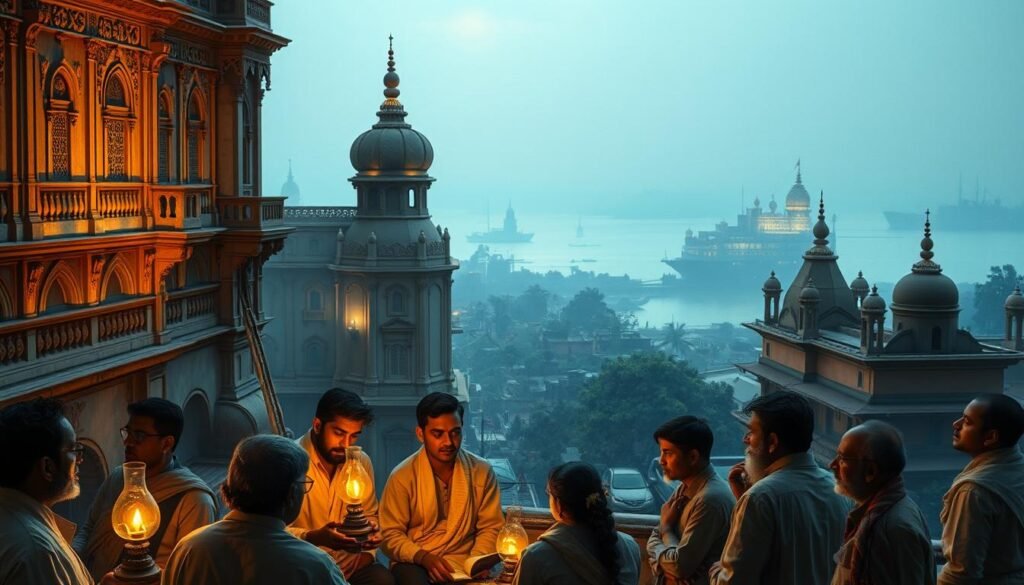
Influence of Tagore on Bengali Literature
Rabindranath Tagore is a giant in Bengali literature. His works bridge old and new, showing the growth of Bengali culture. His writings are full of deep emotions and ideas, drawing readers into his world.
His impact goes beyond his own time. He inspires many writers today, shaping Bengali literature.
Tagore’s Major Works
“Gitanjali” is a highlight of Tagore’s works. It won him the Nobel Prize in 1913, making him famous worldwide. Other key works like “The Home and the World” and “Chokher Bali” also show his genius.
These works give deep insights into human connections and society. They add layers of meaning to Bengali literature.
Impact on Modern Bengali Writers
Tagore’s legacy affects modern writers deeply. They find inspiration in his themes and style. Authors like Jibanananda Das and Sunil Gangopadhyay explore love, nature, and life’s big questions.
They add their own stories to the mix, keeping Bengali literature vibrant. This tradition of innovation keeps Tagore’s spirit alive in their work.
Celebrating Durga Puja: A Cultural Extravaganza
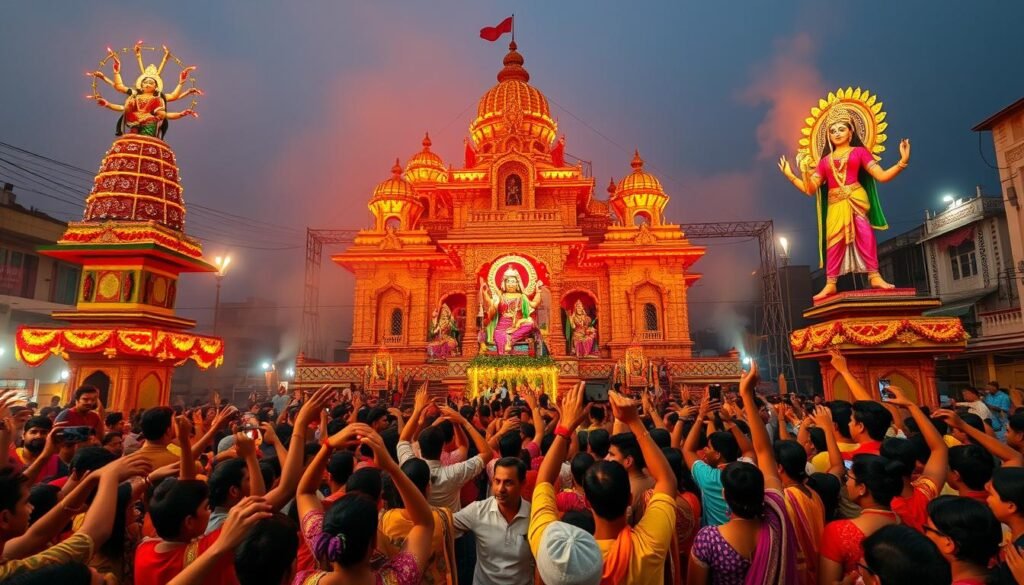
Durga Puja is a vibrant celebration that shows the spirit of Bengal. It’s filled with rich traditions and rituals that bring people together. During the ten-day festivities, we see joy, devotion, and artistry that make our community richer.
Traditions and Rituals of Durga Puja
The heart of Durga Puja is its traditions and rituals. From setting up the idol to the “Bodhon” ceremony, each step is important. The preparations, decorations, and art show our community’s devotion and creativity.
Devotional songs and dances bring these traditions to life. They showcase Bengal’s rich folklore and mythology.
Role of Community in Festivities
At the core of Durga Puja are the community celebrations. Friends, families, and neighbors work together. They plan events from starting pandals to cultural programs.
This teamwork strengthens social bonds and shows the value of collaboration. Seeing the joy in everyone’s faces reminds us of the community’s role in these celebrations.
The Role of Literature in Shaping Society
Literature is a key tool for reflecting and changing society. It helps us understand and interact with the world. In Bengali culture, it captures emotions and talks about social issues.
Through stories of everyday life, literature shows us struggles and victories. It shapes our views on important topics like caste, class, and gender.
The Bengali Renaissance brought literature to the forefront. It gave a voice to the voiceless, sparking conversations and change. These stories connect people to their heritage and dreams.
This connection between literature and society highlights its power. It advocates for social issues and strengthens cultural identity.
Festivals: A Reflection of Bengali Life
Bengali festivals show the lively spirit of the region. They are filled with traditions and customs. These celebrations are key to Bengali identity and community life.
Exploring different festivals, we see the joy they bring. We also see how they tell stories in Bengali literature.
Cultural Significance of Bengali Festivals
The cultural significance of Bengali festivals is deep. They reflect the values and history of Bengalis. Festivals like Durga Puja, Pohela Boishakh, and Kali Puja help people feel connected to their heritage.
These events also spark creativity. They inspire artists and participants to express themselves.
Festivals and Their Impact on Bengali Literature
Writers often use Bengali festivals in their stories. The influence on literature is seen in many forms, like poetry and drama. The lively scenes of these festivals add depth to stories about emotions, community, and the divine.
As literature grows, the spirit of these festivals stays strong. They remind us of their important role in Bengali culture.
Art and Literature: A Symbiotic Relationship
In Bengal, art and literature blend together beautifully. This mix makes both art and literature shine brighter. It creates spaces that teach and motivate us.
Art tells stories that writers have crafted. And words bring to life the pictures made by artists. They help us see and feel different views on life and society.
For centuries, artists and poets have worked together in Bengal. Their teamwork sparks new art movements. It shows how each art form can make the other better.
From beautiful pictures in books to poems that add depth to art, their connection is strong. It keeps the conversation about culture alive and vibrant.
Bengali Food: Culinary Traditions during the Festivals
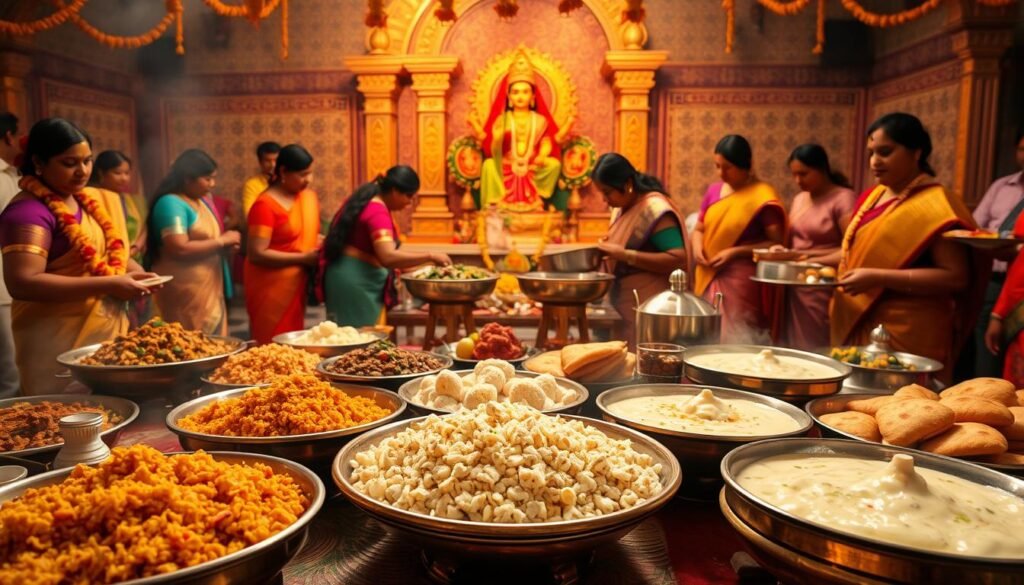
Exploring Bengali culture means diving into its rich food traditions, highlighted during Durga Puja. This festival is a feast for the senses, with dishes that show off Bengali heritage and community spirit.
Famous Dishes Cooked During Durga Puja
During Durga Puja, families gather to make traditional Bengali dishes. These dishes are not just tasty but also carry deep meanings. Some of the most loved dishes include:
- Shorshe Ilish – Hilsa fish in mustard sauce, a true Bengali culinary gem.
- Aloo Potol Posto – A mix of potatoes and pointed gourd with poppy seeds, a favorite at home.
- Chingri Malai Curry – Prawns in coconut milk sauce, a hit at family gatherings.
- Mishti Doi – Sweet yogurt, enjoyed as a dessert, making moments unforgettable.
Influence of Food on Bengali Literature
Food is a big deal in Bengali literature, going beyond just eating. Writers use food to express feelings and cultural identity. Meals in stories often stand for love, connection, and memories.
Authors have beautifully woven Bengali food into their stories. This mix of food and literature makes Bengali tales both touching and deep.
The Legacy of the Bengali Renaissance in Modern Literature
The Bengali Renaissance has left a lasting mark on modern literature. It has shaped the stories and themes of today’s writers. They explore ideas of identity, class struggle, and cultural change.
Modern authors bring new life to these themes. They show how the Renaissance continues to influence literature today.
Modern Interpretations and Themes
Today’s writers tackle complex stories that echo the Bengali Renaissance. They focus on themes like individuality, social change, and finding one’s identity. These themes are seen through new eyes, making today’s issues relatable and connected to history.
Influential Contemporary Writers
Some writers stand out for their connection to the Bengali Renaissance. They include:
- Shahriar Kabir: His poetry tackles complex social and political issues, echoing the past.
- Humayun Ahmed: Ahmed’s stories mix reality with magic, showing the heart of Bengali life today.
- Selina Hossain: Her work sheds light on women’s roles in society, echoing the Renaissance’s call for equality.
These writers not only offer new views but also keep the Bengali Renaissance alive in today’s literature.
Durga Puja and Its Literary Depictions
Durga Puja is a source of inspiration for many writers. It brings out deep feelings through poetry and stories. These works show the festival’s importance in Bengali culture, touching on themes like mythology, femininity, and pride.
Poetry Inspired by the Festival
Poets use Durga Puja’s imagery and emotions in their work. They show the goddess Durga as a symbol of strength. Their poems capture the festival’s spirit with vivid metaphors.
- Imagery of the idol adorning the pandal
- Expressions of communal harmony during the festivities
- Reflections on the transient nature of beauty and life
Prose and Plays Featuring Durga Puja Themes
Authors in prose explore the cultural and social sides of Durga Puja. Plays bring the festival to life, from preparation to immersion. These works show how the festival changes people and communities.
- Conflict and resolution themes centered around the festival
- Character studies reflecting the societal roles during Durga Puja
- Exploration of family and community ties strengthened through celebrations
Exploring Bengal Culture Through the Ages
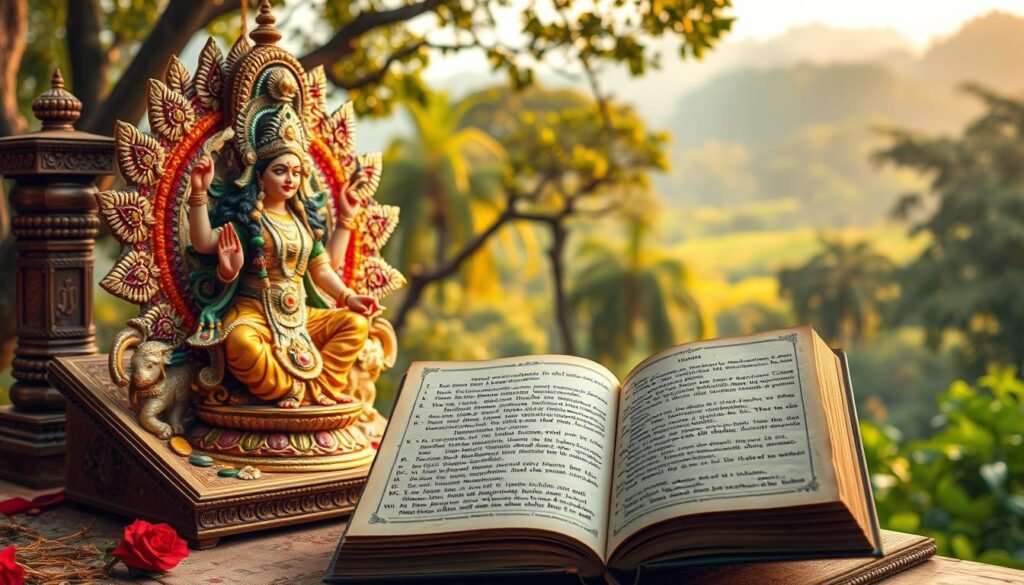
Exploring Bengal culture shows us a story of change. This vibrant culture has seen many shifts, thanks to social and political changes. From ancient scripts to living folk traditions, Bengal’s culture shows its strength and ability to adapt.
The mix of old and new in Bengal’s history is key. Events like the Renaissance and colonial times have shaped its art. Each time period adds something new to literature, music, and art, showing a never-ending journey of creativity.
Looking at these cultural layers, we see how Bengal’s culture is part of everyday life. Celebrations, literature, and art show this cultural growth. It not only affects the region but also touches people all over the world.
Challenges and Changes in Contemporary Bengali Literature
Today, Bengali literature faces big challenges in a fast world. Globalization changes how stories are told, bringing in many new influences. The digital age has opened up new ways for writers to share their work, but they must adapt.
The world is changing, and so is literature. Writers must keep their stories true to their culture while reaching out to a new, diverse crowd. This shift leads to new ways of writing, showing the complexity of life in Bengal today.
New styles and ways of writing are coming up, letting authors tell stories in new and exciting ways. Even with the risk of losing some of its original charm, Bengali literature is growing. It’s all about finding new ways to tell old stories, making it relevant for today’s readers.
Conclusion
Our journey has shown how literature, Durga Puja, and the Bengali Renaissance are deeply connected. Each part is a key part of Bengal culture. They show how personal stories and shared experiences blend to create a rich cultural heritage.
Durga Puja is more than a festival; it sparks creativity and brings people together. The lively traditions during this time are reflected in literature. This shows Bengal culture’s spirit remains alive and changing.
By studying these connections, we learn to value and support Bengal’s literary tradition. Honoring our heritage opens doors for new stories and ideas. This ensures Bengal’s culture and literature will keep inspiring future generations.