


Did you know? Consac’s archives show over 30 years of engineering work across continents. This highlights the power of focused research and digital innovation to reach beyond borders.
We see International Engineering Partnerships as key to modern infrastructure. At Consac, we connect India, the U.S., and Norway through detailed engineering, digital workflows, and R&D for sustainability. It’s more than just working together; it’s a global model of engineering collaboration.
Our work with tech firms like CSoft leads to global engineering projects. These projects use smart BIM tools to share detailed cable and insulation standards across different rules.
This article shows how Consac India Norway U.S. makes cross-border work happen. We combine deep technical knowledge, research for sustainability, and a culture of learning. For project inquiries, email us at info@consac.com.
The Importance of International Engineering Partnerships

We see international engineering partnerships as key to innovation and progress. When teams from different countries work together, they make things faster and better. This is important for countries like India, the U.S., and Norway as they work on big projects.
International Engineering Partnerships mean teams from different countries working together. They share goals, tools, and work together to achieve big projects. This is a big step from just consulting to building lasting partnerships.
Working together helps solve problems with standards and rules. Partners help make things work the same way everywhere. They use documents like CENELEC HDs to make designs work across different places.
The benefits are clear. First, working together speeds up finding new ideas. Second, sharing costs and risks makes things more affordable. Third, it helps make projects more sustainable and predictable.
Tools and workflows get better too. For example, the work between Consac and CSoft shows how combining software and knowledge makes things easier. This leads to better decisions and more efficient projects.
Projects also get better through sharing knowledge. Teams learn from each other through workshops and reviews. This helps them use new ideas and grow their projects.
Real-life examples show how it works. Consac and CSoft’s work is a good example. They combined local knowledge with software skills to achieve great results in big projects.
Consac’s Role in Global Engineering Collaboration
Consac combines precision engineering with digital advancements. It focuses on detailed engineering and research and development through Consights. CEO Frode Rødland and the team aim for a mix of tradition and innovation to add value worldwide.
Overview of Consac’s Mission
Our mission is to achieve engineering excellence with a focus on sustainability. We embrace digital advancements like digital twins and generative design. This approach supports global collaboration while ensuring local safety standards.
Key Services Offered by Consac
We offer key services like applied R&D, BIM integration, and predictive energy modeling. These services help improve the performance of aging infrastructure in India and other markets. They also reduce retrofit costs.
Our technical expertise includes cable selection and insulation standards. We conduct multi-jurisdictional testing. This expertise helps multinational teams create designs that meet various codes.
For insights on AI in HVAC and design, check out this article on HVAC innovation.
Building Relationships Across Borders
We build trust through partnerships and knowledge sharing. Our alliances with CSoft and an India team enhance our technical capabilities. Workshops and forums keep our communication open and ongoing.
We bring together teams with local and global expertise. This approach helps projects meet various regulations while keeping costs in check.
Contact us at info@consac.com to discuss partnerships or R&D collaborations that span across the globe.
Engineering Challenges Addressed by Consac
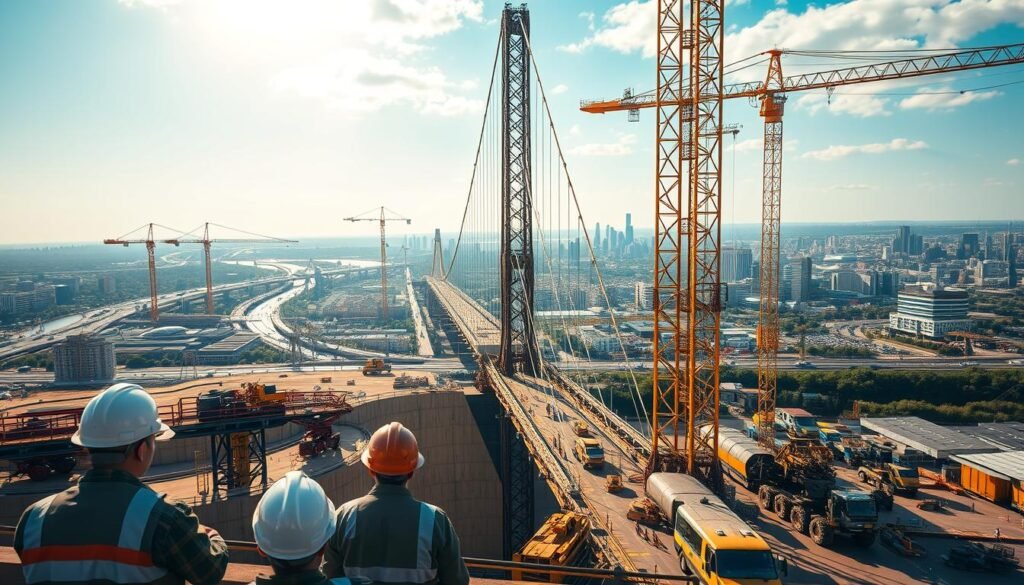
We tackle many technical and environmental challenges in our projects. We work on international infrastructure and urban renewal. Our goal is to make designs workable, testable, and follow rules in India, the U.S., and Norway.
Infrastructure Development Needs
Big projects need standard rules, detailed plans, and scalable methods. Cable engineering is a good example. We must choose the right conductors, insulation, voltage, and meet standards like IEC, BS, and CENELEC early to avoid mistakes.
We lower risks by creating digital tools and automating checks. These tools ensure designs meet local test standards. This makes projects run smoother and on time.
Environmental Sustainability Issues
We think about the whole life of a project to cut down on carbon and emissions. We use LCA data in BIM, design smartly to use less material, and model energy use. This helps projects meet green goals without breaking the bank.
After a project is done, digital twins help improve its performance. This lets clients reach their green targets while keeping costs down.
Technology Transfer Complexities
Sharing software, workflows, and knowledge between teams can be tough. Issues like different CAD/BIM systems, data loss, and varying standards slow things down. These problems increase costs and delay projects.
We solve these problems by learning from past projects, training, and choosing the right partners. We make data conversion easier and check models carefully through simulation and clash detection.
For more on BIM challenges, see our note here. Reach out to us at info@consac.com to talk about how we can make projects faster and more compliant.
Highlights of India-U.S. Engineering Collaborations

We’ve seen great progress in engineering work between India and the U.S. Our projects have set new standards. Working with teams like CSoft and Consac has helped us deliver more efficiently across both countries.
Our joint efforts have led to smart BIM tools and design automation. These tools have made drawing faster and improved teamwork on big projects.
Our innovations include better detailing automation and energy modeling. We’ve also created digital twins for projects. These tools are tested in small projects before being used on a large scale.
From our past work, we’ve learned the importance of technical harmony. This makes procurement and testing smoother. For example, aligning voltage and insulation standards has saved time and effort.
We’ve found that starting with standardization is key. This avoids delays and ensures projects run smoothly. Here are some practical steps to strengthen our partnerships:
- Harmonize standards at project kickoff to limit specification gaps.
- Use data-driven simulation to de-risk design iterations.
- Embed iterative feedback loops through workshops and peer reviews.
- Prioritize knowledge exchange between field teams and R&D units.
| Area | Practical Output | Benefit for India–U.S. Projects |
|---|---|---|
| Joint R&D (Consac + CSoft) | Smarter BIM tools and automation | Faster detailing, fewer clashes, lower labor hours |
| Technical Harmonization | Aligned voltage, insulation, test protocols | Reduced procurement delays and rework |
| Digital Twins & Simulation | Predictive energy models and generative designs | Lower lifecycle costs and quicker approvals |
| Knowledge Exchange | Workshops and cross-team peer reviews | Stronger trust in cross-cultural engineering partnerships |
For more information or to collaborate, email us at info@consac.com. We’re excited to discuss more ways to grow our engineering partnerships.
Norway’s Contribution to International Engineering

We use Consac’s Norwegian roots to show how a small engineering culture can impact big projects. Norway focuses on renewable energy, strong standards, and export-ready tech. This helps us work on projects worldwide.
Renewable Energy Projects
Norway leads in offshore wind and hydropower. We turn their ideas into ready-to-go packages. These include energy models and digital twins, making projects faster and safer.
Maritime Engineering Advances
Norwegian yards are known for submarine cables and testing. We use their high standards for our projects. This ensures our work meets local and global rules.
Technological Innovations in Infrastructure
We mix software, structural engineering, and design to save materials and make things stronger. Our use of design automation and workflows helps scale innovations. This makes projects in India and the U.S. more efficient.
Harmonizing regulations is key to making projects transferable. Knowing CENELEC and IEC rules helps us meet compliance. This builds trust with clients and partners, boosting global cooperation.
Here’s a quick look at Norway’s strengths and how they help exports:
| Norwegian Strength | Technical Focus | Export Benefit |
|---|---|---|
| Hydropower and Offshore Wind | Energy performance modeling, digital twins | Faster operations handover, lower lifecycle costs for Norway renewable energy projects |
| Maritime Engineering Tradition | Submarine cable armoring, insulation, testing standards | Higher reliability and regulatory compliance for maritime engineering advances |
| Generative Design and Automation | Material optimization, automated workflows | Reduced material use and repeatable designs for India and the U.S. |
| Standards Harmonization | CENELEC/IEC alignment and documentation | Smoother approvals and market access supporting global engineering cooperation |
Want to talk about solutions based on these strengths? Email us at info@consac.com.
How Cultural Differences Shape Engineering Work
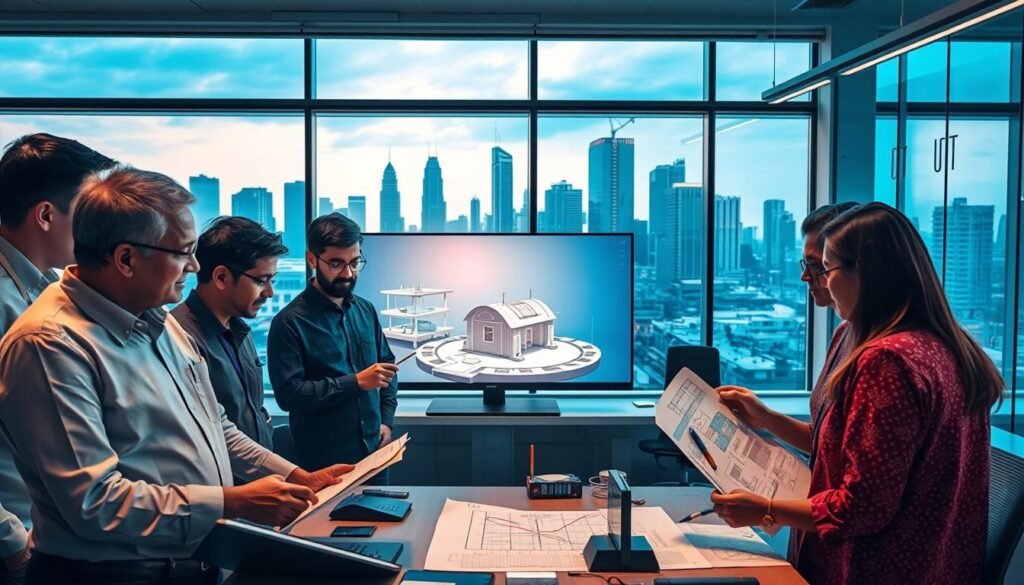
Cultural norms affect our daily lives, how we make decisions, and how we work together. In India, the U.S., and Norway, we’ve found that a mix of empathy and structure helps. We see collaboration as a journey of learning, starting with curiosity, then standards, and always with feedback.
Work ethics play a big role when teams meet deadlines and decide what to do first. In India, we often work flexible hours and have many stakeholder reviews. In the U.S., decisions are made quickly and there’s clear responsibility. Norway focuses on reaching consensus and planning for the long term.
We match our project pace to these cultural rhythms by making clear agreements. We set milestones that fit local schedules and mark tasks with shared documents. This approach helps our multinational teams work smoothly and keeps the project moving forward.
Communication styles vary by culture and medium. In some places, direct talks work well. In others, written plans are better. We use technical documents in a neutral language to avoid misunderstandings.
Working with partners like CSoft taught us to create a shared design language. We define how things will work together, what needs to be done, and when. This helps when engineers and experts from different fields work together.
We encourage curiosity through workshops, peer reviews, and technical talks. We have sessions where we share knowledge and ask questions. This builds trust among our global team.
Trust grows when we have clear ways to communicate and give feedback. We have rotating leaders, regular meetings to review, and decisions recorded for everyone to see. These steps help keep our projects going and support our global partnerships.
Empathy helps us manage expectations and pace. We respect different ways of making decisions and adjust our work to fit those expectations. This way, our teams stay productive and respectful of each other’s differences.
Here’s a simple guide we use to handle cultural differences and improve teamwork.
| Challenge | Practical Step | Benefit |
|---|---|---|
| Different decision timelines | Map local approval paths and set phased milestones | Predictable delivery and fewer surprises |
| Varied communication styles | Adopt written standards (IEC/BS) and shared glossaries | Reduced ambiguity; consistent technical language |
| Misaligned expectations in co-development | Define interfaces, acceptance criteria, and review cadence | Smoother integration of software and domain work |
| Low initial trust across sites | Run workshops, peer reviews, and rotating leads | Faster rapport and stronger cross-cultural engineering partnerships |
| Time zone and scheduling friction | Use asynchronous documentation and staggered meeting times | Higher participation and fewer delays |
If you’re looking for ways to improve your team’s work, contact us at info@consac.com. We’re here to help advance multinational engineering teams and global collaboration.
Strategies for Successful Engineering Partnerships

We build partnerships that last by focusing on three key areas: documentation, shared goals, and local teamwork. These areas guide our daily work and long-term plans, even when teams are in India, the U.S., and Norway.
Clear documentation is key to keeping everyone on the same page. We use tools like Consights and CSoft-style repositories to keep BIM models, reports, and simulation outputs in one place. This makes it easier to track changes, review work, and analyze data quickly.
Clear communication engineering partnerships is more than just meetings. It’s about using agreed-upon templates, managing versions, and sharing updates based on KPIs. When teams use the same format, handovers are quicker and mistakes are fewer.
We set clear acceptance criteria early to avoid redoing work. We follow standards like IEC and CENELEC to set technical standards. Then, national approval bodies check if everything meets these standards, ensuring smooth procurement and construction.
Setting mutual goals helps us stay focused. We map out roles, set KPIs for sustainability and performance, and schedule feedback loops based on simulations. This turns big goals into daily tasks.
Local partners make plans a reality. They handle permits, understand local constraints, and connect us with suppliers. We involve local engineers from the start to reduce risks and speed up approvals.
Leveraging local expertise gives us access to better procurement and cultural fit. This approach shortens timelines and improves buildability by using local materials and labor skills.
We use practical tactics like a central BIM and data repository, agreed KPIs, mapped responsibilities, and staged validation cycles. These help us work together, use automated tools, and refine our work continuously.
| Strategy | Action | Immediate Benefit | Long-term Outcome |
|---|---|---|---|
| Documentation | Central BIM, Consights-style repository, version control | Faster handovers, fewer errors | Consistent design intent across borders |
| Shared Objectives | Define KPIs, set technical acceptance criteria, schedule reviews | Clear priorities, measurable progress | Aligned teams and predictable delivery |
| Local Collaboration | Engage local engineering partners and cert bodies early | Smoother approvals, better procurement | Reduced risk and improved constructability |
| Validation Loops | Simulation-driven checks, automated analysis, peer review | Faster design iterations | Optimized performance and lower lifecycle costs |
For project inquiries or to discuss implementation, contact us at info@consac.com.
The Future of Engineering Partnerships

We see a future with software-led collaboration, strict sustainability rules, and modular hardware. At Consac, we focus on AI ethics, sustainable R&D, and digital engineering. This points to partnerships that mix policy, data, and practical use.
Emerging Trends to Watch
Design automation and generative design will speed up work in India, the U.S., and Norway. They will also cut down on carbon emissions. Digital twins will evolve from prototypes to full lifecycle platforms with shared KPIs.
Advanced material intelligence will link LCA data to BIM in global projects. Cable and power-system improvements, like new insulation and high-voltage submarine cables, will need harmonized testing and shared knowledge.
Potential Areas for Growth
Infrastructure modernization, renewable grids, and maritime systems are key areas for growth. We predict transnational engineering ventures will focus on modular parts. These parts will be easy to install locally while meeting global standards.
R&D on sustainable materials and performance-based procurement will open new markets. Consac’s focus on responsible AI tools for engineering will become essential.
Predictions for Global Collaboration
Platforms will replace old point-to-point arrangements. Shared software ecosystems will host models, tests, and KPI dashboards for real-time access. Data governance and performance metrics will guide funding and procurement more than single-country specs.
We believe multinational teams will organize around modular standards and lifecycle outcomes. This structure will reduce deployment friction and scale well with sustainability metrics driving decisions across borders.
Contact: info@consac.com
Engaging Stakeholders in Engineering Projects

We focus on building strong relationships with stakeholders in complex projects. We use clear communication, share data, and align early to reduce risks. This approach makes project decisions clear and defendable.
Importance of Community Involvement
Getting the community involved is key for safety and success. When people understand the benefits, projects face fewer delays. We share research and updates to build trust and dialogue.
Stakeholder Analysis Techniques
We analyze who has influence and interest to focus our efforts. We use simulations to show energy use and costs. Digital tools create a shared view of project outcomes.
We hold workshops to address concerns and design solutions together. Keeping documents open helps everyone understand the project. Safety standards and certifications give assurance to all.
Building Support for Cross-Border Projects
For projects across borders, we tailor our message. We align stakeholders early to avoid delays and gain acceptance.
We use forums, multilingual materials, and dashboards to engage communities. These steps help get approvals from regulators and funders.
Table of common techniques and expected outcomes:
| Technique | What It Does | Expected Outcome |
|---|---|---|
| Stakeholder mapping | Identifies influence, interest and communication needs | Targeted outreach that reduces conflict and focuses resources |
| Scenario simulations | Models energy use, emissions and lifecycle costs | Data-driven decisions and clearer trade-offs for communities |
| Digital twins & dashboards | Provides real-time operational transparency | Greater trust from facility managers and public stakeholders |
| Participatory workshops | Co-design solutions with local groups and regulators | Higher buy-in and reduced opposition during construction |
| Compliance & certification | Applies safety testing and standards across borders | Regulatory confidence and improved social license |
We aim to include stakeholder engagement in every project phase. This builds momentum for global cooperation. For partnership inquiries, contact info@consac.com.
Measuring the Success of International Partnerships
We measure success by setting clear goals, checking progress often, and using feedback to improve. This method helps teams in India, the U.S., and Norway work together towards common goals and high standards.
Key Performance Indicators (KPIs)
We focus on a few important KPIs that work well everywhere. We look at how much carbon is saved, how accurate energy predictions are, and how fast projects are finished.
We also check how much of the work is automated and how much money is saved after a building is used. These metrics show how sustainable, fast, and valuable a project is.
Tools for Effective Evaluation
We use tools that help everyone measure the same things. BIM analytics and digital twin platforms give detailed insights. Dynamic energy modeling and LCA databases measure performance and carbon impact.
Standardized test reports help with technical details. Collaborative platforms make sure everyone can see and agree on the data. This keeps everything clear and fair.
Learning from Feedback Loops
Consac values feedback loops in engineering projects. We review projects to learn and improve. This way, each project helps the next one get better.
We save these lessons in knowledge platforms. Teams use them to make new projects better. This makes learning faster and builds trust in working together.
| Category | Metric | Evaluation Tool | Expected Outcome |
|---|---|---|---|
| Environmental Performance | Embodied carbon reduction (%) | LCA-integrated BIM, LCA databases | Lower lifecycle emissions and compliance with client targets |
| Energy Performance | Predictive vs. actual energy use (accuracy %) | Dynamic energy modeling, digital twin analytics | Improved model fidelity and operational savings |
| Delivery | Time-to-delivery (weeks) | Project management dashboards, BIM schedule reports | Faster design cycles and clearer milestones |
| Automation | Software automation coverage (%) | BIM analytics, workflow automation logs | Reduced manual effort and fewer errors |
| Operational Value | Post-occupancy operational savings (%) | Digital twin platforms, O&M data | Validated lifecycle cost reductions |
| Technical Compliance | Harmonized test pass rate (%) | Standardized test reports for cables and safety | Acceptable certification across jurisdictions |
For questions or to share project data, contact us at info@consac.com. We welcome collaboration that links robust KPIs international partnerships with proven evaluation tools global engineering collaboration and tight feedback loops engineering projects.
Conclusion: The Path Forward for Consac and Global Engineering
Consac has grown a lot over 30 years. It started with expertise in structural detailing and then moved to digital innovation. It also created Consights, a platform for sharing research and new ideas.
This mix is key for the future of global engineering. It helps teams in India, the U.S., and Norway work together better. They need to balance technical skills with new ideas to achieve success.
Working with CSoft showed us a good way to collaborate. We developed tools together and used them in projects. This approach helps teams work better and encourages innovation.
We want to work with more people. If you’re interested, let’s talk. Share your projects and ideas with us. Join our discussions on Consights.
Let’s focus on making things better for the planet and improving performance. We should also work on standards and testing to ensure projects succeed worldwide. For more information or to propose a partnership, email us at info@consac.com.