



Nearly 70% of rework on construction sites comes from drawings not matching reality. We use technology and discipline to fix this.
At Consac, we mix the Sage’s wisdom with the Creator’s creativity. Our goal is to change how construction is done in India and worldwide. We offer construction tech and engineering services like BIM, detailing for different materials, and custom software.
Our team of about 46 experts helps engineers, professors, and students. They focus on modern methods like Cold-Formed Steel (CFS). Our leader, Frode Rødland, values precision, trust, sustainability, and learning.
We use 3D workflows to keep everything accurate. This way, drawings, bar lists, and schedules are always up-to-date. See how we do rebar detailing and 3D modeling here: rebar detailing and 3D modeling.
Our approach works for any project, big or small. It makes projects cheaper, greener, and easier to build. For more info or to work together, email us at info@consac.com.
Understanding Digital Transformation in Construction
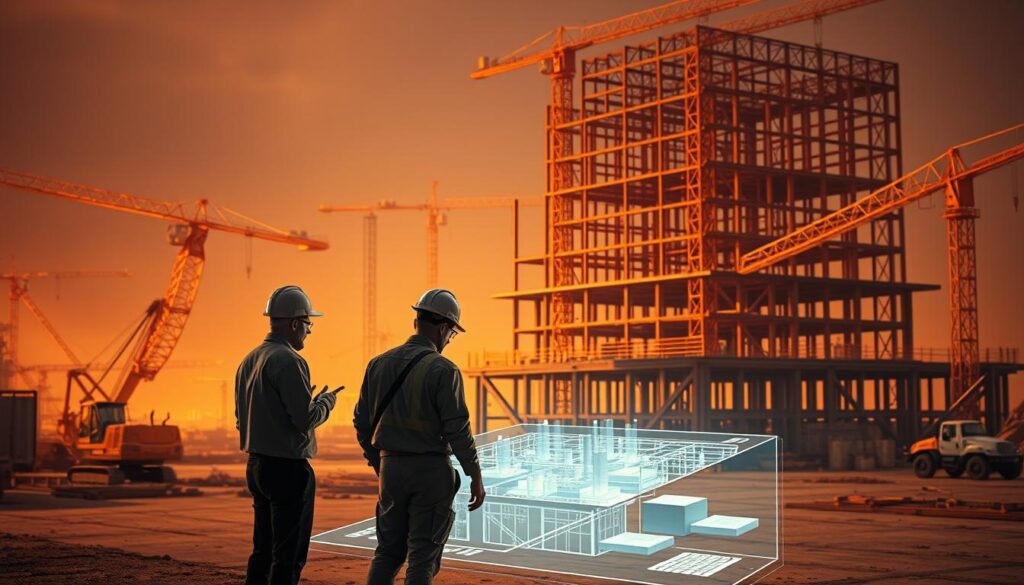
We explore how projects are changing from old methods to new, connected ways. This change brings faster work, lower costs, and better results. It’s all about using new tools and working together better.
What is Digital Transformation?
Digital transformation in construction means using digital tools and processes. It changes how projects are planned, managed, and finished. Teams move from old, separate tasks to new, data-driven work.
Building Information Modeling (BIM) is key. It’s used for project data and design. When BIM works with other tools, projects get better and faster. This is great for India, where it helps build homes and offices quickly.
Key Technologies Driving Change
Several technologies lead the change. Building Information Modeling (BIM) helps with design and clash detection. Cold-Formed Steel makes building parts offsite for quicker assembly. Cloud computing and IoT sensors improve site monitoring and safety.
Construction Technology now combines hardware and software. It uses real-time data for better planning. Predictive analytics helps avoid delays. These tools make projects better and more efficient.
The Importance of Innovation
Innovation is key for lasting progress. Consac’s focus on R&D shows how learning leads to solutions. It cuts down on mistakes, boosts quality, and supports green building.
In India, this means saving on labour and transport costs. Projects get done faster in cities. It also helps train more skilled workers. Educational programs help engineers and students learn new Construction Technology skills.
The Role of Data Analytics in Construction

Data is key in today’s construction world. It turns raw data like schedules and cost sheets into clear signals. This change affects how teams plan, buy materials, and manage risks.
Enhancing Decision-Making
Data Analytics helps spot patterns quickly. Procurement teams link delivery records with site progress to avoid idle crews and material shortages. Design teams pair BIM outputs with cost reports to reduce unexpected changes.
We use Construction Project Management Software to create dashboards that trigger action. Alerts can prompt planners to reassign labor, adjust purchase orders, or reorder sequences. This way, decisions are based on evidence, not guesses.
Predictive Analytics for Project Success
Predictive analytics uses historical job records and live feeds from IoT devices and project platforms to forecast risks. It warns about likely schedule slippage, cost overruns, and structural issues before they happen.
In off-site cold-formed steel (CFS) production, predictive models help smooth fabrication timelines and reduce lead-time variance. BIM performance data feeds into these models, making rework and detailing more precise.
Integration with Construction Project Management Software means alerts reach project managers in real time. This supports the latest Construction Industry Trends: smarter planning, fewer delays, and measurable quality gains.
We teach these methods through case-based training and hands-on sessions. Students and practitioners learn to use analytics tools in real workflows. This way, theory turns into field-ready skills.
Embracing Cloud Computing

We see cloud platforms as key to modern Construction Technology. Moving models, drawings, and schedules to the cloud cuts down on email and file version issues. This change also reduces IT costs and ensures all teams work from the same source.
Cloud adoption makes it easy to scale: storage grows with the project and backups happen automatically. For India, this means local and remote teams can work together smoothly. It also protects detailed work from being lost.
Benefits for Builders
Having files in one place speeds up decision-making on site. Cloud-based Construction Project Management Software lets managers check changes from anywhere. This means teams spend less time looking for documents and more time solving problems.
Scalability helps during busy times. Security features like access controls and encrypted backups keep data safe. This frees up budget for training and tools that improve quality.
Streamlining Collaboration and Communication
Cloud-hosted BIM and collaboration tools make it easy to sync models and markups in real-time. Architects, engineers, and site teams can work together in one place.
Cloud features enhance Collaboration in Construction. Field teams can instantly update the central model with photos and reports. This reduces mistakes and improves project schedules for projects in India and abroad.
| Area | Cloud Advantage | Practical Result |
|---|---|---|
| Document Control | Versioning and centralized storage | Fewer RFIs and faster approvals |
| Project Coordination | Live model synchronization | Fewer clashes and clearer handoffs |
| Remote Work | Access from any device | Seamless work between office and site |
| Cost Management | Lower capital IT spend | Budget for training and tools |
| Security & Continuity | Automated backups and access controls | Protected high-precision engineering data |
The Impact of Building Information Modeling (BIM)

We view Building Information Modeling (BIM) as a key part of modern Construction Technology. It makes a single digital model of a project’s physical and functional aspects. This model helps teams make decisions and work together from the same place.
What is BIM?
BIM is like a digital twin of a building. It links geometry, materials, schedules, and performance data in one place. We use BIM to handle complexity in steel, concrete, and timber systems. Consac specializes in Building Information Modeling and offers modeling and BIM Detailing services for various materials.
How BIM Enhances Project Visualization
BIM makes project visualization better by providing clear 3D views and 4D sequencing. It lets stakeholders check spatial coordination, find clashes, and test construction sequences before starting. This reduces surprises and speeds up approvals.
We use BIM Detailing to create outputs ready for fabrication. This includes Cold-Formed Steel, joist and deck detailing, and sheet metal design. Moving from model to manufacture saves costs and improves quality.
Training is important to us. We offer resources and hands-on sessions for engineers and students. This helps them learn BIM workflows and apply them to real projects. It makes firms adopt Construction Technology faster and with less risk.
Integrating IoT in Construction Projects
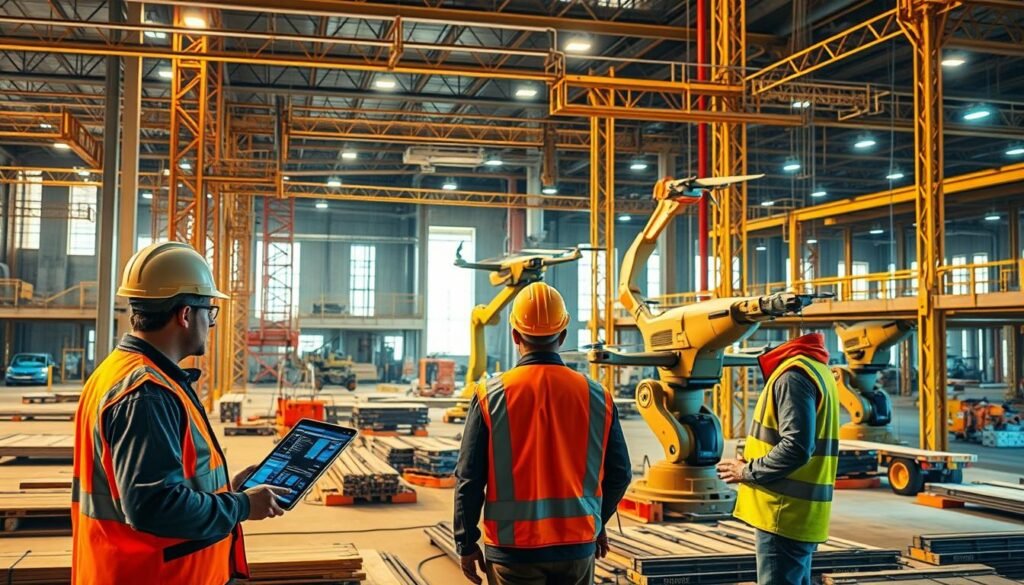
IoT in Construction changes how we build: small sensors, cloud links, and smarter workflows. Teams can act fast on live conditions. This links Construction Technology to daily decisions, from choosing materials to planning crew work.
Real-Time Monitoring and Management
IoT devices like strain gauges and temperature sensors send signals to a dashboard. Teams can monitor structural loads, air quality, and machine use without leaving the office. This reduces rework and speeds up approvals.
Connecting these feeds with BIM models and cloud platforms gives a clear view of progress and safety. Project managers can adjust plans and materials based on real-time data. This is key on dense Indian sites where using resources wisely is critical.
Predictive Maintenance with IoT
Connected sensors on cranes and generators collect data on vibration, temperature, and run-time. Analytics turn this data into alerts for service before a failure. Predictive Maintenance keeps projects running smoothly and saves money in the long run.
We use rules to decide when to act: urgent alarms get fast attention, while low-risk trends follow standard cycles. This approach extends the life of assets and informs future design choices.
For Indian projects, IoT brings benefits like better asset use, fewer stoppages, and improved performance for occupants. By integrating IoT with our workflows, Construction Technology becomes a practical tool for resilience and efficiency.
The Importance of Cybersecurity

We see digital trust as a key part of engineering. Construction projects have secret designs, client info, and money flows. A breach can mess up schedules, increase costs, and damage reputations.
Our Cybersecurity in Construction strategy balances people, process, and tech. This approach lowers risks throughout a project’s life.
Protecting Sensitive Construction Data
Project details, like BIM models and invoices, must stay safe and private. We use role-based access and multi-factor authentication to control who sees what. Data is encrypted when stored or in transit.
Third-party data, like IoT sensors, needs extra attention. We check cloud providers and integrators for security and reliability. This helps protect against supply-chain risks.
Best Practices for Secure Technology Use
We suggest a multi-layered security plan with practical steps. This includes regular security checks, keeping software up-to-date, and testing digital tools. Training staff on cyber safety and phishing helps too.
In India, setting standard policies and adding cybersecurity clauses in contracts is key. Regular drills and incident plans help respond quickly and smoothly.
Cloud security is vital for today’s work. Encrypt data, use strict identity controls, and watch logs closely. These steps enhance Construction Technology Security and keep work flowing.
We manage risks while keeping projects on track. Good governance, clear talks, and consistent checks build trust. This is important for clients, teams, and all who depend on secure engineering.
Training and Upskilling Workforce
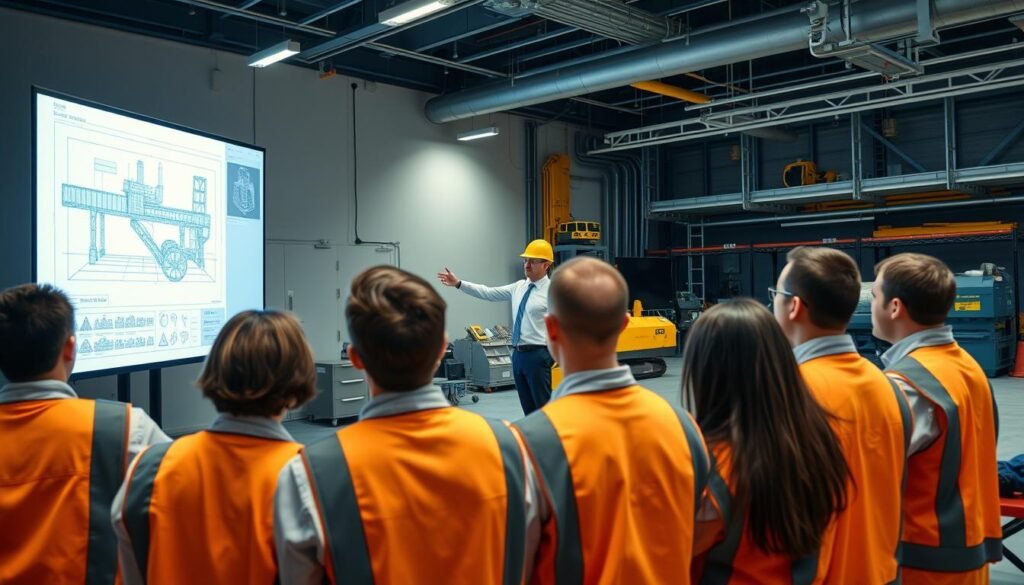
We think a tech-savvy construction sector needs skilled people. To get there, we start with clear, hands-on training. This includes BIM, cloud collaboration, analytics, and CFS fabrication workflows.
Preparing Employees for Tech Integration
Our method combines classroom learning, simulated workflows, and project-based practice. This supports Skill Development in all areas. We work with universities and platforms to offer flexible Construction Technology Training.
Our training is practical, linking assignments to real-world outcomes. For example, BIM detailing for fabrication lines, cloud models for better coordination, and dashboards for procurement. A study on digital readiness is available at upskilling for construction workers.
Continuous Learning in the Industry
Continuous Learning in Construction thrives with dedicated time for R&D and knowledge-sharing. We create learning paths that reward skill with career growth and more responsibilities. This keeps professionals up-to-date with technology.
In India, we focus on large-scale housing, prefabrication, and safety. Our programs aim for measurable Skill Development. This includes portfolio work for students, competency badges for field staff, and certified workflows for engineers.
We use microlearning, AR/VR simulations, and on-the-job mentoring. This approach makes Continuous Learning in Construction a part of everyday work. It turns Construction Technology Training into a key for productivity and career advancement.
Consac’s Case Studies in Digital Innovation
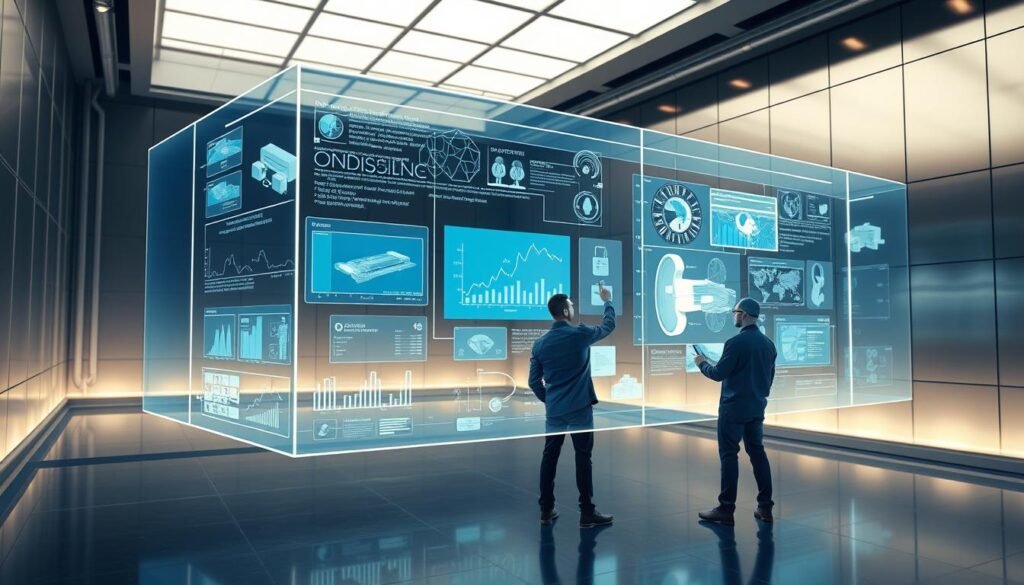
We share real examples from Consac’s work that show how Construction Technology brings benefits. These examples cover BIM projects, Cold-Formed Steel projects, and modular workflows. They show how these approaches speed up delivery and cut down on rework.
Our first examples are from BIM projects for big commercial and residential buildings. Using detailed models and clash detection, we reduced errors and site rework. Early adoption of BIM also improved teamwork between architects, engineers, and fabricators.
Successful Projects Using Technology
Consac worked on BIM-based detailing, joist and deck detailing, and sheet metal design for clients in Europe and India. Off-site fabrication for Cold-Formed Steel projects made assembly faster and reduced on-site labor.
Under Frode Rødland’s leadership, Consac focused on R&D and QA. This made digital workflows reliable. Teams used cloud pipelines to keep everything consistent and accurate.
Lessons Learned from Implementation
We learned that starting with BIM early is key for better coordination and finding clashes. Training and getting everyone on board were critical for success. These lessons helped shape how we work with clients and manage change within our team.
Off-site CFS fabrication was great for cutting down time and costs. It worked well when paired with precise models. Cloud workflows helped avoid version conflicts and made handoffs smoother.
Working with schools helped us improve training. Students and junior engineers got hands-on experience. This experience supported project success and helped grow the workforce.
| Project Type | Primary Benefit | Key Technology | Measured Outcome |
|---|---|---|---|
| BIM-based Detailing | Reduced clashes, fewer RFIs | BIM coordination tools | Up to 25% drop in on-site rework |
| Cold-Formed Steel projects | Faster assembly, lower labor | Shop-ready CFS models | 20% shorter schedule on average |
| Joist & Deck Detailing | Manufacturable outputs | Detailing automation | Improved fabrication accuracy |
| Sheet Metal Design | Precision for manufacture | Parametric CAD & CAM | Reduced fit issues at site |
| Digital Twin Pilot | Process optimization | Digital twin analytics | Lower downtime, earlier defect detection |
These Consac case studies show how using Construction Technology can lead to big gains. We keep documenting what we learn and improving our methods for success.
The Future of Digital Transformation in Construction
The future of construction is bright, thanks to better data, smarter tools, and green practices. As trends change, we’ll see projects that use BIM models with schedules and budgets. They’ll also use modular building and cold-formed steel for faster, cheaper work.
IoT and digital twins will help manage buildings over their whole life. This makes construction more sustainable and cuts costs and time.
Trends to Watch in 2024 and Beyond
AI will be key in building management, cutting downtime and energy use. Cloud-based teamwork and strong security will keep project data safe. IoT and machine learning will soon be common, reducing maintenance and boosting efficiency.
How Companies Can Stay Ahead
To stay ahead, invest in your team and systems. Train engineers in BIM, cloud, and data tools. Use open-data standards and focus on security from the start.
Start small with IoT and analytics to see the benefits. Then, grow successful ideas into bigger projects. Consac can help with engineering, BIM, steel, training, and R&D. Contact us at info@consac.com to see how we can help.
Learn more about the future of MEP engineering and AI at MEP engineering careers and AI. These changes will lead to smarter, greener buildings and a brighter construction future.