



Did you know over 60% of RTI applications in India are closed without follow-up? This is because many people don’t know how to use the law. In this guide, we teach you how to use RTI effectively. This way, engineers, students, educators, and others can get the information they need.
Using RTI is a skill and a process. You need to understand the RTI Act, ask the right questions, and track your requests. The Act helps by making information available proactively and on request. But, success depends on how well you write and manage your requests.
Tracking data is key to using RTI well. By monitoring metrics like request numbers and response times, you can improve. Our advice follows Open Government Partnership guidelines. We suggest standardizing reports, improving records management, and training information officers.
We write for a community of experts. We combine technical knowledge with creative methods to improve education and civic engagement. In the next sections, you’ll find practical steps for using RTI effectively. We’ll explain the RTI process and provide guidelines throughout.
What is the Right to Information (RTI) Act?

The Right to Information Act is a law that lets citizens see records held by public bodies. It has rules to protect sensitive information. In India, the main law is the Right to Information Act, 2005. It has rules for how long it takes to get information, fees, and how to appeal.
In the U.S., the Freedom of Information Act (FOIA) is similar. It has rules for getting information, fees, and exemptions. This comparison helps us understand the RTI Act better.
For the RTI Act to work well, there are key things needed. These include clear laws, good record-keeping, trained officers, and bodies to oversee everything. The Open Government Partnership suggests being open and consistent to build trust.
Studies show that being open can lead to better outcomes. They found that good RTI laws can reduce corruption and improve services. When people can get information easily, they can help keep things honest.
| Aspect | India (RTI Act, 2005) | United States (FOIA) |
|---|---|---|
| Primary statute | Right to Information Act, 2005 | Freedom of Information Act (1966, amended) |
| Response time | Typically 30 days with provisions for extensions | Typically 20 working days with administrative extensions |
| Common exemptions | National security, investigations, commercial confidentiality, privacy | National security, law enforcement, commercial confidentiality, privacy |
| Oversight mechanism | Central and State Information Commissions | Courts and agency-level appeals offices |
| Proactive disclosure | Mandated for many public bodies; encouraged by OGP | Agency reading rooms and online release encouraged |
| Practical focus | Records management and training for information officers | Digital portals and FOIA request tracking systems |
Who Can File an RTI Request?

We explain who can use transparency laws to get public info. We also talk about what to think about before filing. Knowing who can file helps people and groups decide if they should and how to make their request.
Citizens and RTI Eligibility
In India, any citizen can get records from public bodies. But, in other countries, noncitizens have different rules. It’s important to check local laws and what records are available before filing.
Requests can ask for many things like files, reports, and decisions. But, some things might be exempt. It’s good to ask clear questions and specify what format you want the info in.
Special Considerations for Organizations
Groups like civil society, newsrooms, universities, and companies can also file requests. But, they need to follow extra steps. Authorities might ask for a contact person and official letterhead for bulk requests.
Organizations should think about privacy and data protection when asking for personal info. They might face extra fees or rules for big requests. It helps to mention the purpose of the request and how you want the info.
Authorities might send requests to the right place if they’re not sure. Sharing requests in a standard way can make things faster. For help on filing an RTI application, check out the FAQs from the public authority.
| Filer Type | Common Requirements | Best Practice |
|---|---|---|
| Individual Citizen | Proof of citizenship or residence when required; clear identification | Ask targeted questions; specify format and timeframe |
| Journalist / Media Outlet | Organizational details; contact person; sometimes expedited handling | State public interest; request digital copies for verification |
| Academic / Research Institution | Institutional letterhead; designated researcher contact | Limit scope to relevant datasets; propose secure transfer if needed |
| NGO / Civil Society | Official representative named; purpose may be requested | Anticipate bulk-request guidelines; paginate and prioritize asks |
| Private Company | Company identity; commercial sensitivity may be examined | Clarify business purpose; prepare to justify legitimate interest |
How to Prepare Your RTI Request
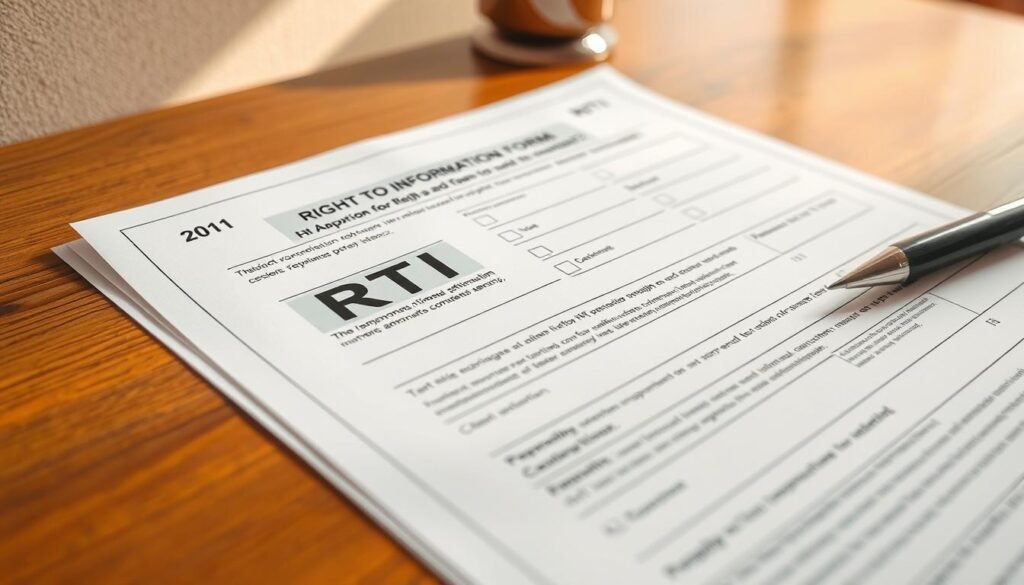
We start by finding the right public authority for the information we need. Look at department websites, annual reports, and the organisation chart. Sometimes, open government portals and RTI performance databases have the info we need without needing to file a request.
To find the right agency, match the subject matter. For example, finance questions go to the Ministry of Finance, and engineering plans to public works departments. The Open Government Partnership (OGP) offers guidelines to help if you send your request to the wrong place.
Make your requests clear and specific. Mention the type of documents, the time period, and the format you prefer. For technical requests, specify the dataset structure and preferred formats like CSV or JSON. Use the RTI application format suggested by information commissions to speed up the process.
Ask precise questions. Identify the record, state the period, specify the format, and ask only for documents or data. Engineers should ask for anonymized records for detailed analysis. Keep your sentences short and clear.
Include your contact details and any required identity proof. Say you’re willing to pay fees and ask for a waiver if costs are too high. Provide evidence of public interest or economic hardship. These steps help avoid delays and get your answers faster.
Use RTI tips and tricks to improve your application. Add brief context notes, reference previous disclosures, and number each item in multi-part requests. If an agency has a standard portal, use it to avoid format issues.
Remember, how you file your RTI application is as important as what you ask. A well-structured application can speed up the process, reduce back-and-forth, and increase the chance of getting the information you need on the first try.
Different Types of Information You Can Request
We help you find out what records public bodies have and how to ask for them. Clear requests make getting information faster and easier. Here are some common types and tips for your application.
Public records and documents
You can ask for files, memos, orders, contracts, and meeting minutes. Also, inspection reports, certifications, and audit reports are available. Make sure to ask for both physical and digital copies when possible.
For detailed data, ask for spreadsheets or files that computers can read. If you’re not sure where to start, use an RTI form to find the right department. This can make the process quicker.
Accessing data on government spending
Look for budget documents, contracts, tenders, vendor lists, and payment records. Subsidies, grants, and detailed spending statements show how funds are used.
Request data by specific groups like gender or location to understand outcomes better. For large datasets, ask for standard identifiers to link with other records. The RTI Act encourages data in formats that computers can easily read.
Program-specific and monitoring records
Files on programs like job guarantees, food distribution, or road projects are insightful. Monitoring reports, lists of beneficiaries, and progress certificates highlight the gap between policy and action.
Remember, some information might be off-limits due to reasons like national security or privacy. If you’re denied, appeal and use the RTI Act guidelines to support your case.
| Type of Information | Examples | Best Request Tip |
|---|---|---|
| Administrative records | Orders, meeting minutes, internal memos, correspondence | Specify date range and department to narrow search |
| Financial and procurement data | Budgets, contracts, tenders, payment rolls, subsidy lists | Request electronic ledgers or CSV files for analysis |
| Program monitoring | Beneficiary lists, inspection reports, scheme evaluations | Ask for disaggregated fields and identifiers for cross-checks |
| Audit and compliance | Audit reports, compliance certificates, corrective action notes | Seek copies of audit findings and subsequent action taken |
| Licences and certifications | Permits, professional licences, safety certifications | Name the licence number or holder to reduce processing time |
RTI Application Process Explained

We guide you through the RTI process so you can make precise requests. This avoids delays. Clear steps make public records easy to access, reducing friction with government bodies in India.
Here’s a simple guide on how to file an RTI application. We also cover the RTI application format most public authorities accept. Follow these steps, keep records, and remember the timelines to protect your rights.
Step-by-step Guide to Filing
- Find the authority that holds the record you need: ministry, municipal corporation, income tax office, or a state department.
- Look at proactive disclosure portals and public records before you start. This saves time and avoids asking for the same thing twice.
- Write your request clearly with specific questions, a timeframe, and the document type you want. Also, state your preferred output format.
- Include identity proof if needed and your complete contact details. This lets the public information officer contact you.
- Submit your request through the right channel: online portal, postal mail, or in-person. Pay the statutory fee if needed.
- Remember the statutory response time—usually 15–30 days. Under India’s RTI Act, it’s 30 days for most requests.
- Track your request with acknowledgment or reference numbers. Keep copies of your submissions and payment receipts for follow-up.
Common Mistakes to Avoid
- Avoid writing broad or vague questions that might be refused as “voluminous.”
- Make sure to specify the timeframe and document type; vague requests often get partial or delayed responses.
- Don’t skip checking proactive disclosures first. This can cause unnecessary delays and extra costs.
- Include required identity proof and contact details to make your request valid.
- Don’t forget to pay the fee or request a fee waiver if you’re eligible. Not doing so can halt processing.
- Don’t assume non-response means denial. Keep an eye on appeal timelines and act if no reply comes.
For tech-savvy users: ask for machine-readable outputs and standardized identifiers. Add a concise cover note explaining public interest when seeking fee waivers or sensitive data.
| Step | Action | Why It Matters |
|---|---|---|
| 1 | Identify authority responsible for records | Ensures the request reaches the right public information officer and speeds response |
| 2 | Check proactive disclosures first | Prevents redundant requests and saves time |
| 3 | Use a clear RTI application format: precise questions, dates, and output preference | Reduces ambiguity and likelihood of refusal |
| 4 | Attach ID proof and contact details | Validates the request and enables communication |
| 5 | Submit via prescribed channel and pay fees | Complies with procedure and avoids processing blocks |
| 6 | Track request using reference numbers | Provides an audit trail and supports appeals if needed |
Fees Associated with RTI Requests

We explain the common fees for information requests and how to save money. Knowing these fees helps us plan our requests wisely.
Understanding Cost Structures
RTI laws often have a small application fee and extra charges for copying or scanning. In India, for example, fees are set to be fair. They might charge per page or by the hour for search and making copies.
Fees are to cover costs, not to stop access. It’s smart to ask for a fee schedule before you file. For big requests, ask for an estimate and a detailed breakdown of costs.
When Fees Can Be Waived
Some groups might not have to pay fees: the poor, journalists, students, and people with disabilities. Fees can also be waived if the information is in the public interest.
To get a waiver, explain why you qualify or why the info is important. If fees seem too high, you can appeal. There are ways to check if fees are fair.
RTI tips and tricks include asking for an estimate, choosing digital delivery to save on copying, and breaking big requests into smaller ones. Keep all fee-related messages for future appeals.
For fast answers to common questions, check the RTI FAQs from the public authority. They usually list fees, who can get waivers, and when you’ll hear about fees.
Timeline for Receiving Information
We explain what you can expect when you file under RTI rules. Clear timelines help set expectations. Some places have strict reply times, while others allow extensions for good reasons. We’ll look at typical times and why delays happen so you can plan next steps.
Expected Processing Times
Most places aim to respond within 15 to 30 days. In India, it’s usually 30 days. Some requests, like those for personal info, have shorter deadlines. If the request is simple and records are easy to find, you might get a response sooner.
Factors Affecting Response Times
The complexity of your request can slow things down. Broad or unclear requests need more time. Agencies with digital records can respond faster than those with paper files.
How many staff members an agency has is key. A dedicated team can handle requests quicker. If there are many requests or other tasks, it takes longer.
Requests that need input from others can also slow things down. Agencies might need to talk to vendors or individuals. Technical issues, like converting file formats, can cause delays too.
Some laws allow for extensions for certain reasons. In India, there are rules for how long you can extend the deadline. This means the original timeline can be longer by a set amount.
We suggest tracking and sharing how well agencies do. This includes how many requests they get, how long it takes to respond, and any denials. The Open Government Partnership wants this data to be open and easy to read. This helps check if RTI rules are followed and improves how agencies work.
To get answers faster, make your requests clear and specific. Mention the right department and ask for specific documents. This makes it easier for agencies to meet their deadlines under RTI rules.
Possible Outcomes of Your RTI Request

We often file RTI requests hoping for clear answers. The outcomes can vary from full disclosure to refusal. Knowing what to expect helps us plan and keep moving forward.
A full grant means the agency gives us all the documents or data we asked for. This helps us make quick decisions and do our research or teaching.
Partial grants happen when some information is given but not all. Agencies might say they can’t share everything due to privacy or ongoing investigations.
Proactive release is when the agency shares the information publicly. This makes things more transparent and helps with future requests.
Denials can happen for many reasons. These include national security, law enforcement, and privacy concerns. Requests might also be too broad or not within the agency’s scope.
If a request is denied, we first ask for an internal review. We then prepare a detailed appeal that explains why the information should be public.
Next, we take our case to the information commission or appellate body. They can order the information to be released, impose penalties, or suggest other solutions.
If we can’t get help through these channels, we might go to court. We gather all our evidence and look at past court decisions to support our case.
Practical tips for RTI include keeping a detailed log of all communications. Set reminders for deadlines and write clear, evidence-based appeals. These steps can help us get the information we need.
We see each denial as a chance to keep pushing forward. By escalating our case through internal review, the information commission, and court, we fight for our right to information.
Appeals Process for Denied Requests

When a request for public records is refused or ignored, we have clear routes to challenge that outcome. Understanding the appeals framework helps us act swiftly and within legal limits. The focus here is practical: timelines, required documents, and tactics that align with RTI rules and regulations.
We begin by noting rights available to requesters. Jurisdictions normally allow an internal review inside the agency, a first appeal to an information commission or ombudsman, and judicial review in courts. In India, the Central and State Information Commissions handle many disputes and can order disclosure or penalties.
Understanding Your Rights
Requesters may appeal adverse decisions or non-responses. Statutes set strict windows for filing an appeal; missing them can forfeit the remedy. Appellate bodies can compel disclosure, require administrative fixes, or impose fines on officers who violate RTI rules and regulations.
We recommend keeping copies of the original RTI request, the acknowledgement, any reply, and proof of fees paid. Those records form the backbone of a strong appeal and help show procedural irregularities.
Steps to File an Appeal
Follow a simple, proven path when preparing an appeal. Start by confirming the correct appellate authority and the precise deadline for the first appeal. Time limits vary by law, so check local provisions before you act.
- Gather documents: original application, receipts, agency responses, and correspondence.
- Draft the appeal: state grounds clearly, cite exemptions contested, and set out the remedy sought—disclosure, penalty, or costs.
- File with the designated authority and pay the prescribed fee, if any.
- Track the appeal and be ready to present evidence or a brief at hearings.
Using precedent strengthens the case: reference prior decisions from the Central Information Commission or relevant High Courts that mirror your facts. Civil society groups and legal aid clinics can offer support when issues turn complex.
| Step | Action | Why it matters |
|---|---|---|
| Timelines | File within statutory days for internal review and first appeal | Preserves right to remedy and avoids dismissal on technical grounds |
| Documentation | Compile application, acknowledgements, responses, receipts | Proves procedural history and supports factual claims |
| Grounds | Specify exemptions contested and argue public interest | Directs the authority to the legal and factual core of the dispute |
| Submission | Send to the correct appellate body and pay fees | Ensures the appeal is accepted and processed |
| Follow-up | Monitor status, attend hearings, submit evidence | Increases chances of a timely, positive outcome |
| Enforcement | Seek orders for disclosure, penalties, or administrative change | Holds agencies accountable and can trigger systemic reform |
We keep strategy tight: use prior rulings, cite RTI appeals outcomes, and invoke RTI rules and regulations clearly in the text of the appeal. When resources are limited, partner with organizations that specialize in freedom-of-information work to improve chances of success.
For readers seeking procedural clarity, the core question is simple: learn how to file an appeal RTI correctly, meet deadlines, and prepare evidence. That approach turns denial into an opportunity to enforce transparency and accountability.
Success Stories: RTI in Action
We’ve seen how citizen queries led to transparency and change. This collection is part of our Right to Information (RTI) Guide. It shows how information requests can lead to real change.
Notable cases
The Satyendra Dubey case started with journalists and citizens asking for information. They exposed problems in National Highways projects. This led to better oversight and accountability.
RTI played a big role in the 2G spectrum scandal. Many requests helped uncover issues. This led to legal actions and the cancellation of bad licences.
For the 2010 Commonwealth Games, RTI requests uncovered problems. This led to investigations and changes. It shows how targeted requests can make a difference.
The Adarsh Housing Society scandal was exposed by RTI requests. It showed wrong approvals and lists. This led to resignations and legal reviews.
In Uttar Pradesh, RTI requests found fake ration cards. This led to removing fake cards. It helped the poorest get their benefits back.
RTI has also helped with NREGA in several states. It led to audits and better compliance. This improved payments and work quality.
Community and systemic effects
RTI has led to more than just fixes. It has saved money and improved services. It has given citizens a way to demand answers.
In places like the Philippines and Kenya, RTI has helped marginalized groups. It has increased participation and accountability.
Using RTI data in open formats has helped researchers. It has led to better oversight and policy changes.
Lessons for technical audiences
We suggest using RTI data with open data tools. This makes results clearer. Engineers and students can use this data to improve models and advocacy.
| Case | What RTI Revealed | Primary Outcome |
|---|---|---|
| Satyendra Dubey investigations | Contract awards and oversight failures in highway projects | Heightened scrutiny and administrative inquiries |
| 2G spectrum disclosures | Irregular licence allocations and financial discrepancies | Investigations, court action, licence cancellations |
| Commonwealth Games 2010 | Procurement mismanagement and cost overruns | Probes, resignations, tighter procurement checks |
| Adarsh Housing Society | Improper allotments and rule breaches | Legal scrutiny and administrative accountability |
| PDS ration card cleanup (Uttar Pradesh) | Duplicate and fake beneficiary records | Cancellation of bogus cards, restored benefits |
| NREGA oversight | Irregularities in attendance and wage payments | Audits and improved program compliance |
Resources and Tools for RTI Filers
We have gathered reliable tools and contacts to help you file strong requests and follow appeals. Use these resources to find forms, learn best practices, and connect with organizations that support transparency work across India.
Official portals: Central and state RTI portals have the RTI form download, lists of designated public authorities, and contact details for Public Information Officers and appellate authorities. Information Commission sites publish orders and guidelines that help with appeal strategy.
Open-data portals: Government open-data platforms have budget and procurement datasets. These datasets can answer queries without filing new requests and reduce duplication of effort.
Third-party tools: Civil society groups and legal clinics offer RTI drafting aids and template repositories for applications, appeals, and fee waiver letters. Media organizations like The Hindu and The Indian Express publish case studies and methodologies that illustrate practical approaches.
Training and capacity-building: Workshops and online courses for information officers and activists cover record-keeping, standardized formats like CSV and JSON, and performance reporting. Open Government Partnership materials show examples from the Dominican Republic and Uruguay on bulk-downloadable RTI performance data.
Below we list practical contacts and tools to speed up filing, tracking, and analysis of requests.
| Resource Type | What You Get | How It Helps |
|---|---|---|
| Central and State RTI Portals | Official application pages, RTI form download, PIO contacts | Ensures compliance with jurisdictional rules and fee structures |
| Information Commissions | Decisions, orders, and procedural guidance | Precedent for appeals and clarity on exemptions |
| Open Government Data | Budget, procurement, and service delivery datasets | Quick access to machine-readable data; reduces need for requests |
| Civil Society Templates | Application and appeal templates, drafting tips, RTI FAQs | Speeds drafting and improves clarity to avoid rejections |
| Legal Aid Clinics & NGOs | Filing assistance, appeal representation, training | Expert support for complex cases and fee waiver petitions |
| Media & Investigative Units | Case studies, sample requests, published outcomes | Practical examples to model requests and follow ethical reporting |
| Open Government Partnership Resources | Guides on commitments, challenge trackers, best practices | Frameworks for assessing government compliance and reforms |
For routine use, keep a checklist: identify the correct authority, attach relevant form fields from the RTI form download, and consult RTI FAQs for fee and timeline expectations. When in doubt, contact university legal clinics or recognized NGOs for tailored guidance.
Tips for Advocating for Your RTI Request
Start by treating advocacy as a detailed process. Create a clear RTI application format and list the file types you need. Also, mention the relevant RTI law sections if it helps.
Be professional and to the point in all your interactions. Address the Public Information Officer by their title and include the acknowledgement number. Set a deadline that meets the legal timeframes. Use registered post, official portals, or in-person submissions with receipts to create a clear trail.
When talking to government officials, be firm but clear. Offer format preferences like CSV, identifiers, and metadata. This makes the returned records easy to use for various purposes.
Keep your messages short and to the point. Explain why a specific format is important. Also, mention any previous Information Commission orders or similar cases to support your request.
For follow-ups, keep a detailed record of all interactions. If the deadline is missed, start the internal review or appeal right away. Escalate the issue step by step: internal review, appeal to the information commission, and then legal action if needed.
Remember to cite previous decisions and RTI data when asking for fee waivers or faster processing. Strategic partnerships can also help. Work with journalists, academics, or civil society groups to increase visibility and overcome obstacles.
Push agencies to publish RTI data metrics in easy-to-read formats. Systemic transparency often follows. By making precise requests, keeping detailed records, and escalating issues wisely, you can unlock data for accountability, research, and innovation.



 Guide, your essential resource for navigating the RTI process in India.)