



Petrol prices in Mumbai, Delhi, Chennai, Kolkata, Bengaluru, and Hyderabad are steady. This is true even when global oil prices change a lot. Retail prices from Indian Oil Corporation, Bharat Petroleum, and Hindustan Petroleum show small daily changes.
The prices at the pump are kept stable. OMCs update city prices every morning. They consider the MS base rate, exchange rates, and the cost of imported crude.
Taxes, hedging, and managing stock also play a part. These factors help keep prices stable. We’ll explain these in simple terms. This way, you can understand them better for school or work.
Overview of the current petrol price situation in India
We look at the Petrol Price India today. We give a city-by-city view and short-term trend analysis. Our goal is to help engineers, logistics managers, and citizens understand petrol prices. This helps with planning in the Indian economy.
Snapshot of retail fuel rates across major cities:
Mumbai: ₹107.45 per litre — no change from yesterday.
Delhi: ₹98.30 per litre — no change today.
Chennai: ₹103.10 per litre — a small increase of ₹0.10.
Kolkata: ₹101.20 per litre — rates stayed the same.
Bengaluru: ₹96.75 per litre — prices stayed the same.
Hyderabad: ₹97.40 per litre — no change today.
Short-term trend compared to the previous week:
Fuel rates in India have seen little change. Some prices went up by ₹0.05–₹0.20. But, international crude prices went up, and retail prices didn’t follow exactly.
Changes in crude oil and forex affect prices. Oil marketing companies update prices daily. But, retailers might not change prices right away.
Why stability matters for consumers and businesses:
Stable petrol prices help with budgeting and planning. Logistics companies can plan better. This makes their work more accurate.
Stable prices also help manufacturers. They can plan better and keep prices steady. This is good for the economy and helps with inflation.
Technical note for engineering audiences:
Daily prices are based on several things. These include base cost, exchange rates, taxes, and dealer fees. Small changes can be smoothed out by companies. This means prices might not change right away.
Use today’s fuel rates for planning. They make it easier to model and estimate costs. This helps in understanding how fuel prices affect things.
Petrol Price India
We look at how Petrol Price India is set each day. We see why prices differ from city to city. This affects the petrol price today and how people understand fuel rates in India.
How the daily petrol price is published and updated
Companies like Indian Oil, Bharat Petroleum, and Hindustan Petroleum update petrol prices every morning. They consider the cost of oil, exchange rates, and other costs. They also adjust for local supply conditions.
The Ministry of Petroleum guides on transparency. Companies share the effective time, city, and rate breakdown. We suggest checking these updates each morning for fuel rate models.
Role of state taxes and local levies in price variations
State taxes on petrol vary a lot. For example, VAT in Maharashtra is different from Delhi’s VAT. Kerala has higher rates. These taxes change with the base price.
Local charges like cesses and road levies add more to the price. Even if two cities are close, their petrol prices can differ a lot. This is because state taxes are added on top of the base price.
Comparison of petrol price components: base rate, taxes, dealer margins
The retail petrol price breaks down into a few parts. These are the base cost, central excise duty, state VAT, and dealer margins.
A typical urban retail price might be: base price ~55–65%, central excise ~10–20%, state VAT ~10–20%, and dealer margin ~2–5%. These percentages can change by city and day.
Excise duty is a fixed amount, while VAT changes with the base price. We suggest engineering students use this breakdown for studies on fleet lifecycle models.
Impact of global crude oil prices on Indian pump rates
We see how changes in global oil prices affect Indian pumps. Brent and WTI prices set the global stage. These changes impact Petrol Price India and fuel rates, but the effect is not immediate.
Recent movements in international crude oil prices
Brent and WTI prices have been up and down. OPEC+, EIA, and Middle East news play a role. These events cause quick price jumps and drops, which traders watch.
Transmission lag between crude price changes and retail fuel adjustments
There’s a delay in how prices change at pumps. It takes days or weeks for crude price changes to show up. Refineries and depots average out prices. Oil companies update prices after they’ve processed and sold their stock.
Factors that weaken the link between global crude and local petrol rates
Many things reduce the direct link between crude and petrol prices. Refiners and OMCs use hedging to reduce price swings. The rupee-dollar rate also affects prices. How much crude is turned into petrol also plays a role.
Taxes and state fees also play a big part. These take a big chunk of the price. So, a small change in crude price means a smaller change in petrol prices. Companies can also adjust prices, adding to the delay.
Inventories and taxes act like shock absorbers. They help soften the impact of crude price changes. This idea helps experts understand how fuel prices and policies work together.
Role of oil companies in stabilizing fuel rates
We explain how big oil companies control fuel prices. Companies like Indian Oil Corporation, Bharat Petroleum, and Hindustan Petroleum set prices. They also manage stock and talk to the market.
Indian Oil Corporation, Bharat Petroleum, and Hindustan Petroleum plan ahead. They adjust prices to stay competitive. This makes fuel prices more stable for everyone.
Buffer mechanisms and inventory management by refiners
Refiners keep a lot of oil and products. They want 20–30 days of crude and 10–15 days of products. This helps them handle sudden price changes.
Corporate responses to short-term market volatility
Companies use special tools to protect themselves. They might not change prices right away. This keeps fuel prices steady for people.
For engineers, it’s about keeping supplies flowing. They use extra sources and stockpiles. This helps keep fuel prices stable.
Government policy influence on petrol pricing
We look at how government choices affect Petrol Price India. These choices impact both consumers and the industry. Central and state actions make up most of what we pay at the pump.
Small changes in policy can quickly change prices.
Central duties and excise structure
The central government sets a fixed-rupee amount for excise duty on petrol. This lets them change prices without affecting crude costs. Other central taxes can also be adjusted for money or relief.
State tax variation and urban differentials
State governments set their own VAT on petrol, which varies a lot. Places like Maharashtra and Delhi have higher VAT than Goa or Uttar Pradesh. This is why petrol prices can differ between cities, even when oil prices stay the same.
Recent policy moves and short-term effects
Policy changes, like reducing certain taxes, can change prices fast. Discussions in New Delhi about taxes often lead to quick changes in petrol prices.
Fiscal and inflation trade-offs
Government officials must balance tax income with keeping prices low. Higher taxes help the budget but can raise prices and inflation. States also face a challenge in balancing their budgets with keeping petrol prices affordable.
What we watch next
We keep an eye on news from the Union Ministry of Finance and state finance departments. These announcements can quickly change petrol prices and shape market expectations.
Effect on the Indian economy and inflation
We look at how steady pump rates affect the economy and our wallets. When Petrol Price India stays the same, it helps keep inflation down. This makes it easier for people to spend on things they want.
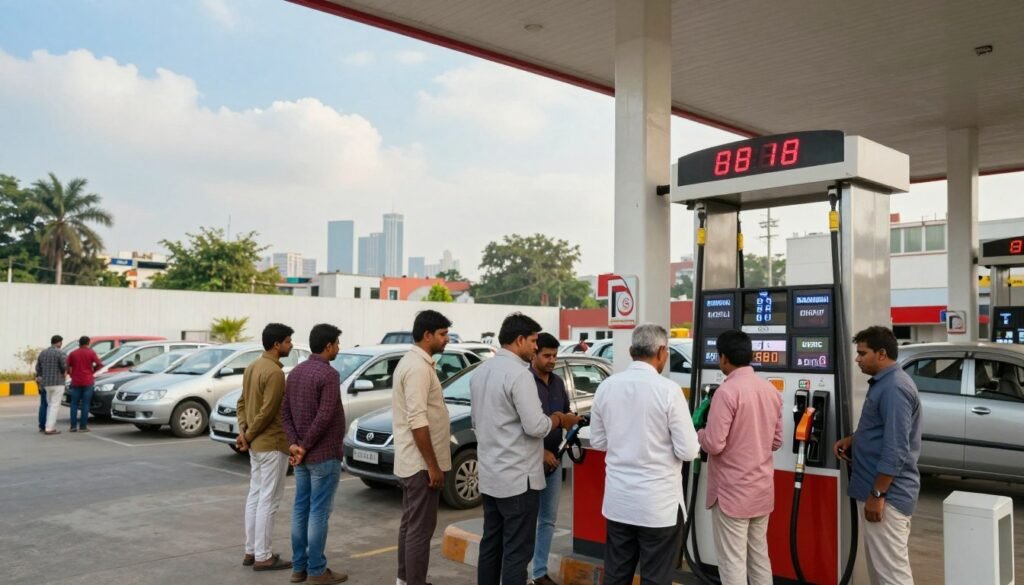
Petrol is a big part of the cost of living. If Petrol Price India doesn’t change, it means less impact on inflation. This makes it easier for everyone to plan ahead.
Supply-chain and transport channels
Fuel costs affect how much it costs to move goods around. When fuel prices are stable, it means lower costs for moving food and products. This helps keep prices from going up too fast.
Implications for monetary policy
The Reserve Bank of India watches energy prices closely. When Petrol Price India is steady, it gives them more room to help the economy. This is good for businesses and for people to borrow money.
Practical note for engineers and analysts
It’s smart to include fuel-price changes in your models. Running different scenarios with fuel prices helps make your forecasts better. This makes sure your projects are ready for any economic changes.
Regional variations: city-by-city price comparison
We look at how petrol prices change from city to city. This matters for planners and commuters. A clear comparison helps students, engineers, and policy analysts understand the impact of taxes and transport costs.
In many states, big cities like Mumbai, Delhi, and Bengaluru have higher prices. This is due to higher taxes, overheads, and more dealers. But, smaller cities near these metros might have lower prices if state VAT is low or if distribution lines are short.
Map of notable price differentials and reasons
A map shows Chennai, Visakhapatnam, Kochi, and Jamnagar have lower prices. Coastal ports and refinery hubs have lower freight costs. This makes prices lower. Inland cities pay more for long-haul tankers, raising costs.
How local taxes and transport costs drive regional disparities
State VAT and local cesses cause price differences between states. Moving fuel across states adds tolls, fees, and delays. These increase costs. We suggest using OMC daily bulletins and state tax updates for accurate comparisons.
Short-term outlook for petrol prices given global volatility
We look at what affects Petrol Price India and the short-term outlook for petrol. Global crude oil prices and OPEC policies are key. We talk about important indicators, possible scenarios, and what futures markets say for refiners and oil companies.
Keep an eye on OPEC+ meetings and output quota changes. These moves can quickly change supply expectations. Also, watch US EIA weekly inventory reports for stock changes that affect crude oil prices.
Be aware of any conflicts in the Middle East and North Africa. These can cause quick supply shocks. Also, follow global macro data like PMI and industrial activity. Demand trends can impact crude oil prices.
Scenario analysis: upward pressure
A supply shock from conflict or an unplanned outage can raise Brent prices. Higher prices mean higher costs for refiners, leading to higher retail rates. For Petrol Price India, this affects import bills, refinery margins, and local taxes.
Scenario analysis: downward pressure
A global demand drop can lower crude oil prices. Lower prices mean lower costs for refiners. They might not raise retail prices right away, keeping Petrol Price India stable.
Scenario analysis: stable output and steady demand
If OPEC keeps output steady and demand is stable, prices might not change much. This means no big moves in crude oil prices or Petrol Price India. Refiners and retailers might keep prices stable using inventory buffers.
Futures markets and trader positioning
Futures curves show market expectations. Contango means plenty of supply and lower prices; backwardation means tight supply and higher prices. Watch open interest and net positions to see if speculators are betting on higher or lower prices. This helps refiners and oil companies manage risks.
Practical guidance for monitoring
Watch Brent futures, ICE/NYMEX spreads, and open interest changes. Also, follow EIA inventory trends and OPEC statements. These help build simple scenarios for managing risks and academic models.
How consumers can track petrol price today
We make this guide easy for everyone. Engineers, fleet managers, and drivers can get the latest Petrol Price India updates. Follow these tips to track fuel rates in your city, check official notices, and set up alerts.
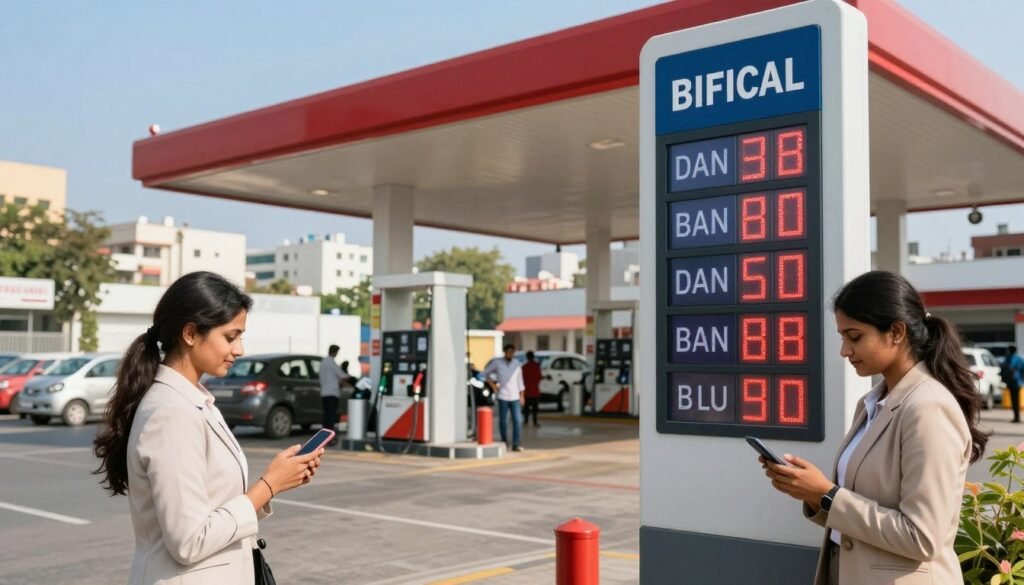
Official portals and oil marketing companies
For the most up-to-date prices, visit the Ministry of Petroleum website. Also, check the websites of Indian Oil, Bharat Petroleum, and Hindustan Petroleum. These sites have city-wise price updates and bulletins.
Apps and aggregator websites
Fuel price apps and websites give quick updates on petrol prices. They show city comparisons and offer push alerts. Use these apps with OMC circulars for the most accurate data.
Practical tips for finding the best local pump prices
Compare prices at nearby stations before you fill up. Look for loyalty discounts and payment offers to save money.
For fleet teams, use API feeds in fleet-management systems. This automates alerts and helps with buying fuel. On the road, use tips like keeping tyres at the right pressure to save fuel.
Verification reminder
Always check official OMC daily price circulars for big purchases or budgeting. This ensures your data matches the latest Petrol Price India notices.
Effect on transportation and logistics sector
We look at how steady pump rates affect fleets, carriers, and planning in India’s supply chain. Stable petrol prices make it easier for operators to plan. They can choose routes, vehicles, and maintenance with clearer budgets.
Fuel is a big part of costs for long-haul transport, making up 30–45% of expenses. For short trips or city deliveries, it’s 15–30% of costs. This depends on the vehicle and how much it carries.
Heavy trucks use more fuel, while trains and ships use less. These differences affect costs.
Freight rates and planning
Stable petrol prices mean carriers can set freight rates more easily. This helps shippers and makers. They face fewer surprise costs and simpler deals.
Stable fuel costs also help with inventory and lead times. This makes planning more reliable.
Fuel hedging and risk tools
Companies use fuel surcharges and long-term contracts with refiners. They also use fuel cards and financial tools like derivatives. Fleet managers should test how fuel prices affect their plans.
Operational guidance
Engineering teams should think about fuel prices when planning routes and maintenance. Small fuel savings or fewer empty trips can cut costs. This improves profit margins on freight.
Practical steps
Use a mix of strategies: improve operations, include fuel risk in contracts, and hedge fuel when possible. This helps companies handle sudden price changes without hurting service or raising prices too much.
Environmental considerations linked to petrol consumption
We look at how petrol prices affect air quality, greenhouse gas emissions, and transport planning. Stable prices might not encourage using less fuel or cleaner options. But, when prices change, so do what people buy and what engineers design.
Fuel prices and consumer choices for efficiency or conservation
When Petrol Price India is low or steady, people don’t rush to buy fuel-efficient cars. They also don’t change their driving habits like car-pooling. Small groups and individuals compare the cost of now versus the cost of a better car later.
But, if petrol prices go up or are unpredictable, people start to save money on fuel. They might make their cars more aerodynamic or use special software to find the best routes.
Impact on adoption of EVs and alternative fuels
Prices affect EV adoption in India. Low petrol prices make electric cars less appealing. But, when petrol prices rise, electric cars become more attractive.
When it comes to other fuels like biofuels and hydrogen, prices and incentives play a big role. Fleet managers might try out these fuels to see how they work and what they need.
Policy incentives that could shift demand away from petrol
Government policies are key. Subsidies for electric cars, tax breaks for efficient tech, and more charging spots can help. These efforts can change how we move over time.
Specific policies, like lower taxes for green cars or grants for electric depots, keep the momentum going. Engineers and planners need to plan for different petrol price scenarios.
We think policymakers should balance today’s prices with tomorrow’s goals. Use incentives to keep EVs and alternative fuels moving forward. And, keep an eye on the environmental impact through good data and analysis.
Media coverage and public perception of fuel stability
We look at how the press and public react when fuel prices stay the same. Clear news helps calm markets. But, some stories might blame policies or praise companies.
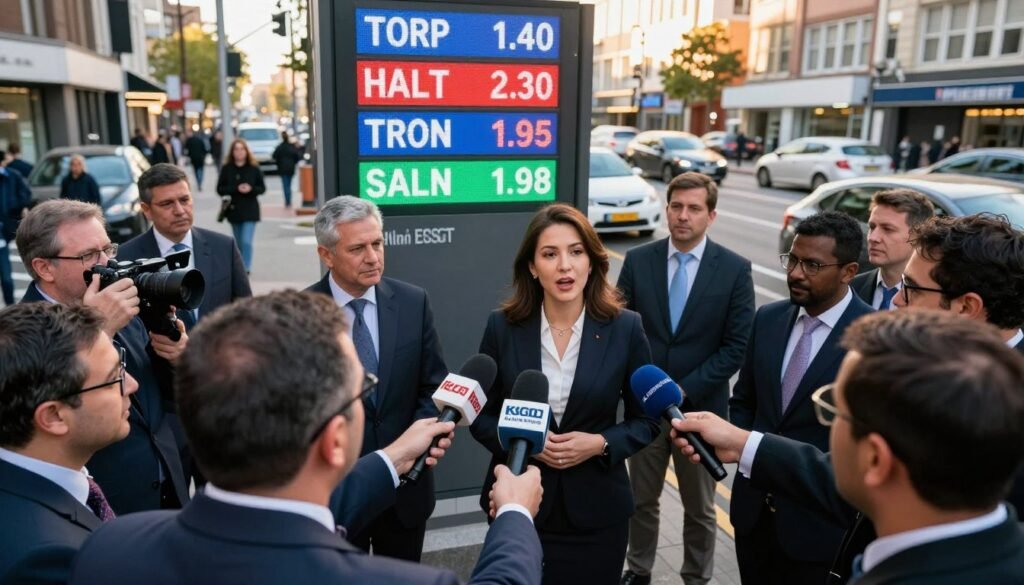
News framing often shows stable fuel as good for people and businesses. The Times of India or The Hindu might talk about savings. Economic pages might discuss how it affects inflation.
Some say steady Petrol Price India is due to government duties. Others praise Indian Oil Corporation or Bharat Petroleum’s strategies.
Public sentiment and politics are linked to what we see at the pump. Stable fuel rates ease pressure on voters. But, big hikes start debates in state assemblies and on TV.
Leaders from the BJP or Congress share their views. They use fuel stories to talk about governance and living costs.
Social media makes local news big. Tweets, WhatsApp photos, and memes can spread fast. Twitter and local forums make fuel stories go viral, shaping what we expect before we hear official news.
We suggest that experts give simple, data-based explanations. Explain fuel prices by breaking them down. Use clear tables and charts to fight misinformation and help people understand Petrol Price India better.
Historical perspective: petrol price stability in past cycles
We look at historical petrol prices in India to see how prices have handled past changes. A quick look shows times when Petrol Price India stayed the same even when Brent prices changed a lot. These times teach us about how taxes, inventories, and refinery output work together.
Past episodes: In 2014–15 and again in 2020, Indian pump prices stayed calm while international crude prices changed fast. Strong inventory levels at refiners, temporary tax changes by state governments, and smart refinery use helped. This smoothed out prices for consumers.
Lessons for policy and industry: We found three key lessons for policymakers and oil companies. First, strategic reserves and planned inventory releases help with sudden supply changes. Second, clear, timely tax and excise announcements reduce market uncertainty. Third, the right tax policy can soften price shocks during volatile times.
Charting suggestions: For teaching and executive briefings, we suggest using visual aids. A time-series chart that shows Brent crude and Mumbai pump price side by side is good. It highlights how prices are smoothed. Also, use stacked charts to show base price, taxes, and margins separately. And, heat maps to show fuel rates in different cities over time.
Pedagogical angle: These visual tools are great for teaching energy economics and systems engineering. They make complex ideas like transmission lag and policy impact clear. Students learn to understand price cycles and how they relate to decisions by refiners, regulators, and retailers.
Actions by businesses and consumers in response to stable prices
When Petrol Price India stays the same, big changes happen. Companies plan better, drivers change their ways, and shops offer special deals. This stability lets everyone plan ahead with confidence.
Big fleets like delivery services and city buses should make deals with oil companies like Indian Oil. These deals last longer and save on costs. They also use smart routes and new cars to save even more.
Procurement and hedging
With steady prices, companies buy more fuel and use special cards for payments. They also keep some fuel in stock to be ready for changes. This way, they stay safe from sudden price jumps.
Consumer responses
Stable prices make people more likely to travel for fun. They also think about buying electric cars. Some wait for better prices, while others plan to buy soon.
Spending and planning
People spend saved money on food, fun, and car care. They plan trips better, knowing how much fuel will cost. This makes their trips more enjoyable.
Retailer promotions
Shops and oil companies offer special deals to keep customers coming back. They give cash back, discounts for buying a lot, and points with banks. These deals help shops keep their customers happy.
How to act: practical recommendations
For big fleets, buying fuel in bulk and improving efficiency is key. For drivers, use special deals wisely to save money. Always watch prices and lock in deals when they’re good.
Data sources and methodology for reporting petrol prices
We gather Petrol Price India updates from official releases and market insights. Our clear price methodology lets readers check our reliability and see price changes.

Primary data comes from oil companies and government agencies. We get daily prices from Indian Oil, Bharat Petroleum, and Hindustan Petroleum. The Ministry of Petroleum and Natural Gas also shares updates.
State governments give us tax details for each city. This helps explain why fuel prices vary.
Secondary data adds more context. We get international data from the International Energy Agency and the U.S. EIA. Market reports from Reuters and Bloomberg, and futures data from ICE and NYMEX, also help.
Analyst notes from banks and consultancies give us insights on short-term price changes.
Verification best practices keep our data accurate. We check OMC circulars against ministry releases. Each record shows its source, time, and area.
Our price method is clear: we explain our assumptions and what we include. We also talk about what might affect prices. For detailed reports, we add a methodology appendix with sources and steps.
Conclusion
Petrol Price India has stayed mostly the same in big cities, even when global oil prices change. This is thanks to good planning by oil companies and smart taxes. It helps keep petrol prices steady for everyone.
This stability is good for people and businesses. It means less surprise for budgets and transport costs. It helps everyone plan better.
For those working in engineering, logistics, and policy, this is important. Stable fuel prices help with planning and supply chains. It also helps the Indian economy in the short term.
But, we can’t forget about the long term. We need to work on using less energy and finding new ways to power things. This is key for managing future price changes and meeting carbon goals.
We should keep watching oil prices and OPEC news closely. We also need to teach people about fuel prices in school. This way, we can make better choices and designs for the future.
We promise to help make things better. We will teach and research to find new, efficient ways to use energy. This will help us all move towards a greener future.