



The India Meteorological Department confirmed a high of 44.6°C at Jharsuguda. Local ASOS logs and district weather records agree. The peak was recorded in the early afternoon.
The Jharsuguda 44.6°C reading is a key part of a bigger India Heatwave. Regional bureaus and state disaster teams see more heat advisories and emergency calls. This shows the immediate pressure from extreme heat in Odisha.
We aim to make today’s temperature data clear and useful. We will talk about the sources of the measurement, local effects, and what the Odisha heatwave means. This includes its impact on infrastructure, health, and planning.
Breaking news: Jharsuguda hits 44.6°C — latest temperature today update
Today, Jharsuguda saw a big jump in temperature, hitting 44.6°C. This sudden change caught everyone’s attention. It’s part of a bigger heatwave in India.
Official readings from Jharsuguda meteorological station
The weather station in Jharsuguda, run by the India Meteorological Department, recorded 44.6°C. This happened around 2:30 PM IST. They are checking the data to make sure it’s accurate.
How the 44.6°C compares to previous records in the district
This temperature is higher than usual for this time of year. It’s also above the district’s usual high before the monsoon. They are comparing it to past records to understand the impact.
Immediate local impacts on communities and daily life
People are calling for help with heat-related issues more often. There’s a big need for cool water, fans, and air conditioners. Workers are taking breaks earlier, and markets are less busy during the hottest times.
India Heatwave: national overview of current extreme heat
We look at the big picture of the India Heatwave. This helps engineers, educators, and planners understand recent data and its effects. We see where the heat is worst and how it fits with the usual season.
Regions across India facing severe temperature rise
North-central India has seen temperatures go way up. The interior peninsular belts and eastern India, like Odisha, have seen big jumps. Western areas have also seen extreme temperatures, making it hard for local power and transport.
We compare IMD regional bulletins with state meteorological releases. This helps us make a clear map of where the heat is hitting hardest.
Aggregate data showing trends in temperature today
We combine station maxima and satellite data to see the big picture. Many stations are showing temperatures way above normal. A lot of them are over +3°C above normal.
Looking at the last 7 days, we see a clear rise in temperatures. This is true for many areas.
How this event fits into seasonal heatwave patterns
Heatwaves usually happen in March–May. This is because of lots of sun and high-pressure systems. This current heatwave is different because it’s lasting longer and covering more ground.
It’s similar to heatwaves in 2015, 2019, and 2022. But this one is special because of its wide reach, not just the high temperatures.
IMD weather update and forecasts for Odisha and neighboring states
We check the India Meteorological Department’s bulletin for the next three to five days. This helps us understand the Odisha heatwave and nearby areas. We focus on the temperature today and short-term trends.
What the India Meteorological Department warns for the coming days
The IMD has issued orange and yellow advisories for several districts. Some areas are under red-level heatwave warnings. Alerts say daytime maxima are high and night-time cooling is poor, leading to heat stress.
They also warn about vulnerable groups and urge caution in outdoor work.
Short-term forecasts and heat advisories
Forecast maps show high daytime temperatures and small drops at night. Many districts will see temperatures at or above normal, leading to heat buildup. Authorities suggest avoiding hard work in the late morning to mid-afternoon.
They also recommend staying hydrated and activating heat advisory measures in schools and big workplaces.
Expected rainfall or relief timelines, if any
The IMD says there’s a low chance of rain in the next 72 hours. Isolated showers might happen in hills, giving short relief. Temperatures might drop if the monsoon comes or if an upper-air trough moves westward. But, these changes are uncertain beyond a few days.
We will watch for updates from the IMD. We’ll see if the heat advisory changes or if the temperature forecast shifts. This could help communities and workers in the area.
Why Jharsuguda experienced such extreme heat — local climate factors
We look at what made the temperatures rise so high. We see how the land, air, and human activities added to the heat. This helps us understand why Jharsuguda was so hot during the Odisha heatwave.
Geography and land-cover effects
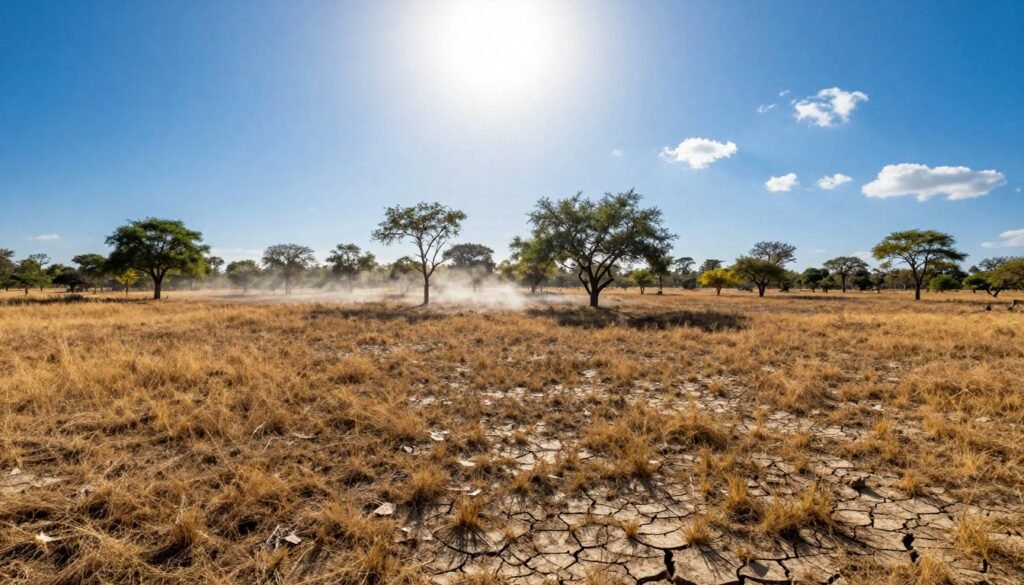
Jharsuguda is on a low-lying plain with a mix of industrial and rural areas. Mines, steel plants, and roads cover much of the land. This reduces cooling from evaporation and makes the surface hotter.
The landscape acts like a thermal circuit. Hard surfaces store heat during the day and release it at night. This makes the nights warmer and the daily average temperature higher.
Urban heat island contributions
The built-up areas and factories create an urban heat island. This effect makes the temperature rise even more. Asphalt, concrete, and roofs absorb sunlight and release heat at night.
The urban heat island is not the same everywhere. Areas near factories get even hotter at night. This matches data from other Indian towns where industrial heat and dark surfaces raise the temperature.
Wind patterns, humidity and atmospheric setup
A high-pressure ridge over central India blocked clouds and limited air movement. This led to weak winds that didn’t cool the air down.
Humidity affects how hot we feel. When the air is humid, the heat feels worse. In this case, hot, dry air from inland areas and warming from above pushed temperatures up.
These factors together explain why Jharsuguda got so hot. They include changes in land use, urban heat island effects, weak winds, and large-scale warming. These are part of the bigger climate changes in India, leading to more heatwaves like the one in Odisha.
Health risks and safety measures during extreme heat events
We give you simple tips to stay safe when it’s very hot. High temperatures can be dangerous. Knowing the signs and what to do can help keep you and your loved ones safe.
Heat cramps are painful muscle spasms after sweating a lot. Heat exhaustion makes you weak, dizzy, and your skin feels cool and clammy. Heat stroke is very serious: it makes you confused, lose consciousness, and your body temperature gets too high. If you think someone has heat stroke, call for help right away and start cooling them down.
Extreme heat can cause dehydration and loss of important salts. Sweating without drinking enough water and salt can lower your blood volume. This makes it hard for your body to cool down.
Older people need extra care because some medicines can make them more sensitive to heat. Make sure to check on them every day, help them stay hydrated, and follow their doctor’s advice. Kids should stay cool and not play outside when it’s too hot.
Workers outside face big risks. Employers should give them breaks in the shade, plenty of water, and time to get used to the heat. They might need to wear special clothes and do hard tasks when it’s cooler.
Drinking water is key: drink small amounts often. For long workdays or lots of sweating, use special drinks to replace lost salts. Stay away from sugary or alcoholic drinks that can make dehydration worse.
Using fans, keeping windows shaded, and wearing light clothes can help cool down. Air conditioning is the best, so use it wisely and cool down important areas first.
If you’re feeling very sick, like vomiting a lot, having a bad headache, or feeling confused, get medical help fast. Keep a list of places to go for help and emergency numbers handy. In places like Odisha, local clinics and hospitals can help quickly during heatwaves.
Companies should have plans for hot weather and train their staff. Simple steps like shade, breaks, and water stations can help keep everyone safe and productive.
Impact on agriculture and livestock in Jharsuguda and Odisha
We look at how extreme heat changes farming and animal care in Jharsuguda and Odisha. Higher temperatures change when crops grow, increase water needs, and risk crop loss. Farmers must decide on watering, what crops to grow, and how to care for animals.
Stress on crops, irrigation needs, and yield risks
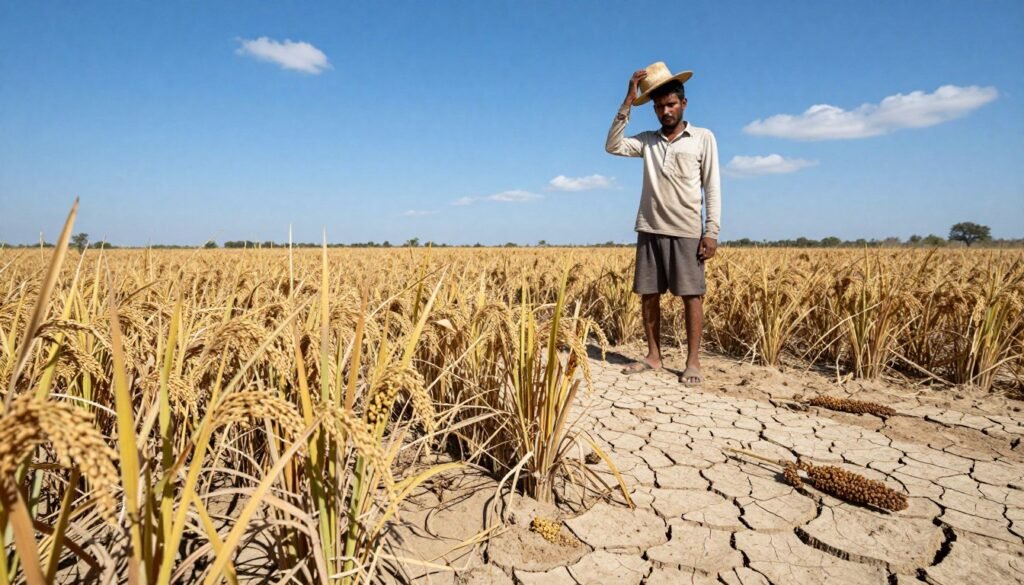
High heat makes crops grow faster. Paddy and pulses may be ready sooner, and rice may not produce well. Vegetables may not set fruit well.
Evapotranspiration goes up during heat, making more water needed for crops. Farmers must adjust when to water and how much. Using surface water can cause timing issues, and using wells can deplete water faster.
To help, farmers can mulch to keep soil moist. They can water at cooler times and choose crops that handle heat better. Agricultural services in Odisha suggest planting at different times and planning for unexpected losses.
Livestock heat stress and mitigation measures for farmers
Livestock get stressed from heat, showing signs like panting and less water intake. This affects farm income.
Shade, better air flow, and misting can help animals stay cool. Feeding them when it’s cooler and making sure they always have water helps. Vaccinations and health checks during hot times keep animals healthy.
Vets and extension services are key in helping farmers. They offer quick advice, health checks on the go, and help with losses. It’s important for irrigation and agriculture teams to work together to protect crops and animals in Odisha.
Energy demand and infrastructure strain amid rising temperatures
We’re watching how heat changes our daily lives. Homes, grids, roads, and rails get stressed when it gets too hot. Short, intense heat waves change how we use energy and test our systems in Odisha and nearby.
Surge in electricity usage for cooling
When it’s really hot, we use more fans and air conditioners. This makes homes and businesses use more electricity in the afternoons. This link shows how heat waves affect energy use and utilities.
Power grid implications and operational risks
Thermal power plants work less well when it’s hot. This means they can’t make as much power when we need it most. In India, grid managers must find ways to handle the extra load and keep the power on.
Transportation, roads and rail impacts
Heat makes asphalt soft and tracks expand. This can cause rails to buckle and tires to blow out. To stay safe, trains have to slow down, and tracks need extra checks.
Operational adjustments and urban mobility
Heat causes delays for trains and buses. Workers have to change their schedules to avoid the hottest times. Cities must adjust their plans to keep services running smoothly.
Government response and local relief initiatives
Authorities quickly acted as heat grew stronger. State and district teams followed a government plan. This plan included early warnings, health tips, and reaching out to the community.
Heat action plans activated by state and district authorities
District control rooms sent out alerts based on IMD forecasts. The plan had levels: watch, alert, and emergency. Health teams spread the word at clinics and markets about heat illness and first aid.
Public cooling centers, water distribution, and emergency services
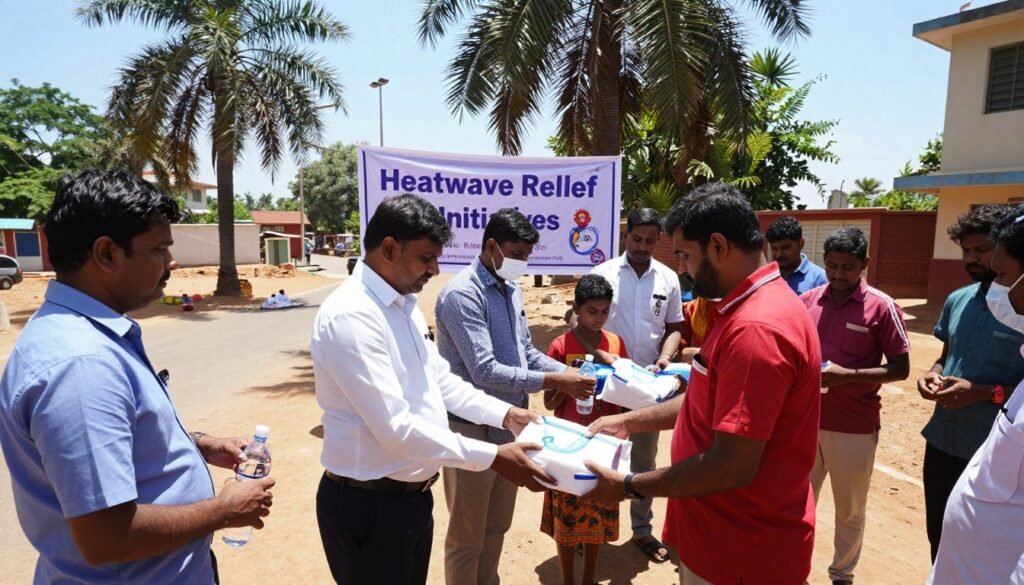
Civic bodies opened cooling centers in community halls and government buildings. These places had generators and first-aid kits. They were open during the hottest part of the day.
Water tankers went to areas hit hard by heat. Mobile medical units and ambulances were ready for emergencies.
Policies to protect outdoor workers and school schedules
State labour departments told workers to do their jobs when it’s cooler. They also made sure workers took breaks in shaded areas. Schools might change their hours or have shorter days in hot areas.
We looked at how they got water, organized volunteers, and did drills. These steps show a growing plan in India to fight heat. It mixes laws with action on the ground to help those most at risk.
Community reactions and real-time weather news from Jharsuguda
We are tracking on-the-ground reports as temperatures climb. Local voices and official statements give a clear picture of daily life during this heat event. Real-time coverage blends verified readings with citizen updates to help responders act fast.
“Markets open later in the morning now; vendors start at 6 a.m. to avoid peak heat,” said municipal officer Pradeep Sahu, describing shifts in routines and relief steps taken by the local government.
“We have set up extra water distribution points and cooling shelters near the bus stands,” explained Dr. Anupama Mishra from the district health office, noting outreach to elderly residents and outdoor workers.
Residents share firsthand experiences: commuters report trampling heat on platforms; street vendors recount earlier work hours and added water breaks. Farmers relay crop stress and increased irrigation needs in village groups.
Local leaders coordinate with health teams and NGOs to deploy supplies. Community groups use WhatsApp and neighborhood forums to map vulnerable households and arrange rides to cooling centers.
Health officials urge caution and list symptoms to watch for. Clinics report an uptick in heat exhaustion cases and recommend immediate fluid replacement and shade for affected people.
Social platforms overflow with citizen posts: smartphone photos of thermometers, videos from market lanes, and time-stamped notes on temperature today social media. We treat these posts as situational clues and cross-check them with official station data.
Networked volunteers run rapid rumor checks and verify localized readings. That process strengthens community response heatwave efforts and channels relief where it is needed most.
Crowd-sourced hashtags and neighborhood groups help coordinate resources and share verified heatwave India updates. We encourage readers to report conditions responsibly and to rely on confirmed data for planning and safety.
Long-term perspectives: climate conditions India and future heatwave risk
Today’s heat is part of a bigger picture. Climate changes in India are setting a new normal. Greenhouse gases make temperatures rise, leading to more extreme heat.
Climate change influence on frequency and intensity of heatwaves
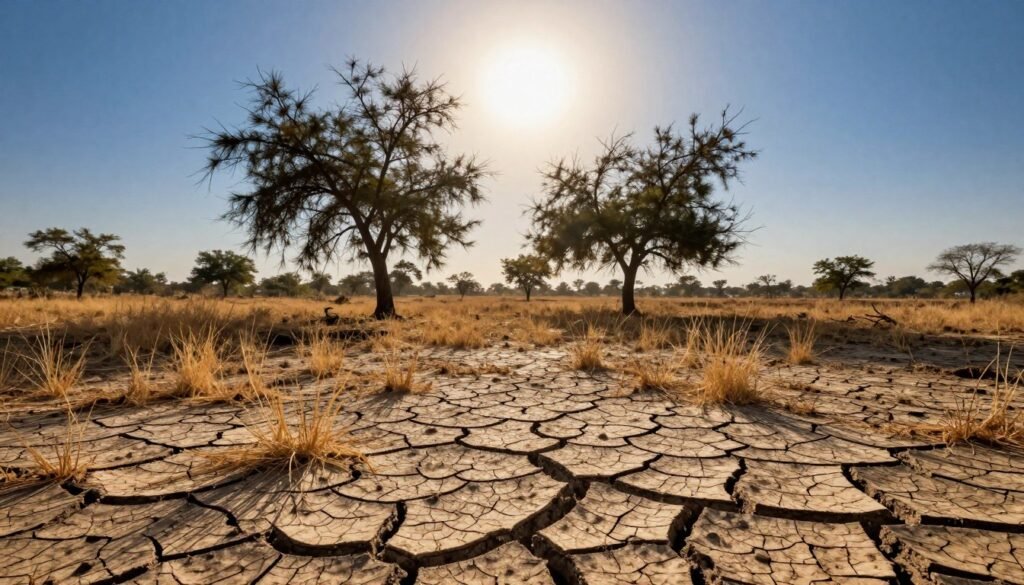
Studies show more hot days and heatwaves. Science links these to greenhouse gases. This means more days of extreme heat and worse health effects.
Regional projections for Odisha and central-eastern India
Models predict more heatwaves in Odisha and central-eastern India. Odisha will see higher temperatures and more heat days. This affects planting and hospital needs.
Adaptation strategies for communities and policymakers
Adapting to heat involves design and policy changes. Green roofs and urban trees cool cities. Water and power systems must be strong during heat.
Policies should include heat in planning and warn people early. More research and education are needed. This helps everyone understand and act on the data.
Engineers and teachers should create solutions for Odisha and India. Ideas like cooling buildings and training workers are key. Clear plans make adaptation workable and lasting.
How to prepare for and respond to extreme heat — practical checklist
We outline clear steps teams and households can take when temperatures spike. Use this guide to prepare for heatwave events with practical actions you can implement today.
Keep an updated household heat checklist: store at least three liters of potable water per person per day. Also, have ready oral rehydration salts or electrolyte drinks, a basic first-aid kit for heat illnesses, and battery backups or power banks for fans and communication.
Adopt home measures to reduce indoor heat: shade windows with curtains or reflective film, insulate roofs where possible, and use night ventilation to flush hot air. Use fans and AC efficiently—set sensible temperatures and run timers to lower energy draw while keeping people safe.
Workplace protocols
Implement workplace heat safety plans that include scheduled work-rest cycles, shaded or cooled rest areas, and hydration stations with cold water. Create acclimatization schedules for new or returning workers and set clear heat-index-based thresholds for slowing or stopping outdoor tasks.
Employers should monitor conditions using simple tools: wet-bulb globe temperature (WBGT) guidance, handheld thermometers, and regular checks by supervisors. Train staff to recognize heatstroke and heat exhaustion and to act immediately if symptoms appear.
Resources and helplines
Compile local emergency numbers: state health hotlines, nearby hospital emergency lines, and district disaster contacts. Register official IMD alerts and keep printed or digital copies of heatwave India resources for quick reference.
Use government advisories from the Ministry of Health and occupational-safety toolkits from organisations such as the National Disaster Management Authority. NGOs often supply cooling-center lists and outreach programs for vulnerable households.
We recommend rehearsing these steps with family and staff, checking supplies monthly, and updating contact lists before peak heat seasons. Small preparations reduce risk and help communities stay resilient during extreme heat.
Expert analysis: meteorologists and climate scientists weigh in
We look at what experts say about the heatwave. They come from meteorology and public health. Our goal is to help you understand the heat and how to stay safe.
IMD interpretation of the Jharsuguda number talks about how accurate the reading is. Meteorologists say we must look at the whole picture. This includes the highest temperature of the day and the weather patterns in the area.
Meteorologists say the heat is caused by a high-pressure system. This system blocks clouds and makes it hotter. They predict the heat might stay for a while before it gets cooler.
Measurement reliability and representativeness
Experts check if the sensors are good and if they are in the right place. If the stations follow WMO standards, the readings are more reliable. They also look at other stations and satellite data to see if the heat is just in one place or everywhere.
Public health guidance
Public health teams say we need to watch for heat-related illnesses. They also want to make sure older people and workers outside stay cool. They suggest opening cooling centers, drinking lots of water, and taking breaks for workers.
Climate science perspective
Climate scientists in India say we should connect short-term heatwaves to long-term trends. They want to study how human activities make these events more likely. They also suggest we need more weather stations and better models to predict the future.
Engineering and policy recommendations
Engineers say we should make buildings and cities more heat-resistant. They suggest using cool roofs, planting trees, and making the power grid stronger. Policymakers should invest in these ideas to make cities cooler and safer.
We combine what experts say to help everyone. By understanding the heat and planning ahead, we can stay safe and build a better future.
Conclusion
We end with a clear fact: Jharsuguda hit 44.6°C, a key point in this India Heatwave summary. This high number shows local extremes and is part of a bigger picture. The IMD weather update says this is not just a one-time thing but a pattern affecting people, power, and food.
People are feeling the heat: outdoor workers face heat illness risks, power grids are under strain, and more water is needed for crops. Our Jharsuguda 44.6°C summary shows how quick actions can help. Things like cooling centers, water, and flexible work hours can make a big difference.
We urge for teamwork between engineers, health experts, and policymakers: make buildings more heat-resistant, improve early warnings, and design cities to be cooler. We aim to turn complex data into useful advice for everyone to take action.
Our reports use data from IMD, state disaster management, health alerts, and trusted local news. Always check the latest from these sources and local officials as the situation changes.