



In Pune, a group of engineers took a break to talk about their kids. One shared a morning routine with Ayurvedic tonics, while another mentioned online tutoring. This showed the mix of old traditions and new tech in Indian parenting today.
Mila Tuli’s research sheds light on this mix. Parental beliefs, or ethnotheories, guide how we raise our kids. These beliefs come from family stories, education, and global media. So, parenting in India is both collective and focused on each child.
Family is key, even as more people live in nuclear homes. Parents balance work, moving around cities, and family input. They aim to keep cultural values alive while adapting to new ways of parenting.
For those looking for advice, we offer insights that respect tradition and use modern tools. For more information or questions, email info@indiavibes.today.
The Evolution of Indian Parenting Styles in the Modern Era

We see how parenting in India has changed from old traditions to a mix of old and new. This change comes from cities growing, more moms working, and learning from the world. Seeing change as a way to improve, not just to replace, helps everyone.
Historical Roots of Parenting in India
Old customs like Punsvan Sanskara and Namakaran teach respect and family ties. Grandparents help with food and rituals, while moms take care of daily needs. These customs are key to Indian parenting.
Big families share childcare duties. Older family members guide education and big life choices. Daily habits, like breastfeeding, teach kids about community and routine.
Influence of Globalization on Parenting Norms
City life, more education, and global media bring new parenting ideas to India. People coming back from abroad and online resources offer new advice on sleep, food, and learning.
More moms work, and dads help with childcare. Families mix hospital births with traditional care, using herbs and doctor advice.
Parents make choices between old and new every day. They use traditional remedies for small problems but trust doctors for big ones. This shows how Indian parenting has evolved.
When making programs, it’s important to respect cultural roots. We suggest programs that blend science with tradition. This way, we can help parents and communities in a meaningful way.
Integration of Technology in Parenting Practices

Technology is changing how we live at home. We have tools for tracking sleep, apps for feeding logs, and online learning. It’s a new way of raising kids that blends convenience with tradition.
Digital Tools for Parenting
Parents use apps to log feeding and track sleep. They can even talk to doctors online. Learning goes beyond school with online classes.
It’s important to check if apps protect your privacy. Look for tools that help you stay organized. This is key for parents in India who want to use technology wisely.
Social Media’s Role in Family Dynamics
Social media lets parents share their parenting choices. They compare schools and activities for their kids. This can set new standards for parenting in India.
It also helps parents connect with others. They find support, mental health resources, and quick answers to their questions. This is a big help for working families.
But, technology also has downsides. It can make parents feel overwhelmed and anxious. Different generations have different views on parenting, like bedsharing.
Our advice for using technology wisely: check apps for privacy, create workshops that fit your culture, and make technology work for your family.
Balancing Tradition and Modern Values

We explore how to mix old traditions with new ways of raising kids. This balance affects family decisions on rituals, health, and daily life. Our goal is to keep what strengthens family ties while also supporting kids’ growth and happiness.
Importance of Cultural Heritage
Parenting is shaped by culture: from birth rituals to Ayurvedic diets. These practices give kids a sense of belonging. They also offer emotional safety when explained well.
We suggest treating traditions as living parts of family life. Explain their meaning, involve kids, and keep practices that build connection and strength. This helps families make choices between old and new ways of parenting.
Adapting Traditional Practices to Modern Life
Adapting old values to today’s life is key. For example, co-sleeping is okay for babies, but sleep training is needed as they grow. Herbal care after birth can work with doctor visits and vaccines.
When families disagree, respectful talks are important. Use clear, respectful ways to make decisions. This lowers stress and keeps family bonds strong.
Mental health needs to be talked about in a way that respects culture. Reduce stigma by explaining normal development simply. Use family networks to watch for signs of trouble and link old caregiving with new therapy.
| Area of Practice | Traditional Strength | Modern Adaptation | Practical Tip |
|---|---|---|---|
| Rituals and Identity | Birth samskaras, naming, festivals | Explain meaning; involve children | Hold short family storytelling sessions |
| Infant Care | Ayurvedic regimens, co-sleeping | Combine with immunizations, pediatric guidance | Follow doctor-approved schedules |
| Autonomy | Collective decision-making | Encourage agency via domain-specific choices | Offer controlled choices for daily tasks |
| Elder Negotiation | Extended family advice | Shared heuristics and pilot trials | Present evidence summaries kindly |
| Mental Health | Strong family support networks | Culturally framed psychoeducation | Use simple developmental checklists |
For more on blending heritage with modern parenting, check out our guide: Indian Parenting in Modern Times. It offers practical advice and examples for today’s families.
Key tips for Indian parents: keep rituals that build identity, test new routines with short pilots, focus on child health and immunizations, and talk about mental health with cultural sensitivity. This approach respects tradition while supporting kids’ growth and independence.
The Role of Education in Indian Parenting
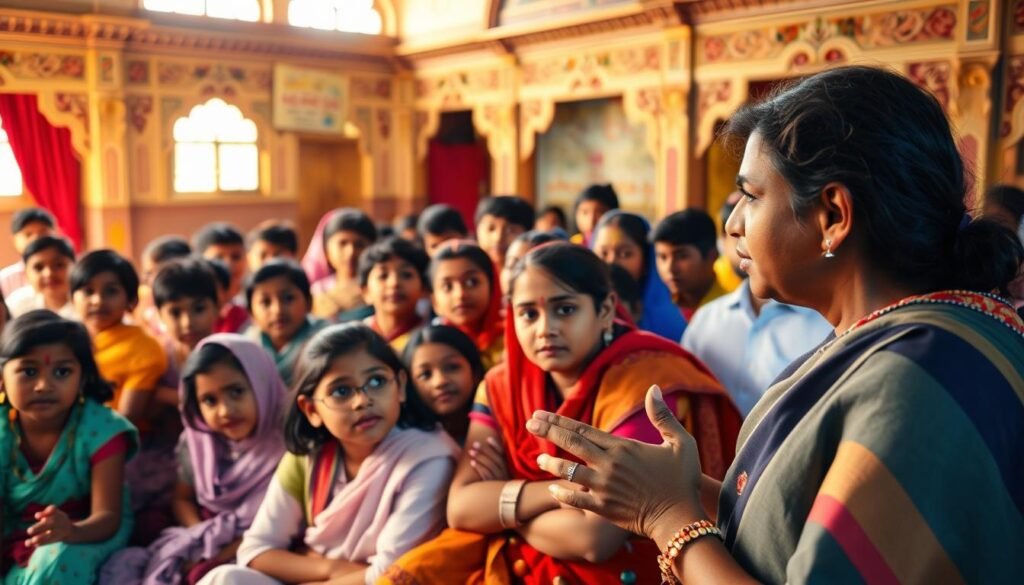
Education is key in Indian Parenting today. Parents see good grades as a way to move up in society. They start early with preschool and extra lessons in specific subjects.
Importance of Academic Achievement
Getting good grades is a big deal in India. Families want their kids to go to the best schools and colleges. This leads to lots of studying and coaching.
But, too much pressure can be bad. It can cause stress, burnout, and neglect of mental health. Parents and teachers should focus on learning habits, not just grades.
Extracurricular Activities and Holistic Development
Now, parents add music, sports, coding, and arts to their kids’ lives. These activities help kids grow in many ways. They show parents want their kids to have many opportunities.
Working parents try to balance work and family. They use after-school programs and weekend activities. This helps them manage their time better.
For schools and parents, here’s what to do: create maker spaces and focus on projects. Use clear ways to measure creativity and teamwork. Work together with parents on study tips and stress management.
Also, track skills and activities over time. This approach fits today’s parenting goals. It supports healthy growth in Indian Parenting today.
Parenting Challenges Unique to Indian Families
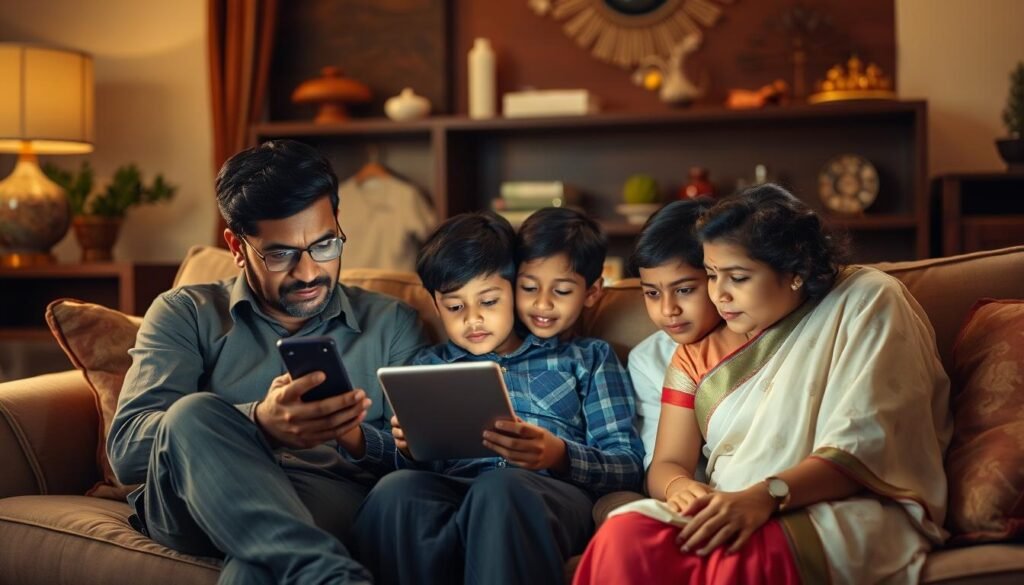
Indian families face a blend of old traditions and new changes. Parents struggle to make decisions together while also considering their own choices. This tension arises when building a new family while elders want to keep their influence.
Extended family expectations often start with cultural norms. Events like naming ceremonies and early childbearing pressures add stress. Elders may push for traditional practices, making it key to set boundaries for a healthy family.
Gender roles also play a big part in daily life. Elders often see boys as future earners and girls as homemakers. Yet, more girls are going to school and working. Changing these biases is a big challenge in Indian parenting.
Managing Expectations from Extended Family
Working together can help with childcare and support. But it can also limit parents’ freedom. We suggest setting up clear communication plans, like regular family talks and one-page briefs on parenting research.
Sharing simple, evidence-based info with elders is helpful. Discussing child development and mental health in family meetings can focus on the child’s needs, not just tradition or modernity.
Pressures of Competitive Academic Environment
The academic pressure is high, with early coaching and long hours of tuition. Kids may feel stressed and lose interest in what they love. This is a big challenge in modern Indian parenting.
We suggest steps for parents and schools to work together. Focus on balanced growth and interests, not just exams. Use goals based on skills, not just time spent in tuition.
Working parents face extra stress balancing work and family. Good time management, trusted childcare, and flexible work policies help. Having trusted family caregivers can also be a good solution with clear rules and schedules.
We recommend a toolkit with family communication plans, elder briefings, school partnerships, and time management. This mix helps deal with academic pressure while keeping cultural ties and supporting kids’ mental health.
Diverse Parenting Approaches Across Different Regions

We look at how parenting changes across India. In cities, work patterns shift, while villages hold onto rituals. The middle ground shows a mix of both. This shows how parenting styles vary based on where you live, your money situation, and cultural practices.
Urban vs. Rural Parenting Styles
In cities, families have more varied daily routines and are exposed to global ideas. Working moms in places like Bengaluru and Mumbai use a mix of childcare, preschools, and help at home.
In rural and semi-urban areas, the community helps a lot. Neighbors, grandparents, and local midwives are key in caring for newborns and keeping up with preventive rituals.
Regional Socioeconomic Differences in Parenting
How much money a family has affects their access to health care, schools, and technology. Richer families in cities like Delhi and Chennai can afford private schools, tutors, and sports coaching.
In poorer districts, getting to hospitals and doctors is harder, even though more people want it. Public programs need to fit local customs to get more people to use them.
Cultural traditions in naming and health care are strong across states and religions. Rituals like Sikh Ardas, Muslim Aqiqah, and Hindu Namakaran have their own rules and food choices. Ayurvedic remedies also vary by season.
Bedsharing and co-sleeping are common everywhere, even when kids have their own rooms. This shows how deeply these practices are rooted in many families.
When making programs, we should listen to local needs and work with the community. Understanding and respecting cultural differences helps make sure our goals match what families do every day.
The Impact of Gender Roles on Child-Rearing
We look at how norms affect parenting choices and outcomes. Gender roles shape tasks, play, school, and emotions in child-rearing. These patterns come from culture and changing social forces in Indian Parenting in Modern Times.
Traditional Gender Expectations
Many homes assign tasks by gender: boys do outdoor activities, girls do domestic work. Parents teach boys to be strong and girls to be caring. These lessons influence skills, confidence, and career goals.
Son preference and unequal investment exist in some areas, impacting family planning and girls’ future. For more on public views and social pressures, see this survey summary.
Evolving Perspectives on Gender Equality
Views are changing: many parents reject strict roles and push for equal chores and feelings. Urban professionals and educators value shared duties and diverse role models.
We suggest practical steps for today’s parents: shared chore charts, father-focused caregiving, and books that show all feelings are normal. These changes daily life and expectations.
Schools can help by teaching consent, emotional intelligence, and diverse career options. Mental health services should be available and gender-sensitive to support both boys and girls.
| Area | Traditional Pattern | Equity-Oriented Approach |
|---|---|---|
| Daily chores | Girls handle cooking and cleaning | Household tasks rotated; shared chore charts |
| Emotional norms | Boys taught to hide feelings | All children taught emotional literacy and expression |
| Career guidance | Gendered career suggestions | Exposure to diverse role models and careers |
| Parental roles | Mothers primary caregivers | Fathers active in caregiving initiatives |
| Community action | Reinforces norms through social pressure | Community narratives celebrate diverse roles |
We aim to guide families in applying Indian Parenting in Modern Times. Our advice is based on research and practice. It offers a practical, culturally aware way to achieve greater equity.
Nutritional and Health Considerations for Raising Kids

We offer advice on feeding, activity, sleep, and care for families in India. Our aim is to mix cultural wisdom with scientific facts. This helps parents and experts support kids’ growth and health.
Traditional diets are key in many homes, with foods like grains, legumes, and spices. These foods are rich in nutrients. But, we must also think about hygiene and portion sizes.
Modern nutrition trends focus on balanced meals and less processed foods. Parents often struggle with picky eaters. We suggest mixing traditional dishes with healthy snacks to make meals more appealing.
Traditional Indian diets vs modern nutrition trends
It’s important to understand both the good and the missing nutrients in traditional diets. These diets are full of plant proteins and spices. But, they might lack iron, vitamin B12, and enough protein for some kids.
| Aspect | Traditional Strengths | Modern Concerns |
|---|---|---|
| Staples | Millets, lentils, rice, seasonal vegetables | Shift to refined flours and ready-to-eat cereals in some urban diets |
| Dairy | Regular use of milk, curd and ghee supports calcium | Early introduction of commercial milk substitutes and sugary yogurts |
| Herbal practices | Use of turmeric, ginger, basil for seasonal care | Variable dosing and mixing with packaged supplements without guidance |
| Child feeding patterns | Breastfeeding common; complementary foods vary regionally | Perception of fussy eating, pressure to finish plates, increased snacking |
| Public health | Improving vaccination and preventive care | Gaps in mental health recognition and regional access to pediatric services |
Importance of physical activity for children
Active play and sports are key to fight sedentary lifestyles. Schools and community areas should encourage activities like running and ball games. This helps with motor skills, sleep, and mood.
Sleep is vital for kids’ energy and behavior. Many families practice co-sleeping for breastfeeding and cultural reasons. It’s important to teach safe bedsharing and establish regular sleep schedules.
Professionals should give nutrition education that fits local cultures and science. They should also check for growth, iron, and vitamin levels. Supporting mental health and creating play-friendly spaces in schools and neighborhoods is also important.
The Influence of Family Values and Structure

We look at how family values and structure shape upbringing in Indian Parenting today. Moving to cities and changing jobs changes family life. Yet, old cultural values stay strong.
Families find ways to balance work, care, and tradition. Clear roles help avoid fights. Practical systems help Indian parents balance work and family life while keeping cultural ties.
Joint families vs nuclear families
Joint families and nuclear families have their own benefits. Joint homes offer childcare, shared tasks, and guidance from elders.
Nuclear homes give privacy and quick decisions. But, they might lack informal support. Many families mix both, staying close to relatives who live far away.
A short list shows the differences:
- Care network: Joint homes have built-in caregivers; nuclear homes use outside services.
- Autonomy: Nuclear families make their own choices; joint families seek group agreement.
- Pressure: Nuclear parents bear more responsibility; joint families share tasks across generations.
Role of parents vs. grandparents in child-rearing
Grandparents play a big role in child-rearing. Grandmothers often handle feeding, rituals, and early childcare.
Parents make key decisions on schooling and health. Fathers are becoming more involved in daily care, making home life more balanced.
It’s important for families to talk and agree. Conflicts can happen over sleep, diet, and discipline. Having clear rules and regular talks helps keep peace and protects kids.
Practical advice includes clear roles, family meetings, and community childcare that values elder wisdom. These steps strengthen family ties and help parents manage work and family life without losing cultural roots.
Resources and Communities for Modern Parents
Raising kids today mixes old ways with new digital tools. Family, neighbors, and community groups give practical help and cultural lessons. Doctors, schools, and counselors offer formal advice that adds to family wisdom.
Support Networks for Indian Parents
Groups for working moms, dads, and elders create safe spaces to talk about parenting. Mental health services are key but often overlooked. They help families in cities and towns through telemedicine and local groups.
Online Platforms and Communities for Sharing Experiences
Online, thousands of families connect through forums and social media. They share advice and get help from experts. Apps help track feeding, sleep, and growth, guiding parents and caregivers.
We help create guides and programs for parents. We also make school curricula fit for today’s world. Contact us at info@indiavibes.today to work together. Let’s make parenting in India today better, using the best tools and support.