



The Leh protests 2025 have turned violent. People are demanding statehood and inclusion in the Sixth Schedule of the Indian Constitution. These demands show the complex issues in Leh, where culture and environment meet.
Community leaders and locals are coming together to speak out. They want self-governance. The clashes with security forces have caused injuries and arrests.
Looking into the causes and timeline of these protests helps us understand the urgent need for justice in the region.
Overview of the Current Situation in Leh
The situation in Leh is tense. People are protesting for more autonomy and to be recognized as who they are. They worry that government policies might harm their culture and way of governing.
At first, the protests were calm. But now, they have turned into clashes with police. This shows how upset the locals are.
People are speaking out about their needs. They feel left out because of fast changes in policies. These changes affect their resources a lot. This has caused a lot of trouble in Ladakh.
Everyone wants peace and a good solution. They are facing tough times, but they hope for a better future.
Context Behind the Leh Protests
To grasp the Leh protests, we need to look at Leh’s long-standing issues. The people of Ladakh have felt left out politically for years. They believe their culture and unique location are ignored by the government.
They worry about land rights, how resources are shared, and their voice in politics. These concerns have grown stronger over time.
The change in Jammu and Kashmir’s status in 2019 made things worse. Ladakhis fear losing their culture and facing big changes in their lives. They see statehood as a way to keep their identity safe and have a say in their future.
The protests are a mix of old grievances and new hopes. People want to be recognized and have more control over their lives.
The Sixth Schedule Demand: What It Means for Leh
The people of Leh want more autonomy and local control. This push for the Sixth Schedule is rooted in a long history. It’s about protecting tribal rights and identities.
Historical Background of the Sixth Schedule
The Sixth Schedule was made to give special powers to tribal areas in India. It helps keep their culture and social ways safe. Leh, with its own traditions, wants to be recognized under this to keep its identity strong.
Implications for Local Governance
Leh becoming part of the Sixth Schedule would change how it’s governed. The community would have more say in decisions. This means better management of resources and development.
It also means the people can take care of their heritage. This way, Leh’s unique values can grow and stay strong.
Leh Protests 2025: Key Events and Timeline
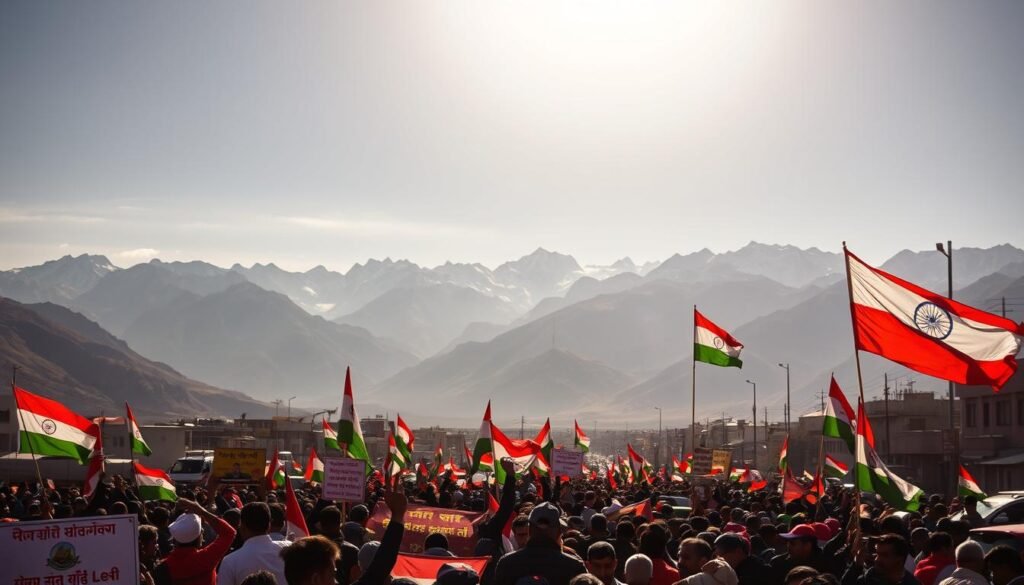
The Leh protests timeline shows a big change from peaceful marches to serious clashes. At first, people came together for peaceful walks and talks about statehood. But, when talks with the government were slow and rules got stricter, things got much worse.
Initial Outcries and Demonstrations
At the start, locals stood up for their rights in calm ways. People from all walks of life joined, wanting more say in their future. The early days were filled with hope and unity, as everyone shared a common goal.
Escalation of Tensions and Violence
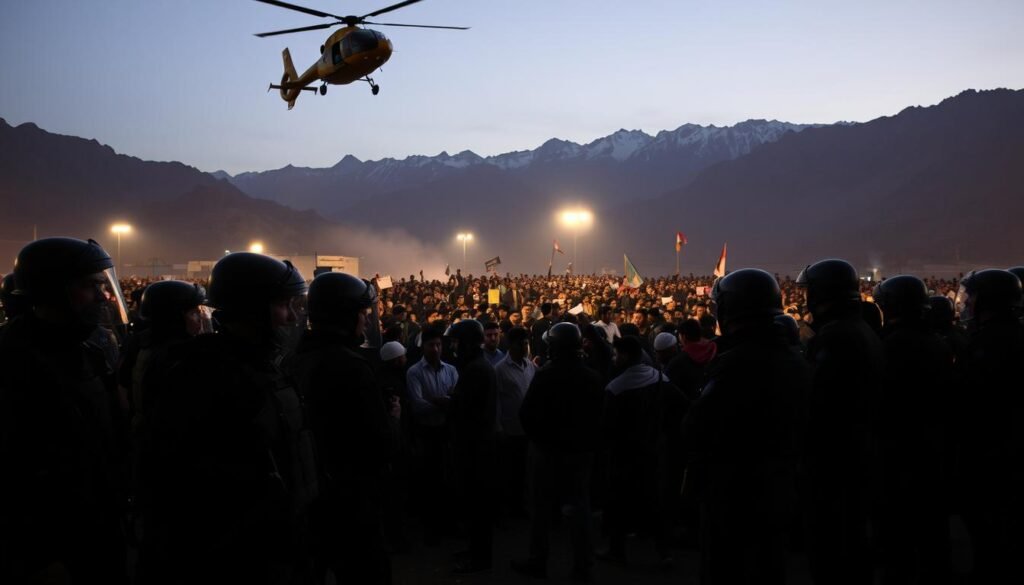
Things took a turn for the worse when the government’s actions became harsh. Without listening or talking, things got out of hand. A key moment was when peaceful walks turned into stone throwing. This marked a big change, turning hopes into urgent fights.
Impact of Violent Clashes on the Community
The violent clashes in Leh have deeply affected the community. They have caused many casualties in Leh protests. These fights have led to physical harm, loss of life, and damage to important infrastructure.
Many areas, like transportation and healthcare, have been hit hard. This has raised big concerns for local people. It’s important to understand how this violence will affect the community’s future.
Casualties and Damage Reported
Recent protests have seen many injuries, some serious enough to need hospital care. Buildings and businesses have been damaged, showing the wide reach of violence. This has made people feel scared and vulnerable, making daily life hard.
Effect on Daily Life in Leh
The unrest has changed life in Leh a lot. Businesses have closed, causing economic problems for families. Schools have seen fewer students because of the fear and uncertainty.
Social bonds, which are key for community health, have weakened. This has left people feeling alone and unsure about what’s to come.
Government Response to The Unrest
The recent protests in Leh have brought out different reactions from authorities. This shows the challenges faced by both central and local governments. As tensions grew, we saw a rise in government actions to calm the situation. These efforts have led to discussions about their success and impact on the community.
Central Government Measures
The central government has taken several steps to handle the unrest. Key actions include:
- Deployment of additional security forces to sensitive areas.
- Implementation of curfews aimed at minimizing violence.
- Public appeals for dialogue from high-ranking officials.
These measures show the central government’s ongoing effort to manage the unrest. They aim to address the causes while keeping everyone safe.
Local Government’s Position
Locally, the government is under a lot of pressure. They have to balance the protests and the orders from the central government. This is a tough job, as local officials are caught between the protesters’ demands and their duty to maintain order.
Role of Local Leaders in the Protests
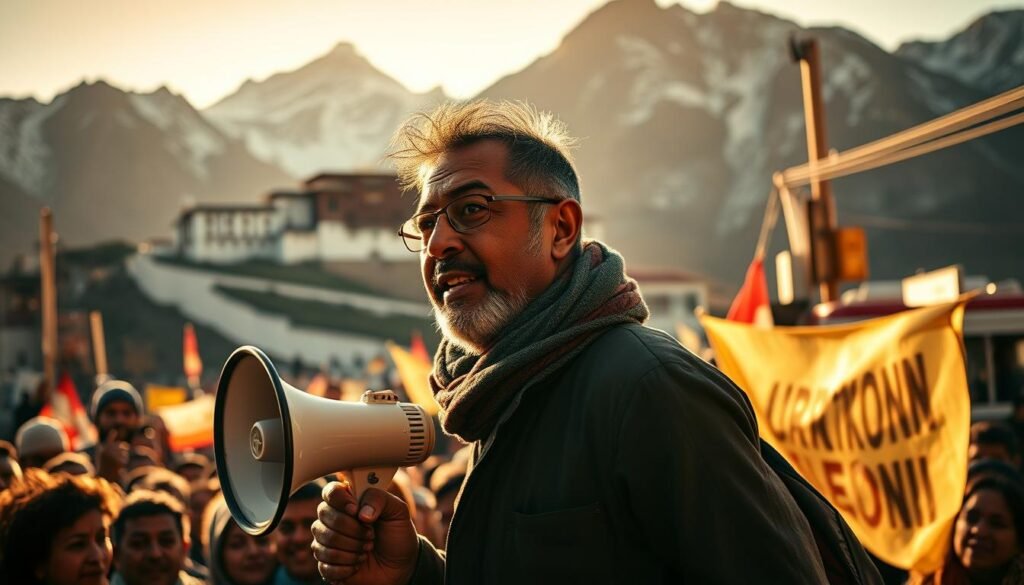
Local leaders in Leh protests have become key figures. They organize demonstrations and lead discussions that reflect the people’s hopes. Their deep understanding of the local scene helps them speak directly to the government.
The Ladakh leadership is vital in connecting protesters with authorities. They fight for statehood and the Sixth Schedule inclusion. This makes them key advocates for change.
Local leaders use their knowledge and influence to amplify community voices. They work to unite people for a shared goal. They also strategize on how to communicate with the government, ensuring their demands are heard.
This grassroots effort shows the power of local leadership. It shapes not just the protests but also future talks on governance in Leh.
Media Coverage and Public Perception
The recent unrest in Leh has caught a lot of attention. It has shaped how people see the Leh protests on different platforms. There are big differences between how national and international media cover the story.
Each media outlet looks at the story in its own way. This depends on where they are from or what they believe. This shows how important media is in shaping what we think.
National vs. International Coverage
National media often shows the unrest through local eyes. They might highlight local problems, which can change how people see the situation. On the other hand, international reporters might look at the bigger picture.
This can make people see the story in different ways. It shows how media can influence what we think about big events.
Social Media Impact on Awareness
Social media has become key in spreading the word about the protests. Sites like Twitter, Facebook, and Instagram let people share their own stories. This can challenge what traditional media says and make people feel connected to the cause.
These platforms make it easier for people to see the real story of the protests. They let us hear directly from those involved, which can change how we view the unrest in Leh.
Sonam Wangchuk’s Influence on the Protests
Sonam Wangchuk is a key figure in Leh’s protests. He combines leadership with a strong commitment to Ladakh. His efforts aim to promote sustainable development and protect the region’s culture.
Who is Sonam Wangchuk?
Sonam Wangchuk was born in Ladakh. He’s an engineer and teacher known for tackling environmental challenges. His work has made him a leading voice for Ladakh’s rights.
He focuses on education and sustainability. This makes him a strong advocate for local issues.
His Role in Advocacy and Protest Leadership
Wangchuk’s involvement has energized the community. He clearly states the protesters’ goals. This connects local issues to national concerns.
He inspires young activists with his leadership. Wangchuk stresses the power of collective action. His passion for preserving identity and environment is inspiring.
Comparison with Other Regional Unrest in India
To understand the protests in Leh, we must look at the bigger picture of unrest in India. Many places, like Kashmir and the Northeast, face similar issues. They all want more control over their areas, just like Leh.
These areas feel left out and want to be recognized. They want to be seen as unique within India. This shows how comparisons with other protests reveal a common desire for power.
History and politics play big roles in these protests. Statehood movements across India show a pattern. Communities fight for their rights and local control. This struggle for autonomy is key in Leh, showing a national trend.
The Future of Leh: Possible Outcomes
Looking at Leh’s future, many factors will play a big role. The hopes of the local people and how the government responds to protests are key. These will shape Leh’s path forward, including its statehood and Sixth Schedule inclusion.
Possibilities for Statehood
Statehood for Leh is a complex issue. It involves balancing local wishes with national policies. The community’s desire for more control is clear.
Seeking statehood is more than politics. It’s about the people’s right to self-governance and identity. Success depends on good communication among all parties.
Potential Inclusion in the Sixth Schedule
Being part of the Sixth Schedule could change Leh’s governance. It could lead to more local control and protect traditions. This is a chance for sustainable growth.
Getting involved in this process is essential. It ensures everyone’s voice is heard. This way, Leh can move forward in a way that benefits all.
Perspectives from the Local Community
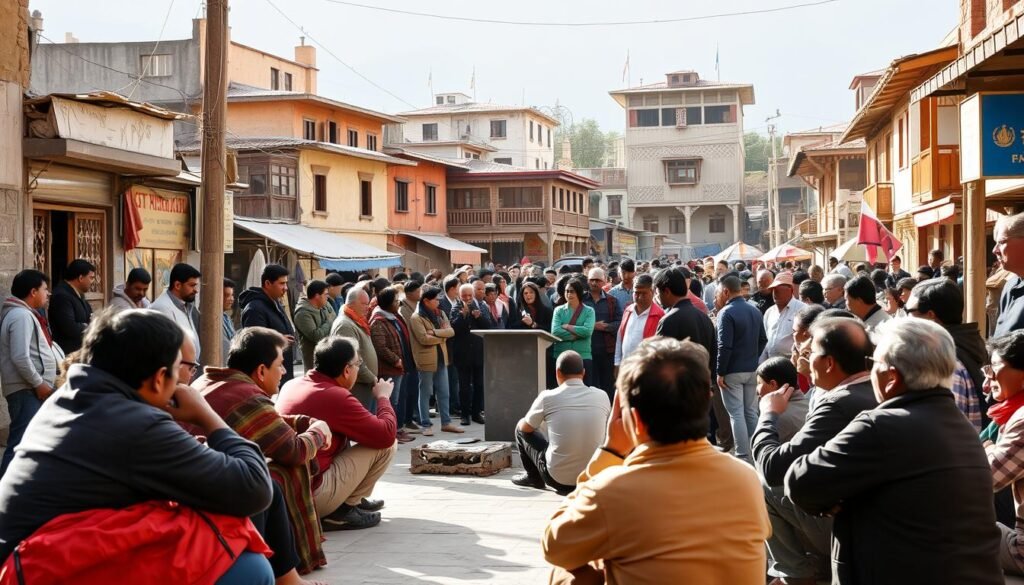
The local community in Leh shares a mix of emotions. They express hope and frustration, showing a deep desire for freedom. People love their land, culture, and heritage, which guides their views on the protests.
Through interviews, the community’s strength is clear. They are determined to keep their identity and rights alive. The protests mark a critical point in their fight for a brighter future.
- Desire for autonomy intertwines with a passion for preserving heritage.
- Frustrations arise from feeling unheard by governing bodies.
- Commitment to community values remains strong throughout the protests.
Engaging with the local community reveals the emotional impact of the protests. It shows how these events affect individuals and families. Their stories offer important insights into Leh’s ongoing quest for recognition and respect.
International Reactions to Leh Protests
The protests in Leh have caught the eye of the world. Governments and groups around the globe have reacted differently. Some worry about human rights, calling for answers and talks.
As views on Leh’s unrest change, the world’s attention matters more. News from abroad and activists’ voices add pressure on local leaders. This can lead to changes in policies or even the system itself.
Many non-governmental organizations (NGOs) are using social media to support Leh’s protesters. This shows how local issues connect to global human rights talks. Activists fighting for justice and equality show how Leh’s protests affect people everywhere, sparking discussions and debates.
Expert Opinions on the Situation
To understand the Leh protests, we need to look at what experts say. Political analysts offer deep insights into the unrest. They talk about the deep-seated issues and possible ways to solve them.
Experts examine the political and historical background. They explain how these factors led to demands for statehood and inclusion in the Sixth Schedule.
Political Analysts Viewpoints
Political analysts have given us important views on the Leh protests. Their opinions help us see the immediate and long-term effects of the unrest:
- Cultural Identity and Autonomy: Analysts say the need to keep cultural heritage alive is a big reason for the protests. They connect past stories to today’s goals.
- Economic Security: Economic worries, like how resources are managed and governed, are key. These issues drive people to come together.
- Engaging with Authorities: Experts believe talking things out between protesters and the government is essential. They say understanding each other is key to finding lasting solutions.
Conclusion
The Leh protests of 2025 show a deep fight for identity, governance, and respect. The voices from these protests call for inclusion in the Sixth Schedule. They want autonomy and self-determination.
Looking ahead, it’s key for everyone to listen and work together. This means the government, local leaders, and the community must all be involved. They need to create policies that respect Leh’s culture and needs.
Let’s stay connected to Leh’s ongoing struggles and dreams. Their story is a powerful call for change. It’s about getting the rights and governance they deserve.