



October 2023 is a critical time for India’s energy sector. It has seen the biggest fall in electricity output ever, even bigger than during the COVID-19 pandemic. Heavy rains have led to a big drop in electricity demand across the country.
We will look into the details of this sudden drop. We will also examine how it affects the economy and what it means for future energy policies.
Overview of India’s Power Supply in October
In October, India’s power supply often sees big changes. These changes come from unpredictable demand and weather, like the heavy monsoon season. The electricity output overview for October 2023 shows the energy sector faced big challenges this year.
Rainfall affected how much energy was used more than expected. This situation not only impacts immediate needs but also shows how important it is to balance energy output and use.
Usually, October is when India’s electricity generation goes up to meet demand. But, October 2023 was different. The heavy rains made it hard to keep electricity flowing, showing how weather and demand can affect energy supply.
By looking at these changes, we understand the current situation better. We see the key factors that shape our power environment.
Decline in Electricity Output
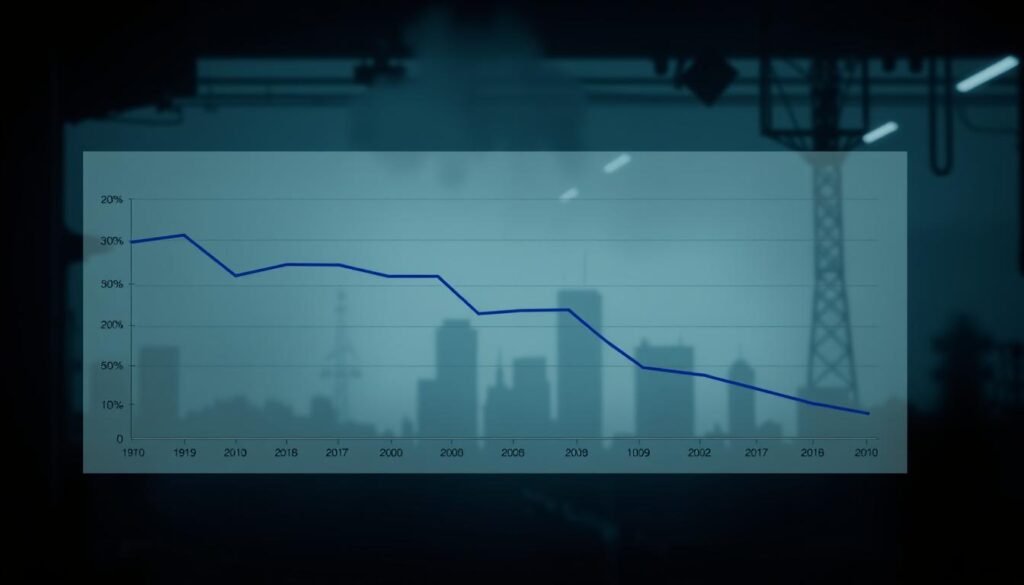
India’s electricity generation has seen a big change in October 2023. This month, there was a big October power generation decline. The electricity output statistics show a 15% drop from September. This is worrying because we usually use more power during this time.
Statistics Highlighting the Decrease
The Central Electricity Authority reported a drop in both thermal and hydro power. These numbers show a trend that’s different from what we’ve seen before. Usually, power generation goes up during this time.
Comparison to Previous Years
Looking at the electricity output statistics from past years, we see something new. October power generation has never been this low before. It’s clear that something big is going on, and we need to figure out why.

Factors Contributing to Power Output Drop
Looking into why electricity output drops, we find several key factors. Heavy rains play a big role in how much electricity we use. October’s rain has made things tough for homes and businesses.
Impact of Heavy Rains
Heavy rain changes how much energy we use. Weather can be unpredictable, affecting our need for power. For instance, some places get more power from rain, while others use less.
This shows how weather and power use are linked. When it rains a lot, people and businesses might use less power. This is because they think they won’t need as much.
Seasonal Demand Variations
Seasons also change how much electricity we use. When it gets cooler, we need less power. This is because we do things that use less energy when it’s cold and rainy.
Knowing these patterns helps us see how weather affects power use. It’s important for understanding our energy needs.
Economic Implications of Reduced Electricity Generation
The recent drop in electricity output is causing big worries about the economic impacts of electricity drop. Industries that need a steady energy supply are facing delays and lower productivity. These issues affect not just the businesses but also the whole economy, leading to financial losses in many areas.
The consequences of reduced power output on the national GDP are also a big concern. With businesses facing energy issues, their role in helping the economy recover after COVID is weakened. For a country like India, which is trying to grow its economy, these problems need to be fixed quickly.

Government Response to Power Output Changes
The Indian government is taking steps to tackle the drop in electricity output. The Ministry of Power and other agencies are working on plans to boost power generation. Their efforts show the government’s commitment to solving the power supply problems.
Measures for Mitigating Supply Issues
The government is introducing emergency steps to improve power distribution and management. They are focusing on better supply chain management to make electricity delivery more efficient. Working closely with power producers, they aim to keep the power supply stable and reliable for everyone.
Consumer Behavior and Its Effect on Demand
Understanding how people use electricity is key to seeing demand trends. People and businesses are changing how they use energy. This is because of higher energy costs and a growing focus on the environment.
This change shows in how much they value saving energy and being green.
Trends in Electricity Consumption
There’s a big move towards using less electricity. Homeowners are using LED lights and energy-saving appliances. These steps help save money and show a bigger trend of being mindful of energy use.
Studies show that families are working to use less energy. This is part of a bigger push towards being more sustainable.
Shifts in Residential vs. Industrial Demand
Looking closer at demand changes, we see big differences between homes and businesses. Home energy use is going down, thanks to saving efforts and awareness. This change could have big effects on how much electricity is used overall.
It shows a big shift in how we use energy, moving towards a greener future.
Electricity Output Challenges Ahead
Looking ahead, big challenges in making electricity are on the horizon. Weather changes and energy needs are closely linked, leading to issues with power supply. Experts predict that weather shifts could greatly impact how much power we can make.
It’s critical for energy leaders to stay ahead of these problems. New ways and tech are needed to make our power systems stronger and more flexible. Working together, we can find lasting solutions that keep our power reliable and efficient.
Long-term Effects of Weather on Energy Prices
As our climate changes fast, how weather affects energy prices matters more. The long-term weather effects on energy prices will likely grow, changing the economy. Experts say that changes in the climate will make it harder to predict electricity costs. This means everyone needs to keep up with the latest news.
Forecasting Future Electricity Costs
When it comes to energy economics, predicting electricity costs is key. Weather plays a big role in this. Extreme weather and unpredictable rain can change how much energy we use. This can cause prices to go up and down a lot.

This affects us all. Planning your energy budget needs to be smart, considering the changing weather effects. Knowing these trends helps us plan better for possible price increases.
Regional Variations in Power Supply
The recent drop in electricity output has hit some areas in India harder than others. Looking at regional electricity output differences, we see that some states are facing big challenges. State-wise power generation analysis shows how different impacts come from local conditions, energy setup, and demand changes.
Impact on Different States
States like Maharashtra and Gujarat have strong power systems that bounce back quickly. But places with less energy investment, like Odisha and Jharkhand, struggle more. It’s key to tackle these differences as we deal with the falling electricity output.
Comparative Analysis of Power Generation Sources
In India’s electricity sector, a power generation sources comparison shows the wide range of energy types. Thermal, hydro, and renewable energy each have unique traits. Thermal power is often criticized for its environmental harm and need for fuel. Hydroelectric power is clean and renewable but can change a lot with the seasons.
Renewable energy, like solar and wind, is growing in importance. Yet, it faces issues with being steady and storing energy. This mix of energy sources is key to understanding their strengths and weaknesses.
An in-depth electricity output analysis sheds light on how these sources perform under different weather. For instance, heavy rains can boost hydroelectric power, making the grid more stable. But dry spells can cut hydro power, making us rely more on thermal power. This can lead to worries about pollution and fuel supply.
It’s essential to grasp these patterns to improve energy policies. This knowledge helps ensure India’s energy security.

Future Projections for India’s Energy Sector
Looking ahead, India’s energy sector is set for growth. The focus on renewable energy and infrastructure investment is strong. This sets the stage for a sustainable future in power.
Experts predict a shift towards green energy. This move aims to tackle the ups and downs in energy demand and supply.
Expected Improvements in Electricity Supply
Advanced technologies and more renewable energy will bring big changes. We expect better efficiency and reliability in electricity. This will make the supply stronger.
Clean energy investments will be key. They will help India reach energy independence and cut down on carbon emissions.
The Role of Renewable Energy in Stabilizing Output
India is moving towards using more renewable energy. This change is big. Wind and solar energy are leading the way, making our power grid better.
Using these resources helps us handle changes in electricity demand. By mixing different energy types, we use less traditional sources. This helps keep electricity stable, even when weather is bad or demand goes up.

New technologies are key to this progress. Smart grids and energy storage help us use renewable energy better. These tools make our energy system more efficient and green. As we keep moving forward, we blend old and new in energy, creating strong power solutions.
Technology’s Impact on Electricity Generation
Technology is changing how we make electricity. Smart grids and data analytics are making a big difference. They help make energy cleaner and more efficient.
We’re moving towards using more sustainable and reliable energy. This shift is important for our planet and our power needs.
Innovations in Energy Efficiency
Energy efficiency is key in today’s power systems. Smart grids let us monitor and manage electricity in real time. This cuts down on waste.
AI tools help predict energy needs better. This means we can invest in renewable energy more wisely. These advancements make power supply more reliable and meet our changing needs.
Public Sentiment Regarding Power Supply Issues
In India, the public’s view on electricity is key in shaping how power is managed. Surveys show many people worry about the reliability of electricity. They are also concerned about price changes, which can hurt family and business budgets.
People want energy providers to be open and clear. This is what many in the community are saying. They believe this will help solve the power supply problems.
It’s important for those in the energy field to listen to what the public says. Their feedback can help improve how power is delivered. It can also make customers happier and more trusting.

Measures to Enhance Power Sector Resilience
To make our power sector more resilient, we need a wide range of strategies. Investing in better infrastructure is key. This helps fix weaknesses in the power grid, making it more reliable and efficient.
This is critical when demand changes or bad weather hits.
Investment in Infrastructure
Investing in the right infrastructure is essential for power sector resilience. We need to boost grid capacity, update transmission lines, and add modern energy storage. This helps us handle demand and supply issues better.
Such efforts make our energy system stronger and increase public trust in energy availability.
Policy Reforms and Initiatives
Policy changes are also vital for power sector resilience. It’s important for all stakeholders to work together. They should create rules that encourage new ideas and investments.
By focusing on sustainability and financial health, we can build a flexible energy system. This system will meet our future needs.
Conclusion
As we finish looking at the recent changes in electricity output in India, it’s clear that bad weather and changing demand have brought big challenges. But these challenges also open doors to new ways to improve our energy systems. We’re at a key moment, seeing how these changes affect us.
The future looks bright with new tech and policy changes helping us overcome current issues. By focusing on green energy and better infrastructure, we can meet the needs of today and tomorrow. Together, we can change how electricity is made in India.
It’s important to accept and use these changes to our advantage. We need to work together, using our knowledge and creativity. This way, we can build a strong, green energy future for everyone. Let’s see each problem as a chance to grow and improve our power systems.