



The Government of Haryana has started charging fines up to ₹50,000 for illegal waste dumping. This action comes after a clear order from the National Green Tribunal. The NGT wanted stricter rules to stop waste dumping that harms soil, water, and public health.
Most illegal dumping happens at the edges of cities like Gurugram, Faridabad, and Panchkula. People dump things like household waste, construction debris, and commercial waste. Local governments and residents have complained about this issue many times.
Now, everyone involved is working together. This includes the state government, pollution control board, local councils, and environmental groups. They aim to improve waste management and enforce rules better.
Background of the NGT directive and its relevance to Haryana
The NGT directive comes from the National Green Tribunal Act of 2010. This act created a special court for quick and expert environmental disputes. It focuses on protecting the environment and enforcing laws.
Overview of the National Green Tribunal’s mandate
The NGT can fine offenders, order compensation, and suggest fixes for pollution. It deals with laws like the Environment Protection Act. Its decisions are seen as important for making environmental rules real.
Previous NGT orders impacting waste management policy
Old NGT decisions have changed how India handles waste. They made sure waste is managed properly and cleaned up illegal dumps. These decisions also set rules for handling construction and plastic waste.
Why the recent directive targets illegal dumping
Illegal dumping is a big problem in waste management. It pollutes water, causes methane, and blocks drains. This can lead to floods and diseases. The NGT directive wants to make sure states take action against this.
Haryana is growing fast and has a lot of industry. This means it has a lot of waste. The NGT directive is important for Haryana. It helps the state follow national rules and protect the environment.
Details of the new fines and penalties
We explain the new penalty system based on the NGT directive. It aims to boost pollution control and enhance waste management in India. The policy has a tiered system, makes it clear who is responsible, and outlines enforcement across Haryana.
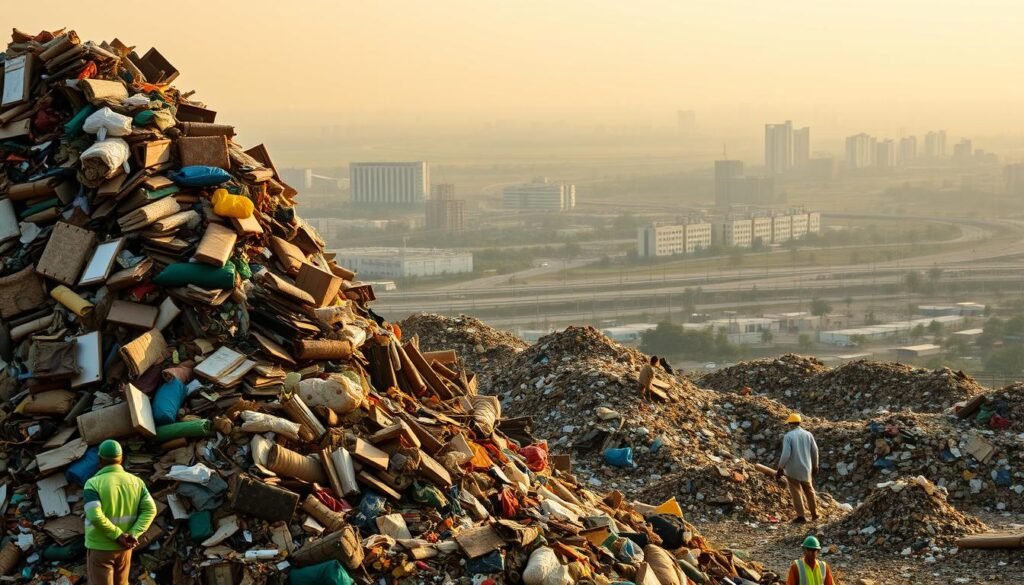
Fine amounts and tiers up to ₹50,000
The new scheme has different fines for various offenses. First-time, minor offenses get small fines. Repeat or bigger offenses get higher fines. The highest fines, up to ₹50,000, are for serious or repeated breaches.
Higher fines also apply for hazardous and industrial waste. This is because these pose greater risks to soil and water.
Who can be penalized: individuals, businesses, agencies
Many can face penalties. This includes households dumping waste in public, informal waste handlers, and businesses not managing waste properly. Construction companies and private waste firms can also be fined if they are not following rules.
Municipal corporations and contractors can get fines too. This is if they fail to stop illegal dumping. It makes everyone in Haryana’s waste management system accountable.
Enforcement timeline and effective dates
The fines started being enforced after the NGT directive. There was a short grace period to adapt. Enforcement started with warnings and fines for clear breaches.
For repeat offenders, fines got higher after the grace period ended. There are rules to follow, like giving a chance to fix minor issues. Fines can go to fixing waste problems, improving waste systems, or the state fund.
Legal framework supporting the fines
We explain the laws and rules that back Haryana’s new steps. This system connects national rules with state laws and the NGT directive. It makes sure actions on the ground are clear and legal.
The Solid Waste Management Rules, 2016, and others set duties for waste handlers and local bodies. These rules are based on the Environment (Protection) Act, 1986. This act lets central agencies oversee and correct actions.
State and municipal legal instruments
Haryana Municipal Acts and local bylaws make national rules specific to Haryana. Bylaws outline duties for waste handling. The Haryana State Pollution Control Board can fine and order cleanups when rules are broken.
How tribunal orders integrate with local rules
The National Green Tribunal makes binding orders in environmental cases. These orders, known as the NGT directive, must match local bylaws. Local authorities adjust rules and fines to follow tribunal orders.
Permitted enforcement mechanisms
Law allows various actions: fines, prosecution, closure, and cleanups. Teams use inspections, photos, and lab tests to support their actions. These steps help enforce fines and ensure waste management in India.
Appeals and legal recourse
Those fined can appeal through legal channels. Appeals can go to the NGT, Punjab and Haryana High Court, or Supreme Court. There are also administrative ways to challenge fines.
Due process and evidence standards
Rules require clear steps: documented visits, sample handling, photos, and notices. These steps help avoid disputes and support fair enforcement. Strong evidence ensures actions follow legal standards in waste management India.
Implementation mechanisms by Haryana authorities
We explain how Haryana will make the NGT directive real on the ground. It will use clear roles, strict protocols, and teamwork between agencies. This will help enforce Haryana environment fines and improve pollution control in districts.
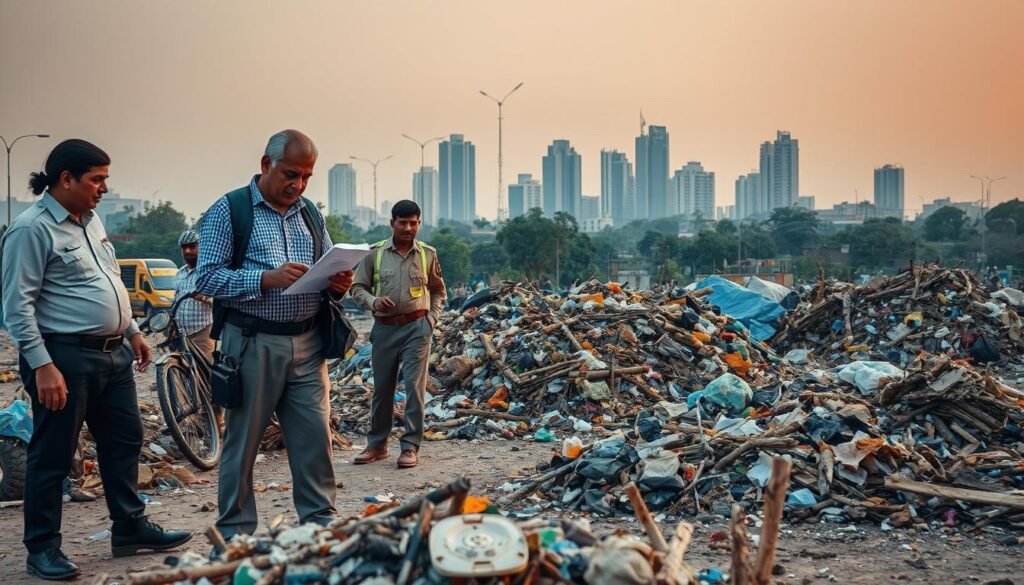
Haryana State Pollution Control Board will set technical standards and decide on prosecutions. They will issue notices, check lab results, and help local teams with sampling. This ensures evidence is strong enough for court.
Municipal corporations will handle local enforcement. They will patrol, give fines, manage transfer stations, and collect waste. Inspectors will have checklists, ID cards, and letters to prove their authority in court.
Inspections will follow strict protocols. Teams will take photos, GPS locations, record videos, and use witnesses. For hazardous waste, they will follow strict sampling procedures to meet legal standards.
District administrations and police will help with enforcement. They will support raids, seize vehicles, and keep order during cleanups. A shared protocol will help share information quickly between agencies.
We will form teams to quickly remove illegal dumps and issue notices. These teams will work with waste handlers to ensure waste is properly disposed of. This follows waste management India guidelines.
Training is key: we will regularly train staff, hold drills, and legal workshops. Training will cover how to document evidence, handle specimens, and testify in court. This ensures actions are legally sound.
The process will start with a notice, then an inspection, and a penalty assessment. Either fines will be collected immediately or the case will go to HSPCB for prosecution. All actions will be recorded for audits and public dashboards.
We will test inter-agency reporting in some districts. This will help improve coordination, refine checklists, and speed up case resolution. The results will guide a statewide rollout, making waste management more effective and transparent.
Impact on local municipalities and waste management India
We look at how new rules will change how cities work and improve waste management in India. Cities will have to adjust their contracts, how they operate, and their budgets. This is because of stricter fines for pollution in Haryana.
Contractual changes: Contracts will now have clear rules and penalties for not picking up trash. They will also track where waste goes and who does it. Cities will look for reliable partners to help manage waste.
Operational shifts: Cities will start sorting trash at the source and have special pickups for big items. They will also focus on building places to sort and process waste. This includes recycling and composting.
Infrastructure upgrades: Cities will need to spend money on facilities for recycling and composting. They will also have to improve how they manage waste at landfills. This is to cut down on future costs and meet pollution rules.
Budgetary and resource implications: Cities will have to spend more on monitoring and enforcement. But, they might save money on cleaning up pollution. They need to plan their budgets carefully to keep services good without overcharging taxpayers.
Procurement and oversight: Cities might hire experts to help with monitoring. They will need to check on waste handling regularly. This will make sure waste is handled right and reduce arguments over fines.
Broader effects: If Haryana’s strict rules work well, other states might follow. This could lead to better waste management all over India. It will help meet national goals for reducing pollution.
Response from residents and community groups
After the NGT directive, Haryana saw a big reaction from locals. Municipal teams are now spreading the word about segregation and fines. They use TV, radio, social media, and meetings to reach everyone.
Public awareness campaigns are everywhere. Schools, community sessions, and door-to-door visits are common. Leaflets and live demos on composting are used to teach people.
There are rewards for those who segregate waste properly. This mix of penalties and incentives aims to change behavior.
Feedback from resident welfare associations and NGOs is varied but helpful. Many praise the cleaner streets and less dumping. NGOs want more recycling, training, and support for waste management.
Engagement initiatives also target informal workers. They get training, ID cards, and access to recycling startups. This helps them earn a living while keeping streets clean.
Community reporting mechanisms are key to enforcement. People can report issues through helplines, WhatsApp, and apps. This helps the municipality act quickly and efficiently.
We urge everyone to help and work with the municipality. Using reporting tools helps them focus on problem areas. This teamwork makes the fines more effective and transparent.
Consequences for businesses and industries
The new rules change how businesses handle waste. They must follow strict guidelines on sorting, getting permits, and keeping records. This ensures they meet pollution standards and support India’s waste management goals.
Starting with sorting waste on-site and keeping accurate records is key. Businesses need the right permits, use approved carriers, and provide manifests for waste transfers. Regular checks, contracts with licensed recyclers, and simple treatments help avoid fines and improve environmental reports.
Penalties for industrial non-compliance and hazardous waste breaches
Illegal dumping can cost up to ₹50,000. Companies dealing with hazardous waste face extra checks. Not following rules can lead to bigger fines, losing permits, and even criminal charges for top officials.
Opportunities for private waste management providers
Stricter rules mean more need for professional waste services. Companies can grow to serve cities and big businesses. New businesses can offer smart waste solutions like IoT bins and digital tracking to help meet pollution goals.
Seeing compliance as a strategic move is wise. It helps avoid fines and keeps a company’s good name. Investing in smart waste solutions puts businesses ahead in India’s changing waste market.
Environmental and public health implications
We look at how stricter rules on illegal dumping change Haryana’s environment. Taking action can reduce pollution, improve sanitation, and protect nature. This helps achieve bigger goals in pollution control and waste management in India.
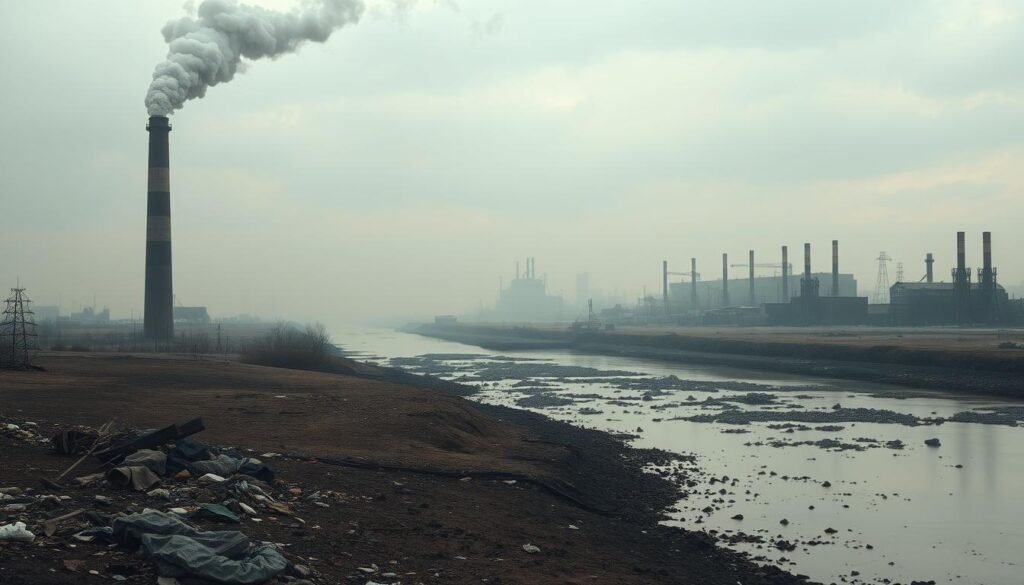
Reduction in soil and water contamination risks
Stopping illegal dumping stops harmful chemicals from getting into groundwater. Groundwater is vital for farms and homes in Haryana. Keeping it clean means safer crops and less cost for clean drinking water.
Improved public health outcomes and vector control
Removing dumps means fewer places for mosquitoes and rodents to breed. This lowers the risk of diseases spread by vectors. Cleaner air also means fewer health problems from bad smells and methane.
Long-term benefits to local ecosystems and biodiversity
Cleaner areas help pollinators and protect nature near wetlands and canals. Healthier waterways support fish and birds, helping farmers and locals. These benefits are key to effective pollution control and community strength.
We also see benefits beyond nature: cleaner streets can increase property values and attract tourists. When local authorities enforce rules and educate people, Haryana’s environment fines help achieve waste management goals. This leads to real improvements in environmental health.
Monitoring, data collection, and transparency measures
We use a layered approach to monitor illegal dumping. This includes technology, public access, and independent review. It helps enforcement teams act quickly and lets citizens see progress. This approach strengthens pollution control and supports better waste management in India.
Use of GIS, surveillance, and mobile reporting apps
We use GIS mapping to find where dumping happens often. We also have CCTV and time-lapse cameras at key spots. Mobile apps let people and inspectors send GPS-tagged photos, helping enforcement follow the NGT directive.
Public dashboards and open data on enforcement actions
We have dashboards that show our enforcement actions. They include fines, cleanup efforts, and how well places follow the rules. Open data lets researchers and groups look at trends and suggest better policies.
Periodic audits and third-party assessments
We have regular audits by outside groups and schools. They check if our reports are right and if places follow the rules. This builds trust and shows where we need to improve in controlling pollution.
We track things like how many dumping incidents we find and how much waste we clean up. These numbers help us see how well we’re doing. They guide us to make our strategies better and ensure the NGT directive helps waste management in India and public health.
Challenges and criticisms of the enforcement approach
Strong enforcement under the NGT directive brings up important questions. People are concerned that fines can be too hard on those who are poor. To make things fair, we suggest fines that grow with income, community service, or help for those who can’t pay.
Administrative capacity is a big challenge. Many local governments lack the right training, vehicles, and labs for testing waste. This uneven application can weaken efforts to control pollution.
There’s also a risk of corruption and cheating by some contractors. We suggest using digital records, clear bidding, and public dashboards for inspections and fines. This builds trust and accountability in waste management in India.
Legal challenges are likely. Companies and contractors might fight fines in court, saying the process was wrong or questioning the law. These appeals can slow down enforcement and make it hard for local officials to follow the rules.
Fines alone can’t change behavior. We need to add education, better waste disposal, and support for recycling. This way, we can encourage lasting changes in how people act.
Smaller towns will have to spend money to improve their waste handling. The state could offer grants, low-interest loans, and technical help. This support helps towns meet pollution standards without hurting basic services.
Comparisons with other states and national best practices
We look at how various places handle illegal dumping to find useful lessons for Haryana. Our goal is to compare methods to help local agencies improve waste management in India. This will help them meet NGT directives and enhance pollution control.
Maharashtra is known for its strong partnerships between public and private sectors. In Greater Mumbai, private recyclers work with the city to process waste. Pune has a user-fee system and rewards for sorting waste, reducing illegal dumping.
Karnataka focuses on enforcing waste segregation in Bengaluru. It also has strict rules for construction and demolition waste. This has reduced illegal dumping and improved waste tracking.
Tamil Nadu formalised informal waste workers. Programs that register and train these workers have improved waste collection and recycling. This has also provided jobs and reduced illegal dumping.
Delhi uses digital tools and quick response teams to enforce pollution laws. Mobile apps and public dashboards make enforcement actions clear. This has increased compliance with pollution laws.
Looking at international examples, South Korea charges for waste generation, increasing segregation. Germany has rules for producers and deposit-refund systems for packaging. Singapore aims for high recycling with strict enforcement and advanced facilities.
Using fines and rewards together can be more effective than fines alone. Incentives like rewards for sorting waste, subsidies for composting, and tax breaks for recycling can encourage good behavior. Fines, like those in Haryana, act as a deterrent under NGT directives.
We suggest specific actions for Haryana: performance-based contracts, digital manifests, and strict EPR rules. Also, grants for waste processing infrastructure are recommended.
Adaptability is key: Haryana should pick and mix strategies from other places. This approach should fit local governance, budget, and community values. It will help meet pollution goals and improve waste management in India.
Environment / Governance
The new Haryana environment fines mark a big change in how we manage our environment. These rules move from just watching over things to actively protecting them. They link local cleaning efforts to big goals like Swachh Bharat Mission and the Sustainable Development Goals.
Policy priorities now blend pollution control with making sure everyone follows the rules. Fines tell everyone involved that keeping India clean is serious business. It needs quick, effective action and fair rules.
There’s a real connection between the rules and how they’re followed. The HSPCB sets the rules and checks on them. Municipalities handle the day-to-day work, and the National Green Tribunal helps enforce the rules. All these parts need to work together to make the rules real.
Being accountable means more than just fines. It also means showing how things are going through dashboards and audits. This way, we can see where we need to do better and make things better.
Getting people involved makes things better. With apps and open data, people can help watch for illegal dumping. When they report problems, the actions taken can be more focused and quick.
Building skills is key to lasting success. Training people in the latest waste management techniques helps everyone follow the rules better. This investment in people helps make the rules work better.
This policy fits with bigger goals for the country. It aims to protect our water, clean up cities, and keep people healthy. Good governance, based on openness and community involvement, makes keeping the environment clean a lasting effort, not just a quick fix.
Conclusion
Haryana’s decision to fine up to ₹50,000 for pollution and dumping is a big step. It shows that enforcing rules is important. This move helps in managing waste better across India.
But, fines alone are not enough. We need better infrastructure, trained staff, and community involvement. Municipal workers, pollution boards, and contractors must follow the NGT directive and local laws.
Education is key. Schools and training programs should teach practical skills. This will help in monitoring, collecting evidence, and ensuring compliance.
We urge engineers, officials, students, and teachers to seize this chance to innovate. By using new monitoring systems and working together, we can make lasting changes. Haryana can lead the way in improving environmental fines and pollution control in India.