



Gold prices climbing have captured global attention as 24K gold rates continue to rise amid rebounding demand from investors and consumers. This upward trend reflects a mix of economic uncertainty, safe-haven investment appeal, and seasonal buying patterns, making it a crucial period for both buyers and market watchershttp://current gold rates in India. What started as a cautious rebound has now gained momentum, with 24K gold breaching earlier price levels and attracting both investors and jewellery buyers alike.
In India and key global markets, gold prices are now reflecting a multi‑faceted rally driven by macroeconomic factors, geopolitical tensions, central bank movements, and renewed consumer demand. Here’s a detailed breakdown of what’s behind the surge, how it’s impacting markets, and what it means for investors and buyers.
1. Record and Near‑Record Price Levels
Across markets, gold has surged to levels that were previously atypical. In international trading, spot gold recently surpassed $4,600 per ounce, marking one of its strongest performances on record amid safe‑haven demand triggered by geopolitical tensions and global financial uncertainty.
In the UAE’s Dubai gold market, 24K gold recently climbed past Dh550 per gram, setting new highs and reinforcing its reputation as a global pricing benchmark for bullion.
Meanwhile in India, 24K gold prices have repeatedly crossed ₹1.3 lakh per 10 grams toward the end of 2025, a level that would have seemed unthinkable just a few years ago.
Across many Indian cities, gold has remained elevated, reflecting sustained investor and consumer interest despite local volatility.
2. Why Gold Is Rallying: Key Drivers
Safe‑Haven Demand Amid Global Uncertainty
Gold traditionally benefits when markets face turbulence. With ongoing geopolitical friction, including global conflicts and tensions involving major economies, investors have flocked to precious metals as a hedge against risk and inflation.
This safe‑haven appeal has been reflected in sharp gains at major global exchanges and increased demand for bullion bars and coins.
Monetary Policy Expectations
Expectations of interest rate cuts — particularly from the U.S. Federal Reserve — have boosted gold’s appeal. Lower real interest rates tend to make non‑yielding assets like gold more attractive, encouraging funds and institutional buyers to accumulate bullion.
Even when central banks don’t cut rates immediately, dovish comments and economic data that signal slower growth have supported bullish sentiment in gold markets.
Currency Movements and Inflation
A softer U.S. dollar generally improves gold’s global accessibility because gold priced in dollars becomes cheaper for foreign buyers. Combined with inflation concerns in many economies, this dynamic has underpinned gold’s climb.
Emerging markets like India, where currency fluctuations directly affect local gold prices, have seen significant premium and price jumps as rupee movements influence demand and import costs.
Consumer Demand and Seasonal Trends
Beyond investors, physical demand — especially in India — remains a powerful force. Festivals and wedding seasons traditionally spur gold purchases, providing a countercyclical boost to prices even when other markets are wobbling.
India’s robust cultural affinity for gold jewellery means seasonal demand can amplify price gains, particularly for 24K gold cherished for its purity and investment appeal.

3. Domestic Market Snapshot: India
In India—one of the world’s largest gold consumers—rates for 24K gold have shown strong upward momentum. Over recent months, prices recorded fresh highs, reaching and sometimes exceeding ₹1.3 lakh per 10 g in many key cities.
City‑wise price movements have largely mirrored international trends, with minimal differences aside from local taxes and making charges. Across Delhi, Mumbai, Chennai, Bangalore, and Kolkata, gold has held firm near elevated levels.
This resurgence follows a period of volatility earlier in the year, where prices experienced intermittent dips before resuming an upward trajectory.
4. Impact on Jewellery and Retail Sectors
The rally has had mixed effects on retail markets:
Consumer Buying Patterns
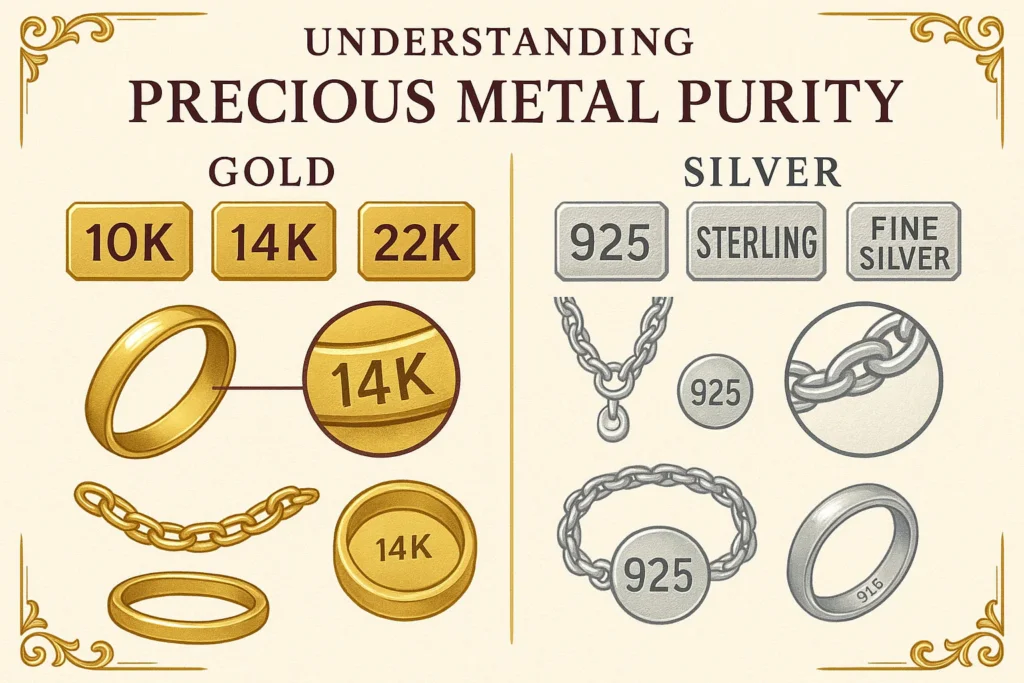
High gold prices typically strain retail demand because consumers may postpone purchases or seek alternatives like 22K or even 18K jewellery. Recent reports suggest that despite strain in some quarters, strong festive sales and wedding season demand helped sustain interest.
Industry Performance
Jewellery stock prices such as Titan, Kalyan Jewellers, and Senco Gold have performed well as strong sales offset the pressure of rising bullion costs, indicating resilient consumer appetite.
However, elevated costs do compress margins for jewellers, especially when making charges and overheads are factored in.
5. How Investors Are Responding
Investors have diversified across several gold‑linked instruments:
Physical Gold Holdings
Coins, bars, and jewellery remain popular, particularly in India and the Middle East. Physical purchasing tends to spike during auspicious dates, contributing to price surges.
Gold ETFs and Digital Gold
Exchange‑traded funds (ETFs) and digital platforms offering gold investments have attracted inflows, especially among younger investors seeking exposure without storage costs.
In India, recent regulatory approvals allowing pension funds to allocate to gold ETFs have widened the investor base and could further support demand.
6. Risks and What’s Next
Potential Pullbacks
Markets at elevated levels often face profit‑taking pressure. Analysts warn that sharp run‑ups can occasionally lead to short‑term corrections before prices stabilise or resume upward patterns.
Macroeconomic Developments
Key data points — such as inflation figures, global growth indicators, and central bank rate decisions — will significantly impact gold’s near‑term trajectory.
Geopolitical Twists
Any easing in geopolitical tensions could reduce safe‑haven demand, while escalations could further propel prices.
7. Tips for Buyers and Investors
Here are a few general guidelines for navigating this gold price environment:
- Monitor global cues: Currency strength, inflation data, and monetary policy outlooks are key inputs for gold pricing.
- Stagger purchases: Buying in tranches can average cost and reduce timing risk.
- Diversify within gold: Consider a mix of physical, digital, and ETF investments depending on your goals and liquidity needs.
- Stay informed: Local taxes, duties, and seasonal demand also influence price changes.
Conclusion
Gold’s recent upward climb — particularly in 24K rates — reflects a confluence of global and domestic forces. Safe‑haven demand, expectations of lower interest rates, currency effects, and resurgent physical buying have combined to push prices higher. While risks of pullbacks and volatility remain, gold continues to command investor and consumer attention as both a store of value and a cultural asset.
As markets evolve in 2026, keeping a close eye on economic indicators and geopolitical developments will be key for anyone tracking or participating in the gold market.