



The Aravali eco-degradation crisis is escalating in northwest India. This ancient mountain range, crucial for water recharge, biodiversity, and soil conservation, is under intense pressure from mining, encroachments, and unplanned urban growth. Recent studies warn that ongoing human activity is accelerating the Aravali eco-degradation, threatening land, water, and wildlife habitats. A recent scientific study has sounded the alarm on the accelerating loss of land, water resources, biodiversity, and ecosystem services—driven by encroachments, mining, and unchecked urban expansion. http://Times of India – Aravali Degradation
Straddling four states—Delhi, Haryana, Rajasthan, and Gujarat—the Aravallis serve as a natural green barrier that moderates climate, facilitates groundwater recharge, curbs desertification, and sustains rich wildlife and vegetation. Yet, decades of human pressure are unravelling this ancient ecosystem at a disturbing pace.
Disturbing Findings from the Latest Study
The study highlights that the Aravalli ecosystem is under severe stress due to a combination of human activities:
1. Rampant Encroachments
Urban expansion has pushed into ecologically sensitive zones once occupied by forests, scrublands, and rocky hillocks. Settlements, commercial developments, and illegal constructions have steadily converted natural land into built‑up areas, fragmenting habitats and disrupting ecological continuity.
2. Persistent Mining Activities
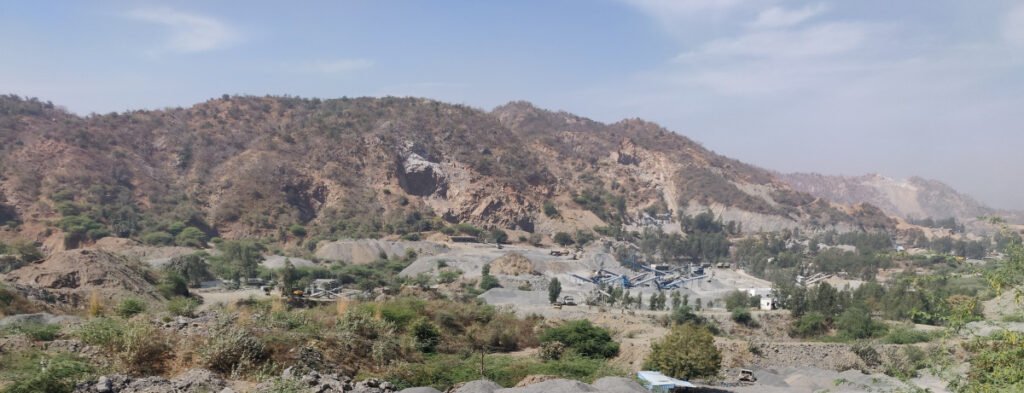
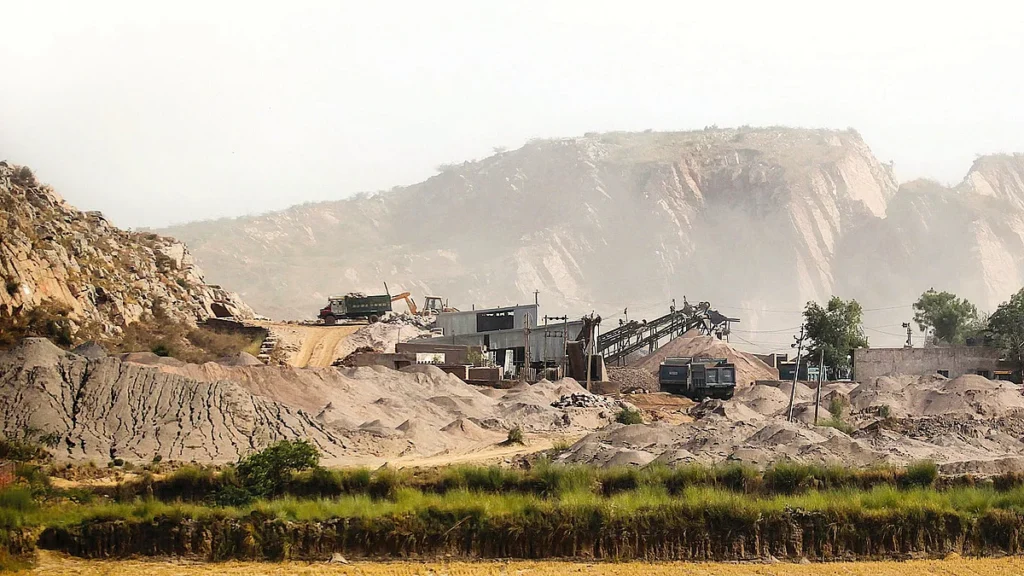
Both licensed and illegal mining continue to scar the hills. Despite longstanding legal directives—including a ban on mining in certain areas—extraction of minerals like stone, gravel, and marble persists, often beyond sanctioned limits. Satellite and drone surveys have documented discrepancies between approved mining activities and actual excavation, indicating widespread overmining.
Between 1975 and 2019, studies show that millions of tonnes of rock were removed from hills, with estimates of thousands of illegal cases recorded across key districts.
3. Unchecked Urban Sprawl
Rapid growth in population and infrastructure in cities such as Gurgaon, Faridabad, Jaipur, and Delhi has driven built areas deep into Aravalli‑defined boundaries. This unplanned sprawl accelerates deforestation, increases soil sealing, and places enormous pressure on water resources.
Environmental Impacts
The degradation is not just aesthetic — it has deep ecological consequences:
Groundwater Depletion
The Aravallis have historically acted as a natural sponge, capturing rainwater in their porous rocks and feeding aquifers. However, deforestation, surface sealing, and mining have drastically reduced groundwater recharge. In many parts of the Aravalli region, water tables are falling at alarming rates, leading to water scarcity for both human and wildlife populations.
Loss of Soil and Green Cover
Mining and urbanisation have directly contributed to soil erosion and the loss of forest cover. Between 1975 and 2019, some regions saw forest cover decline by more than 30%, often converted into agricultural land or human settlements.
This loss of vegetation not only degrades soil health but also removes the crucial carbon sink that helps regulate temperature and air quality in the surrounding regions.
Biodiversity Decline
The shrinking and fragmentation of habitats threaten wildlife corridors and species diversity. Iconic mammals like leopards, hyenas, and smaller carnivores increasingly come into conflict with humans as their natural habitats erode. A recent ecological mapping found leopard populations occupying fragmented patches in Gurgaon‑Faridabad Aravallis, underscoring the struggle of wildlife in a human‑dominated landscape.
Air and Climate Effects
Dust from mining and construction is a significant contributor to air pollution, especially in the National Capital Region (NCR). The removal of vegetation exposes loose soil and increases respirable particulate matter, which can worsen respiratory illnesses and strain public health systems.
Additionally, the degradation of green cover and change in landforms influence local climate patterns — reducing rainfall retention, increasing temperatures, and contributing to more frequent drought and heat stress conditions.
Legal and Policy Challenges
Despite a long history of legal contention over the Aravallis, enforcement remains inconsistent.
Aravalli Definition and Protection
Recent legal developments have attempted to provide a uniform definition of what constitutes “Aravalli” land, framing rules for core and inviolate zones where mining is strictly regulated or prohibited. However, critics argue that this definition still leaves many ecologically important low ridges and outcrops—often under 100 metres in elevation—open to exploitation due to their exclusion from the formal zone.
Weak Enforcement
Even in ecologically sensitive zones protected by law, illegal construction and mining violations continue. Forest departments occasionally dismantle unauthorised roads and encroachments, yet sustained enforcement remains a challenge.
Fragmented Governance
Multiple agencies—from state land revenue departments to urban planners and forest officials—govern different facets of the Aravali ecosystem. Lack of coordination often allows loopholes to persist, enabling land grabs and unauthorised resource extraction.
Human Dimensions and Local Livelihoods
The degradation of the Aravallis affects local communities in multiple ways:
Water Insecurity
Farmers and rural residents rely on both surface and groundwater for irrigation and daily use. As aquifers deplete, water insecurity deepens, increasing costs for pumping water and threatening livelihoods.
Dust and Public Health
Air pollution from mining, construction, and dust storms contributes to respiratory illnesses and diminished quality of life in surrounding urban and rural communities.
Steps Toward Restoration and Conservation
Addressing the crisis requires multi‑layered action:http://New Indian Express – Mining Impact
1. Strengthened Legal Enforcement
Strict implementation of existing environmental laws, real‑time monitoring of mining activities using geospatial tools, and coordinated action across departments are vital.
2. Restoration Projects
Initiatives like Haryana’s plan to revive 853 hectares of Aravali forests — including sapling drives, agroforestry, and green belts — represent proactive steps against desertification and ecological loss.
3. Community Involvement
Empowering local communities as stewards of the environment — including participatory mapping of critical wildlife corridors and protection of sacred groves — can strengthen grassroots conservation.
4. Urban Planning Reform
Cities near the Aravallis must integrate ecological buffers, restrict development in sensitive zones, and prioritise green infrastructure to reduce environmental impacts.
Conclusion
The Aravali range is more than a scenic backdrop—it is a dynamic ecological system fundamental to water security, biodiversity, climate resilience, and sustainable human settlement in a region home to millions.
The latest study’s warning should serve as a catalyst for action: protecting what remains, restoring what’s lost, and reimagining development in harmony with nature. Time is short, and the stakes extend far beyond the hills themselves—impacting regional climate, public health, and future generations’ access to water and clean air.