



Jewellery stocks fall became one of the biggest market trends after Titan, Kalyan Jewellers, and PC Jeweller shares dropped up to 11% following reports surrounding Prime Minister Narendra Modi’s appeal to avoid non-essential gold purchases amid economic concerns. The sharp decline triggered strong reactions across the Indian stock market, especially within the retail and jewellery sectors.
The development triggered a strong reaction across the Indian stock market, particularly in the jewellery and retail sectors, where investor confidence weakened due to fears of a possible slowdown in consumer gold demand.
The appeal comes at a time when India is dealing with multiple economic pressures, including rising crude oil prices, geopolitical tensions in West Asia, inflationary concerns, and pressure on the country’s foreign exchange reserves. Since India imports a substantial quantity of gold every year, rising imports directly impact the trade deficit and place additional pressure on the Indian rupee.
As reports surrounding the statement spread, investors responded cautiously, leading to heavy selling across major jewellery stocks.
Understanding the Market Reaction
Recent news from the Indian stock market shows a big change after PM Modi’s call to delay buying gold. Leaders’ words can really sway how investors feel. This time, the call to wait on gold purchases led to a drop in gold stocks.
This drop is part of a bigger trend, known as a *gold stocks crash*. It affects many stocks in the gold sector.
Investors see messages about gold as signs of the economy’s health and spending patterns. When leaders talk about gold, it can cause investors to sell quickly. This shows that the market’s moves are not just about numbers. They are also about feelings and fears.
Why the Jewellery Sector Reacted Sharply
India is one of the world’s largest consumers of gold, with demand driven heavily by weddings, festivals, investments, and cultural traditions. Even minor changes in consumer sentiment related to gold purchases can significantly affect jewellery retailers and investor confidence.
The market reaction was largely based on concerns that consumers may postpone discretionary gold purchases in the short term if economic uncertainty continues.
Analysts believe that jewellery stocks reacted not because of structural weakness in the industry, but because markets anticipate temporary pressure on retail demand if gold buying slows during important seasonal periods.
Impact on Titan Shares
Titan Company Ltd, which operates one of India’s largest jewellery retail businesses through Tanishq and other brands, saw its shares decline sharply following the reports.
Investors remain cautious about the possibility of slower jewellery sales if consumers reduce spending on high-value purchases. Titan is often viewed as a benchmark for the organised jewellery sector, which is why any negative sentiment around gold demand tends to impact the stock significantly.
Despite the correction, market experts believe Titan continues to maintain strong long-term fundamentals due to its brand strength, nationwide retail presence, and diversified business operations.
Industry observers also note that Titan’s premium positioning and trusted customer base may help the company recover faster once market sentiment stabilizes.
Impact on Kalyan Jewellers Shares
Kalyan Jewellers also witnessed a substantial fall in stock value amid broader weakness across jewellery stocks.
The company has expanded aggressively across multiple Indian cities and international markets in recent years. However, since a major portion of its revenue depends on jewellery sales linked to festive and wedding demand, investors reacted negatively to concerns about slower consumer purchases.
Analysts suggest that while short-term volatility may continue, organised jewellery retailers like Kalyan Jewellers could still benefit in the long run as consumers increasingly shift from unorganised to trusted branded jewellery chains.
The company’s future performance will likely depend on consumer confidence, gold price stability, and upcoming festive demand.
Impact on PC Jeweller Shares
PC Jeweller shares also experienced sharp selling pressure following the reports.
The stock, which has historically been more volatile compared to larger jewellery brands, reacted strongly as investors reassessed the short-term outlook for retail jewellery demand.
Market experts believe the fall reflects immediate investor caution rather than long-term operational concerns. Investors are now expected to closely monitor quarterly sales figures, consumer trends, and future economic developments before taking fresh positions in jewellery stocks.
Economic Context Behind the Appeal
Reports indicate that the broader focus behind the appeal is linked to economic stability and import management.
India imports a large quantity of gold annually, making it one of the country’s major import expenses alongside crude oil. During periods of global uncertainty, rising imports can widen the trade deficit and increase pressure on foreign exchange reserves.
At the same time, geopolitical tensions in West Asia have contributed to fluctuations in global oil prices, increasing economic uncertainty for emerging markets including India.
Economists suggest that reducing non-essential imports during uncertain periods can help stabilize currency pressure and improve external financial conditions.
The reports surrounding PM Modi’s comments appear to align with these broader economic concerns.
Objectives Behind Delaying Gold Purchases
Delaying gold purchases aims to keep finances stable. PM Modi wants to help people avoid losing money in a shaky market. His goal is to teach people to be careful with their money.
He wants to help people make smarter financial choices. This is part of his plan to make the country more financially responsible.
Rising Gold Prices and Consumer Sentiment
Gold prices have already remained elevated in recent months due to global uncertainty, inflation concerns, central bank buying activity, and geopolitical instability.
Higher gold prices combined with cautious economic sentiment may naturally lead many consumers to delay purchases, especially for investment purposes.
However, industry experts believe wedding-related and culturally significant purchases are likely to continue despite short-term fluctuations in sentiment.
India’s emotional and traditional connection with gold remains deeply rooted, making the sector relatively resilient over the long term.
Market Sentiment and Investor Concerns
Investor sentiment across the jewellery sector remains cautious as markets continue to evaluate the potential impact of reduced gold demand.
The sharp correction in jewellery stocks highlights how sensitive the sector is to economic commentary, government messaging, and consumer behavior trends.
Several analysts believe that short-term volatility could continue if uncertainty surrounding imports, inflation, global commodity prices, and geopolitical tensions persists.
At the same time, some investors view the correction as a temporary market reaction rather than a long-term structural issue for organised jewellery businesses.
Recent Price Movements for Titan
Titan’s stock price has changed a lot. Prices show what investors and the market think. The recent ups and downs in share price are linked to big news about gold.
Kalyan Jewellers Share Price Performance
Kalyan Jewellers’ stock has moved like Titan’s. It shows how demand and confidence mix. Looking at recent trends, Kalyan Jewellers’ stock is affected by the economy.
PC Jeweller Stock News and Updates
PC Jeweller’s stock has shown interesting changes. It reflects the jewelry market’s challenges and how people feel about the economy. Watching Titan stock closely helps us understand the market’s future.
Gold Demand Slowdown and Its Implications
The gold demand slowdown has caused worry in the jewellery world. It shows big changes in how people buy things and the state of the economy. Knowing what affects the jewellery market is key for those trying to get through tough times.
Economic uncertainty and a move towards other investments are big factors. They change how much gold people want to buy.
Factors Contributing to Gold Demand Decrease
Several things lead to less gold being bought. Economic ups and downs make people choose to save over buying fancy things. Younger people are also drawn to things like cryptocurrencies or stocks instead of gold.
This means gold jewellery sales are going down. This trend is likely to keep going as what people want changes.
Impact on Jewellery Retailers
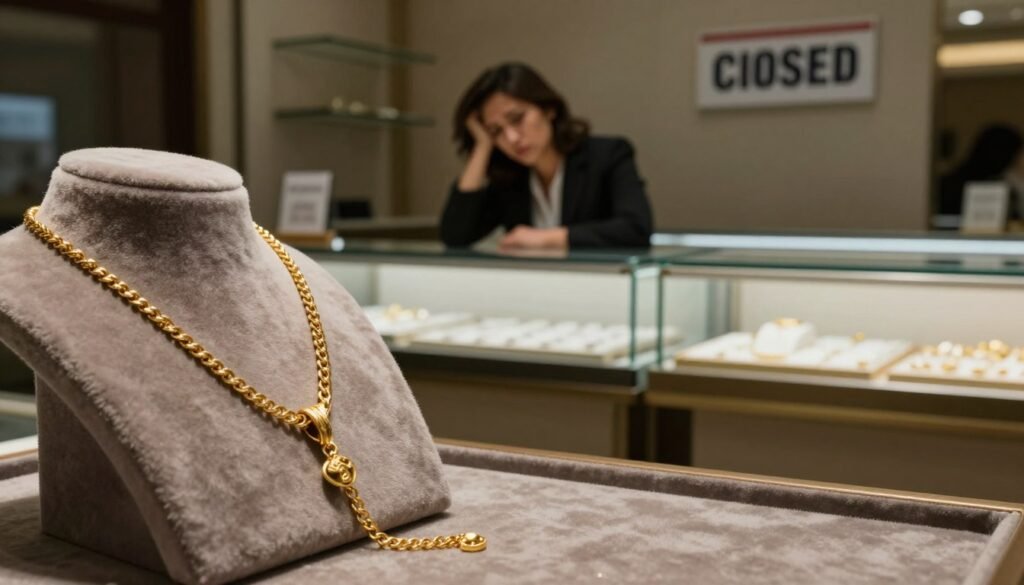
The slowdown in gold demand hits jewellery stores hard. With fewer sales, they need to change how they stock things and what they sell. Many are finding it tough to make money, so they’re looking for new ways to get customers.
With more competition and fewer people to sell to, jewellers must update their marketing and what they offer. This is a big challenge for them.
Broader Impact on the Indian Stock Market
The decline in jewellery stocks also affected overall market sentiment within retail and discretionary spending sectors.
Companies associated with luxury products, lifestyle retail, and consumer spending often react to shifts in economic confidence, especially when consumers are expected to reduce non-essential purchases.
The development has also sparked wider discussions among investors regarding:
- Consumer spending trends
- Inflation management
- Import dependency
- Currency stability
- Gold investment patterns
- Retail sector resilience
Financial markets are expected to remain sensitive to future economic updates and policy signals over the coming weeks.
Other Affected Sectors and Stocks
Gold stocks falling also hits luxury goods and consumer discretionary sectors. These sectors follow gold investment trends. When people want less gold, they spend less on other things too.
Retail stocks, like fashion and luxury, also feel this change. They show how gold price changes affect the market.
Comparative Analysis with Previous Market Trends
Looking at gold buying habits, we see past trends matter. Government advice can change how people feel about investing. This change can affect stock prices, showing the importance of emotional reactions to such statements.
Historical Reactions to Similar Statements
Looking back at how investors reacted to PM statements on gold, we learn a lot. When similar advice was given before, stock prices often fell. This shows how fast investors can react to government words.
This pattern tells us that market feelings and government advice can really impact stock values.
Senco Gold Shares Reaction
The jewelry market has seen big changes, and Senco Gold is in the spotlight. Looking at Senco Gold shares shows how the brand is doing in tough times. This tells us about investor feelings and what people want in jewelry.
Market Position of Senco Gold
Senco Gold has shown it can handle market ups and downs well. This makes it stand out against rivals who might lose customer trust. Seeing how Senco Gold reacts to market changes helps guess its future.

Expert Opinions on Market Conditions
Financial analysts and market experts share many insights on the gold market. Their opinions help investors make smart choices during ups and downs. The ongoing uncertainty makes it important to think carefully about future trends.
Predictions for the Gold Market
Experts say gold price predictions depend on things like inflation, currency strength, and global tensions. Some think gold prices might go up if inflation stays high. Others warn of a drop if the economy gets better. These views show how many factors affect gold prices.
Recommendations for Investors
Investors face challenges in today’s market. It’s key to have good investment plans. The current market needs careful thought and flexibility.
Strategies to Navigate Market Volatility
Having a diverse portfolio helps reduce risks. It’s important to adjust your investments based on market trends. Knowing about big economic changes, government actions, and specific industry news is also helpful.
Long-term vs. Short-term Investment Approaches
Short-term plans might bring quick wins, but long-term ones offer steady growth. Mixing both can help you make the most of now while securing your future. Keeping an eye on the market helps make smart choices for any time frame.
Current Jewellery Stocks Today
The jewellery market is always changing. Many companies are trying to get people’s attention. It’s important to watch the current jewellery stocks to see how they’re doing.
Investors need to know who’s leading the way. This helps them make smart choices.
Overview of Major Players
Big names like Titan, Kalyan Jewellers, and Senco Gold are key to understanding the market. Titan is a leader because of its wide reach and strong brand. Kalyan Jewellers connects with people who love tradition.
Senco Gold focuses on local craftsmanship. This adds variety to the market.
Outlook for the Jewellery Industry
Despite the recent decline, analysts believe the long-term outlook for India’s organised jewellery sector remains positive.
India’s jewellery market continues to benefit from:
- Strong cultural demand
- Wedding-related purchases
- Growing preference for branded jewellery
- Expansion of organised retail chains
- Rising disposable incomes in urban markets
Established brands with strong customer trust, transparent pricing, and nationwide retail networks are expected to remain relatively resilient even during periods of temporary volatility.
Industry experts suggest that the coming festive and wedding seasons will play a major role in determining how quickly demand recovers across the sector.
Palpable Effects on Retail Jewelers
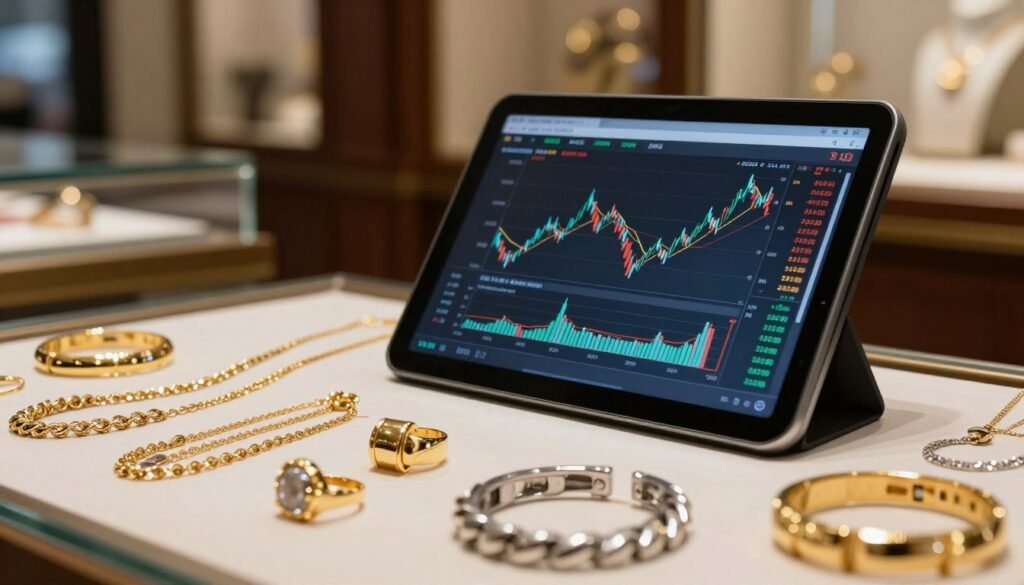
The retail jewelry world is changing fast. New trends are making things harder for stores. With less demand for gold, the competition is getting tougher. Stores need to rethink how they do business.
Challenges Faced by Retailers
Stores are facing many problems. Fewer people want to buy gold, which hurts sales. This leads to less money coming in.
With more competition, keeping customers is hard. Pressure on margins makes it tough to offer new and exciting items. Stores struggle to keep buyers coming back.
Stores also have to deal with changes in what customers want. People now care more about buying things that are good for the planet and fair to workers. These changes make the retail world even more complex. Stores must quickly adjust to these new trends.
Regulatory Considerations
The regulatory environment gold market is key in guiding investor actions and stability in gold. New policies can either help or hurt growth, affecting investments and market flow. Government rules often influence how safe and reliable assets seem, which can change gold demand.
This demand change can then impact gold prices. It’s important to understand how government influence on stock prices affects the market. Rules on gold taxes, trade tariffs, and environmental laws can cause market ups and downs. Retailers need to keep up with these changes to stay effective and protect their investments.
Future Projections for Gold Prices
Looking ahead, the future outlook gold market is filled with both chances and hurdles. Big economic factors like inflation and interest rates will shape gold prices. Central banks changing their money policies could lead to price swings, affecting gold’s role as a safe investment.
How investors feel will greatly influence gold demand. Changes in spending habits, due to the economy and world events, add to the complexity. The global economy’s future will guide the future outlook gold market. Watching how these factors interact will help us understand gold price changes coming up.

International Market Comparisons
Looking at the international gold market helps us understand the trends in Indian jewellery. By studying other countries, we see patterns that affect how people buy and invest.
For example, global jewellery industry insights show that people want sustainable and ethically made items. This change is a challenge and an opportunity for Indian jewelers. They need to keep their cultural heritage while meeting new demands.
Prices can change a lot because of how domestic and international markets interact. Knowing what happens in places like China or the US helps Indian jewelers. It guides them in managing their stock and marketing.
Learning from these comparisons teaches us about being competitive and innovative. By using what they learn, Indian jewellery businesses can stay ahead. They can also meet what global customers want.
Conclusion
The sharp fall in Titan, Kalyan Jewellers, and PC Jeweller shares reflects growing investor caution amid concerns over gold demand and broader economic pressures.
While the reports surrounding PM Modi’s appeal triggered immediate market volatility, analysts believe the long-term fundamentals of India’s jewellery industry remain intact.
Gold continues to hold deep cultural, emotional, and investment significance across India, making the sector an important part of the country’s consumer economy.
Investors are now expected to closely monitor consumer demand trends, gold prices, import policies, and global economic developments to better understand the future direction of jewellery stocks in the months ahead.