



In 2026, hantavirus is a big worry, with more cases popping up everywhere. This article covers important hantavirus topics like symptoms, causes, and how to prevent it. Knowing about hantavirus symptoms and how to avoid them is key to keeping everyone safe.
We’ll look at the rising number of hantavirus cases and why it’s a big deal. We’ll also talk about why it’s so important to stay informed and take action to protect our health.
Understanding Hantavirus
Hantavirus is a virus carried by rodents. It can harm humans. People get it by breathing in particles from rodent urine, droppings, or saliva.
In the U.S., the Sin Nombre virus is a big concern. In South America, the Andes virus is a major issue. Both can seriously affect human health.
It’s important to know the symptoms of hantavirus. They can show up one to six weeks after someone is exposed. If not treated quickly, it can lead to serious breathing problems.
We work together to prevent hantavirus. Keeping living spaces clean and reducing rodent areas helps a lot. Knowing how these viruses spread is key to stopping outbreaks.
The Rise of Hantavirus Cases in 2026
Hantavirus cases have gone up a lot this year. This is a big worry for health experts. They are looking closely at the latest cases.
They want to know why it’s happening and where. This helps them find ways to stop it.
Key Statistics and Trends
There’s been a big jump in hantavirus cases. This is a big worry for everyone. Health news in 2026 says we need to act fast.
Who gets sick is changing too. This makes us wonder about the environment and society’s role.
Geographical Hotspots
Some places have seen more hantavirus cases than others. Knowing where helps health teams focus their efforts. Places with more rodents tend to have more cases.
This shows we need to act locally. We also need to tell people about the dangers.
Hantavirus Symptoms and Prevention
Knowing the symptoms of hantavirus is key to stopping its spread. Spotting them early means quicker medical help. This can make a big difference in how well someone recovers.
Early signs often include fever, muscle pain, and feeling very tired. If the virus gets worse, it can cause serious lung problems. This is called hantavirus pulmonary syndrome (HPS). It makes it hard to breathe and can cause fluid in the lungs.
Common Symptoms to Look Out For
People with hantavirus might first feel headaches, chills, and stomach problems like nausea or diarrhea. When HPS happens, breathing issues get worse. It’s very important to know these signs to get help fast.
Preventive Measures You Can Take
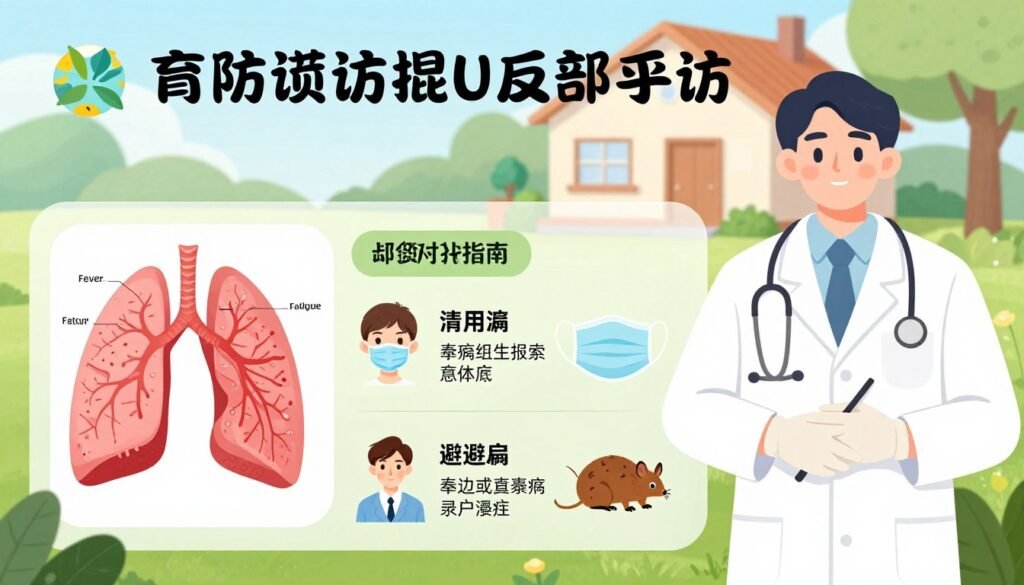
To fight hantavirus, you need to act early. Keeping your home rodent-free is a big step. This means no mice or rats around.
Make sure your home is clean and rodent-proof. Seal up holes and keep food in tight containers. Also, wash your hands often and wear gloves when cleaning areas with rodents.
Causes of Hantavirus Outbreaks
Hantavirus outbreaks often happen due to ecological and environmental factors. Rodent populations and their habitats play a big role. When deer mice, a carrier of the virus, multiply, so does the risk to humans.
Urban growth is another key factor. As cities spread, they meet more rodents. Deforestation and farming also disrupt natural habitats, raising hantavirus risks.
Seasonal changes also matter. Wet seasons grow more plants, making rodent homes bigger. This leads to more hantavirus cases, showing how environment changes affect the virus.
Knowing these causes helps us fight hantavirus better. We can prevent it by fixing environmental issues and watching rodent numbers. This way, we can protect people from this dangerous virus.
The Role of Rodents in Hantavirus Spread
Rodents are key in spreading hantavirus. They touch the environment and people. The deer mouse is a main carrier of the virus, affecting health.
These rodents spread the virus through their droppings, urine, and saliva. Knowing this helps us see the dangers of hantavirus.
Understanding the Deer Mouse Virus
The deer mouse virus is very dangerous to humans. Deer mice live in many parts of North America. They often live near people, raising the risk of infection.
The virus can turn into dust from rodent droppings. This dust can be breathed in by people. This shows why we need to take steps to prevent it, mainly in rural and semi-urban areas.
Other Rodent Carriers
While deer mice are well-known carriers, other rodents spread viruses too. Cotton rats and rice rats are examples. They carry viruses in different places.
Learning about all rodents helps us understand their role in spreading viruses. This knowledge helps us see how they might spread hantavirus to people.
Hantavirus Pulmonary Syndrome Explained
Hantavirus pulmonary syndrome (HPS) is a serious lung disease. It can be very dangerous. Knowing the hantavirus symptoms is key to getting help fast.
HPS starts with symptoms like the flu. These include fever, muscle pain, and tiredness. These can turn into cough, hard breathing, and lung fluid buildup. It’s important to spot these hantavirus symptoms early.
Complications can happen fast, like breathing failure. This shows why quick medical help is needed. Treatment mainly includes oxygen and, for severe cases, a breathing machine.
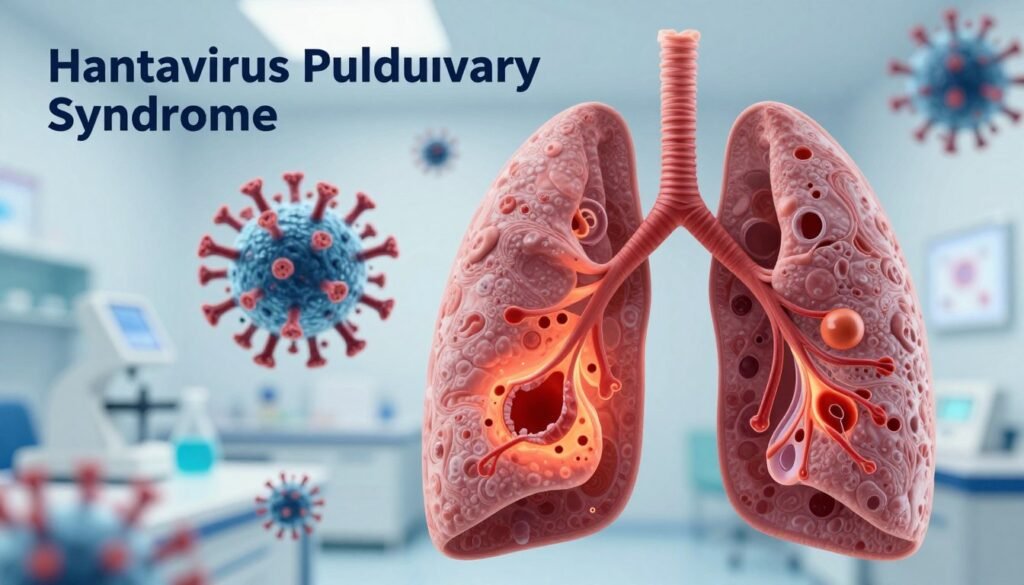
Knowing about hantavirus pulmonary syndrome is vital for health. Spotting it early can save lives. So, teaching about HPS is important for everyone and doctors.
Health Professionals’ Insights on Hantavirus
As we look at health news 2026, hantavirus cases are rising fast. Health experts around the world are studying why this is happening. They are sharing tips on how to prevent hantavirus. Knowing this can help people and communities stay safe.
Expert Opinions on Rising Cases
Health experts say changes in the environment are key to more hantavirus cases. How we use land and where people live affects rodents. An expert noted, “We need to watch rodent populations and know about our surroundings.” This shows we need to work together to solve these problems.
Public Health Recommendations
Public health officials say we must act fast to prevent hantavirus. Keeping homes clean is a big help. Also, teaching people about where rodents live is important.
Working with local health groups to spread the word is also key. This helps communities fight against the virus.
Latest Hantavirus Outbreak News
As hantavirus news keeps changing, we see more reports of cases. These cases are happening in many places, showing big outbreaks. It’s key to share true info to help people stay safe and ready.
The latest news on hantavirus outbreaks is scary. It shows how fast and clear health news must be.
Recent Case Reports
Recently, many hantavirus cases have been reported. They are mostly in areas with lots of rodents. Health teams are watching these cases closely, mainly in rural areas.
They are collecting data to understand the situation better. This way, they can give updates quickly. Being open helps build trust in the community.
Government Response and Alerts
The government is acting fast to deal with hantavirus cases. Health departments are setting up safety steps and alerts in affected areas. They teach people how to stay away from rodents and keep their homes clean.
Local leaders are giving advice on what to do if you think you’ve been exposed. Their goal is to stop the virus from spreading. They want to make people feel safe and confident in their health systems.
Hantavirus in the Context of Global Health
Hantavirus is a big deal for global health. It shows how diseases are connected. This helps us see the big picture of health trends.
More cases mean a changing health scene in 2026. It’s key to watch hantavirus closely. This helps us stop outbreaks and get ready for the future. Working together is important to fight health problems.
Dealing with health issues means looking at the big picture. Being careful and taking action helps keep us safe. Teaching people and spreading the word are key to fighting diseases like hantavirus.
Protecting Yourself from Hantavirus
To stay safe from hantavirus, take simple steps at home. Small actions can make a big difference. Knowing the right steps can keep you and your family safe from this serious virus.
Home Precautions and Cleanup Tips
Start by sealing any cracks in walls, floors, and doors. This keeps rodents out. Keep your home clean by throwing away trash and food waste in sealed bins.
When cleaning up rodent droppings, wear gloves and a mask. This helps prevent direct contact. Use disinfectants to clean surfaces where rodents have been. This gets rid of bad smells and helps stop the virus from spreading.
Be careful in places like attics and basements. If you think you have rodents, get help from pest control experts. They can help prevent hantavirus safely and effectively.
Community Initiatives for Hantavirus Prevention
Community efforts are key in fighting hantavirus. Good programs raise awareness and lower infection rates. Local efforts teach people about hantavirus risks and how to prevent it.
These programs make communities more aware and ready to fight the virus. They build a strong defense against outbreaks.
Public Awareness Campaigns
Public awareness campaigns are vital in stopping hantavirus. They use many ways to share important virus info. This includes workshops, meetings, and social media to teach about rodent control and safe practices.
These efforts make people know more about hantavirus and how to avoid it. More awareness means more people using safety measures. Together, we can build strong, healthy communities.
Impact of Climate Change on Hantavirus Spread
Climate change and hantavirus outbreaks are linked. As the world gets warmer and weather gets wilder, we see big changes in nature. These changes affect where rodents live and how they act, which changes how hantavirus spreads.
Warmer weather and weird rain patterns can make more rodents. This is because they find more food when it’s hot. Rodents then move into places where people live, making hantavirus spread faster. This is seen in hantavirus outbreak news, showing we need to act fast.
These changes mean we have to rethink how we keep people healthy. We need to adapt to how climate change affects hantavirus. By staying updated with health news 2026, we can get ready for what’s coming.

Research and Development in Hantavirus Vaccination
The worry about hantavirus has led to big efforts in making vaccines. Scientists all over the world are working fast to find good hantavirus prevention vaccines. In 2026, we’re seeing big steps forward in this area, with many tests to check if vaccines work well.
Researchers are trying to understand how to fight the virus better. They’re looking at new ways, like synthetic and recombinant vaccines, to help our bodies fight hantaviruses. But, they face big challenges like the virus’s complexity and different strains. It’s important to solve these problems quickly.
It’s key to keep funding vaccine research for public health. Working together, we can make faster progress in hantavirus prevention. As we follow the latest health news in 2026, the hope for a good vaccine is growing. This gives us new ways to fight this dangerous virus.
Travel Guidelines Related to Hantavirus
Travel opens up a world of adventure. But, some places have a higher risk of hantavirus. Knowing the dangers is key for safe travel.
We can stay healthy while exploring new places. This section gives travel tips and safety measures for areas with hantavirus.
Precautions for Travelers
Plan your trips with hantavirus prevention in mind. Check the areas you’ll visit for any hantavirus cases. If you’re going to rural areas or national parks, make sure your place to stay is rodent-free.
Look for signs of rodents like droppings or nests in your lodging. It’s important.
Good hygiene is a must. Avoid touching wild animals and never try to handle them. Always wash your hands with soap and water after being outside.
Use disinfectants on surfaces where rodents might be. This keeps your environment clean.
Lastly, bring safety gear like gloves and masks for activities that might put you near rodents. By following these tips, you can lower your risk of hantavirus. This way, you can enjoy your trip without worry.
Social Media and Hantavirus Awareness
Social media is a big help in sharing important health news, like about the hantavirus. People use it to talk about the dangers of this virus. This helps spread the word and keeps everyone informed.
Places like Facebook, Twitter, and Instagram are key. They let health groups and people share tips on how to stay safe. This way, we all learn more about how to avoid getting sick.
When we talk about hantavirus online, we get to know it better. People share their own stories and facts. This makes us all more aware and ready to take action.

Conclusion
As we finish our look at hantavirus cases in 2026, it’s clear we must prevent it. We’ve talked about symptoms, where it’s common, and how rodents spread it. With more cases, staying up-to-date with health news helps us all.
Working together is key. Health efforts and being careful can lower the risk of hantavirus. Knowing how the virus works helps us make our communities healthier.
Let’s not forget the importance of being aware. By taking steps to prevent it and sharing what we know, we help ourselves and others. Together, we can make our world safer.