



The French government has made a big change. Now, some Indian nationals can travel visa-free through certain French airports. This includes places like Paris-Charles de Gaulle and Paris-Orly.
This new rule is part of the France Visa Policy for India. It makes traveling to Europe easier for many people. The Indian Ministry of External Affairs sees this as a good step in improving relations with France.
We will tell you what this means for travelers. We’ll explain who can use this service and how it changes travel rules. Our aim is to help engineers, students, and teachers plan their trips with ease.
Overview of the new France visa-free airport transit policy
We explain the core change: some Indian nationals can stay airside at certain French airports during layovers. They don’t need an airport transit visa or a short-stay Schengen visa. This rule applies if they have confirmed onward tickets and meet transit conditions.
It’s important to note: passengers can’t go past passport control to enter France for tourism, business, or study.
What the announcement means for Indian travellers:
Indian passport travel gets easier for many connections through Paris-Charles de Gaulle and other hubs. Airlines will check if you have onward reservations, travel documents, and visa exemptions before you board. This change aims to reduce the risk of denied boarding and make travel smoother for professionals, students, and academics.
Effective dates and official sources:
The policy starts as announced in the French government press release and on the Embassy of France in India website. Circulars from the French Ministry of the Interior and updates on French consular services provide more details. We suggest checking these official channels for exact start dates and any updates on international travel.
Key benefits compared to previous rules:
Before, many Indian travellers needed a Schengen airport transit visa or short-stay visa to change planes in France. The new policy reduces paperwork, lowers visa fees and processing time, and can speed up connections. It makes logistics smoother for attending conferences, research visits, and short transfers between flights.
The policy is focused and limited: it’s for airside movement only, with checks by carriers. It’s not a substitute for a visa if you plan to enter France. For engineers, educators, and students who travel often, this change offers practical benefits. But, they must be careful about documentation and airline verification under the France Visa Policy for India framework.
Who qualifies for visa-free airport transit in France
We explain who can use France’s new visa-free airport transit. You’ll need to show certain documents at the gate. This change is good for many passengers, making travel easier.
Eligible Indian passport holders and travel scenarios
Indian nationals may qualify for visa-free transit. They need to have the right residency or visas for certain countries. For example, long-term residents of the European Union or Schengen states qualify.
Those with US, UK, or Canadian residence permits or valid visas also qualify. Passengers with confirmed flights to non-Schengen destinations can also use this service.
We note that confirmed onward tickets and a clear itinerary are key. Airlines and French authorities check each case against official lists before allowing boarding.
Transit-only conditions versus entry permissions
Visa-free airport transit lets you move inside the transit area only. It does not allow entry into France or the Schengen Area for sightseeing or staying overnight.
For any stay in France or travel within Schengen for up to 90 days, you need a short-stay Schengen visa. This visa is different from the transit exemption and allows full entry privileges under Schengen rules.
Documentation required at the airport
Airlines and immigration require a valid passport, a confirmed onward ticket, and any visas or residence permits. It’s wise to carry both printed and digital copies of your onward boarding pass and proof of legal residence or visa for your destination.
If you’re missing documents, the airline might not let you board. Even if you qualify for transit, check Europe travel rules and airline check-in guidance before you go to avoid any issues.
How the change affects common India-Europe travel itineraries
We look at how visa-free transit at French airports changes travel plans from India to Europe. This change affects booking, layovers, and travel through big airports like Paris-Charles de Gaulle and Lyon. You’ll see examples and tips for traveling with an Indian passport and understanding new Europe travel rules.

Typical flight connections through Paris and regional hubs
Many flights from India to Europe go through Paris-Charles de Gaulle and Paris-Orly. Air France has direct flights from Mumbai, Delhi, and Bengaluru. They work with Vistara and other airlines.
Lyon and Nice airports connect to southern Europe and Africa. If you have a confirmed ticket, you can stay airside without a visa for short stays.
Impact on booking strategies and layover planning
Think about shorter layovers now. Visa-free transit means you might not need an extra visa for quick transfers. Booking one ticket on approved airlines can make transfers easier and avoid baggage checks.
But, always check terminal rules and have proof of your next flight. The new visa policy doesn’t mean you don’t need to follow airline rules or visa rules for your final destination.
Examples of popular routes benefiting from the policy
Mumbai–Paris–Amsterdam: No visa needed for quick connections to Schengen countries. This makes same-day trips easier.
Delhi–Paris–Barcelona: Shorter layovers are now possible. This lets you find cheaper flights with tighter schedules while following Europe’s transit rules.
Bengaluru–Paris–New York (transit to non-Schengen country): Traveling airside means no visa for transfers to non-Schengen flights.
India–Paris–Africa connections: Flights to Africa via Paris are more flexible. This is great for travelers moving between continents on one ticket.
But, not all trips are the same. Some transfers need a Schengen visa, separate tickets, or long layovers. Always have your documents ready and check visa policies for India and Europe before booking.
Step-by-step guide to using visa-free airport transit
We guide you through easy steps for visa-free transit at French airports. This guide is based on the latest travel news. It helps Indian travelers plan their trips confidently.
Preparing travel documents before departure
Make sure your passport is valid for at least six months. Carry your onward ticket and any visa needed for your final destination. Have proof of where you’ll stay or an invitation letter ready.
Check if you’re eligible for visa-free transit on the French Embassy website. Also, call your airline’s customer service before you travel. These steps help avoid delays and match your expectations with current travel rules.
Arrival procedures and transit area rules
When you arrive, look for signs to the international transfer area. You’ll stay in the secure zone. Go through security and then to your next gate. Show your documents at the transit desk or to airline staff if asked.
You can use lounges and shops without going into France. Keep your boarding pass and ID with you. Knowing the rules helps you avoid extra steps that might lead to immigration checks.
What to do in case of extended layovers or missed connections
If you miss your connection, tell your airline right away. They might help you book a new flight or find a hotel. Airport help desks can also offer advice.
Check if you can get temporary permission to enter. This depends on immigration rules and might need a visa. Use your airline or travel insurance for unexpected costs. Plan for long layovers by knowing you might need to leave the secure area, which could mean going through normal entry rules.
Implications for Indian passport travel and tourism
The new transit policy makes it easier for many travellers from India. It removes some barriers for those moving between flights. This is good for students, academics, and engineers going to conferences in Europe.
How this eases mobility for Indian travellers
For those flying through Paris or other French airports, this policy is a big relief. It helps avoid the stress of tight connections. Airlines like Air France and Vistara might use this to promote smooth travel to Europe.
Potential boost to short-term tourism and family visits
This policy doesn’t replace a visa, but it makes travel planning easier. It makes trips to France more appealing for sightseeing or family visits. Tour operators and travel websites might offer itineraries that highlight easy layovers.
Effects on travel confidence and booking trends
There will be more demand for flights through French airports. This shows people are more confident in their travel plans. The France Visa Policy for India is seen as a step in the right direction. It shows stability to travellers and the industry.
Impact on India France relations and diplomatic ties
The visa-free airport transit move is a big step for India France relations. It shows trust in passport security and travel systems. It makes travel easier and strengthens people-to-people ties.

Policy as a sign of strengthened bilateral cooperation
This move is like a friendly push from France and India. It helps students, professionals, and families connect better. It also boosts academic and business exchanges.
Possible follow-up mobility agreements
We think talks will expand beyond just transit. France and India might work on easier short-stay visas. They could also make it simpler for skilled workers and students to move around.
Reactions from Indian and French officials
French and Indian officials are happy about the change. They see it as a win for business and tourism. Groups like FICCI and travel associations also support it for easier travel and more collaboration.
As travel news keeps coming, we’ll see how this policy fits into bigger plans. We’ll watch how it affects France’s visa policy for India and future agreements.
Comparison with transit policies of other Schengen countries
We look at how France’s new rules fit into Schengen’s bigger picture. This helps with planning trips to Europe from India. It makes it easier to book travel according to the latest rules.
Which states already offer similar transit provisions
Germany, the Netherlands, and Spain have rules for short visits in the air. These rules apply to some travelers from outside the EU. They need a visa for their next stop and can only stay for a short time.
How France’s approach aligns or differs
France’s new visa policy for India is similar but with some changes. They might accept more visas at big airports like Paris-Charles de Gaulle. But, they check your documents carefully.
Implications for multi-stop European trips
Rules in Schengen countries make traveling easier for long trips. But, different rules in each country can make planning harder. Always check the latest rules before you book your trip.
Practical tips for Indian travellers during transit
We help travellers make airport layovers easier and follow Europe’s travel rules. These tips cover what to carry, how to handle checks, and using airport services to save time and reduce stress during visa-free transit.
Keep your passport, boarding passes, and proof of onward travel in a pocket you can easily reach. For Indian passport holders, a slim travel wallet is helpful at many checkpoints.
Bring chargers, a small power bank, and a travel adapter for French plugs. Carry your laptop, headphones, and chargers in your carry-on. This way, you can use lounges or business centers during short stops.
Follow liquid limits and security rules: store liquids in a clear, resealable bag. Keep laptops ready for screening. Organize your items for quick security checks between terminals.
Managing visa checks and airline responsibilities
Airlines check if passengers meet entry or transit rules before boarding. Show your passport, onward ticket, and any visa needed when checking in.
Check in early online and save the airline’s local contact details. If there are document issues, solve them before departure to avoid being denied boarding under Europe’s travel rules.
When using visa-free transit, tell cabin crew or ground staff about your connecting flight and any special needs. Keep receipts and confirmations to avoid disputes about boarding eligibility.
Using airport facilities during layovers
Sterile transit zones have lounges, showers, transit hotels, and fast-track options. Paid lounge passes or credit-card access offer quiet space for work or rest on tight connections.
Use airport business centers and charging stations for urgent tasks. For longer waits, consider a transit hotel or a shower to refresh before your next flight.
Stay updated with international travel news from official embassy notices and airline alerts. Carry both printed and digital copies of important documents for smooth processing.
Airline guidance and responsibilities during visa-free transit
We help airlines and travel experts with rules for visa-free transit to India through France. This makes travel smoother and safer. Here’s what airlines need to do, how they work with French authorities, and what passengers should do if they can’t board.
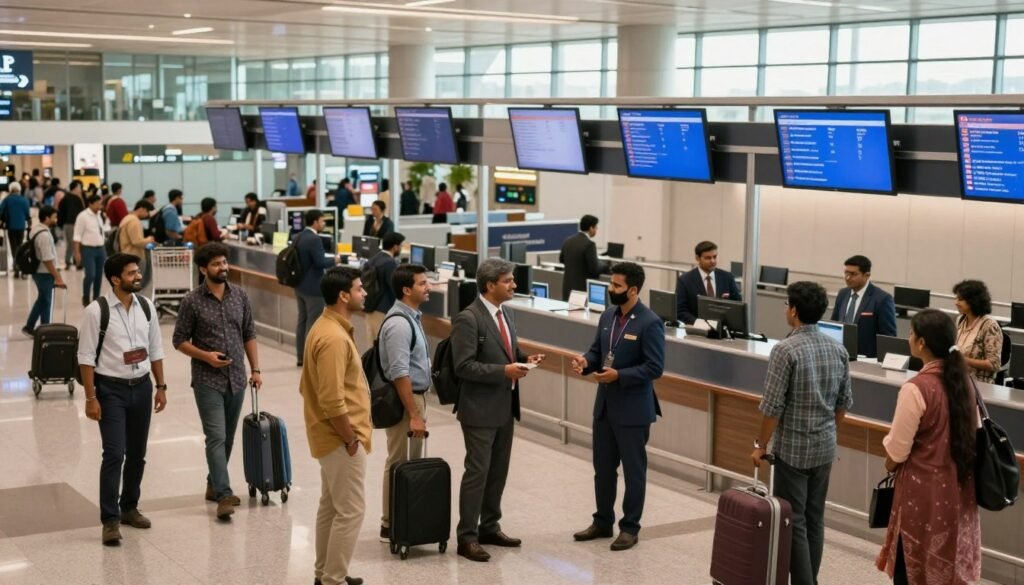
Airlines must check if passengers can travel legally. They need to see if passports are valid, if there’s a ticket to the next stop, and if visas or permits are needed. This follows rules from the International Air Transport Association and France’s immigration laws.
We suggest airlines use automated checks and train staff to spot missing documents early. This helps avoid problems at transfer desks and makes travel easier for Indian visitors.
Coordination between carriers and French immigration:
Airlines work together with airport teams and French immigration at transfer desks. They check if passengers can travel, which is important for transfers. Sometimes, airlines ask for documents before the flight.
French immigration might check passengers at gates. We tell airlines to keep in touch with immigration and use standard messages for passenger lists.
Passenger rights if denied boarding:
If an airline won’t let someone board, they must explain why. Airlines usually have to help find another flight or offer other options. This is based on their rules and international laws.
We tell passengers to keep all their travel papers. This includes receipts, boarding passes, and letters from airlines. Keeping these documents helps if you need to talk to the airline or the Indian consulate. Staying up to date with travel news helps everyone deal with problems faster.
Common misunderstandings and pitfalls to avoid
Many people get confused about visa-free transit. The rules for Indian passport travel in airside transit are different from a Schengen short-stay visa. If you leave the transit zone without a valid entry visa, you might be refused boarding or entry.
Mistaking transit permission for an entry visa
Visa-free transit lets you move through the international transit area only. If you go landside to get your luggage or change terminals, you need a valid visa. For example, if you need to get your bags at Paris Charles de Gaulle and then recheck them without an agreement, you might be denied entry if you don’t have a visa.
Assuming transit applies to all airports or connections
Not every French airport or connection has the same rules. Big hubs like Paris might offer more visa-free transit, but some smaller airports are stricter. Always check the airport policy before booking. Thinking all journeys follow the same Europe travel rules can lead to expensive problems.
Handling transfers with separate tickets or terminals
Booking separate tickets can be risky. Your bags might not be checked through, and you could need to go through immigration to get to the next flight. If you have to change terminals, you might have to go landside. It’s best to book a single ticket or check with both airlines about baggage handling and terminal transfers before you travel.
To avoid problems, check airline policies, airport transfer rules, and your layover details. Having clear documents and a solid plan helps avoid common issues for Indian passport travel. This makes visa-free transit smoother.
How travel agents and tour operators should adapt
We welcome the new practice and see clear steps for travel agents and tour operators to adopt. Quick updates to workflows will reduce friction for clients and staff while reflecting the latest international travel updates.
Update booking advice: revise client checklists and booking workflows to reflect visa-free transit eligibility. Add a step-by-step list that names required documents, transit rules, and contingency actions for missed connections. Train agents at Thomas Cook India, MakeMyTrip, and local agencies to confirm airline boarding rules before issuing tickets.
Communicate changes clearly: use plain-language email templates, concise FAQs, and short scripts for call centers so travellers grasp limits of exemptions. Emphasize verifying carrier policies—Air France and Vistara may deny boarding if paperwork is incomplete. Keep clients informed with succinct alerts tied to France Visa Policy for India updates.
Redesign packages: craft Europe-bound itineraries that use Paris as a hub for faster transfers and lower costs. Offer bundled fares with airlines and highlight transit-friendly layovers for students, visiting researchers, and professionals. Promote itineraries that show clear transfer times and required documentation.
We recommend adding contingency plans into every package: alternative flights, transit insurance options, and contacts for Indian consular support. That approach turns policy change into a service advantage and strengthens travel agents guidance.
Steps Indian travellers should take if problems arise during transit
We travel with care and plan for backups in busy hubs. If you face transit problems in France, act quickly and calmly. Keep important documents ready and know who to call.
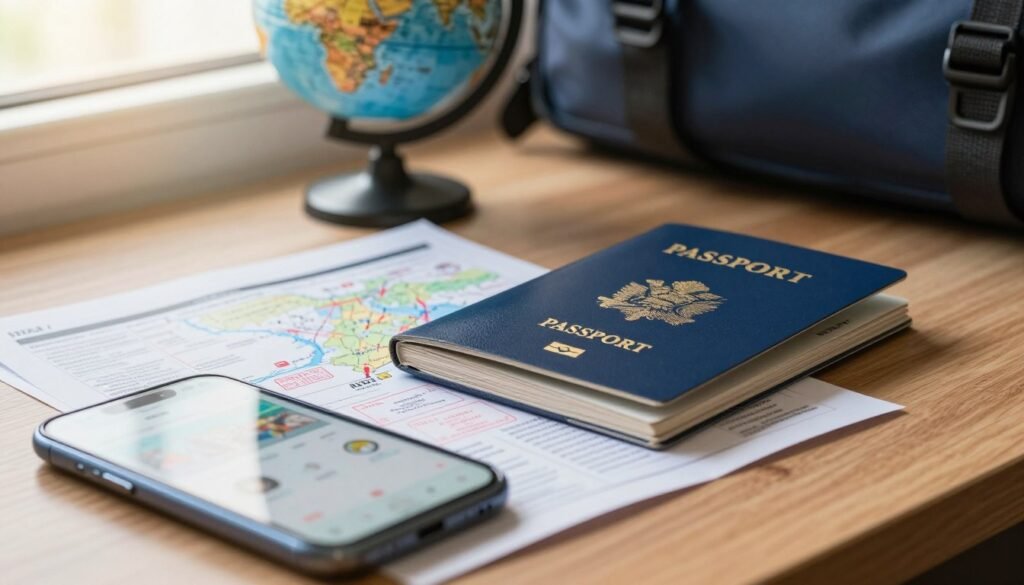
First, contact the airline transfer desk: Air India, Air France, Vistara, or your carrier can help. If they can’t solve it, go to airport immigration or the customer service desk at Charles de Gaulle or Orly. For big delays or being stranded, contact the Embassy of India in Paris or the nearest Indian consulate. They can help with welfare support and what to do next.
Documentation to present
Have your passport, boarding passes, e-ticket receipts, and visas or residence permits ready. Also, show travel insurance details and any letters from airlines or travel agents. Organized papers help speed up checks and reduce problems with airport staff and immigration.
How to escalate unresolved cases
If local help doesn’t work, ask for formal help from consular services. Write down the incident, including times and staff names. Contact the airline’s France office for further help and file a complaint with their customer relations team. Keep all receipts and communications for later claims or insurance.
We watch India France relations and international travel updates. This keeps readers informed about transit rule changes. Being prepared and having clear documents helps when facing transit problems in European hubs.
Monitoring future changes: where to find official updates
We keep an eye on official sources. This way, travelers get the latest on travel and visa rules. Regular checks help avoid surprises and boost trip planning confidence.
French sources to watch: Check the French Ministry of the Interior for immigration rules. The Ministry for Europe and Foreign Affairs has diplomatic notices. The Embassy of France in India shares consular updates.
These sites offer visa rules, airport transit advice, and updates on France’s Visa Policy for India.
Indian government advisories: The Ministry of External Affairs posts travel advisories. The Bureau of Immigration shares notices at ports of entry. The Embassy of India in Paris offers consular support and alerts.
Industry and news feeds: Watch IATA bulletins for regulatory updates. Follow Reuters Travel, Skift, and FlightGlobal for news on mobility agreements. Airlines and online travel agencies also share updates; sign up for their alerts.
It’s smart to sign up for embassy newsletters and alerts. This keeps you in the loop about changes in India France relations and new mobility agreements.
France Visa Policy for India
We explain how France handles visas for Indians and the new transit rule. This policy balances security with easier travel for Indians.
Short-stay Schengen visas are for tourism, business, and short visits up to 90 days. You apply at France-Visas and VFS Global in Mumbai, New Delhi, Chennai, Bengaluru, and Hyderabad. You need to give biometric data, pay fees, and wait for processing times that vary.
Long-stay national visas are for studying, working, and family reunions. You need more documents like university letters or work contracts. After arriving, you get a residence permit and must register with the local prefecture.
The visa-free airport transit is a small change for certain transfers. It doesn’t replace entry visas or change travel rules. This change makes airport transfers smoother while keeping safety checks.
Next, we might see more cooperation through mobility agreements. This could mean easier appointments, special lanes for students and researchers, and faster visa processing for frequent travellers.
Building trust is key for better India France relations. This includes working together on law enforcement, secure travel documents, and helping each other’s citizens. These steps often come before easier visa rules or special travel options for certain groups.
For easier travel for Indians, we might see faster processing and clearer rules for academics and business. Good diplomatic work and testing new ideas usually lead to the best results for both sides.
Conclusion
The new visa-free transit rule is a big step for France and India. It makes traveling through Paris and other French cities easier for Indians. This is great news for engineers, students, and teachers who want to visit conferences or work together.
Before you travel, check if you can use the visa-free transit. Look up the rules on the French government’s website and with your airline. Keep your passport, ticket, and any needed documents ready. Also, have a plan for if your flight is late or you have to stay longer.
This change is good for the relationship between France and India. It might lead to even more ways for people to travel between the two countries. We will keep giving you tips and advice so you can explore the world with ease.