



Welcome to our guide on Poila Boishakh 2026 in Kolkata. The city is getting ready for Noboborsho. Civic planners, cultural groups, and temple committees are working together.
They plan street processions, stage shows, and market festivals. Noboborsho 2026 is on the Bengali almanac’s special day. Festivities start at dawn and last all day.
The Kolkata Municipal Corporation and cultural trusts will make official announcements. This celebration mixes old traditions with new ideas. It includes pujas, Rabindra Sangeet, and family rituals.
In this article, we’ll cover procession routes, performance times, and food and shopping tips. We’ll also share temple hours, transport info, media coverage, and advice for visitors. Our team is made up of curious experts. We aim to make Bengali New Year 2026 easy to understand and useful for everyone.
Overview of Poila Boishakh 2026 in Kolkata
Poila Boishakh 2026 brings new life to the city. It will have cultural events in every neighborhood and careful planning. This year, the Bengali New Year will be both fun and safe.
Historical context of Poila Boishakh
Poila Boishakh started as a harvest celebration in Bengal. It became a New Year with reforms by Pandit Madhab Chandra and colonial rules. People opened shops and wore new clothes, blending tradition with commerce.
Why 2026 is significant for celebrations
This year is special because we can gather again. The city has more events, thanks to the Kolkata Municipal Corporation and West Bengal Tourism. There will be more stage shows, performances, and walks to show off local talent.
Citywide mood and official declarations
The city is excited to celebrate, but safety is key. Kolkata Police has rules for processions and traffic. Cultural groups will have special performances and readings. Everyone wants a fun and safe celebration in Kolkata.
What to Expect: Street Celebrations and Processions
We track the heart of Noboborsho street celebrations. This helps both visitors and locals plan ahead. You’ll see colorful parades, music, and local traditions on well-known streets. Our guide covers the best routes, community events, and safety tips.
Major procession routes across Kolkata
College Street, Park Street, Esplanade, and the Howrah Bridge are key spots. Ballygunge and Shyambazar also buzz with activity. Organizers get permits for set times, helping everyone plan.
Before you go, check the latest maps and transit updates. Look out for special zones, bus changes, and areas just for walkers.
Community-organized cultural marches
Puja groups, clubs, and student groups lead many marches. You’ll see dhunuchi dancers, folk groups, and more. They highlight Rabindra Sangeet and youth bands.
Community marches are shorter and packed with stops. Arrive early to get a good spot. Follow the marshals’ directions.
Safety measures and crowd management
Kolkata Police have plans to keep everyone safe. They use barricades, first-aid, and volunteers. Emergency exits are marked for quick access.
Plan to meet up, carry chargers, water, and light bags. Follow official apps and Twitter for updates.
Cultural Performances and Stage Events
We track the live cultural vibe of Poila Boishakh closely. We look for morning bhajans, midday recitals, and evening galas. You’ll find both formal concerts and community stages all over the city.
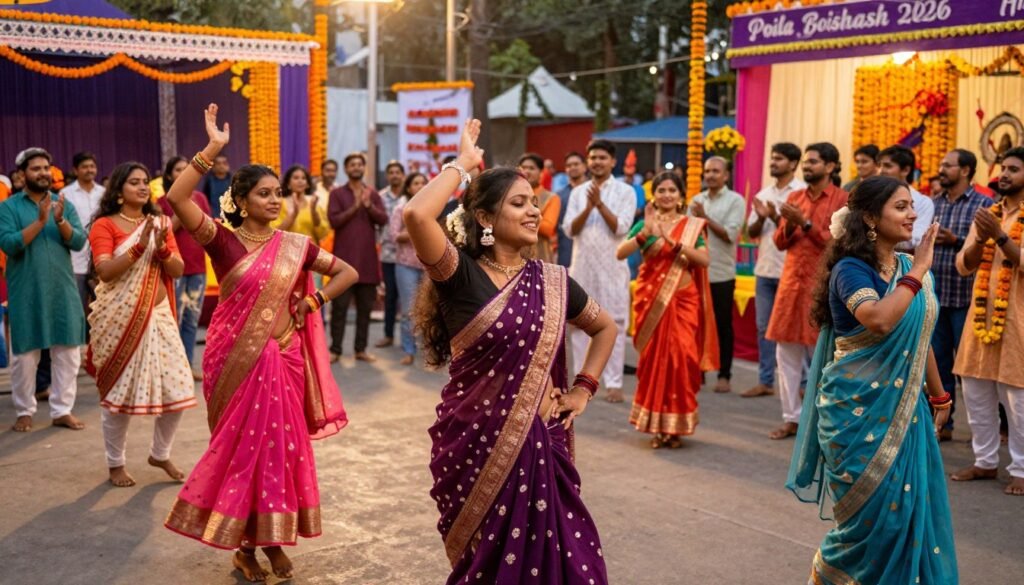
Traditional music and Rabindra Sangeet programs
Rabindra Sangeet is key to Noboborsho. Tagore’s songs set the mood: morning devotionals, afternoon reflections, and evening celebrations. Places like Rabindra Sadan and Nazrul Mancha host solo acts and group performances.
Expect music from dawn till late at night. Free concerts in community spots and college halls add to the mix. This makes Rabindra Sangeet Poila Boishakh 2026 a big deal in Kolkata.
Dance performances: folk and classical showcases
Dance shows mix classical styles with folk. You’ll see Bengali folk, Santhali rhythms, and Baul-inspired moves. Choreography schools team up with cultural groups for special performances.
These dance shows are at cultural centers and outdoor stages. There are shows for families and evening events for everyone. Music and dance together make Bengali New Year performances unforgettable.
Where to find headline performers and schedules
Check local listings and event sites for updates. BookMyShow and Times of India have daily schedules. Follow Kolkata Cultural Trust on social media for last-minute news.
For the best experience, plan ahead. Look for official notices and confirm details. Arrive early for popular shows. This way, you won’t miss out on Rabindra Sangeet Poila Boishakh 2026 and other events in Kolkata.
Traditional Foods and Festive Menus
We celebrate Poila Boishakh with food that tells a story. We enjoy simple breakfasts, rich fish curries, and sweets with neighbors. Our focus is on what to eat, where to find it, and how to cook it at home.
Typical dishes and sweets
Luchi with spiced potato is a New Year favorite. Ilish preparations symbolize abundance. Chingri malaikari adds richness with coconut milk.
Sandesh and rasgulla are key sweets for goodwill. Each dish has a special meaning: fried breads for joy, fish for fortune, sweets for a sweet year.
Top restaurants and pop-up food stalls to try
Bengali New Year cuisine shines at Bhojohori Manna, 6 Ballygunge Place, and Oh! Calcutta. These places offer special Noboborsho dishes with fresh fish and dairy.
Street food in Kolkata adds to the experience. Gariahat and New Market vendors have special counters. Be sure to check hygiene and avoid long queues.
Home-cooked menu ideas and recipes
For those who cook at home, we have menu plans. Start with luchi-aloo and til-pitha for breakfast. Then, make a midday spread with chingri malaikari and mustard ilish.
End with sandesh and chilled rasgulla. We provide ingredient lists and step-by-step timings. Use paneer or jackfruit for vegetarian options, reduce oil for a lighter version, and make ahead to ease the day.
Markets and Shopping for Noboborsho
We plan our Noboborsho shopping trips with purpose. We look for fresh outfits, thoughtful gifts, and a taste of Kolkata’s craft heritage. Streets and showrooms come alive for Poila Boishakh new clothes. Timing and choice shape the experience.
Where to buy new clothes and traditional attire
For sarees, Gariahat offers a wide range. You can find Benarasi weaves, Tant cottons, and Bengal handloom pieces. These are perfect for morning puja or evening gatherings.
New Market is the go-to for fabric bargains and tailor services. It handles last-minute fittings well. Ballygunge and South City House Boutique lanes stock designer kurtas, contemporary saris, and fusion blouses.
Popular market characteristics and practical tips
New Market has century-old lanes and tight alleys. Expect crowds and lively haggling. Gariahat mixes open stalls and glass-front showrooms with accessible parking near Ballygunge.
College Street edges offer artisanal kiosks and printed textiles. Nearby malls carry branded fashion for air-conditioned shopping. Arrive early to avoid peak rush and to sample the best Poila Boishakh new clothes before styles sell out.
Gift ideas and artisanal goods for the New Year
Consider terracotta handicrafts and brass puja items for lasting Bengali New Year gifts. Handloom scarves and curated gift boxes from Bengal-based artisans present elegant, locally rooted options. Alpana kits and small framed folk prints travel well and reflect traditional motifs.
Price ranges and packaging advice
Expect sarees from affordable cottons under modest budgets to premium Benarasi and handloom options at higher price points. Terracotta pieces and brass puja items fit mid-range budgets; curated gift boxes vary by contents and provenance. Ask vendors for simple protective packaging and consider fabric wraps or recycled boxes to keep items safe during transit.
Religious and Temple Observances
Let’s explore the rituals that shape Noboborsho in Kolkata. From dawn to afternoon, major shrines buzz with devotion. Here are some tips on timing, procession etiquette, and household rites for a meaningful experience.
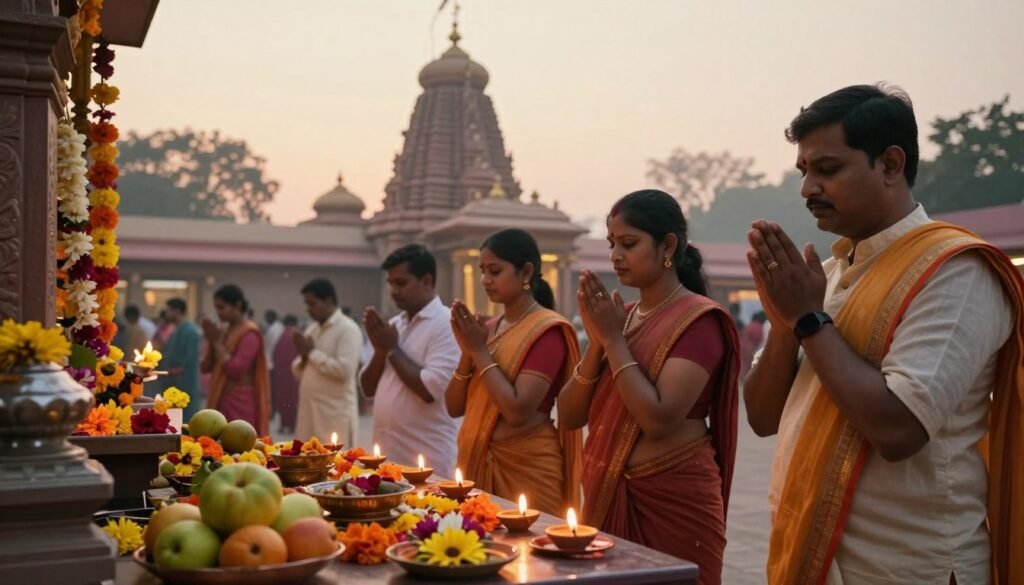
Kalighat Kali Temple and Dakshineswar Kali Temple start with early morning arati. They offer extended darshan. Belur Math celebrates with communal prayer and readings.
ISKCON events in Mayapur and local centers feature bhajans and feasts. Each temple posts its schedule on notice boards and official pages.
How families observe Noboborsho at home
At home, families mix devotion with renewal. They open the financial ledger and give nobo vastra to elders. They seek blessings before starting the day.
Simple rituals include giving to charity and placing dishes before the altar. Families also invite neighbors to share prasad. This leads to inclusive greetings and shared sweets in the neighborhood.
Timings for pujas and public ceremonies
Pujas start early and go through mid-morning. Evening cultural ceremonies happen in big venues. For exact times, check temple timetables in local papers and on websites.
Expect long lines at busy times. Temples have rules and marshals to keep things orderly.
Family Traditions and Home Celebrations
We keep Poila Boishakh close to home. Rituals, stories, music, and food bind generations. Our mornings start with a gentle puja, new clothes, and warm Noboborsho traditions.
Children take small roles in recitals. Elders lead the greetings that carry family memory forward.
Rituals observed in Bengali households
We start with a family puja at dawn. We light a lamp, offer flowers and sweets, and say nobo-borsho greetings. We share a plate of sandesh or roshogolla.
Business families perform the first-transaction ritual. This is a symbolic ledger opening or account update to invite prosperity. Modern practice blends tradition with tech: digital blessings and video calls help relatives join in from afar.
Intergenerational customs and storytelling
We use the day to pass on Bengali New Year family customs through stories. Elders recite Rabindranath Tagore poems and recall seasonal farming cycles and city histories. These stories explain why the festival matters.
Crafts travel down the line too. We teach weaving, recipe tips, and tune patterns by doing. Educators and parents can frame these narratives as living lessons in culture and craft.
Organizing a family Poila Boishakh gathering
We plan gatherings with a simple checklist. We confirm guests, draft a menu, set cooking timelines, and arrange seating with easy access for elders. We add a sound setup for recitations and a corner for children’s activities.
We suggest hybrid options: schedule a video-conference slot for distant relatives. Keep accessibility in mind: ramps or sturdy chairs, clear pathways, and low-step serving areas. For menus, pair familiar Noboborsho home traditions with one or two experimental dishes.
We find that small, thoughtful touches make a big difference. Assigned recitation roles, a family photo moment, or a quick craft workshop turn routine observance into lasting memories. These practices preserve continuity while letting households adapt Bengali New Year family customs to modern life.
Street Art, Decorations, and Rangoli
We celebrate Poila Boishakh with color and craft. Public murals, doorstep alpana, and installations change Kolkata each New Year. Streets become galleries where old and new meet.
Traditional motifs and contemporary designs
Artists and families use classic symbols like the lotus and conch. These symbols mean prosperity and purity. They use rice paste for lines, turmeric and vermilion for color, and stencils for details.
Street artists add a modern twist with spray paint and posters. They create large murals and geometric alpana designs. These works are seen from afar, even from a tram.
Where to see the best street decorations
North Kolkata lanes show off doorway alpana and courtyard displays in the morning. Park Street and Maidan have big installations at night. College Street has murals about books and literature.
For the best photos, take them in the morning or after sunset. Near New Market and Gariahat, you can see art and markets together. It’s a great way to see Kolkata’s street art.
DIY rangoli and home decoration tips
Start with a clean, dry surface and a grid for symmetry. Use rice flour paste for white lines. Mix natural colors like turmeric and beetroot for a safe choice.
For patterns, use cardboard stencils. Press, fill, and lift for a clean design. Add a thin layer of rice glue outside to protect from wind. Buy materials at New Market or Gariahat for quality and advice.
Events for Children and Youth
We have a full calendar of fun activities for kids and teens during Poila Boishakh. These events mix learning with fun. They are perfect for all ages, from toddlers to college students.
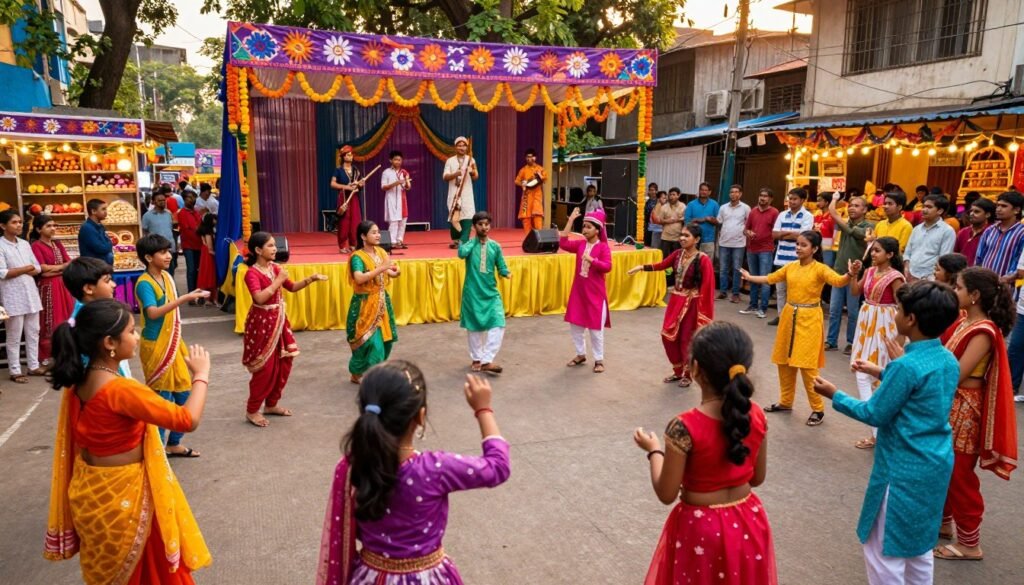
Kolkata’s cultural centers and schools offer special workshops for Bengali New Year. Kids can learn coding and make interactive music samplers. There are also art camps and rangoli competitions for different age groups.
Most events need simple registration. You can sign up through local clubs or school coordinators. Many events are free or low-cost for locals.
Family-friendly shows and performances
There are puppet shows, children’s theatre, and magic acts with Bengali themes. These shows are in the morning and early evening. Storytelling sessions about Tagore and folk tales are also available.
Parents should watch over kids at outdoor events and early-evening shows. Venues post details and age guidelines early. Check community hall notice boards for updates.
Educational activities about Bengali heritage
There are special sessions on Tagore poetry and Bengal’s history. Heritage walks are designed for youth. They explore College Street, Kumartuli, and the Mall.
Engineering and media students can work on documenting arts. They learn about photogrammetry, oral history, and digital archiving. These projects are guided by experts from the Indian Institute of Engineering Science and Technology and local archives.
Tourist Guide: Visiting Kolkata for Poila Boishakh
We give tips for visiting Kolkata during Poila Boishakh. This helps planners, educators, and engineers make smooth travel plans. The city is full of color and music. With careful planning, you can enjoy the processions, food, and heritage without stress.
Travel tips for domestic and international visitors
International visitors should check visa rules early. Carry printed copies of travel documents. Arrive a day or two before main events to avoid congestion at Netaji Subhas Chandra Bose International Airport.
Pack small-denomination cash. Most vendors accept UPI or card payments, but stalls may prefer cash. Dress modestly for temple visits. A light kurta or saree is good for comfort and respect.
Plan for peak-season demand. Book trains and flights early. Allow extra time for security checks. Keep digital copies of reservations. Follow local advisories on crowd routes. Be prepared to switch neighborhoods if an area is closed for processions.
Top neighborhoods to experience authentic celebrations
North Kolkata offers heritage homes and narrow lanes. It shows century-old traditions and festive door-to-door greetings.
Rashbehari and Ballygunge showcase residential festivities. Family pujas, community bhog, and lively street stalls are here. These areas are ideal for quieter, neighborhood-level experiences away from main crowds.
Park Street comes alive after dusk. Dining events, live music, and curated performances are at restaurants like Peter Cat and Mocambo. For river views and larger processions, head to the Howrah riverside to watch boats and waterfront rituals.
Accommodation and transport advice during the festival
Choose a cluster of hotels near central hubs for easy access. Areas with Metro connectivity make last-mile movement simpler. Book rooms weeks in advance. Surge pricing appears close to the date and options shrink fast.
Rail connectivity is strong via Howrah and Sealdah stations. Plan arrivals and departures around off-peak hours. Use the Kolkata Metro for predictable travel times on main corridors. For the last mile, rely on app taxis, auto-rickshaws, or cycle rickshaws depending on lane width and crowd density.
Carry a contingency plan. Offline maps, a local SIM or roaming data, and a list of emergency contacts are helpful. Keep arrival windows flexible to navigate sudden road closures or procession detours.
Media Coverage and Live Broadcasts
We explain how Kolkata’s media will share Poila Boishakh 2026 with everyone. They will mix cultural stories, city news, and personal tales. This will keep everyone updated in real time.
How local media will cover Poila Boishakh 2026
The Telegraph, The Times of India (Kolkata edition), and Anandabazar Patrika will have special sections. They will dive into traditions and local history. Local TV channels like Zee Bangla and ABP Ananda will show live from big events.
Editors will look at cultural traditions, city plans, and personal stories. Reporters will cover crowd movements and city advice. They will also share stories of performers.
Print media will have in-depth essays and photos. TV will focus on live visuals and interviews.
Live streams and social media highlights to follow
The city’s websites and YouTube channels will stream live events. For quick news, follow official feeds and trusted sources.
live broadcasts Bengali New Year events will be everywhere. Influencers will post short videos on Instagram and X. Look for hashtags for the latest posts.
Press events and official photo opportunities
Cultural groups and city officials will hold press briefings. They will also have photo zones near big events. This is for safety and control.
To get press access, you need ID and press cards. Apply early through city channels. Use official briefings for accurate info and photos.
Public Services and Transport Notices
We give you the latest updates for Poila Boishakh. This helps you plan your travel and stay safe. There will be changes in transit and public services.
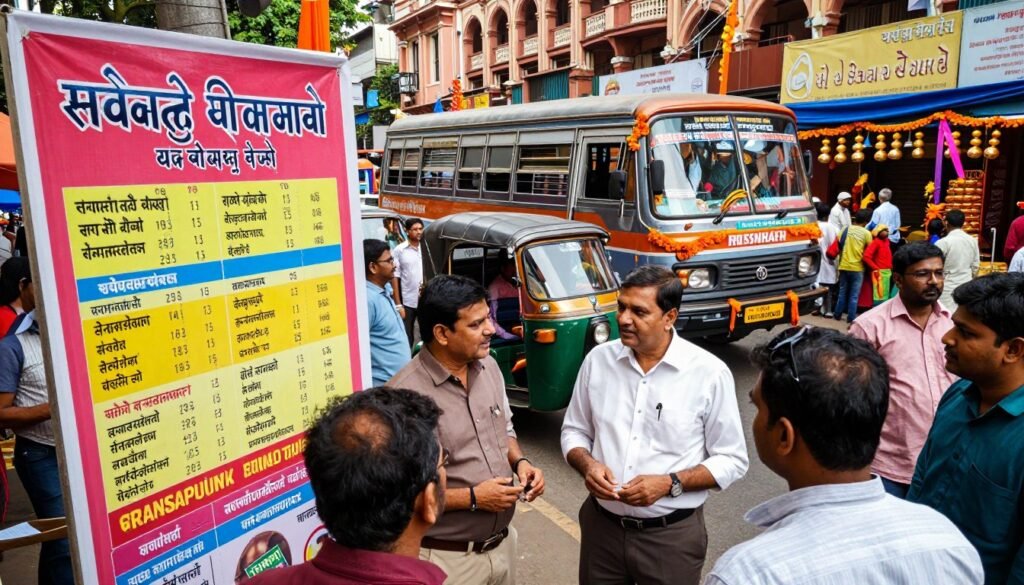
Metro, buses, and road closures to expect
Kolkata Metro Railway shares updates before Poila Boishakh. Look for longer hours, changed train times, and closed metro lines near processions.
West Bengal Transport might change bus routes or stop them. Roads will be closed for big processions. Parking will be limited near Lalbazar and the Hooghly riverside.
Check Kolkata Metro Railway and West Bengal Transport websites on the festival day. They will have the latest on platform changes and route maps.
Mobile services, emergency contacts, and public health advisories
Mobile networks might be slow during Noboborsho. Carry offline maps and save important numbers. This includes Kolkata Police and hospitals.
Get a local SIM if you’re staying for a few days. Civic hotlines and emergency lines are good for when networks are slow.
Tips for navigating busy areas on the festival day
Stay hydrated and find shade. Kolkata’s heat can be tough. Bring water, electrolyte drinks, and a light hat.
Arrive early but not too early. Use less busy entry points. Many places offer accessibility services. Ask for ramps and quiet areas.
Watch for last-minute updates on transport and services. This will help you stay safe and informed during the celebrations.
How Businesses and Markets Prepare for Noboborsho
The city changes weeks before Poila Boishakh. Shops put up new displays, restaurants make special menus, and city teams plan for more vendors. These steps affect how people move and what they expect in shopping and dining areas.
Retail promotions and special market hours
Stores and markets get festive with discounts and displays. They open longer to match holiday hours. Merchant groups plan for more staff and logistics. Online sales highlight local crafts and weavings.
Restaurant and hospitality industry preparations
Hotels like ITC Sonar and Taj Bengal offer special menus. Restaurants get more bookings. Hotels and homestays hire more staff. Food safety checks increase, and delivery services prepare for the day.
Impact on commerce and local economy
The immediate effect of Poila Boishakh is clear: sales in retail, handicrafts, and hospitality go up. Street vendors and food sellers get more work. Supply chains get busy, leading to early orders and better planning.
The Bengali New Year’s impact goes beyond sales. It creates jobs, licenses vendors, and boosts promotions. Good planning by businesses and the city turns festive energy into real business gains. It keeps service quality high.
Bengali New Year 2026
We follow the Bengali Panjika and astronomy to predict Bengali New Year 2026. We aim to guide on Poila Boishakh timing and the best times for puja and business. This helps planners, teachers, and cultural leaders plan events.
Official calendar and timing for the New Year
The Bengali Panjika sets the New Year with the sun’s move into Aries. For 2026, calendars mark Sankranti as the start of Poila Boishakh. People usually do puja in the early morning and business openings in the mid-morning.
National and regional significance across India
Noboborsho is important not just in West Bengal and Bangladesh. It’s celebrated in Assam, Tripura, and cities like Delhi and Mumbai. People come together for cultural events and feasts.
Comparisons with other New Year traditions
New Year celebrations vary worldwide. The Gregorian New Year is about midnight parties. Vaisakhi in Punjab focuses on harvests and religious walks. Gudi Padwa in Maharashtra blends astrology with local traditions.
Pohela Boishakh in Bengal is unique. It mixes literature, farming, and street fairs. This shows how different calendars influence our lives and culture.
Conclusion
We end this Poila Boishakh 2026 recap with what made it special. The day was filled with colorful street processions, exciting stage shows, and delicious traditional food in Kolkata. The Bengali New Year wrap-up shares tips for enjoying the festival.
It’s important to plan your route, check event times, and stay safe. This helps everyone have a great time. The Noboborsho Kolkata summary also talks about how local markets did well and families shared stories and traditions.
Looking to the future, the Bengali New Year 2026 brings chances for everyone. Engineers can work on crowd management and transport planning. Archivists and teachers can create digital projects to keep art alive.
Cultural organizers can try new ways to make events more sustainable. These steps will make future celebrations safer and more fun. They won’t lose the traditional spirit.
We encourage everyone to join in and explore with curiosity. Let’s record performances, support local artists, and work on projects that mix old traditions with new tech. Together, we can keep Noboborsho Kolkata vibrant and full of learning and creativity.