



India’s finance minister, Nirmala Sitharaman, recently made a key statement. She said the recent jump in crude oil prices won’t hurt India’s inflation much. She told markets and families that they can handle this risk with the right policies and safety nets.
The timing of her statement is important. Prices for Brent and WTI oil have changed due to tensions in West Asia and OPEC+ decisions. These changes are what policymakers are looking at closely now.
Why what policymakers think matters: Their views shape market prices and guide fiscal and monetary actions. India’s taxes, subsidies, and reserves can help keep prices stable for consumers.
In the next sections, we’ll dive into how prices affect India, short- and medium-term policy actions, and the impact on people and businesses. Our goal is to explain this in a way that’s easy to understand for everyone.
Recent surge in global crude oil price surge and triggers
The recent rise in crude oil prices is due to several supply and demand shocks. Brent oil prices went up by 8–12%, and WTI by 6–10% in a short time. These changes were caused by specific news headlines.
Three main factors pushed prices up. First, better demand outlooks were seen. This included more activity in manufacturing and strong refinery work in the U.S. Also, inventory draws suggested tighter balances, boosting prices.
Key drivers behind the recent price spike
Inventory trends, economic growth, and technical positions are key drivers. Lower U.S. commercial stocks and floating storage tightened supply. Stronger PMI readings also supported oil use in industry and transport.
Impact of West Asia conflict on crude markets
Escalations in West Asia added risk to prices. Incidents affecting shipping and attacks near key points raised costs. This increased volatility as traders worried about deeper disruptions to exports.
Role of OPEC+ decisions and global supply constraints
OPEC+ decisions were key: they managed output, made voluntary cuts, and delayed new projects. These actions reduced spare capacity. Maintenance outages in several basins also tightened supply, supporting higher prices.
The effects are clear: tighter supply or stronger demand means higher prices. Volatility grows when spare capacity is low and market sentiment is shaky. For India, this means uncertain import-price pressures and impacts on domestic pump and fiscal balances.
What the finance minister said about inflation and oil
Nirmala Sitharaman recently spoke about inflation and oil prices. She said global crude prices won’t greatly increase India’s inflation soon. She mentioned domestic price buffers and past experience with oil price changes.
The minister talked about how the government handles fuel prices. She said they use buffer stocks, taxes, and subsidies to keep prices low. This shows the government’s plan to control oil price impact.
Her words were a mix of reassurance and a warning to markets. She wants to calm people but also shows she’s ready to act if needed. This approach aims to balance expectations and keep options open.
Her comments are important but not the only view. The Reserve Bank of India also has its say on the economy. The minister’s words can influence short-term feelings and prices, but the RBI makes big policy decisions.
In summary, the government is taking a careful approach to fuel prices. They aim to handle short-term shocks and keep monetary policy options open. We’ll keep an eye on future data and RBI updates to see if more action is needed.
India Oil Price Impact
We look at how a rise in crude oil prices affects the Indian economy and inflation. The journey from global markets to Indian consumers involves several steps. These include refinery economics, logistics costs, policy choices, and corporate hedging.
Short-term transmission channels to consumer prices
When crude oil prices go up, refiners like Indian Oil Corporation and Reliance Industries face higher costs. These costs include refining margins, international freight, insurance, and rupee exchange rates. These factors set the base for domestic pump prices.
Higher fuel costs also affect logistics. This includes trucking, coastal shipping, and rail freight. These increased costs then impact finished goods and services through distribution chains.
Medium-term adjustments through fiscal and monetary policy
Fiscal policy can either soften or harden the impact of fuel price changes. The central government might adjust excise duties or offer subsidies to control inflation. State-level sales taxes add complexity, as changes in one state can affect local prices without altering national costs.
The Reserve Bank of India watches CPI and core inflation when setting interest rates. A sustained rise in crude oil prices can push inflation expectations up. This might lead to tighter monetary policy, raising borrowing costs.
Long-term fiscal choices, like tax changes or budget reallocations, play a big role. They decide how much of an imported shock is absorbed by the state versus passed to households. These choices interact with monetary policy to shape overall inflationary pressure.
How import dependence shapes the impact
India imports over 80% of its crude oil. This links domestic prices closely to global markets and supplier mix. Middle East barrels, Russian, and African supplies influence costs and delivery risks.
State-owned and private refiners use hedging and long-term contracts to reduce volatility. These strategies help smooth fuel price changes but can delay recognition of higher costs in corporate accounts. Over time, hedges roll off or are repriced, revealing the global price move in domestic pricing.
We consider these factors to understand the near-term headline inflation rise. Policy buffers and corporate hedging might limit this rise. Yet, risks remain if the crude shock persists or supply disruptions increase.
How fuel subsidies and domestic pricing buffer consumers
We look at how India protects its people from price shocks. The cost of fuel at the pump includes several parts. These are the international crude price, refinery and distribution costs, central excise duties, and state VAT. By adjusting these, India can control the price of fuel and its impact on costs.
Structure of retail fuel pricing
The international crude price is the starting point. Then, refining and marketing margins add to the cost. Central excise duties are set by the government and can change to affect prices nationwide. State VAT varies, leading to different prices in different areas.
Tax levers and policy response
State and central taxes work together. When the center changes excise duties, it affects all states. States can lower VAT to help their people. This teamwork helps create a strong domestic pricing buffer.
Targeted subsidies and transfers
Subsidies are given for certain items like kerosene and LPG. Programs like Pradhan Mantri Ujjwala Yojana help low-income families. These subsidies protect them from sudden price increases.
Historical policy moves
India has adjusted subsidies before to keep prices stable. During the 2014–2016 oil price drop, it made fiscal changes and offered support. Recently, it used VAT cuts and excise adjustments to limit the impact of price hikes.
Trade-offs and fiscal constraints
Subsidies and duty cuts help but cost money. Big or long subsidies can hurt the budget. Targeted help is key to keeping relief while managing the budget.
Operational lessons
India uses a mix of strategies to protect its people. Quick changes in central excise duties, selective VAT cuts, and targeted subsidies work well. Past experiences guide policymakers to handle price shocks without harming the budget.
Monetary policy response to imported inflation risks
The Reserve Bank of India has two main goals: keeping prices stable and promoting growth. Imported inflation risks fall under its task of controlling inflation. When global crude prices rise, it affects the RBI’s decisions on when and how much to act.
Monetary policy in India uses four key tools: the policy rate, liquidity operations, forward guidance, and macroprudential measures. The policy rate changes borrowing costs. Liquidity operations help with short-term money market issues. Clear communication shapes expectations. Macroprudential steps prevent financial problems from commodity price shocks.
There are trade-offs to consider. If oil shocks push core inflation up, the RBI might raise rates to stop a wage-price spiral. If the shock is short-lived, the RBI might allow a small inflation overshoot to avoid harming growth. We balance growth risks against the need to keep inflation in check.
The RBI looks at a few key indicators: core inflation, the CPI fuel component, inflation expectations surveys, and wage growth. Changes in these areas guide the RBI’s policy adjustments. If fuel prices rise or expectations jump, the central bank will send stronger signals.
Looking back, the RBI has adjusted its stance during global oil price hikes. It used clear communication to limit second-round effects. This pattern suggests the RBI will likely use targeted liquidity management and guidance before raising rates if inflation risks stay high.
This approach will help policymakers deal with India’s inflation impact from oil shocks. By closely watching indicators, sending clear messages, and choosing the right tools, they can reduce volatility without hurting the recovery.
Fiscal measures to mitigate India inflation impact
We look at how targeted fiscal actions can lessen India’s inflation impact without harming its finances. Policymakers aim to offer quick relief while keeping an eye on the future. They use specific programs to help households and steady the supply of goods.
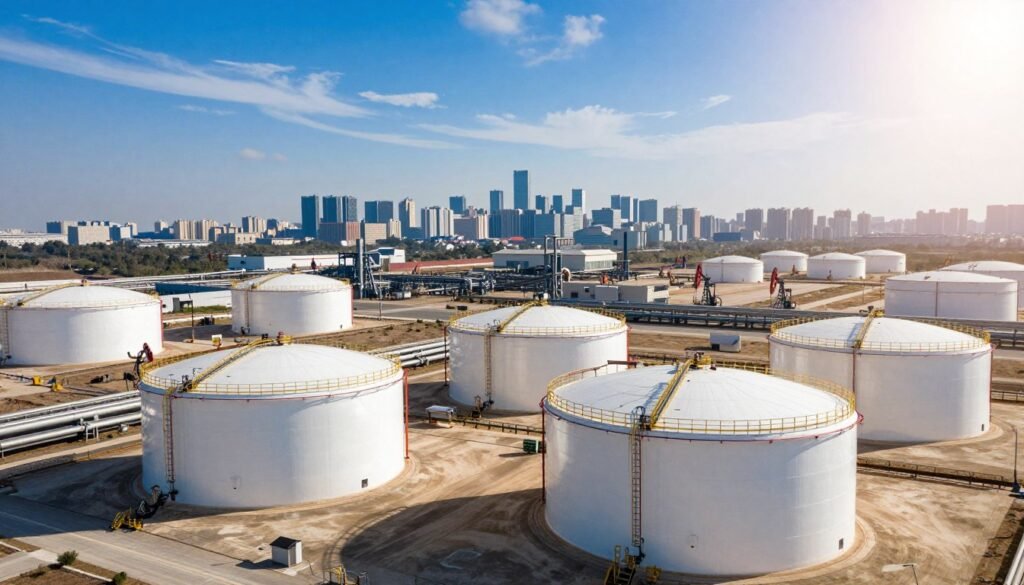
Targeted relief can take many forms to help those most affected by rising energy costs. Direct cash transfers help low-income families fast. Expanding public distribution and increasing LPG subsidies also ease daily expenses for many.
Subsidized public transport passes in cities help too. These efforts keep consumer spending up and reduce the ripple effects of higher fuel prices.
Direct transfers and program design
How programs are designed is key. Things like conditionality, timing, and delivery channels matter a lot. Targeted relief aims to reach those who need it most, keeping the focus on helping.
Strategic petroleum reserves and buffer strategies
India’s strategic petroleum reserves are a strategic tool to soften supply shocks. By drawing from these reserves, India can increase domestic supply and prevent sudden price jumps.
But, these reserves have their limits. They can’t replace steady imports. Releases from the SPR give time for adjustments but aren’t a long-term solution to oil price issues.
Operational buffer measures
State refiners and Oil Marketing Companies use various strategies to manage supply. They adjust imports, refine more, and schedule shipments to smooth out price swings.
These strategies work alongside SPR releases. Together, they help reduce the impact of global price changes on domestic inflation.
Budgetary trade-offs and prioritization
Fiscal measures come with costs. Expanding subsidies or cutting taxes lowers revenue, potentially widening deficits. This can be offset by higher taxes or cuts in capital spending.
Decisions must balance immediate relief with long-term growth goals. While short-term support is often needed, relying too much on subsidies can hurt investment in infrastructure and people.
We expect a balanced approach. This includes modest, targeted relief for vulnerable households, limited SPR use for supply smoothing, and clear signals of fiscal prudence to come. This mix aims to manage oil price impacts while protecting public finances and the economy.
Energy diversification and long-term resilience of the Indian economy
Energy transition helps India avoid oil price shocks and boosts its long-term strength. The National Solar Mission and goals for wind and solar power are key. They protect against price swings in crude oil.
Renewable energy investments reduce India’s reliance on imported oil. This makes energy use less dependent on oil prices. It also limits how price changes affect the economy.
Using electric vehicles and public transit lowers oil use in transport. Biofuels and blended fuels offer alternatives for heavy transport and farming. This helps keep prices stable for consumers and businesses.
Improving energy efficiency in industries like steel and cement cuts fuel needs. Smart grids and advanced storage systems make power costs steady. These technologies help keep inflation and business costs in check.
Financing for the transition is growing: government incentives, green bonds, and climate funds are helping. Companies like Tata Power and Reliance Industries are also investing in clean energy. This mix speeds up the transition and boosts resilience across sectors.
In the medium term, India’s oil price impact story gets simpler. With a diversified energy mix and lower oil use, policymakers can handle price shocks better. This leads to more economic stability and long-term resilience as the energy shift continues.
Effects on key sectors: transport, agriculture, and manufacturing
We look at how higher global crude prices affect the economy. We focus on what businesses and families face when energy and shipping costs go up. This affects the India Oil Price Impact and the India inflation impact across supply chains.
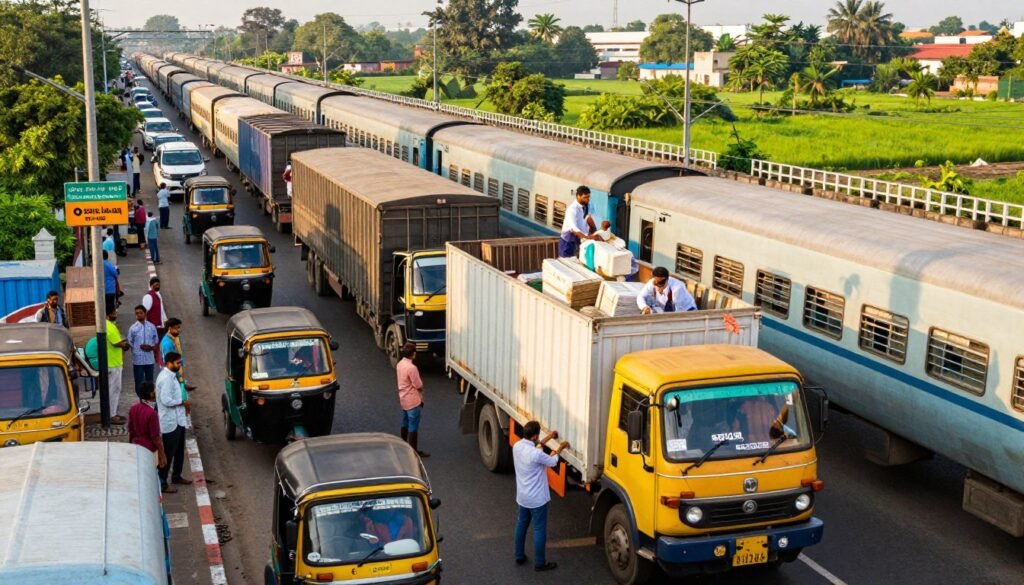
Transport costs and pass-through to consumers
When diesel and petrol prices go up, so do logistics and shipping costs. Airlines, trucking companies like Blue Dart, and shipping lines face higher bills. A 10% fuel price increase can lead to 5–15% higher freight costs, depending on the vehicle and route.
Some carriers use fuel surcharges to help absorb these costs. But informal operators often raise prices faster. This can lead to higher retail prices for goods like food, FMCG, and construction materials.
Retail prices tend to increase within weeks. This change affects the India inflation impact measured in headline CPI.
Fertilizer and agriculture input price implications
Fertilizer prices are closely tied to energy costs. Urea production uses natural gas, and DAP and NPK blends require a lot of power. When gas and power costs go up, so do fertilizer prices.
Diesel-powered irrigation adds another layer of cost for small farms. This can lead to higher operating costs and lower margins. It can also push up prices for cereals, oilseeds, and vegetables, affecting food inflation.
Subsidies for fertilizer, diesel rebates, or direct transfers can help farmers. These measures can protect their incomes and limit price increases for consumers.
Manufacturing margins and export competitiveness
Manufacturers see energy and transport as key costs in their bills of materials. In industries like textiles, metals, and chemicals, rising costs can squeeze margins unless prices are raised.
Exporters face a tough choice: raising prices can hurt demand, while keeping prices low can reduce margins. Energy-intensive sectors in Gujarat and Maharashtra might look for ways to cut costs or pass them on to customers. IT services, with lower fuel costs, are less affected.
Petrochemical firms have mixed results: higher feedstock costs but strong demand can support margins. Policymakers might adjust export incentives or freight support to keep competitiveness.
There’s a lot of variation among firms and regions. Policy measures like subsidies for farmers, freight tariff rules, and export adjustments can help. These can soften the immediate impact on households and producers. Diversifying energy sources can also reduce long-term risks.
Global context: West Asia conflict oil supply risks and markets
We look at the current market tension by focusing on key flashpoints in West Asia. These areas include Iran, Iraq, and the Red Sea, where attacks have increased. This has raised the risk premium on crude oil and increased shipping costs.
When tensions rise, shipping lanes and insurance markets react fast. War-risk zones lead to higher premiums. This makes tankers take longer routes, burning more fuel. It also limits available cargoes, pushing up crude oil prices.
Geopolitical flashpoints
Tension hotspots grab the market’s attention quickly. Attacks in the Red Sea or near the Strait of Hormuz create uncertainty. This uncertainty is priced into oil, leading to short-term price swings in Brent and WTI.
How demand patterns change price dynamics
Global demand trends affect how severe a supply shock is. Strong demand in China and steady demand in the US tighten balances when supply is disrupted. Slow growth in OECD economies can soften a crude oil price surge, while synchronized growth can lead to sharp price increases.
Lessons from past geopolitical shocks
History teaches us about the impact of geopolitical shocks. The 1970s embargoes led to long-lasting energy policy changes. The 1990 Gulf War caused immediate price spikes. The 2008 crisis combined demand collapse with earlier tightness, causing extreme volatility.
The 2019–2020 disruptions showed how inventory buffers and alternative routes can limit price rises. For India, global flashpoints affect more than just oil prices. Higher insurance costs, longer transit times, and limited spot supplies impact import bills and refining margins. This is why strategic reserves and diversified sourcing are key to national planning.
Market expectations and crude oil price surge forecasting

We use various tools for crude oil price forecasting. These include the futures curve, options-implied volatility, and weekly inventory reports. We also look at macro demand models from the International Energy Agency and OPEC.
Each tool gives us a different view. The futures curve shows where traders bet. Implied volatility signals how much traders fear or are complacent. Inventories tell us about physical tightness.
Market expectations change with the futures curve. Backwardation means tight supply and higher prices. Contango means plenty of supply and lower prices. Spikes in implied volatility make traders more cautious.
Scenario analysis helps us and policymakers prepare for price surges. A short-lived outage causes prices to jump then fall. Prolonged cuts and slow project ramp-up keep prices high. A global slowdown lowers prices but causes volatility.
We always stress uncertainty in our forecasts. Small changes can lead to big moves. So, we use sensitivity analysis to show possible outcomes.
This helps central banks and the Ministry of Finance plan. They can prepare for different scenarios and know when to intervene.
In India, market expectations affect import costs and hedging strategies. Refiners like Reliance Industries and Indian Oil Corporation watch the futures curve and options markets. The government uses scenario planning to manage India Oil Price Impact.
Risk premia, liquidity, and geopolitical news are unpredictable. We suggest keeping an eye on implied volatility and inventory trends. Also, keep hedging programs flexible to reflect changing market expectations and futures curve shapes.
What analysts say about India’s inflation trajectory
We look at forecasts from the Reserve Bank of India, the International Monetary Fund, and others. They help us understand inflation in the near future. Most forecasts show a slight increase in prices after oil prices went up. But, many think policy actions and budget steps will help keep prices stable.
Consensus forecasts from the RBI, IMF, and State Bank of India show a small increase in prices. Brokerage houses and big banks have also raised their short-term price forecasts. The World Bank is cautious due to global oil price changes.
Divergent views and upside risks come from some analysts. They worry about higher prices if oil stays high or if the rupee falls. Some economists at Morgan Stanley and Goldman Sachs think tighter oil supply could push prices up. Others believe subsidies and excise duty changes will help.
Key risks that could change the outlook include more conflict in West Asia, tighter oil supply, a weaker rupee, and weather affecting food. Any of these could lead to higher inflation. We advise planning for these risks.
Indicators to watch are key for quick action. First, look at monthly CPI and core inflation to see price trends. Second, check international oil prices to see external pressure. Third, watch diesel and petrol prices to see the impact on fuel costs.
Fourth, keep an eye on the rupee to see how imports are affected. Fifth, look at inventory data and RBI surveys for more insights. Engineers, students, and policymakers can use these to make better plans.
Implications for consumers in the United States and global investors
The recent rise in crude oil prices has a ripple effect worldwide. It affects U.S. households in noticeable ways. Higher oil prices lead to higher gas prices, more expensive imports, and a slight increase in the cost of living.
But, how much this affects you depends on other factors. Things like taxes on gas, how much refineries make, and how much people buy gas during certain times of the year play a big role.
Retail gas prices are the most direct impact. When crude prices go up, refineries pay more for their raw materials. This can lead to higher prices at the pump. Diesel and bunker fuel costs also go up, making shipping and trucking more expensive.
This increase in costs affects the prices of many goods we import. How much this affects your wallet depends on your income, local taxes, and how quickly these changes are passed on to consumers.
Investor strategies in energy and emerging markets
When oil prices rise, investors often turn to energy stocks and commodities. They buy crude futures, energy ETFs, or bonds to get in on the action. Some use options or swaps to manage risks and protect their investments.
Others diversify into utilities and renewable energy to balance out the risks of investing in fossil fuels.
Cross-border trade and capital flow considerations
Changes in commodity prices influence where investors put their money. Rising oil prices often lead to more investment in oil-producing countries and energy projects. Countries that rely on imports may see their trade deficits widen, leading to currency pressure and higher borrowing costs.
Investors looking at India’s oil price impact should examine the country’s finances and corporate health. India’s fiscal strength and subsidies can help cushion the impact. Keep an eye on the country’s reserves, current account balances, and budget deficits to understand the market’s response to oil price changes.
For those in the engineering and technical fields, it’s important to stay informed. Monitor the financial health of the energy sector, debt schedules, and hedging strategies. Also, track sovereign credit metrics and currency volatility. Use hedging tools and scenario planning to prepare for possible changes in oil prices and their effects on trade and investment.
Conclusion
The recent rise in crude oil prices poses risks, but India’s situation looks cautiously optimistic. India has tools like fiscal levers and strategic petroleum reserves. These help keep inflation in check, thanks to a strong monetary policy.
The outcome depends on several factors. These include supply disruptions, OPEC+ decisions, currency moves, and global demand trends. If supply shocks or demand increases last, India might face tough choices.
It’s important to watch import prices, exchange rates, and fuel prices closely. The Reserve Bank of India should clearly communicate its plans. This helps keep the economy stable and avoids market shocks.
We encourage everyone to work on energy solutions. Improving efficiency, using renewables, and innovating in storage can help. With smart policies and new technologies, we can manage inflation and build a stronger energy future.