



The world is moving towards electric vehicles (EVs), and India is leading the way. Cities in India are facing big environmental challenges and pollution. They are looking for better ways to move people and goods.
Electric vehicles are becoming more popular because of this need. Cities are pushing for cleaner ways to travel. This is making electric vehicles more common.
India is making big changes to support electric cars. They are creating better roads and places to charge cars. This is helping more people use electric vehicles.
By working together, we can make cities cleaner and greener. This is thanks to new policies and better infrastructure. It shows how important electric vehicles are for our future.
The Rise of Electric Vehicles in India
The demand for electric vehicles in India is growing fast. This is due to quick urban growth and rising fuel prices. The government’s efforts to support electric cars are a big part of this change.
Big car companies are now focusing on electric vehicles. They are putting a lot of money into this area. This is making the competition and innovation in the EV sector even better.
Electric two-wheelers have seen a huge jump in popularity, with a 250% increase in 2022. As more people learn about electric cars’ benefits, and charging spots get better, the outlook for electric vehicles in India is bright. We’re heading towards a future where our cities are cleaner and better to live in.
Government Initiatives Supporting EV Adoption
The push for electric vehicles in India gets a big boost from government plans. The Faster Adoption and Manufacturing of Hybrid and Electric Vehicles (FAME) scheme is key. It gives money to buyers and helps makers produce more.
This makes electric cars cheaper, pushing people towards greener transport. It’s a big step towards cleaner roads.
India’s government also works on building a strong charging network. This is vital for electric cars to be practical everywhere. With more places to charge, worries about running out of power lessen.
This encourages more people to choose electric cars. The goal is to sell more electric vehicles and use less oil. It’s all about making sustainable transport the norm.
Electric Mobility India: Trends and Statistics
Exploring electric mobility in India, we find exciting trends and promising stats. The electric vehicle (EV) market is growing fast. This growth is thanks to more people wanting EVs and government support.
Current EV Market Overview
In 2022, almost 1.5 million electric vehicles hit the roads in India. This is a big step forward. Companies like Tata Motors and Mahindra are leading the way, along with international brands.
Their focus on electric cars shows a shared goal for a greener future.
Projected Growth by 2026
Experts predict a huge jump in electric vehicles in India by EV adoption 2026. They think there could be 6 to 7 million EVs on the roads. This growth rate is over 30% each year.
State governments are giving big incentives to encourage people to use EVs. This creates a strong ecosystem for electric cars, leading to a cleaner transport future.
Clean Mobility Initiatives in Major Indian Cities
Urban areas in India face big challenges like pollution and traffic jams. But, cities like Delhi and Bengaluru are leading the way. They’re pushing for electric vehicles through smart plans, aiming for a cleaner future.
Delhi’s EV Strategy
Delhi wants to make a big change by 2030. It plans to switch a lot of its public transport to electric. This includes giving big discounts to people who buy electric cars. The goal is to make the city’s transport better for the planet and more efficient.
Bengaluru’s Commitment to Sustainability
Bengaluru is working hard to be more green. It’s adding electric vehicle spots to its city plan. This move helps the city move towards electric cars, making it a greener place to live.
Charging Infrastructure Expansion Across Urban Areas
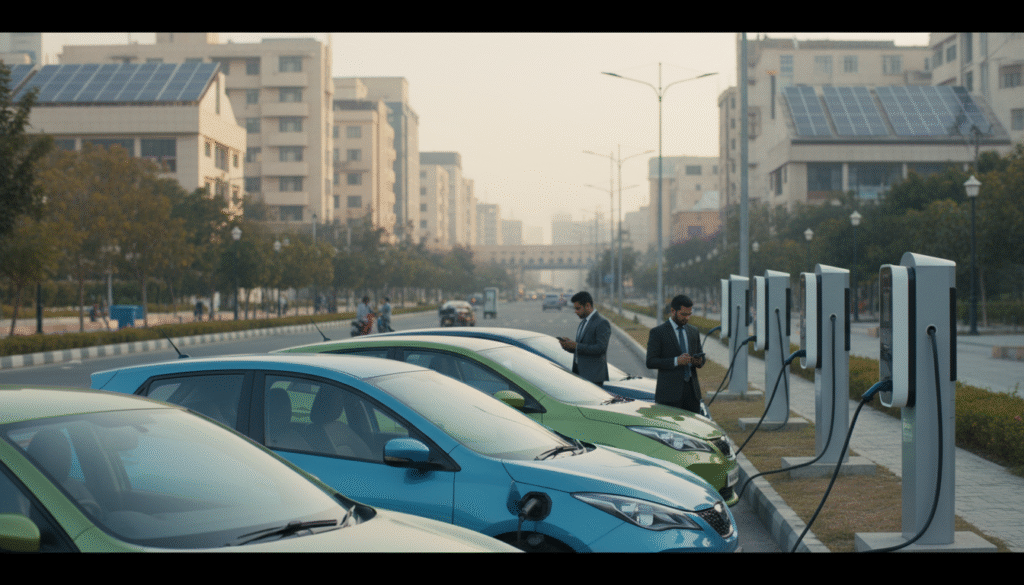
The growth of electric vehicle charging infrastructure in India is a big step towards green cities. A strong network of charging stations is key for electric vehicles to become common. Right now, there’s a big gap in charging infrastructure India, mainly between cities and countryside. Cities are working hard to support electric vehicles, with both public and private efforts to add more charging points.
Experts say we could see four times more charging stations in three years. This growth comes from state plans to boost urban EV support and create good charging networks. These plans aim to make charging easier and increase people’s trust in electric cars. By meeting urban needs with good charging options, we can help make our cities more sustainable.
Consumer Confidence and EV Technology Advancements
The world of electric vehicles is changing fast. This is thanks to big EV technology advancements that make cars better and cheaper. As batteries get smarter and more efficient, electric cars are becoming more affordable. This change is key to making people more confident in buying electric vehicles.
Affordability of Electric Vehicles
Price is a big deal when it comes to electric cars. But, prices are going down thanks to better manufacturing and cheaper parts. There are also loans and government help that make electric cars more affordable for many.
Environmental Impact of Electric Vehicles
The move to electric vehicles is a big step towards a greener future. As cities expand and more people live there, old ways of getting around harm the environment more. Electric cars offer a chance to lessen these problems and cut down on harmful emissions.
Reduction of Carbon Footprint
Studies show electric cars can greatly reduce carbon emissions compared to gas cars. In cities, electric vehicles can cut air pollution by up to 40%. Using clean energy to charge them makes them even better for the planet, leading to cleaner air and healthier places to live.
India’s goal for a green transportation system matches well with the growth of electric vehicles. This shows a bright future for our environment.
Private Sector’s Role in EV Development
The private sector plays a huge role in electric vehicle (EV) development. Companies like Ather Energy and Ola Electric show how innovation drives the electric vehicle industry. They make electric scooters and bikes and use sustainable practices, setting new standards.
Collaboration is essential in this changing world. Partnerships between big car companies and tech firms lead to new discoveries. These partnerships help create better batteries and smart charging solutions, improving EV development.
These companies keep pushing the limits of what’s possible. They change how people see electric vehicles in India. Their work makes electric cars more appealing to those who care about the environment.
Challenges Facing Electric Vehicle Adoption
The path to making electric vehicles common is promising. Yet, we must face the challenges EV adoption encounters. A big hurdle is range anxiety. This is when people worry they’ll run out of battery before finding a charge.
This fear stops many from choosing electric cars. To overcome this, raising consumer awareness is key. Teaching people about electric cars’ real range and the growing number of charging spots helps. As more places to charge appear, it’s vital to share this news with those interested.
Increasing public awareness and addressing range anxiety are key to moving towards electric cars.
By working on consumer awareness and adding more charging spots, we build trust in electric cars. This trust is a step towards a greener future for how we travel.
Supporting Policies for a Sustainable Transport Future
Government action is key in shaping the future of electric cars. Good policies improve roads and encourage new ideas. They help electric cars grow by creating a supportive environment.
The National Electric Mobility Mission Plan (NEMMP) is a great example. It outlines important areas to focus on. It pushes for better charging spots and uses green energy, helping the planet and the economy.
Switching to electric cars needs strong plans. These plans help us move towards a cleaner world. They let cities in India explore and invest in green transport.
Green Cities India: Leading by Example
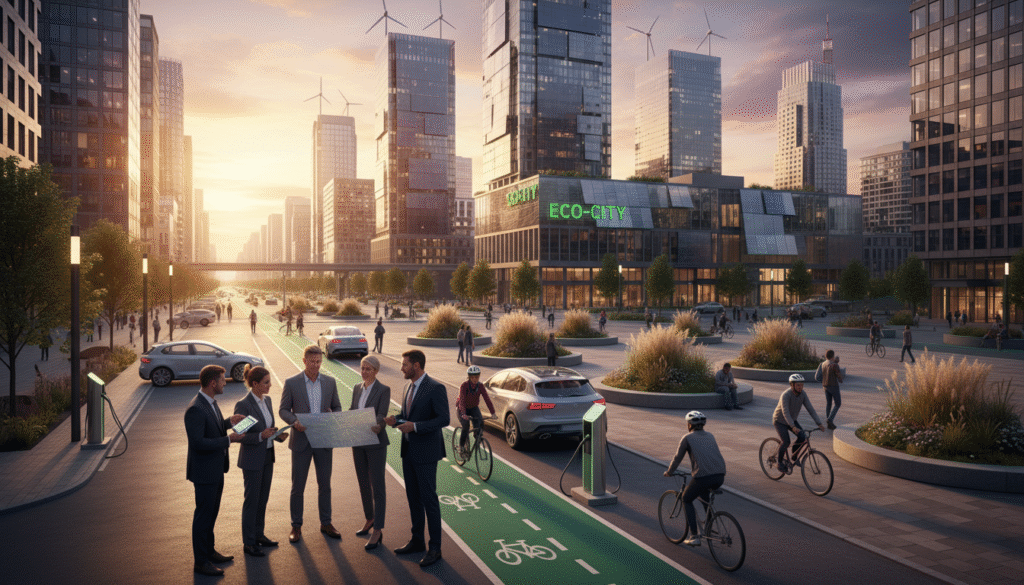
Many cities in India are showing the way to a greener future. Places like Pune and Ahmedabad are leading with their focus on being green. They’re using clean energy and new ideas to make their cities better.
These cities are turning green ideas into real actions. They’re using green roofs, creating low-emission zones, and pushing for more electric cars. This shows that cities can be both innovative and sustainable.
International Comparisons of EV Adoption Rates
Looking at how different countries adopt electric vehicles shows interesting trends. Norway is a leader, thanks to government support and incentives for consumers. China is also making big strides, investing in infrastructure and new technologies.
India can learn from these examples. Norway’s tax breaks and charging stations make electric cars appealing. China’s strict rules and financial help show how to make electric cars popular.
These lessons can help India boost its electric car adoption. By adopting successful strategies, India can move forward in electric mobility. With the right steps, India could become a major player in electric vehicles globally.
Future of Electric Mobility in India
The future of electric cars in India is bright, thanks to fast tech progress and strong government support. The country aims to be more eco-friendly, and electric vehicles play a big role. Key players like the government and city planners will shape the electric car scene in India.
More people are getting excited about electric cars, and we expect to see millions on Indian roads soon. The success depends on better batteries, more charging spots, and everyone working together. This teamwork will help make electric cars the main choice for getting around.
Community Engagement and Awareness Programs
Raising awareness is key for electric mobility success in India. Community engagement helps build a culture that supports electric vehicles. EV awareness programs teach the public about electric vehicles’ benefits, like lower emissions and cost savings.
Workshops and sessions give people the knowledge they need. Local groups, businesses, and organizations can work together to reach the community. They can offer incentives to early adopters, sparking excitement and involvement.
By focusing on community engagement, stakeholders can create an informed public. This public supports electric mobility. Sustainable transport education leads to a community that chooses green transport for a healthier environment.
Conclusion
The rise in electric vehicle use in India is a big step towards a cleaner future. The government, private sector, and communities are working together. This shows a strong commitment to change how we travel.
This change is not just about the environment. It also helps the economy grow and makes us less dependent on energy from other countries. It’s a win-win situation for everyone.
The future of electric vehicles in India is bright. Thanks to new technology and better infrastructure, we’re making progress. Improving battery life and charging systems will help solve problems like range anxiety.
By finding creative solutions to these issues, we can make electric cars more available. This will help us move towards a greener way of getting around.
Working together, we can make a big change in how we travel. By spreading the word and working together, we can make a greener future a reality. Let’s keep moving forward, making electric cars a part of India’s future.