



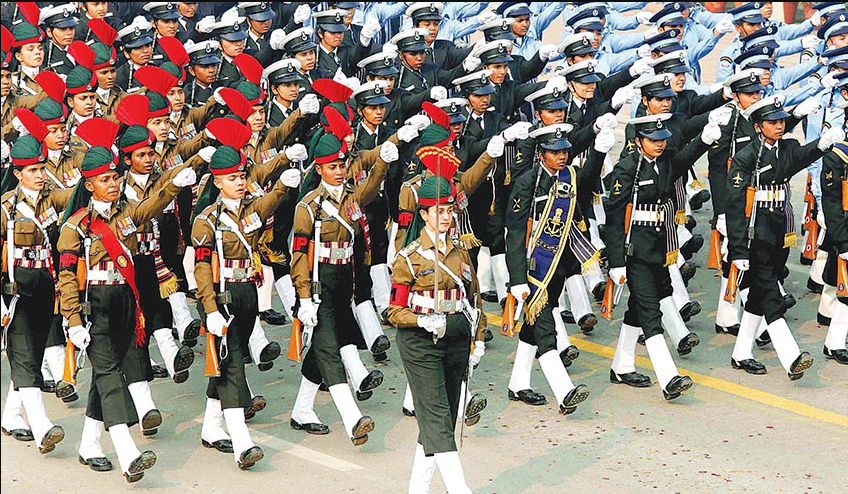
India Military Rankings 2026 show the country climbing steadily among the world’s most powerful militaries. According to the Global Firepower Index 2025, India now ranks 4th globally, reflecting rapid defence modernisation, strategic capabilities, and growing influence in regional and global security. These rankings highlight India’s commitment to strengthening its armed forces and maintaining readiness across land, air, and naval domains. Recently released data from the Global Firepower Index (GFP) 2025 places India among the world’s top military powers, a reflection of sustained defence growth, modernisation, and strategic capacity development.
India currently stands at 4th place globally in military strength, trailing only the United States, Russia, and China — nations long considered the principal pillars of global military power. This high ranking highlights India’s evolving role in regional security and global geopolitics.
What Is the Global Firepower Index?
The Global Firepower Index is a comprehensive assessment of the military strength of countries around the world. Compiled annually, it evaluates 145 nations using more than 60 metrics, including:
- Active and reserve personnel
- Equipment and platforms (aircraft, ships, tanks)
- Defense budgets and industrial capacity
- Logistics and geographic considerations
A lower PowerIndex score indicates a stronger conventional military capability.
India’s Rank: A Closer Look
According to the latest Global Firepower Index:
| Rank | Country | Overall PowerIndex |
|---|---|---|
| 1 | United States | 0.0744 |
| 2 | Russia | 0.0788 |
| 3 | China | 0.0788 |
| 4 | India | 0.1184 |
| 5 | South Korea | 0.1656 |
| 6 | United Kingdom | 0.1785 |
| 7 | France | 0.1878 |
| 8 | Japan | 0.1839 |
| 9 | Turkey | 0.1902 |
| 10 | Italy | 0.2164 |
| Source: Global Firepower Index 2025 |
This positions India comfortably ahead of major European and Asian powers and consolidates its role as a leading defence force globally
Factors Behind India’s Strong Ranking
India’s ascension into the top 5 military powers isn’t accidental — it is the result of strategic planning and long‑term investment across multiple dimensions:
1. Manpower and Personnel
India maintains one of the largest active military forces in the world. Its manpower strength — including Army, Navy, and Air Force personnel — provides a formidable foundation for defense readiness.
2. Defense Modernization and Budget Growth
India’s defence spending has risen steadily, with a large share allocated to modernisation — including acquisition of advanced fighter jets, naval vessels, armoured vehicles, and missile systems suited for 21st‑century warfare.
3. Indigenous Production and Strategic Initiatives
Initiatives such as Atmanirbhar Bharat (self‑reliant India) have focused on reducing dependency on imports by boosting domestic defence production—from missile technology to aircraft and naval platforms.
4. Nuclear and Strategic Capabilities
India maintains a credible nuclear triad, which gives it the ability to deploy nuclear weapons from land, sea, and air platforms — a key deterrent in modern strategic thinking.
Comparing India With Other Powers
When placed in the broader context:
- The United States continues to lead globally with an unmatched technological edge, the largest aircraft fleet, and the highest defence budget.
- Russia and China follow closely, leveraging large manpower and extensive military inventories.
- India, meanwhile, distinguishes itself through balanced growth across land, naval, and air capabilities, rising defence procurement, and strategic power projection.
Regional Dynamics: India vs Neighbors
India’s strength also outpaces that of several regional competitors. For example:
- India’s military capability significantly exceeds that of Pakistan, which is ranked lower in global strength indices.
- The Indian Navy’s ambitions for blue‑water reach and the Indian Air Force’s expanding fleet strengthen its position in the Indo‑Pacific, a region of rising strategic significance.
Beyond the Numbers: Strategic Importance
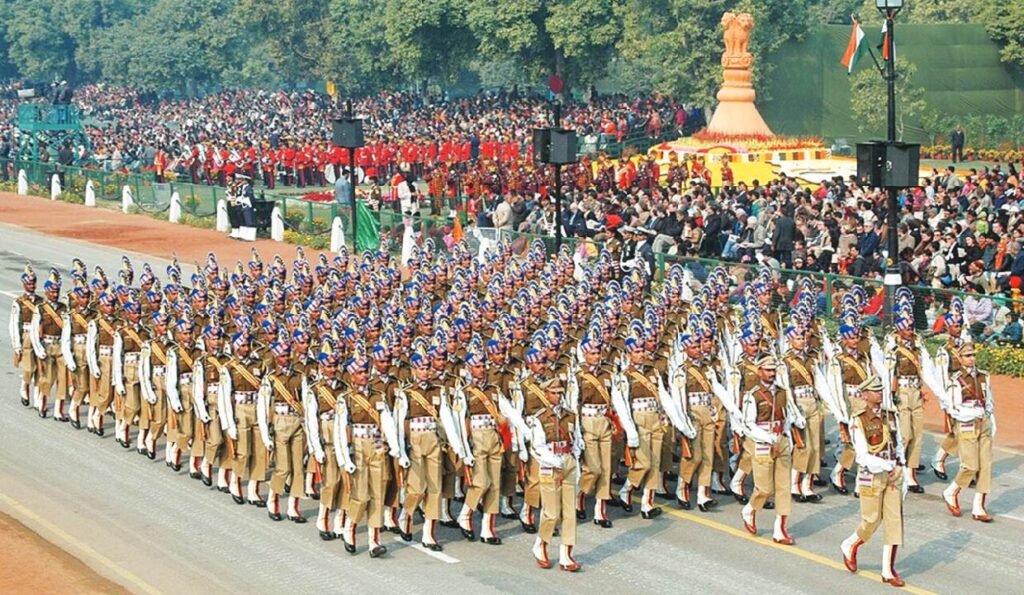
Military strength in today’s world is about more than large armies or equipment counts — it’s about strategic utility in shaping global events. India’s position as the fourth most powerful military contributes to:
1. Regional Stability
As tensions increase across Asia — whether in the South China Sea, the India–China border, or the Arabian Sea — India’s military presence plays a stabilising role.
2. Global Partnerships
India’s defence partnerships with nations such as the U.S., France, and Japan, and its participation in multilateral exercises like Malabar and RIMPAC, enhance interoperability and strategic reach.
3. Technological Advancement
From surface‑to‑air missiles to advanced fighter jets and unmanned systems, India’s focus on cutting‑edge defense technology is generating capabilities that influence power balances.
Challenges and the Road Ahead
While India’s ranking is high, several areas demand continued attention for sustainable growth:
- Research & Development: Expanding indigenous R&D capabilities to reduce reliance on foreign components.
- Cyber & Space Warfare: Investments in next‑generation domains such as cyber defence and space militarisation.
- Force Modernisation: Continued updates to armoured divisions, naval fleets, and air power.
- Budgetary Constraints: Balancing competing domestic priorities with defence needs.
Conclusion: India as a Global Defense Power
India’s ranking among the world’s most powerful militaries underscores not only its current defence capabilities but also its future potential. At 4th place on the Global Firepower Index 2025, India has solidified its position among leading global powers, backed by modern forces, expanding budgets, and strategic partnerships.
This position reflects its growing influence on regional and global security — and projects a future where India’s military strength will continue to shape geopolitical outcomes.