



India has made a big change in its EV Policy, moving to performance-based incentives. This change is a big step towards making electric vehicles more sustainable. It shows the government’s dedication to improving efficiency and innovation in the sector.
By focusing on performance, we hope to increase the number of electric vehicles. We also want to tackle current challenges and look forward to a bright future. Let’s dive into the details of these changes and how they will affect the market and consumers.
Introduction to India’s EV Landscape
Exploring India’s electric vehicle (EV) scene is essential. It started with government efforts to boost green tech. Now, we see more interest and money going into EVs, thanks to care for the environment and new tech.
EV sales in India have skyrocketed, thanks to government support. But, there are big challenges ahead. Building more charging stations and making the grid reliable are key to EVs’ success.
This overview shows both the progress and the obstacles in India’s EV world. Knowing these points helps us understand the ongoing changes and their impact on electric cars in India.
The Current State of Electric Vehicles in India
India is moving towards greener transport with electric vehicles. EV sales have jumped in recent years, taking a bigger piece of the car market. The number of electric cars sold has more than doubled compared to before.
People of all ages want electric cars, but the young are leading. They care about the planet. City folks also choose EVs to beat traffic and pollution.
Having enough charging spots is key for electric cars. The government is adding more stations everywhere. But, there’s a long way to go, mainly in rural areas.
People buy electric cars to save money and help the environment. As more people choose electric, India’s car market will change a lot. This makes it even more important to support this shift with good policies.
Significance of the Revised EV Policy
The revised EV policy is key to India’s electric future. It aims to boost the economy and protect the environment. This change is a big step towards making electric vehicles a common sight in the market.
This policy change is a response to global climate issues. It shows India’s commitment to meeting international climate goals. It also pushes for better technology and innovation in electric vehicles.
This policy does more than just help the environment. It makes India a leader in electric vehicles worldwide. It shows a focus on both performance and sustainability, making clean energy and tech work together.
Overview of the New Performance-Based Criteria
The new EV Policy in India focuses on performance-based criteria. This change aims to transform the electric vehicle market. It looks at range, efficiency, and environmental impact to decide on incentives for makers and buyers.
Let’s dive into what these criteria mean. Range is about how far an EV can go on one charge. It’s key because it affects what people choose and how they use their cars. Efficiency shows how well an EV uses energy to travel, showing off tech advances in batteries and energy use.
Environmental impact is also key. The policy now checks EVs’ emissions over their whole life. This pushes for more eco-friendly tech and helps make cars cleaner and more efficient.
Why Performance Matters in EV Development
The focus on performance in electric vehicles is key for moving EVs forward in India. As more people look for reliable performance, it changes how they see EVs. This shift makes performance a big deal when people decide to buy.
Brands like Tata Motors and Mahindra & Mahindra have set high standards. They focus on how fast their cars go, how far they can travel, and how well they use energy. These features attract tech lovers and help these companies stand out.
Studies show that people link performance to quality and dependability. When EVs perform well, they become more appealing. This trust can help more people in India choose electric vehicles, from city dwellers to big families. So, focusing on performance is not just good—it’s vital for India’s green transport future.
The Role of Government in Promoting EV Adoption
The push for electric vehicles (EVs) in India is greatly influenced by the government. They work hard to make the environment right for EVs. They offer financial help and invest in charging stations, showing they’re serious about EVs.
Policy changes are key in this effort. They offer tax breaks and grants to EV makers. This makes EVs cheaper for people and boosts the market.
Also, working together with private companies is important. This partnership helps grow the infrastructure needed for EVs. It shows the government’s dedication to innovation and the environment.
| Initiative | Description | Impact on EV Adoption |
|---|---|---|
| FAME India Scheme | Subsidies for electric vehicle purchases and infrastructure | Increased consumer interest and sales figures |
| State-Level Policies | Individual states offer additional incentives and subsidies | Localized support encourages regional market growth |
| Infrastructure Investments | Development of charging stations across urban and rural areas | Enhanced convenience for EV users, promoting adoption |
Market Response to Policy Changes
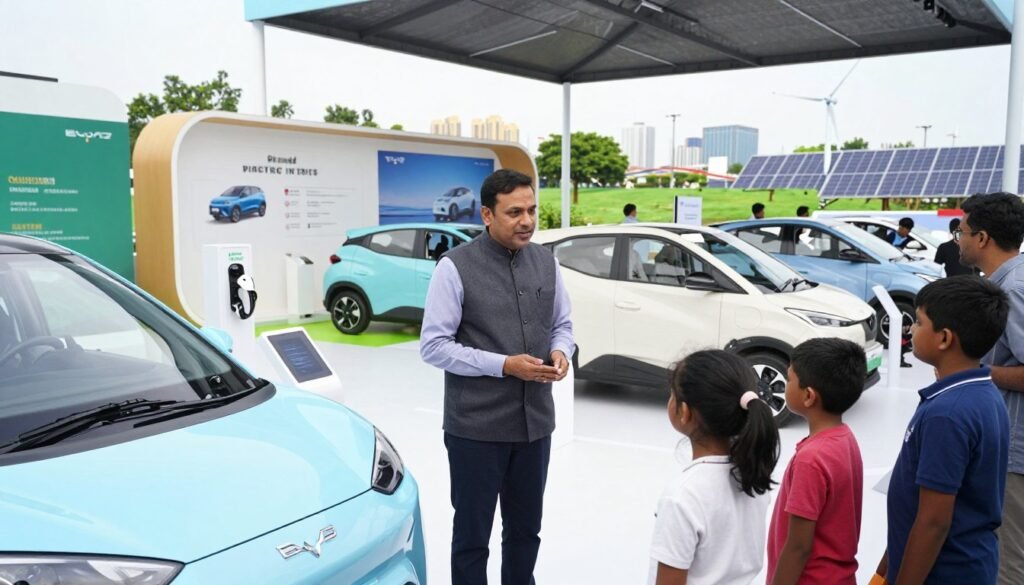
India’s recent policy changes for electric vehicles have caused a big stir in the market. Companies are now making their cars to meet new standards. This shows how important government help is for the industry.
Tata Motors and Mahindra are leading the way with their new electric models. They’re showing everyone what’s possible with electric cars.
Dealerships are also getting on board. They’re telling people about the good things about electric cars. They talk about how they save money and help the planet.
People are really starting to like electric cars. They see them as a better choice for the future. This change is not just about cars. It’s about wanting to help the planet.
| Stakeholder | Response | Implications |
|---|---|---|
| Manufacturers | Realigning production to meet new criteria | Increased competitiveness in the EV market |
| Dealerships | Educating consumers about EV benefits | Higher willingness to explore electric options |
| Consumers | Growing interest and enthusiasm for EVs | Shift towards sustainable transportation choices |
Impact on Consumers and End-Users
The new EV Policy in India has big changes for people using electric cars. It could save money by lowering the cost of buying and owning an electric vehicle. This makes electric cars more affordable for more people.
Another big plus is the lower emissions. As people worry more about the environment, electric cars are seen as a cleaner choice for daily trips. This makes electric cars more appealing to those who care about the planet.
Also, the policy aims to make electric cars perform better. This means longer driving ranges and better efficiency. It helps ease worries about owning an electric car, making it more attractive to those who value reliability and efficiency.
| Aspect | Consumer Benefit |
|---|---|
| Cost Savings | Reduced purchase price and ownership costs due to incentives |
| Environmental Impact | Lower emissions contribute to cleaner air and sustainability |
| Performance | Improved driving range and efficiency enhance user experience |
| Adoption Motivation | Incentives promote social acceptance and encourage new users |
Challenges in Implementing the New EV Policy
The new EV Policy in India faces several big challenges. One major issue is the lack of charging stations. A strong network of charging spots is key to making EVs more popular and trusted.
Another hurdle is updating how cars are made to meet new standards. Changing production lines and training workers is hard. It can slow down progress. Also, making cars in India might cause short-term problems in the supply chain.
To overcome these hurdles, the government and car makers need to work together. They can offer incentives for building more charging stations. Training programs for workers will help them adapt to new car-making methods.
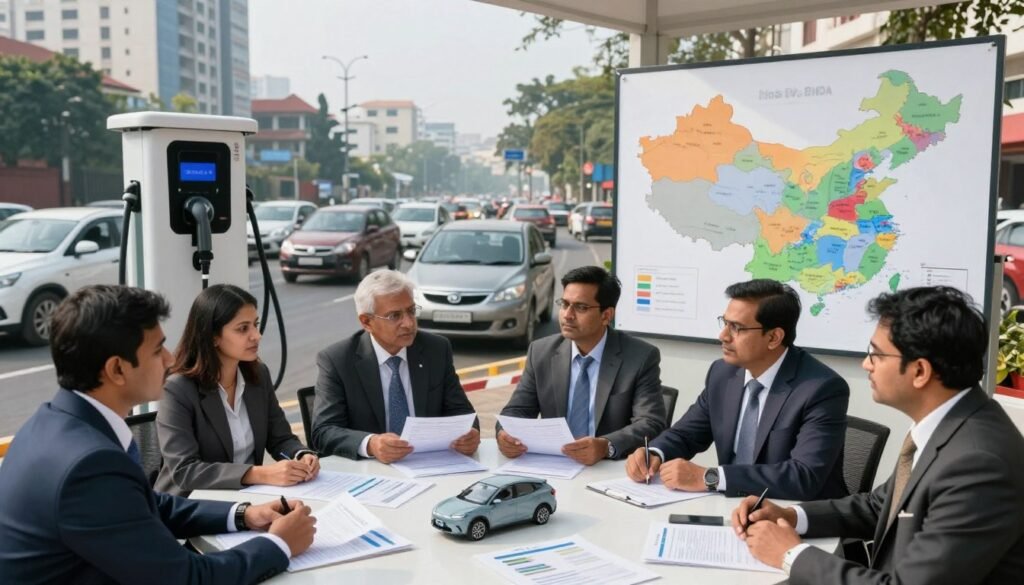
It’s important to focus on innovation and working together to make the EV Policy work. With everyone’s help, we can move towards a future where electric cars are the norm.
Future Prospects for EVs in India
The future of electric vehicles in India looks bright. We see a big change in the car world. New tech, government support, and changing what people want are key to EVs’ success.
New battery tech will make EVs go further and use less energy. This will help solve some big problems EVs face today.
Building more charging spots is vital for EVs to become popular. We expect more money to go into making these spots. This will help EVs grow in India.
Experts think the EV market will grow a lot in the next 10 years. The work of governments and car makers will help make EVs more sustainable in India. This could make electric cars a top choice for many, changing the car market a lot.
The Economic Implications of the Revised EV Policy
The new EV Policy in India will have big effects on the economy. The government’s focus on performance will boost the electric vehicle market. This will create more jobs in the industry.
As companies grow, they’ll need more skilled workers. This means more jobs for people with the right skills.
Also, sectors like renewable energy and battery making will grow. This will help electric vehicles and make energy use more sustainable in India. More money coming in will help the economy grow and make India more competitive worldwide.
Studies show the EV Policy fits with plans to cut down on carbon emissions. It encourages the use of green technologies. This will draw in investors, leading to strong growth in the EV market.
Comparative Analysis with Global EV Policies
Looking at electric vehicle (EV) policies around the world, we see how India’s new plan compares. Countries like China, the United States, and many in Europe are leaders. They show what works and what doesn’t.
China is known for its bold moves in EVs. It’s invested a lot in batteries and charging stations. The U.S., on the other hand, supports local making and gives money to buyers. These two ways show India different paths to follow.
In Europe, Norway and Germany aim for lasting change. They offer quick help to buyers and set big goals. By studying these plans, India can find ways to improve its own.
| Country | Key Policy Focus | Incentive Type | Year of Implementation |
|---|---|---|---|
| China | Infrastructure and Battery Tech | Subsidies and Grants | 2010 |
| United States | Local Manufacturing | Tax Credits | 2008 |
| Norway | Sustainability Targets | Toll Exemptions and Tax Relief | 2010 |
| Germany | Long-term Roadmap | Bonus System for EV Buyers | 2016 |
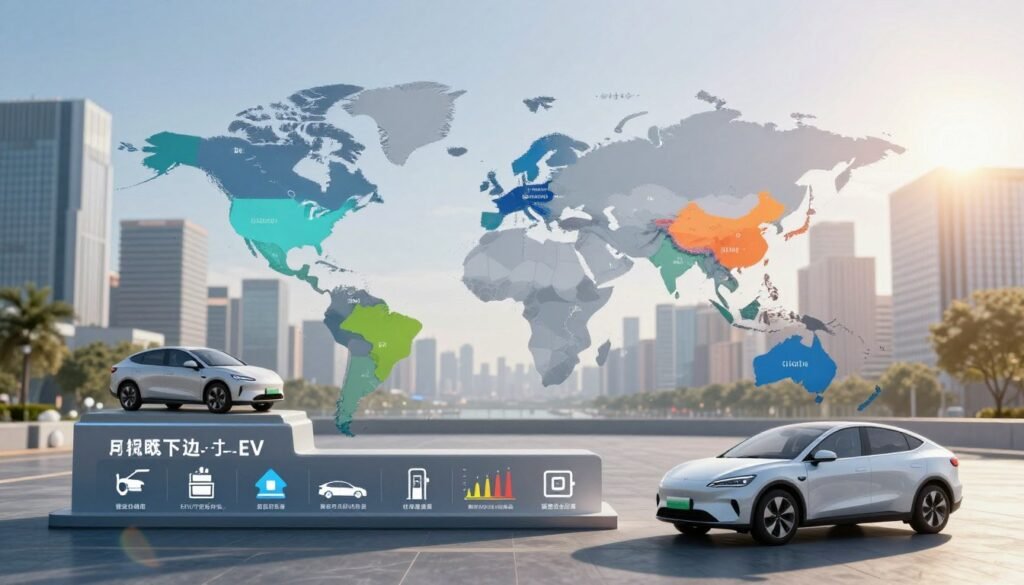
This look at other countries’ EV plans shows India different ways to go. By learning from them, India can make its EV policies better. This will help India’s EVs grow strong and flexible for the future.
The Importance of Sustainability in EV Development
Sustainability is key in EV development in India. It shapes tech advancements and what consumers want. It covers everything from getting raw materials to designing vehicles, making sure each step is green. This meets the growing need for eco-friendly products from manufacturers.
Adding sustainability to EVs helps fight climate change. Electric cars are cleaner than gas cars, improving air quality in cities. This is important because cities often have bad air and pollution.
Also, making EVs greener fits with government plans to support green tech. Laws that encourage using recycled materials and renewable energy push the industry forward. Companies like Tata Motors and Mahindra are leading by using eco-friendly methods in their work.
The table below shows important sustainability efforts in Indian EVs:
| Aspect | Description | Examples |
|---|---|---|
| Material Sourcing | Using eco-friendly and recycled materials | Battery casing from recycled aluminum |
| Production Processes | Using renewable energy in making | Solar panels for factory energy needs |
| Vehicle Design | Designs that save energy and can be recycled | Lightweight designs for better energy use |
| Community Engagement | Working with local groups on green projects | Partnerships with NGOs for green campaigns |
Going green in EVs is more than a trend. It’s about taking care of our planet for the future. In India, this change is big, making cars better for the environment and what people want.
Innovations Driving Performance in Electric Vehicles
In India, electric vehicles are getting better thanks to new ideas. Better batteries mean longer drives and quicker charges. This is helping more people choose electric cars.
Tata Motors is at the forefront with new battery tech. Their lithium-ion systems make cars more efficient. This is a big step forward.
Powertrain upgrades are also key. Car makers are working on electric motors that go faster and accelerate quicker. Mahindra’s new electric drivetrain is a great example of this.
New materials are making electric cars even better. Lighter composites and alloys save energy. This is important in India, where electric cars need to be affordable.
Local innovators like Ather Energy are showing what’s possible. Their electric scooters use smart tech for better performance. These advancements meet India’s EV policy goals.
Public Engagement and Awareness Campaigns
Public engagement is key to making electric vehicles (EVs) popular in India. Awareness campaigns help people see the good in EV Policy and its role in a green future. They teach about EVs’ perks, like less pollution and cheaper running costs.
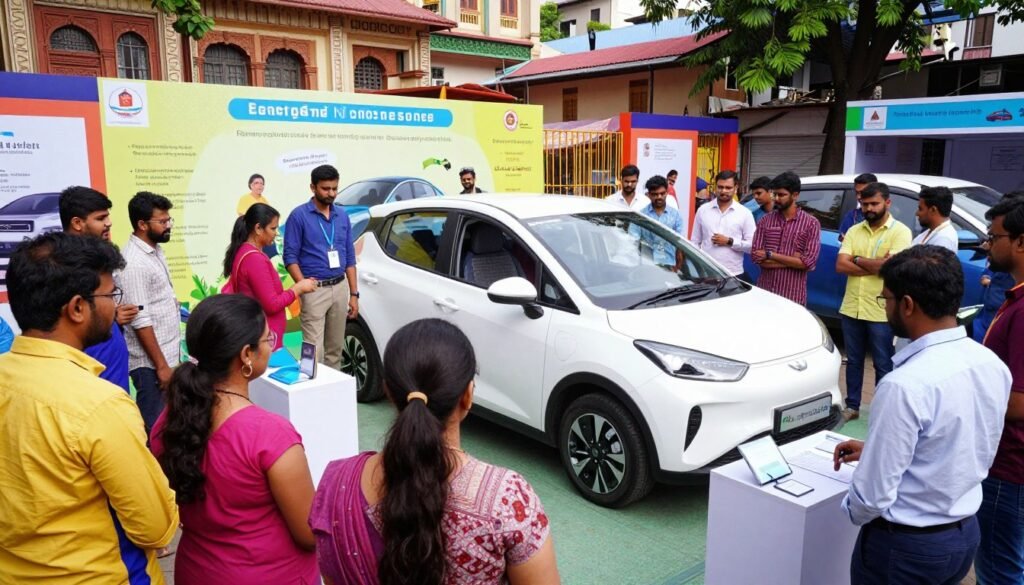
Government and NGOs lead the way with events, workshops, and demo days. These activities make EVs seem more appealing and accessible to everyone. By sharing experiences, communities grow to support green transport.
Recently, India’s awareness campaigns have shown how important community involvement is. Social media has helped spread the word, reaching more people. Talking about EV Policy strengthens community ties and supports green living.
As people learn more, they’re more likely to choose EVs. This growth helps India meet its green goals. It’s a step towards a cleaner, healthier future.
| Campaign Name | Organization | Impact Factor |
|---|---|---|
| Go Electric | Govt. of India | Increased EV awareness by 30% |
| EV Expo | Private Sector | Engaged 10,000 attendees |
| Green Mobility | Environmental NGOs | Community workshops in 5 cities |
Conclusion
India’s new EV policy brings big changes with it. It uses performance-based incentives to boost electric vehicles. This move is a step towards a greener future for transportation.
The policy is a sign of forward-thinking leadership. It encourages innovation and improves the market for electric vehicles.
This policy makes India’s move towards green mobility clear. It focuses on making vehicles more efficient and satisfying for users. This leads to a stronger electric vehicle system.
We should stay excited and involved in India’s EV journey. By joining in and staying updated, we help create a better future. This future is cleaner and more efficient for everyone.