

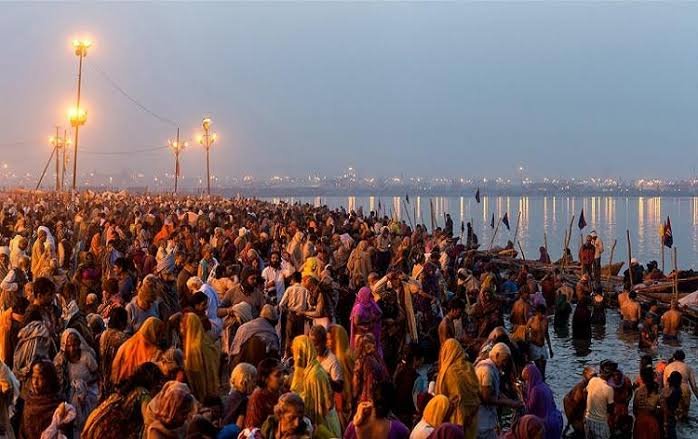
Makar Sankranti Market Trends show how India’s annual harvest festival drives sales and consumer behavior across sectors. Celebrated on January 14th, this festival impacts FMCG, kites, apparel, gifting, and tourism markets. Understanding these market trends allows businesses to plan promotions, optimize inventory, and predict sales spikes, making Makar Sankranti a key indicator of early-year consumer confidence. This festival not only holds cultural significance but also shapes consumption patterns, supply chains, and marketing strategies across sectors such as confectionery, textiles, agriculture, travel/tourism, and e‑commerce. The festival has emerged as an economic indicator of consumer confidence early in the year.
Consumer Behavior & Market Dynamics
Cultural Spending Drives Demand
Makar Sankranti triggers purchases across categories:
- Traditional foods: sesame (til), jaggery (gur), peanuts
- Kite flying gear: kites, manja (threads), accessories
- Apparel & gifts: ethnic wear, winter-to-spring transition clothes
- Travel & tourism: pilgrimage and cultural event trips
Consumers typically prioritise festive essentials, showing higher spending propensity than average January months. This period often signals a positive start to the retail calendar.
Food & FMCG Sector: Til, Gur & Sweet Markets
Makar Sankranti is synonymous with sesame and jaggery — both culturally auspicious and healthful. The FMCG segment witnesses a spike:
Sales Highlights
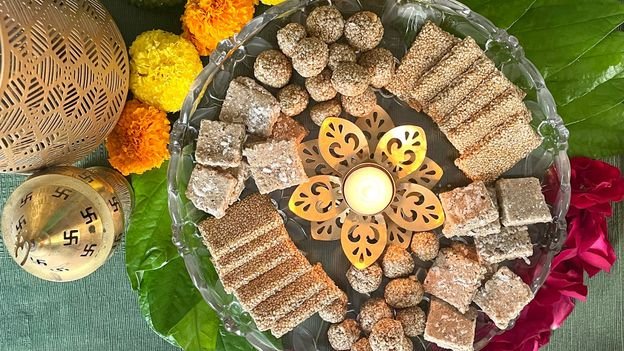
- 20–40% rise in sesame and jaggery sales (period: Jan 1–14)
- Premium sweets see more footfall due to gifting traditions
- Healthy snacking trends expand demand for roasted til/peanuts
Market Insights
- Consumers increasingly choose clean-label, organic, and regional products
- Urban middle-class segments show a surge in packaged sweet purchases
- Retailers report higher footfall in the 10 days leading up to Sankranti
Kite & Gift Market Trends
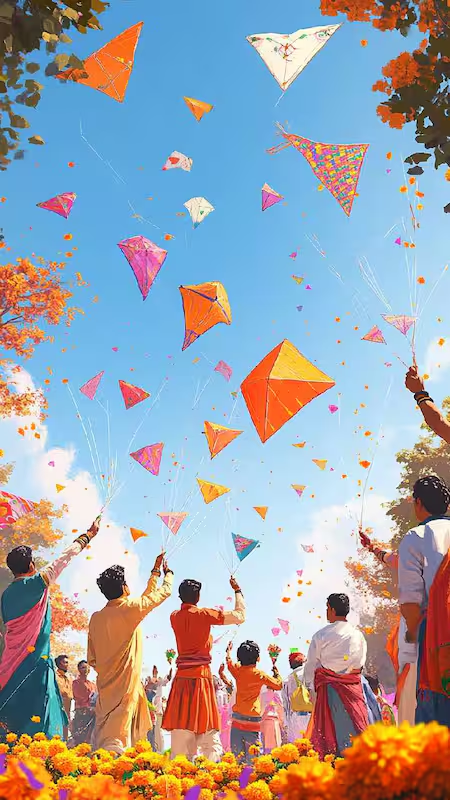
The kite market is a significant seasonal driver:http://Kite Flying Festivals in India – Ministry of Cultur
Key Market Features
- Demand surge (Dec–Jan): inventory builds from November
- Local and online sellers see a pre-festival rush
- Premium/LED kites and themed kite kits grow in popularity
Consumer Trends
- Families and youth lead bulk purchases
- E‑commerce platforms offer deals on combo kits
- Specialty stores stock designer manja and protective gloves
Apparel & Gifting: Winter to Spring Spend
Although not a primary clothing festival, Sankranti coincides with season‑end winter sales, boosting:
- Winter wear clearance buys
- Gift purchases (ethnic sets, shawls)
- Festive wardrobe refresh ahead of Republic Day and Valentine’s
Retail analysts note a 5–10% uplift in apparel sales, especially in tier‑2 and tier‑3 cities where cultural celebrations spur family gatherings.
Travel & Tourism: Festive Circuit Growth
For many, Makar Sankranti is more than home celebration — it’s a regional travel moment.
Tourism Drivers
- Pilgrimage destinations (e.g., Gangasagar, Prayagraj)
- Kite festivals in Gujarat, Rajasthan, Delhi
- Rural festivities attract urban tourists
Booking Trends
- Data shows Jan 5–14 spike in hotel and transport reservations
- Short‑stay packages and community‑based tourism experiences gain traction
Retail travel agencies leverage festive ties with special itineraries and discounted packages.
Digital & Retail Marketing Strategies
In recent years, Makar Sankranti has evolved beyond cultural practice — into a marketing opportunity.
E‑Commerce Campaigns
- Festive deals & bundles on sweets, kites, apparel
- Festive landing pages with storytelling + product curation
- Social media campaigns featuring user‑generated content
Retail Tactics
- In‑store experiential displays (til‑gur bars, tasting corners)
- Cross‑sell bundles (sweets + kites + seasonal apparel)
- Loyalty benefits targeted to early‑year big spenders
8. Supply Chain & Pricing Insights
Pricing Patterns
- Advance procurement of sesame and jaggery helps retailers stabilize pricing
- Transportation costs influence margins due to winter logistic challenges
Inventory Management
- Retailers commence stocking by late November
- Tier‑1 cities use data on last year’s peak buying days to optimize stock
Challenges
- Weather impacts crop yield → price volatility in sesame/jaggery
- Logistics slowdowns during winter affect last‑mile delivery timelines
Regional Variations & Consumer Profiles
North India
- Kite flying and communal markets drive strong footfall
- Urban centers see blended online‑offline sales patterns
West & Central India
- Maharashtra & Gujarat: Til‑gur sales and kite festivals command high engagement
- Rural demand for traditional sweets remains robust
South & East India
- Celebrations blend with local harvest festivals (e.g., Pongal in Tamil Nadu)
- Regional variations influence product mixes (e.g., sugarcane products, offerings with rice)
Forecast & Strategic Outlook for 2027
Consumer Spend
- Expected 5–8% annual growth fueled by rising disposable incomes
- Shifts towards healthy and premium options in festive baskets
Retail & Digital Landscape
- Growth in hyper‑local delivery (groceries & sweets)
- Increased use of AI‑driven personalization for festive campaigns
Recommendation for Brands
- Early engagement: Start campaigns from mid‑December
- Cultural storytelling: Link products with festival heritage
- Omnichannel synergy: Blended online and physical experiences
- Partnerships with local artisans: For authentic gifting
Conclusion
Makar Sankranti stands at the intersection of tradition and commerce. While rooted in cultural celebration, its impact ripples across consumer markets, retail trends, and strategic business planning. For brands and retailers, the festival offers a window to engage customers early in the year — boosting sales, building loyalty, and reinforcing cultural relevance. As the market evolves, personalization, digital‑first strategies, and regional insights will define success.