



Wildlife & Environment news from India begins 2026 on a hopeful note, as a rare newborn one-horned rhino was sighted in Jaldapara National Park during the New Year. The Wildlife & Environment milestone highlights India’s continued success in protecting endangered species and strengthening conservation ecosystems.
The newborn one-horned rhino has brought renewed attention to Wildlife & Environment conservation efforts in eastern India. Forest officials confirmed that the calf is healthy and under constant observation, reflecting the effectiveness of long-term Wildlife & Environment protection strategies in the park.
Jaldapara National Park has emerged as a key Wildlife & Environment sanctuary, offering a safe and nurturing habitat for the endangered Indian one-horned rhinoceros. The protective behavior of the mother rhino further indicates a stable Wildlife & Environment ecosystem that supports natural breeding.
The Joy of New Beginnings in Wildlife
In wildlife conservation, every new life is a powerful symbol of resilience and hope. These new beginnings highlight the complex web of biodiversity and our shared duty to protect the environment. Each newborn animal shines as a beacon of optimism, showing us the possibility of overcoming challenges faced by endangered species.
Projects in India, for example, have shown success in breeding endangered species. These efforts showcase the dedication needed for wildlife conservation, leading to significant recoveries. Witnessing new births prompts us to appreciate the interconnectedness of life and the need for sustainable ecosystems.
These moments inspire us to dive deeper into conservation efforts. Celebrating new beginnings in wildlife sparks a passion for biodiversity and a sense of responsibility for our planet’s future. By working together, we can create a world where both humans and wildlife thrive.
Significance of the One-Horned Rhino in India
The one-horned rhino is more than a remarkable species in India; it’s a vital keystone in the ecological and cultural landscapes. Its grazing habits shape grasslands, benefiting countless other species. This shows the interconnectedness of life in a balanced environment.
Beyond its ecological role, the one-horned rhino holds significant cultural value. It symbolizes strength and resilience in local folklore, woven into community narratives. Protecting this species is key to broader conservation efforts, tackling threats from poaching and habitat loss.
Jaldapara National Park: A Conservation Success Story
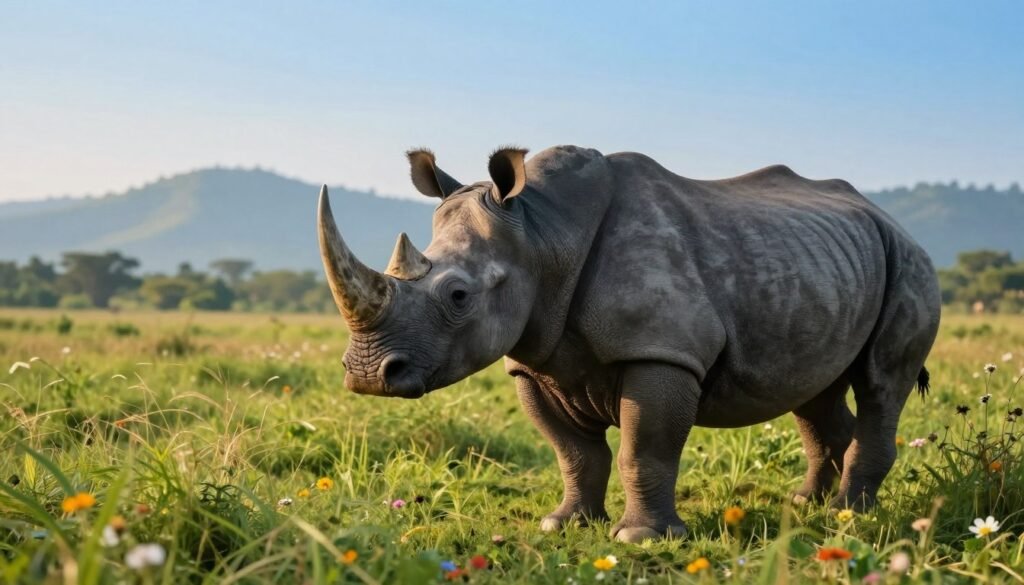
Jaldapara National Park is a beacon of wildlife conservation in India, with a focus on the one-horned rhinos. It has evolved from a small sanctuary to a thriving habitat, boasting over a hundred rhinos. This transformation showcases the success of dedicated conservation efforts.
Efforts in Jaldapara include intense anti-poaching patrols, habitat restoration, and community involvement in wildlife protection. These actions create a secure space for rhinos to flourish. They highlight the importance of a holistic approach to conservation.
Collaborations with local NGOs and government agencies have been instrumental in Jaldapara’s success. These partnerships have led to awareness campaigns that underscore the need to protect biodiversity. This has not only safeguarded the rhinos but also fostered a sense of community and environmental stewardship.
Celebrating the Newborn Rhino Calf
The arrival of a newborn rhino calf is a moment of pure joy, beyond just for nature lovers. It ignites celebrations in local communities, filling them with pride and a sense of belonging. As news of this precious addition spreads, *wildlife tourism* in India experiences a surge, attracting visitors eager for unique experiences.
With more tourists coming, local economies flourish. Businesses, from tour operators to hotels, see a rise in demand. This growth supports conservation efforts, promising a better future for both the community and wildlife. Studies have shown how rare wildlife sightings can lead to significant financial backing for conservation.
This connection between *local communities* and wildlife fosters a spirit of celebration and cooperation. Nearby villagers participate in festive events, raising awareness about their environment’s importance. These collective efforts underscore the newborn rhino calf’s role in the community’s cultural identity.
Wildlife & Environment: A Symbol of Hope
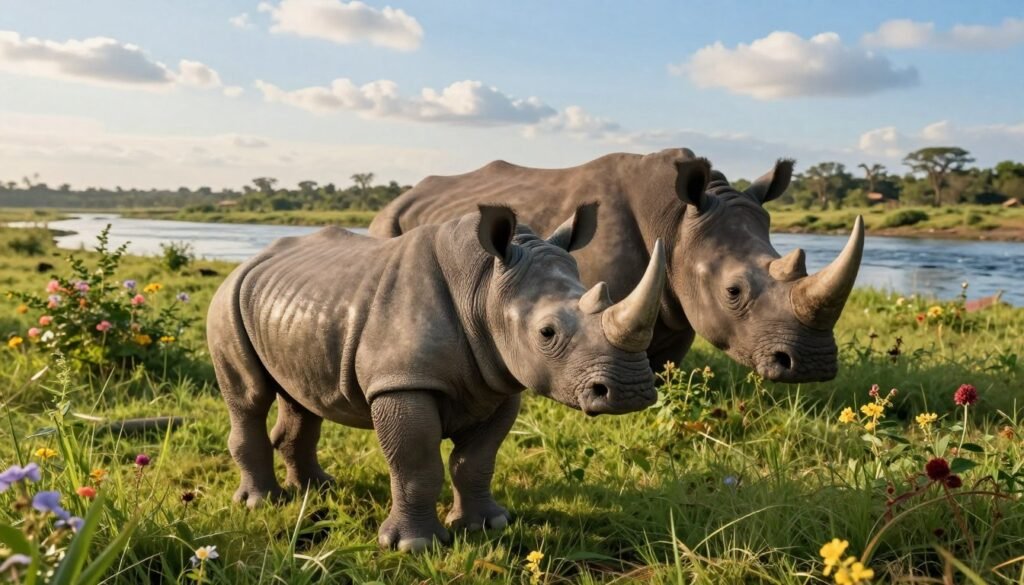
Wildlife is a beacon of hope in the face of global environmental challenges. The sighting of a one-horned rhino is a powerful reminder of biodiversity’s importance. It also emphasizes our shared duty to protect our planet’s life forms.
By safeguarding iconic species like the one-horned rhino, we spark a wider movement. This movement aims to preserve the diverse life on our planet. It’s a call to action, urging us to protect our ecosystems and the environments that sustain us.
Nurturing the Rhino: The Role of Conservationists
Conservationists are key in the fight to save one-horned rhinos. They use a mix of protection efforts and community outreach to protect these animals. Their work includes anti-poaching campaigns and habitat restoration. The International Rhino Foundation is a major supporter, helping with research and data collection.
Yet, conservationists face many hurdles. Poaching is a big problem, driven by the demand for rhino horns. Climate change also poses threats, affecting water and food in their habitats. Finding a balance between human needs and wildlife protection is a continuous challenge.
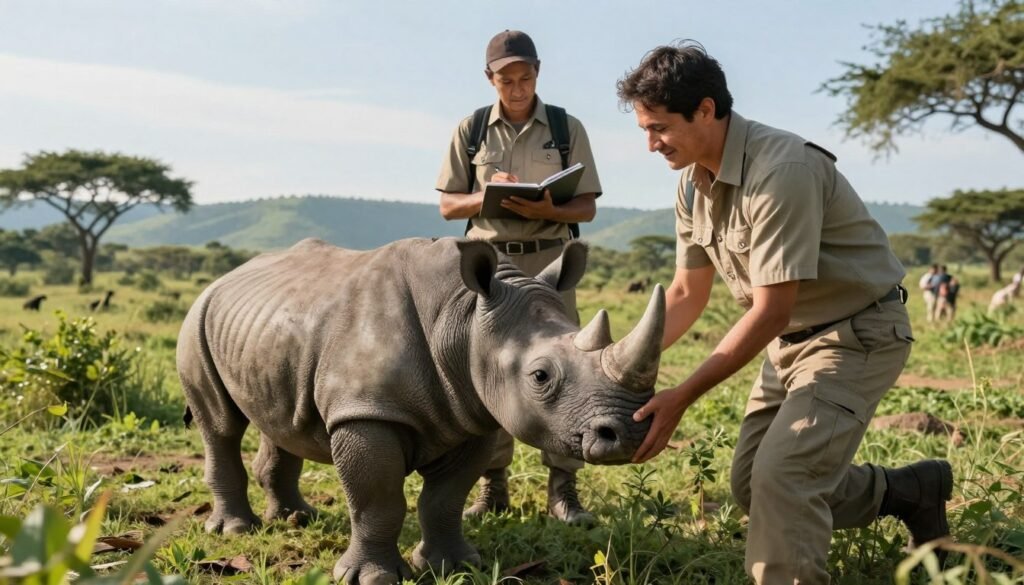
Experts emphasize the need for better law enforcement and sustainable habitat management. Sharing the experiences of wildlife officials highlights the complexity of conservation. It also shows the urgency for everyone to join in.
Environmental Positivity and Conservation Awareness
Community-focused initiatives play a key role in raising conservation awareness. They show how vital it is to teach young minds about the natural world. By engaging in hands-on experiences, these programs spark enthusiasm and instill a sense of responsibility towards the environment.
Integrating local challenges into educational curriculum helps students grasp the importance of every species. This includes the one-horned rhino and its role in the ecosystem. Through activities like tree planting or habitat restoration, students become active participants in conservation efforts. This not only benefits the environment but also encourages families to adopt sustainable practices.
The Role of Social Media in Spreading Awareness
In today’s digital world, social media has become a key player in raising conservation awareness and supporting wildlife advocacy. Platforms like Instagram and Twitter share stunning wildlife images and spark discussions on environmental issues. They allow for quick information sharing, keeping people updated on one-horned rhinos, their habitats, and the challenges they encounter.
Effective campaigns use storytelling to connect with people on an emotional level. Through compelling images and personal stories, social media posts build a sense of community. This encourages collective action to protect these incredible animals. By leveraging influencers and passionate advocates, organizations can spread their messages wider, reaching more people who might not engage with conservation efforts.
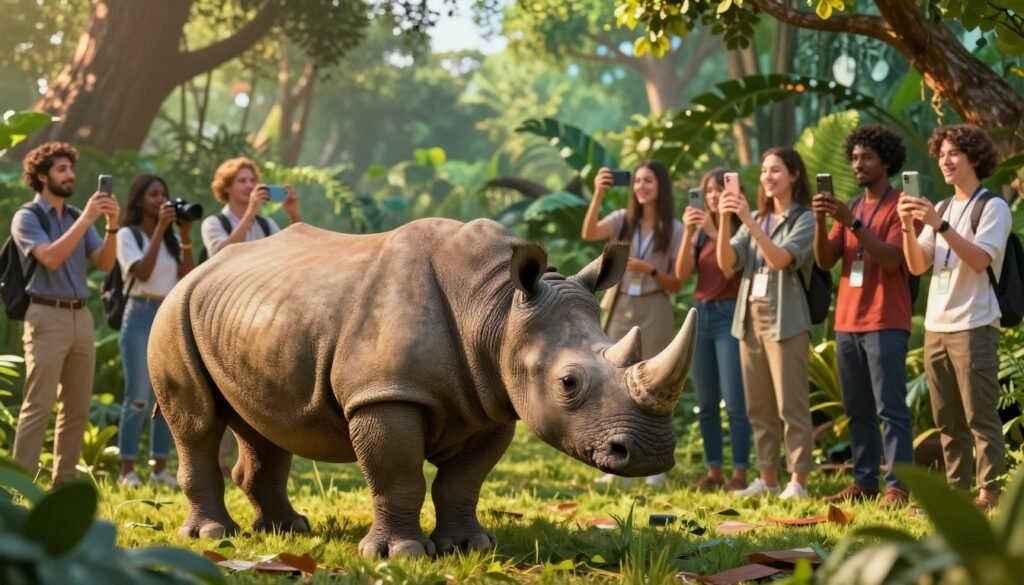
Observing these efforts, it’s evident that social media is a critical tool for conservation awareness and support mobilization. It facilitates collaborations among individuals and groups, highlighting the need to safeguard our planet’s biodiversity. Social media’s strength lies in motivating diverse groups to join wildlife advocacy efforts, making conservation a shared duty.
How This Sighting Connects to Global Conservation Trends
The excitement over a newborn one-horned rhino sighting goes beyond local pride. It ties into global conservation trends. This event highlights the importance of wildlife protection in preserving our planet’s natural heritage. Celebrating this new life, we see connections between India’s efforts and worldwide biodiversity preservation initiatives.
In different parts of the world, communities come together to protect endangered species. Successful local conservation efforts show the power of collaboration. Protecting biodiversity is essential for environmental health, benefiting all. The sighting of the one-horned rhino calf shows that local successes are linked to international goals in wildlife protection.
As wildlife enthusiasts, our actions have global implications, contributing to a dialogue on sustainable practices. Observing positive outcomes from community-driven initiatives in India, we learn about global trends. The journey of this newborn rhino shows the interconnectedness of our conservation efforts. It reinforces that every conservation milestone strengthens our collective biodiversity preservation goals.
The Future of One-Horned Rhinos in India
Reflecting on the future of one-horned rhinos in India, we face a complex landscape. Threats like habitat loss and poaching persist. Yet, recent conservation policy advancements offer hope. Achieving a balance between human activities and wildlife preservation is key to sustainability.
Engaging local communities is vital for the rhinos’ future. By involving residents in conservation, we foster a sense of responsibility. This approach boosts protection efforts and raises awareness about these animals’ ecological importance.
Innovative research and adaptive management are critical to combat evolving threats. Refining our strategies ensures resilient populations that adapt to environmental changes. Ensuring the sustainability of these iconic species requires ongoing education and proactive measures.
Conclusion
The recent sighting of a newborn one-horned rhino calf is a powerful reminder of the conservation importance that drives our collective efforts. This event not only highlights the success stories emerging from dedicated wildlife protection initiatives. It also serves as a beacon of hope for the future of endangered species. The remarkable resilience of nature reflects the significant strides being made towards restoring habitats and fostering biodiversity.
As we celebrate this new life, it becomes imperative for us all to engage in community involvement. Advocating for wildlife conservation is not just the responsibility of professionals; it requires a unified effort from every individual. Our actions can amplify the positive effect these initiatives have, leading to sustainable ecosystems that thrive for generations to come.
Let us embrace this moment as an opportunity to galvanize support for wildlife conservation efforts. Together, we can ensure that future generations inherit a world filled with diverse wildlife and rich natural heritage. Through shared knowledge and unwavering commitment, we can contribute to the narrative of wildlife success stories—starting with our very own one-horned rhino in India.