



A deep depression has formed off the coast of Tamil Nadu and Andhra Pradesh. This has led to multiple heavy rainfall alerts. It’s important to stay alert as this situation develops.
Understanding the Cyclone Ditwah remnants in India is key. This weather event could bring challenges to both nature and human settlements. We’ll keep you updated on the important details.
Understanding Deep Depression and Its Impact
A deep depression is a weather phenomenon that shows a big drop in atmospheric pressure. These events often signal the start of more intense storms. They can also change local weather a lot. The effects of deep depressions include heavy rain and strong winds, which can be dangerous.
Deep depressions form due to certain weather conditions. Knowing this helps us predict and prepare for their impacts. Both nature and human activities can be greatly affected. By being aware, we can reduce the risks of deep depressions and keep communities safe.
What is Cyclone Ditwah Remnants India?
Cyclone Ditwah was a major weather event that showed the complex nature of cyclones. It brought heavy rain and strong winds to many coastal areas. Knowing how Cyclone Ditwah changed from its strongest point to its end helps us understand its effects on the weather later.
Overview of Cyclone Ditwah
Cyclone Ditwah had strong winds and lots of rain, causing alerts in many states. It grew stronger by taking energy from warm ocean waters. Knowing about these weather patterns helps us get ready for their effects on communities and nature.
Transition from Cyclone to Deep Depression
When Cyclone Ditwah got weaker, it changed into a deep depression. Changes in the atmosphere helped this happen, changing its shape and strength. The leftovers of Cyclone Ditwah are now affecting the weather in Tamil Nadu and Andhra Pradesh. This shows how a cyclone’s end can keep changing a place’s weather and daily life.
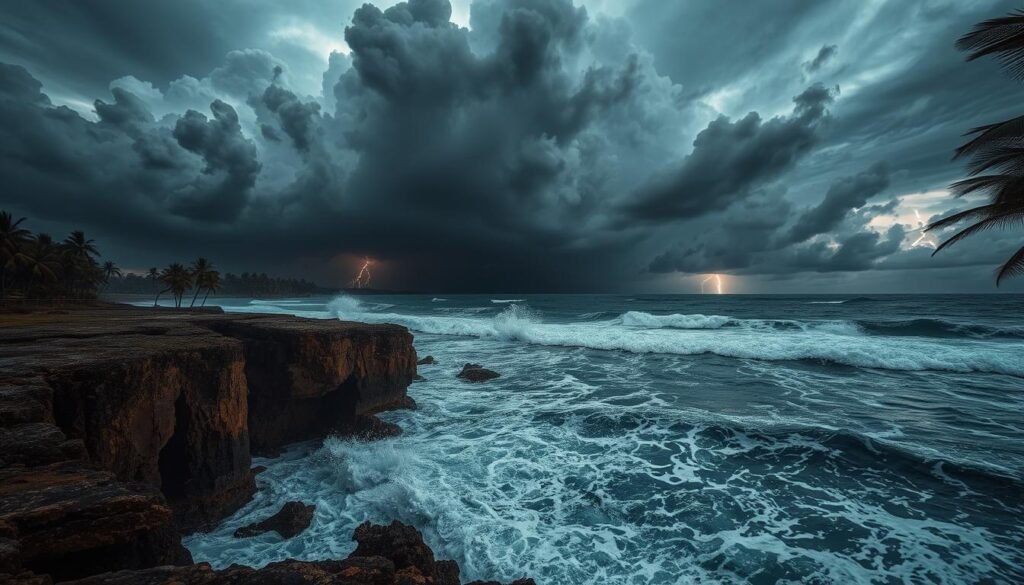
Current Weather Alerts in Tamil Nadu and Andhra Pradesh
The India Meteorological Department (IMD) has issued urgent weather alerts for both Tamil Nadu and Andhra Pradesh. These alerts signal significant changes in the region’s climate. Heavy rainfall is expected over the next few days, affecting daily life across these states.
Residents must stay vigilant and prepared. Localized flooding and wind damage are possible. The evolving weather systems may disrupt normal routines. It’s important to stay informed about Tamil Nadu weather to take proactive measures.
As the Andhra Pradesh climate shifts, we encourage everyone to check the latest updates and advisories. Being prepared is key during this critical period of adverse weather conditions.
IMD Alert and Forecast for Coastal Regions
The Indian Meteorological Department (IMD) has issued a critical alert for Tamil Nadu and Andhra Pradesh. This alert comes after a detailed coastal forecast. It warns of heavy rainfall and strong winds, which could be dangerous.
People living in these coastal areas need to be alert and stay informed. The rainfall predictions show intense rain, which could lead to flooding. Knowing about these warnings helps everyone stay safe.
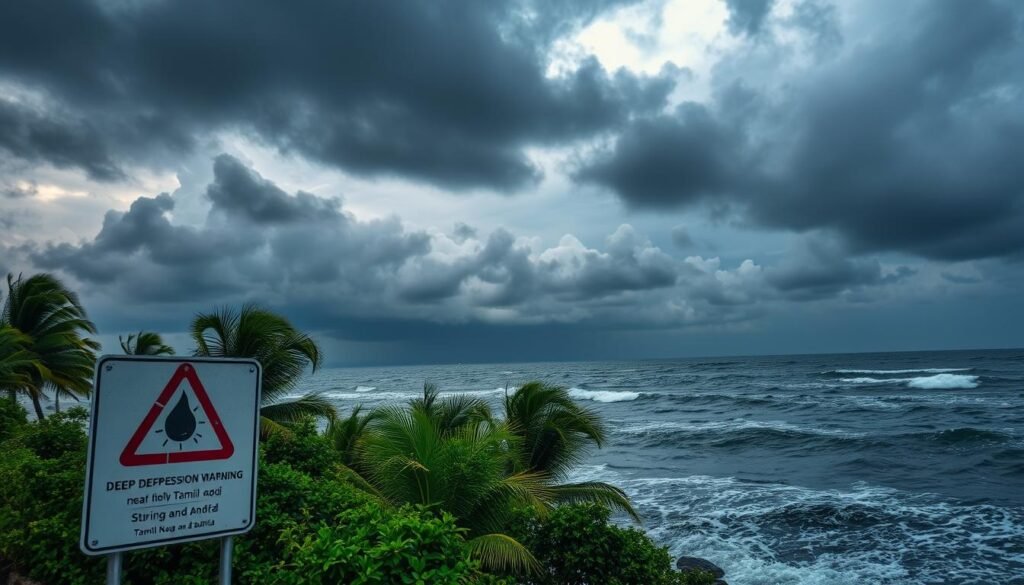
Understanding these alerts is key to keeping everyone safe. By watching IMD updates, we can all make better choices. This helps protect lives and property from the weather.
Heavy Rainfall Predictions for Tamil Nadu
Tamil Nadu is set to see a lot of rain in the coming days. This heavy rain could disrupt many areas, like farming and building projects. It’s important to know about these predictions to get ready for what’s coming.
Rainfall Duration and Intensity
The rain will hit different parts of the state in different ways. Some places might get a lot of rain for a long time. This could make it hard to get around and do daily tasks, making us worry about the state’s buildings and roads.
Impact on Agriculture and Infrastructure
The rain could be good for some farms, but too much rain is bad for crops. It might damage them and lower the harvest. Also, the rain could put a lot of pressure on the state’s buildings, like roads and bridges. This could slow down travel and important services. We need to be ready to deal with these problems.
Andhra Pradesh Weather Outlook Amid the Depression
The deep depression is affecting Andhra Pradesh’s weather, causing changes. People can expect more clouds and rain as the weather shifts. This rainfall outlook means communities should stay alert, as the rain might change in strength and length.
It’s important to adapt during these weather changes. Families and businesses should keep up with the latest weather forecasts. This helps them prepare for the depression impacts on daily life and work. Getting updates from local weather agencies is key to staying informed and responding quickly.
Potential Flood Risks in Coastal Areas
Coastal areas, like those in Tamil Nadu, face big flood risks. This is true during weather events like the current deep depression. Knowing the history of flooding in Tamil Nadu helps us understand how to prepare and reduce coastal flooding.
Historical Context of Flooding in Tamil Nadu
Tamil Nadu has seen many severe floods over the years. These floods have had a big impact on communities. They show why it’s key to assess flood risks and plan for disaster management.
The floods of 2015 showed how vulnerable urban areas are. This led to a focus on making cities more resilient and prepared for emergencies.
Preparation Measures in Affected Regions
To fight flood risks, affected areas have taken steps. Local authorities have started community drills to raise awareness and improve response to floods. They’ve also worked on better managing reservoirs to handle too much rain.
This aims to lower the chance of overflow. Emergency services are ready to help people in need.
Safety Guidelines for Residents
People living in areas with severe weather should focus on safety. It’s important to have emergency kits ready with food, water, and medications. Also, make sure your home is secure by fixing windows and doors.
Keeping up with weather forecasts is key. This way, you can prepare for any changes that might happen in your area.
Being ready for emergencies is a team effort. Join local workshops to learn how to respond to disasters. Working together in your neighborhood makes everyone safer. By sharing knowledge and resources, we can face any challenge that comes our way.
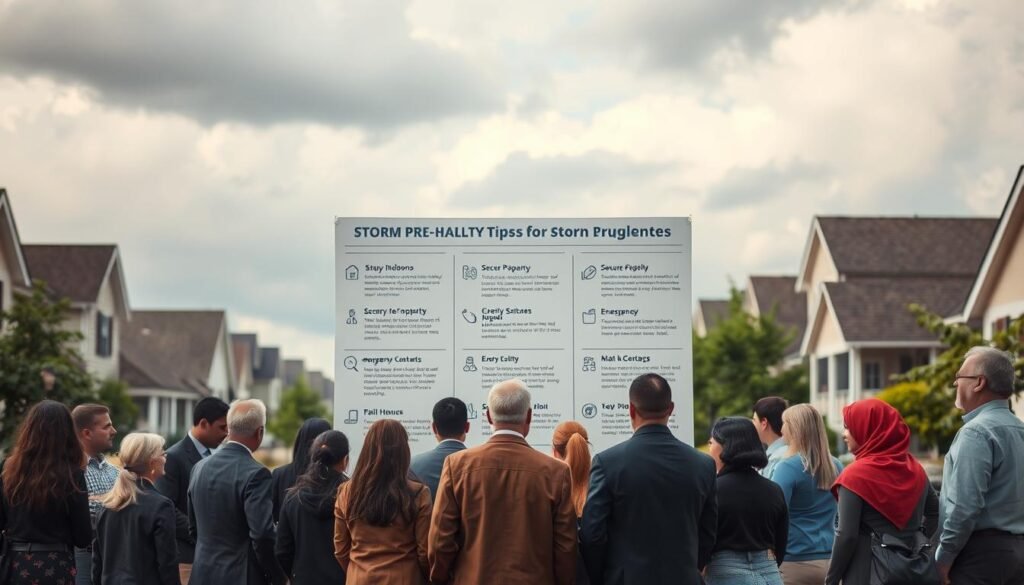
Response from Government Authorities
When severe weather hits, the government plays a critical role in keeping people safe. They focus on emergency preparedness, like the current deep depression in Tamil Nadu and Andhra Pradesh. Their goal is to reduce risks and protect communities through good coordination and evacuation plans.
Emergency Services and Evacuation Plans
Emergency teams are ready to help, following government orders. They send out rescue teams, give out vital supplies, and provide medical help. A solid evacuation plan is key, showing people how to get to safe shelters.
These plans make sure everyone knows what to do in danger. They help local agencies work together fast, making communities stronger during tough times.
Public Awareness and Communication Strategies
Keeping communities informed during bad weather is key. Official agencies send out clear messages. This way, people get the latest updates on risks.
Using many ways to share info, like social media and local meetings, helps more people. These efforts make sure everyone gets the important news. Workshops let people talk to experts, ask questions, and learn how to stay safe.
Teaching people about weather helps make communities stronger. Knowing about natural events helps people act fast and stay calm in emergencies. Strong public awareness efforts make communities safer and closer together when faced with challenges.
Impact on Fisheries and Coastal Communities
The fisheries sector often faces big challenges during weather disturbances. These issues affect both the economy and food security. As the deep depression approaches the coast, fishermen and coastal communities show their strength and readiness.
It’s important to understand how these disturbances affect fisheries. This knowledge helps keep these important livelihoods going.
Preparations for Fishermen
Fishermen in coastal areas are getting ready to protect their boats and gear. They make sure their vessels are secure and check if their fishing equipment is safe. Sharing info about local marine conditions is key to keeping all fishermen informed of risks.
Working together, fishermen create a supportive community. They share resources and follow safety advice from local authorities. This helps reduce the impact of the weather on their work.
Long-term Weather Patterns in the Region
Looking at long-term weather patterns helps us understand cyclones better. Cyclone Ditwah is a recent example. It shows how past cyclones have changed the region.
Previous Cyclones and Their Aftermath
Previous cyclones have caused big problems for communities. They damage buildings, hurt farms, and make recovery hard. By studying these events, we can better prepare for the future.
Climate Change Effects on Weather Extremes
Climate change makes extreme weather, like cyclones, worse. This is a big worry for areas at risk. We need to focus on adapting to these changes to keep communities safe.
Monitoring and Reporting by Meteorological Agencies
Meteorological agencies play a key role in keeping us safe during bad weather. They use predictive tools and satellites to collect data in real-time. This data includes things like temperature, humidity, and wind.
These agencies work together to monitor weather systems. They use both ground reports and satellite images. This way, they can give us updates on weather threats quickly. This helps build trust in the community, making them ready for extreme weather.
Conclusion
The transition of Cyclone Ditwah into a deep depression offers key insights into weather dynamics and their effects on communities. It’s vital to grasp these changes, given the immediate dangers of heavy rain and flooding. Our goal is to improve weather readiness and find effective ways to deal with such events.
This situation also shows the importance of community strength. By sharing knowledge and finding new solutions, we get better at handling natural disasters. Working together with local officials and experts, we can tackle the current Cyclone Ditwah issues in India. We also get ready for future storms.
Let’s keep learning from these experiences and prepare ourselves and our communities for disaster management. Investing in safety and educating people helps us build a stronger future. We can face nature’s unpredictability with confidence.