



After a tragic incident with Air India, the CEO made a key statement on aviation safety. This was his first public address on the topic. He promised to make the necessary changes to improve the airline.
The crash has raised big questions about safety and passenger care. The CEO’s words show a commitment to better safety standards at Air India and in the industry.
Overview of the Tragic Air India Crash
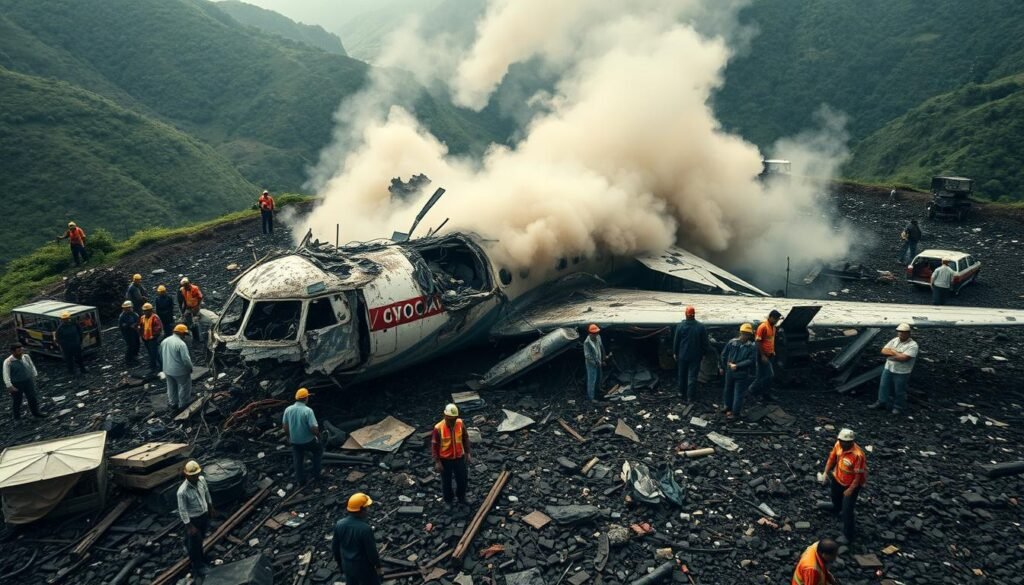
The crash of an Air India flight was a series of tragic events. It shocked everyone in the aviation world. The Air India crash details show the plane had big problems before it crashed. Weather, mechanical issues, and human mistakes were all involved.
Looking at the crash timeline helps us understand what happened. At first, everything seemed fine. But soon, there were big changes in altitude. This raised big safety concerns.
Our analysis shows how important it is to follow safety rules and train well. We aim to learn from these disasters to make flying safer for everyone.
Air India CEO’s Commitment to Aviation Safety
The recent tragedy has led the CEO of Air India to make a bold plan for better aviation safety. This plan includes checking and improving current safety rules. It also focuses on training pilots and ground staff to keep up with the latest safety practices.
Working with industry experts is key to this strategy. It helps Air India stay ahead of safety standards. This effort shows the airline’s dedication to safety, aiming to win back passenger trust.
Impact of the Crash on Air India’s Reputation
The recent crash has hit Air India’s reputation hard, leading to a lot of public attention. Social media is filled with talks about safety concerns. Many people question if the airline really cares about keeping passengers safe.
Passenger trust is key in the airline world, and this crash’s effects will last for a long time. Surveys show that travelers’ confidence has dropped. They might choose other airlines, showing Air India needs to rethink its marketing and how it shares information.
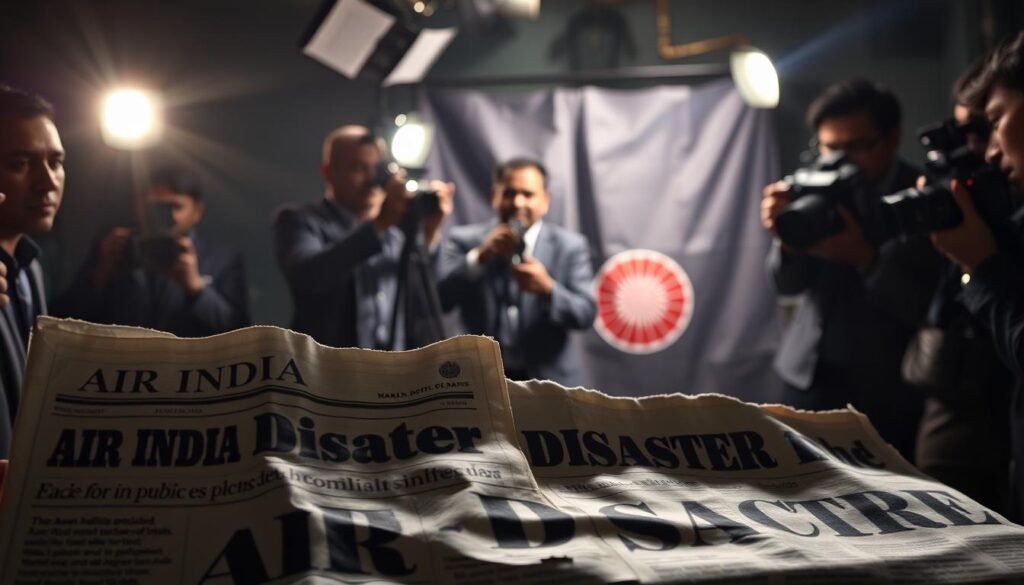
After this incident, Air India must take action. It’s important to listen to customer feedback and improve safety measures. The airline also needs to be open and honest to regain trust.
Key Internal Protocols for Enhanced Safety
Air India is making big changes to improve safety after recent incidents. They are focusing on making flying safer for everyone. Regular checks on aircraft are key to this effort, making sure everything works right.
Training for crew members is also a big part of their plan. This training keeps staff up-to-date with the latest safety rules. It helps them be ready for any situation. Following strict safety rules also shows the airline’s dedication to safety.
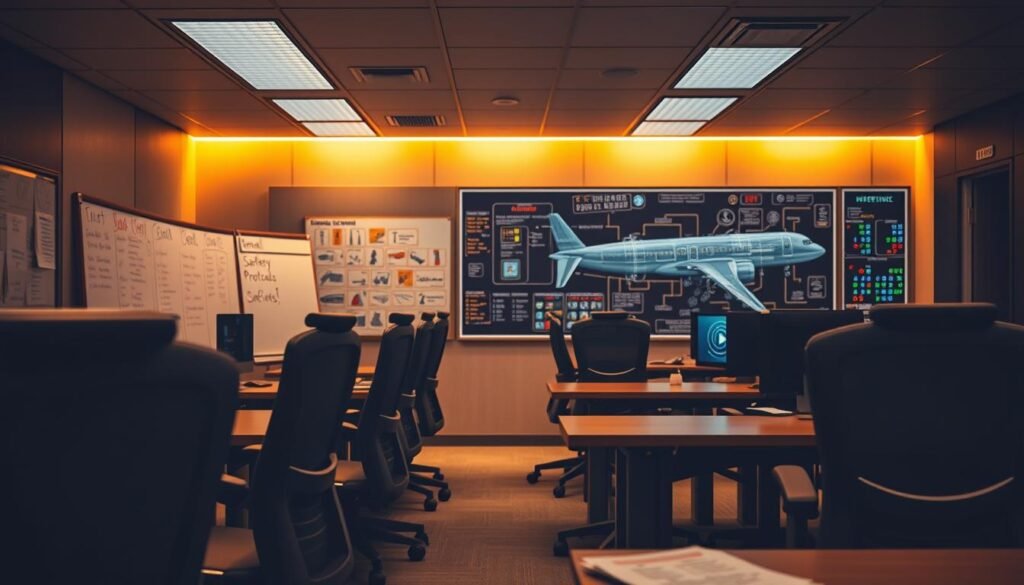
Looking at these steps, we see how Air India wants to make flying safer. They are taking action to prevent more problems. Their goal is to make sure passengers feel safe and cared for.
Public Reaction to CEO’s Statements
The public has mixed feelings about the CEO’s words after the tragic event. Some people are hopeful, seeing the airline’s efforts to make flying safer. They point to new training and safety rules as positive steps.
But, not everyone is convinced. Some doubt if the airline can really make things better. They want to see real changes and proof that these promises will be kept.
The media has played a big role in how people feel. They see the CEO’s words as a chance to win back trust. Yet, opinions vary, with some saying the airline’s good intentions need to be shown in action. As Air India continues, the talk about safety will shape how people feel about flying and the airline’s reputation.

Regulatory Framework and Oversight in Aviation
The rules that govern aviation are key to keeping passengers safe in India and worldwide. The Directorate General of Civil Aviation (DGCA) is at the heart of these rules. It makes sure airlines follow safety standards, both national and international.
The DGCA checks airlines regularly to see if they’re ready for any situation. This includes normal flights and emergencies. Their work helps keep air travel safe and reliable. They work with many groups in the aviation world to improve safety.
Following global standards is also important for the DGCA. India follows rules from the International Civil Aviation Organization (ICAO). This helps Air India and other airlines meet safety standards, making travel safer for everyone.
Airlines and regulators work together to keep aviation safe. They make sure everyone is responsible for safety. Knowing about these rules helps us see how safety is always being improved in air travel.

Lessons Learned from the Air India Crash
Aviation incidents are key chances to learn and get better. The Air India crash teaches us important lessons for safer skies. We learn about crisis management, emergency plans, and hidden problems in flying.
Improving crisis management is vital. Training teams to act fast in emergencies can save lives. Emergency plans need to be practiced often, so everyone knows what to do in trouble.
Looking at the system’s weaknesses is also important. Fixing these issues can stop future disasters. Using lessons from past incidents helps airlines always improve and stay alert.
| Key Areas | Lessons Learned | Recommended Actions |
|---|---|---|
| Crisis Management | Improved readiness during crises | Regular training and simulations |
| Emergency Response | Effective coordination among teams | Periodical drills and assessments |
| Systemic Flaws | Identification of hidden weaknesses | Continuous auditing and feedback integration |
These lessons help build a strong safety culture in aviation. Focusing on safety at all levels in airlines makes flying safer and reduces risks.
Future Plans for Air India’s Safety Enhancements
Looking ahead, Air India plans to make big strides in safety. They will invest in new aircraft technology to lower risks. They also aim to review and update safety protocols to meet global standards.
Passenger safety will be a key focus for Air India. They plan to share more about safety measures with passengers. This will help build trust and encourage everyone to follow safety rules.
Expect Air India to use the latest technology for safety. This could include real-time monitoring of flights. Their goal is to set new safety standards in the aviation industry.
Role of Technology in Improving Aviation Safety
The aviation industry is seeing big changes thanks to new technology. Safety standards are getting better because of it. Things like artificial intelligence, data analytics, and predictive maintenance are making a big difference.
AI helps analyze flight data in real time. It finds problems before they become big issues. This means planes can be fixed during flights, not after something goes wrong.
Data analytics helps airlines look at lots of information. They can find trends that show where safety might be a problem. This helps them make their flights safer.
Predictive maintenance is another big help. It lets airlines check on planes and fix things only when needed. This cuts down on downtime and makes sure planes are always safe.
These new technologies are making the aviation world safer. Airlines like Air India are using them to build trust with passengers. They show that safety is their top priority.
Industry Comparisons: How Air India Stacks Up
To understand Air India’s place in the aviation world, we compare it with other airlines. This look at Air India comparison with both home and global airlines gives us key insights. We focus on safety, fleet management, and training to improve airline safety.
A table below shows important stats from different airlines. It shows how Air India matches up with industry standards:
| Airline | Safety Record | Fleet Management | Employee Training Hours | Customer Satisfaction Score |
|---|---|---|---|---|
| Air India | 3.5 Stars | Modern and Diverse | 50 hours/year | 75% |
| Domestic Competitor A | 4 Stars | Modern Fleet | 70 hours/year | 80% |
| Global Carrier B | 4.5 Stars | Advanced Management | 80 hours/year | 85% |
This comparison shows where Air India shines and where it needs to get better. To meet or beat industry standards, Air India must focus on safety, fleet management, and training. These steps will help strengthen its standing in global aviation.
Potential Challenges Ahead for Air India
Improving safety and performance is a big task for Air India. Adding new tech to the aviation world is hard. It needs money and training, which puts a strain on resources.
Money is a big problem, making it hard to bring in new ideas. The cost of making things better can be tough, given the competition. Airlines are always looking to save money.
How people see safety is key to Air India’s success. Keeping things open and building trust is a big challenge. By talking openly and showing safety efforts, Air India can win back trust.
| Challenges for Air India | Details |
|---|---|
| Technological Integration | Adopting advanced safety systems and training protocols. |
| Financial Constraints | Limited budget affecting new projects and innovations. |
| Public Perception | Managing confidence in safety procedures and operations. |
| Operational Costs | Balancing cost with the need for safety enhancements. |
Conclusion
The recent Air India tragedy reminds us of the critical need for aviation safety. It shows how important safety is for the airline’s future. Air India’s safety promise is more than a duty; it’s a guarantee of safety for all passengers.
To regain its place in the airline world, Air India must focus on safety. By using strict safety rules and being open with passengers, it can turn a crisis into a chance to grow. This could lead to a safer future for all airlines, encouraging new safety ideas.
As we look ahead, Air India must learn from its past and use new technology and practices. This focus on always getting better will help rebuild trust and make flying safer for everyone. By working together on safety, we can create a safer travel experience for people everywhere.