



Ladakh is in the heart of the Indian highlands. It shows nature’s beauty and is a place of unique traditions. Known as “India’s Roof of the World,” it has stunning mountains and cold deserts.
As we explore Ladakh, we’ll see its rich culture. We’ll learn how ancient customs and modern life mix here.
Leh, the capital, is full of life. The Buddhist monasteries are peaceful. Each part of Ladakh shows its soulful side. Let’s explore Ladakh’s beauty and culture together.
Introduction to Ladakh
Ladakh is a stunning part of the Indian subcontinent. It lies between the Karakoram and Himalayan ranges. This place is a gateway for those who love adventure and beauty.
An introduction to Ladakh shows a landscape unlike any other. It has cold deserts, arid mountains, and deep blue skies. This creates a breathtaking view.
The culture and geography of Ladakh are shaped by its history. It was once a key spot for ancient trade routes. This has made Ladakh a place of diverse traditions and practices.
Visitors can enjoy colorful festivals and traditional music. These experiences give us a glimpse into the Ladakhi way of life.
When you travel to Ladakh, you’ll meet very friendly people. Their lives are deeply connected to nature. Every moment here is not just memorable but also changes you.
Geographical Features of Ladakh
Ladakh is a place of breathtaking beauty, often called the “Cold Desert.” It’s known for its stark beauty and dramatic mountain ranges. These features make Ladakh a unique corner of India.
Majestic Mountain Ranges
The Himalayas and Zanskar mountain ranges in Ladakh are stunning. They tower over the landscape, creating a dramatic backdrop. These mountains affect the weather and support a variety of plants and animals.
Cold Desert Landscapes
Ladakh’s cold desert is rugged and harsh. Yet, it supports a wide range of life. The landscape, from dry riverbeds to sparse vegetation, shows nature’s ability to thrive in tough conditions.
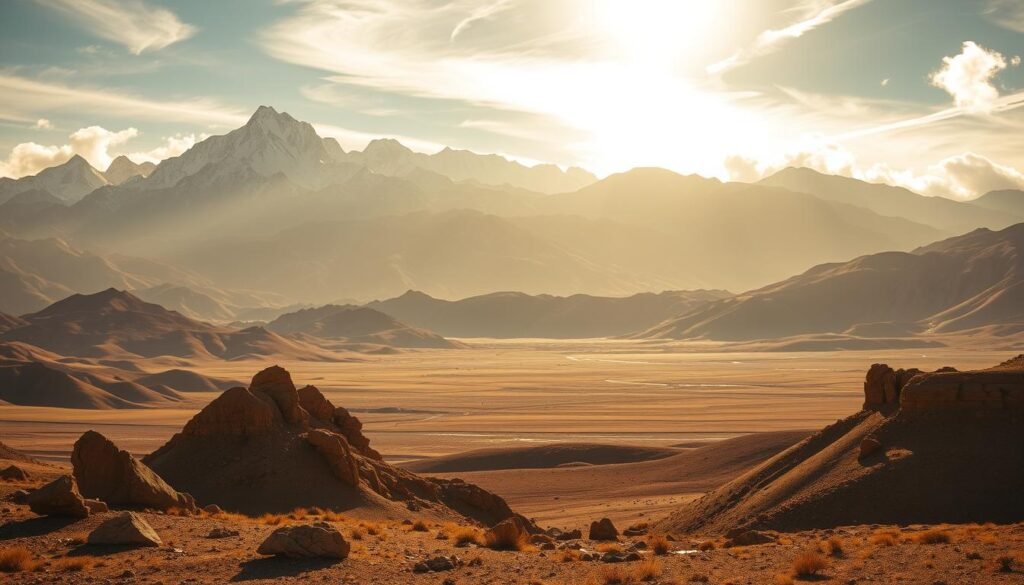
The Richness of Ladakh Culture and Geography
Exploring Ladakh’s culture and landscapes shows us how its people live. The region’s beauty and harshness shape their customs. This has helped them adapt and thrive through farming and herding.
The land and its people are closely tied. Farming, for example, depends on the limited water from glaciers. Ladakhi people grow barley and wheat, despite the dry climate. They also raise animals for milk and wool, essential for their lives.
Ladakh’s culture shines through its crafts. Artisans make beautiful textiles, pottery, and woodwork. These crafts reflect Ladakh’s traditions and the beauty of its surroundings. Festivals and gatherings celebrate their heritage, with music, dance, and food against stunning mountain views.
In summary, Ladakh’s geography and culture are deeply connected. This connection shows the Ladakhi community’s adaptability and creativity. It tells a story of resilience and beauty in this magical place.
Historical Significance of Ladakh
Ladakh is special in history, thanks to its ancient trade routes. These routes helped move goods and ideas between places. It was a key spot for traders going between Tibet, Central Asia, and India.
This made Ladakh a center of cultural exchange. It shaped the region’s diverse identity over time.
Ancient Trade Routes
The trade routes in Ladakh were like veins of commerce. They connected places and enriched local traditions. Merchants carried goods like silk, spices, and stones.
They also brought new beliefs and practices. These interactions helped create Ladakh’s rich history, seen in its culture today.
Cultural Exchanges Across Borders
The trade routes had a big impact on Ladakh’s culture. Different religions, foods, and art forms mixed together. This created a unique cultural identity for Ladakh.
This identity is important globally. It shows Ladakh’s lasting influence on culture.
Exploring Leh: The Heart of Ladakh
Leh, the capital of Ladakh, is a vibrant mix of culture and commerce. It’s a place where you can explore bustling markets and try delicious food. You can dive into Leh’s traditional tastes and enjoy outdoor adventures in its stunning landscapes.
Local Markets and Cuisine
The local markets in Leh are a treat for the senses. They are filled with unique crafts and products that show the region’s rich heritage. You can find everything from handwoven textiles to beautiful jewelry. The markets are lively, with local vendors eager to share their creations.
Leh’s cuisine is a must-try, with dishes like thukpa, a hearty noodle soup, and momos, tasty dumplings. Trying these dishes lets you connect with Ladakh’s food traditions.
Adventure Activities in Leh
Leh is a dream destination for adventure lovers. It offers a range of activities for all thrill-seekers. You can trek through beautiful mountain trails or go river rafting in the clear waters.
Each adventure lets you see Leh’s stunning landscapes up close. Whether it’s crossing high passes or navigating through exciting rapids, it’s an unforgettable experience.
The Spiritual Landscape: Buddhist Monasteries
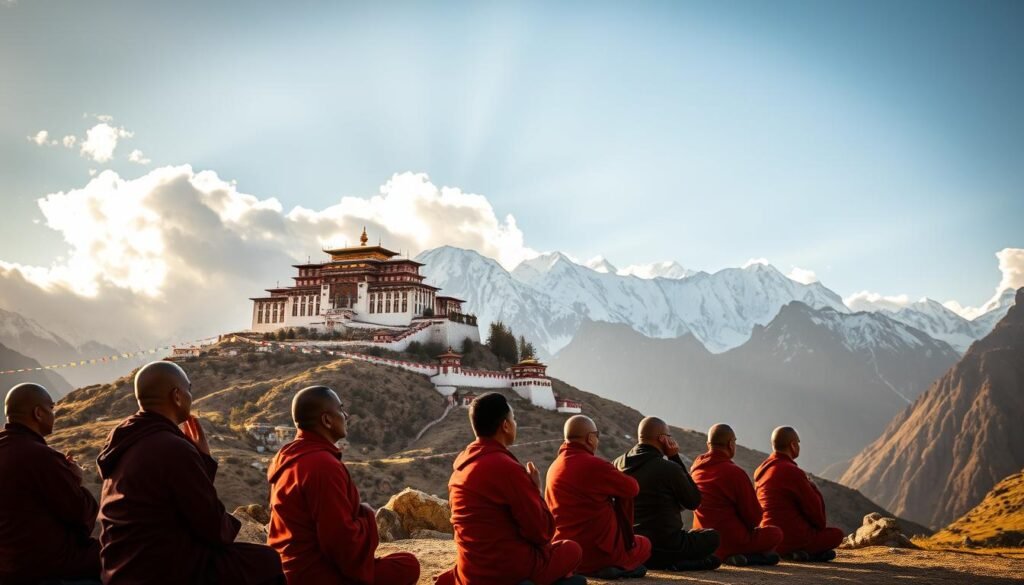
Ladakh’s spiritual landscape is filled with magnificent Buddhist monasteries. These sites show the region’s spiritual heritage and architectural beauty. They offer a chance to experience peace and solitude in the stunning mountains. Let’s explore some of the key monasteries that make Ladakh’s spirituality so profound.
Key Monasteries to Visit
The monasteries of Ladakh showcase its vibrant culture and calm spirit. Some notable places include:
- Hemis Monastery: Famous for its annual festival and beautiful murals.
- Thiksey Monastery: A symbol of Tibetan architecture with amazing views.
- Diskit Monastery: Houses the massive Maitreya Buddha statue, overlooking the Nubra Valley.
Experiencing Peace and Solitude
Each monastery is a sanctuary, welcoming visitors to meditate and reflect. The atmosphere helps you connect deeply with the spiritual landscape. The monks’ chants and the quiet surroundings help you find yourself in moments of solitude.
Ethnic Communities of Ladakh
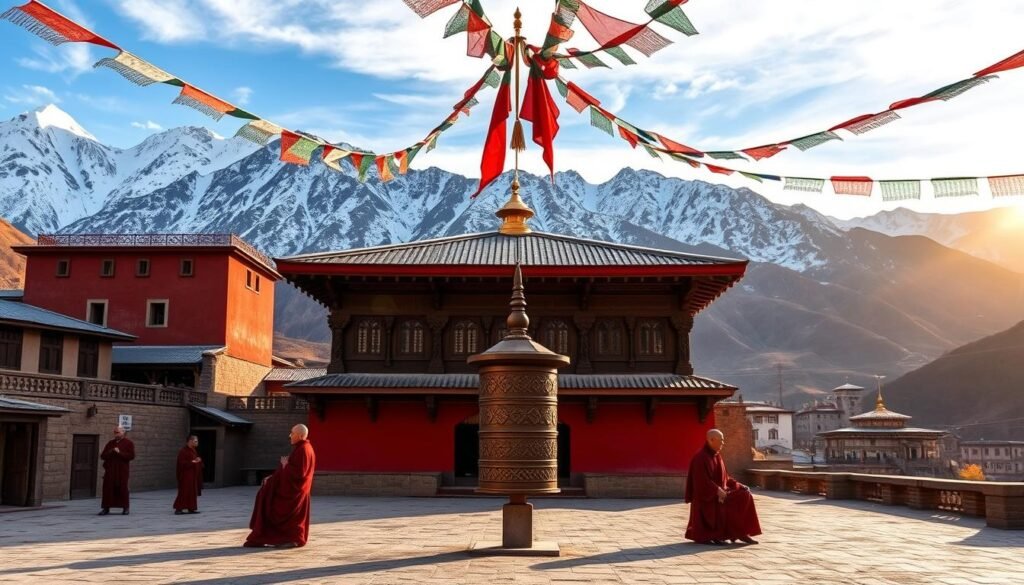
Ladakh is home to many ethnic communities. Each one adds to the rich tapestry of traditions and cultural expressions. They celebrate their heritage with vibrant festivals, showing off unique customs and practices.
Their celebrations reflect their deep connection to the land and history. This connection is strong and meaningful.
Traditional Festivals and Celebrations
Losar and Hemis are two of the most notable festivals. During Losar, families gather to celebrate the Tibetan New Year. They enjoy music, dance, and feasts.
Hemis is the largest festival in Ladakh. It features the Cham dance, filled with spiritual symbolism. These festivals show the joy and identity of Ladakh’s ethnic communities.
Artisanal Crafts and Skillsets
Artisanal crafts showcase the skill of Ladakh’s ethnic communities. Pashmina weaving and thangka painting are more than art. They are vital cultural expressions.
Each piece shows the dedication and craftsmanship passed down through generations. These crafts help preserve heritage and provide economic support. They also strengthen community bonds in Ladakh.
Mountain Passes: The Gateway to Adventure
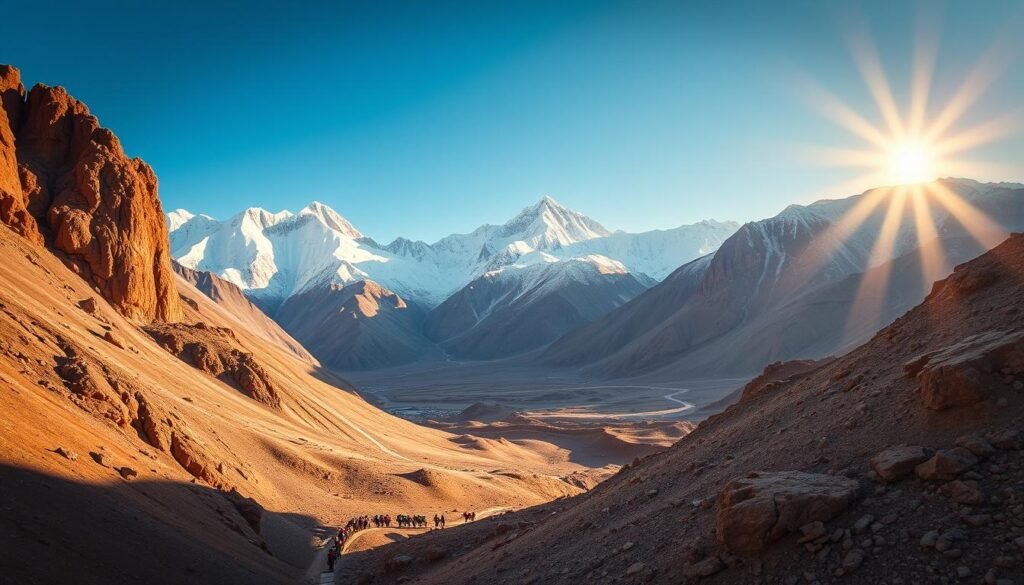
Ladakh’s rugged terrain is known for its stunning mountain passes. These make it a top spot for adventure lovers. Khardung La, one of the highest roads you can drive on, offers an exciting challenge. It tests both people and vehicles as they travel through these high passes.
Chang La is another key pass, connecting different parts of Ladakh. It offers breathtaking views of the landscape. Travelers get to see vast skies and feel a sense of accomplishment as they explore.
For those who love adventure, these passes are more than just paths. They represent the true spirit of Ladakh. Traveling these high-altitude routes is an experience that goes beyond just moving from one place to another. Each pass has its own story, shaped by nature and human effort. Seeing Ladakh’s beauty up close is what draws explorers from everywhere.
Flora and Fauna of Ladakh
Ladakh is a treasure trove of biodiversity, with unique wildlife and hardy plants. Its landscapes, though harsh, support a variety of species. These species have learned to survive in tough conditions. Thanks to conservation, these ecosystems are protected from climate change and human impact.
Unique Wildlife and Conservation Efforts
The snow leopard and the Tibetan antelope call Ladakh home. These animals are symbols of the region’s rich biodiversity. Conservation groups work hard to protect these species and their homes.
They also involve local communities in conservation. This helps people understand the importance of wildlife and nature.
Botanical Diversity in Harsh Environments
Despite the challenges, Ladakh’s plants and animals are incredibly resilient. Plants grow in rocky areas, keeping the ecosystem healthy. These plants provide food and shelter for local wildlife.
By saving these plants, we help protect wildlife and keep Ladakh’s environment strong.
Cultural Traditions and Festivals
Ladakh’s vibrant culture shines through its many festivals. Each festival highlights the region’s rich heritage and community spirit. These festivals are like storytelling sessions, where old tales and practices are shared. They bring people closer together.
Vibrant Festivals Celebrating Heritage
Many festivals in Ladakh are known for their lively celebrations and deep meaning. Losar, the Tibetan New Year, is a key event. It celebrates renewal and unity. Other important festivals include:
- Hemis Festival, celebrating the birth of Guru Padmasambhava.
- Saka Dawa, commemorating the Buddha’s birth, enlightenment, and parinirvana.
- Shachukul Festival, known for its vibrant music, dance, and local rituals.
Cuisine as a Cultural Expression
Food in Ladakh is a big part of its culture. Ladakh cuisine reflects the traditions of the land. Traditional dishes use local ingredients and cooking methods.
They tell stories of the land and its people. Dishes like momos, thukpa, and skyu are more than food. They represent the love and effort families put into celebrations. These dishes help keep Ladakhi culture alive for the next generation.
Tourism in Ladakh: A Growing Industry
The tourism industry in Ladakh has grown a lot in recent years. People from all over the world are coming to see its stunning landscapes and rich culture. Eco-tourism is also becoming more popular, focusing on being green and preserving local traditions.
Eco-Tourism Initiatives
Eco-tourism helps protect the environment and respect local cultures. It teaches visitors about the local ecosystem and how to behave responsibly. For instance, community-based tourism lets locals share their way of life with guests.
This exchange promotes cultural understanding and makes sure locals benefit from tourism.
Challenges Faced by the Tourism Industry
More tourists bring both opportunities and problems. The environment of Ladakh is at risk from too many visitors, causing issues like waste and damage to habitats. Local communities also worry about losing their culture to outside influences.
It’s important to find ways to keep Ladakh’s culture and nature safe for future generations.
Tips for Traveling to Ladakh
Traveling to Ladakh needs careful planning. Knowing the best time to visit and making the right travel preparations is key. Understanding the local conditions and customs will make your trip smoother.
Best Time to Visit
The summer months, from May to September, are the best time to visit Ladakh. The weather is perfect for sightseeing and outdoor fun. You’ll enjoy clear skies and moderate temperatures.
This time also lets you explore high mountain passes. Plus, you can experience local festivals, diving deep into the culture.
Essential Travel Preparations
Before you start your trip, consider these travel tips:
- Get used to the high altitude by spending a couple of days in Leh before exploring more.
- Get any needed permits, like for restricted areas.
- Learn about local customs to show respect and awareness.
- Bring layered clothes because the temperature can change a lot during the day.
Conclusion
As we conclude our exploration of Ladakh, we see how its culture and geography come together. The stunning landscapes, with their mountains and deserts, set the stage for a rich cultural heritage. This includes traditional festivals, unique crafts, and spiritual sites.
This heritage makes Ladakh a place of wonder, giving visitors a deep experience. The natural environment and the people’s way of life are closely linked. The area’s plants and animals, along with the strong communities, show Ladakh’s beauty and challenges.
Visitors are encouraged to respect and care for this unique place. This way, they can truly appreciate its wonders. Ladakh is a perfect example of how culture and nature can live in harmony.
From Leh’s markets to the quiet monasteries on mountains, every visit is special. It helps us understand this magical place better. We hope this journey inspires you to visit Ladakh. It’s an adventure that will stay with you forever.