



Did you know some flexible part-time MBA programs have job rates over 90% soon after graduation? Yet, thousands of engineers in India are choosing short online courses instead.
We’re here to help engineering pros, students, and teachers make a smart choice for MBA in 2025. We look at the benefits of advanced degrees like better networking, higher salary, and more. We also explore the growing popularity of online learning, like MOOCs and micro-credentials.
Our main focus is India, but we use global data from schools like Ivey, UBC Sauder, and the University of Fredericton. This shows how different learning models and job outcomes can affect local students. We also talk about how business school admissions are more than just grades and tests. Things like essays, recommendations, and interviews are key for top spots.
This brief intro gets us started: we’ll discuss time, money, and career goals against the real world of higher education. For specific advice in India, reach out to us at +91 342 2662201 or info@indiavibes.today.
Understanding MBA Admission Trends for 2025
We follow changes in who applies, what employers want, and how courses are taught. This helps future students make smart choices about getting an MBA. There’s a big move towards learning in different ways and getting specific skills that go beyond regular graduate programs.

Rising Popularity of Alternative Learning
MOOCs, or massive open online courses, have grown a lot on platforms like Coursera and edX. Now, admissions teams see finishing these courses as a sign of effort and interest. This is true even if a candidate doesn’t have a strong math background.
Micro-credentials are short, focused, and all about skills. They show you’re good at things like AI or finance. Sites like edX and Coursera, along with university programs, have made these options more available. You can learn more about micro-credentials here.
People use online certificates to boost their resumes and match their future goals. Experts suggest taking specific courses six to twenty-four months before applying. This can help make your application stand out in tough graduate programs.
Traditional MBA Program Challenges
Top MBA programs are very selective. They look for the right fit, leadership skills, and clear career goals. Most need four to five years of work experience, but there are options for quicker paths.
Cost and time are big concerns. Full-time MBAs at top schools can be very expensive. So, many choose part-time or blended options. These allow you to keep working while getting the benefits of an MBA.
| Challenge | Impact on Applicants | Typical Responses |
|---|---|---|
| High competition | Lower acceptance odds; greater emphasis on unique fit | Strengthen essays, leadership examples, and targeted courses |
| Cost and opportunity cost | Financial strain; longer ROI horizon | Choose part-time or accelerated formats; employer sponsorship |
| Experience requirements | Career switchers face trade-offs | Gain targeted experience, use micro-credentials to signal readiness |
| Geographic and delivery limits | Networking and residency constraints | Opt for blended programs that include in-person residencies |
The Value of an MBA in Today’s Job Market
Advanced degrees are important in job searches across many fields. Employers look for leadership, strategic thinking, and a good understanding of finance and operations. When deciding between a full degree and short courses, think about your future and the network you’ll gain.
Top business schools have great job placement rates. Ivey graduates earn an average of $111,694. DeGroote and Schulich also have impressive average salaries, around $81,900 and $95,578, respectively. Most graduates find jobs quickly, with UBC Sauder and Schulich having employment rates of 92% and 91% within a few months.
Employers value a school’s reputation and alumni network. When applying for an MBA, highlight your fit, career services, and network access. These factors can open doors that online learning alone can’t.
Experiential learning is key to being job-ready. Programs like Ivey’s field projects and UBC’s residencies give students real-world experience. Internships and capstone projects show that graduates can apply what they’ve learned.
Key skills like finance, accounting, and leadership are essential in an MBA. Learning in a cohort setting improves teamwork and communication. These skills set MBA graduates apart from those who only learn online.
Customization is a big plus. Schulich offers many specializations, while others focus on analytics and sustainability. Specializations make your studies relevant to your career goals.
| Attribute | MBA / Advanced Degrees | Short Online Learning |
|---|---|---|
| Core Business Competencies | Structured curricula in finance, strategy, marketing, operations | Focused modules; may lack integrated scope |
| Experiential Learning | Field projects, internships, residencies, capstones | Project-based options vary by platform |
| Network & Brand | Strong alumni networks and school reputation | Limited formal networking; cohort options rare |
| Employer Perception | High placement rates; often preferred for leadership roles | Valued for specific skills; less weight for senior roles |
| Flexibility & Cost | Higher cost and time; greater credential value | Lower cost; fast skill uptake via online learning |
When applying to business school, show your career goals and relevant experience. Map your desired roles to program offerings before committing. This makes choosing between a full degree and short courses more strategic.
MOOCs: A Flexible Approach to Learning
MOOCs are a bridge between traditional education and today’s fast-paced world. They offer flexible learning options. You can learn at your own pace or join a group for more structure.
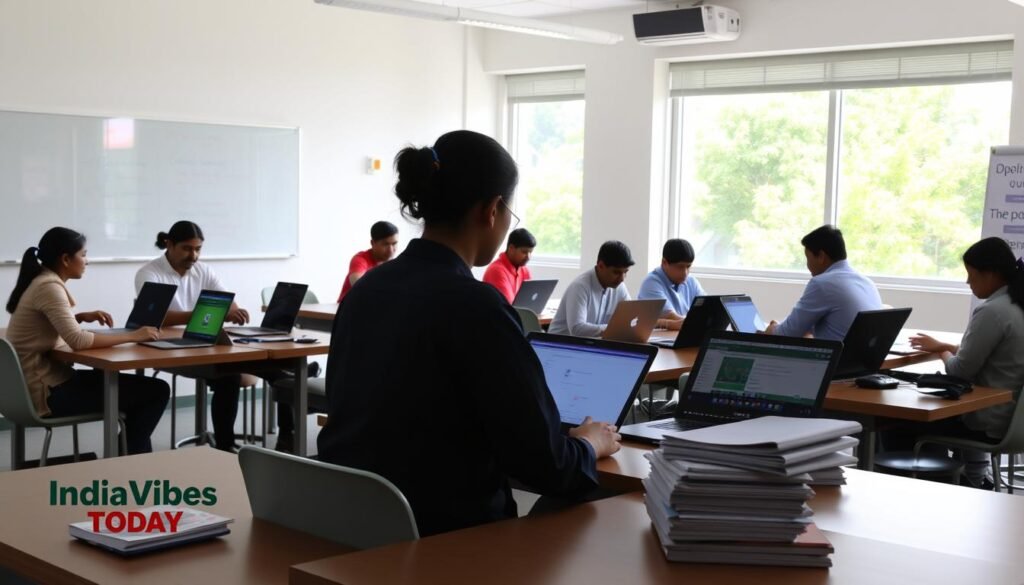
What Are MOOCs and How Do They Work?
MOOCs provide online learning through videos, readings, and quizzes. You can also get feedback from peers and take exams. This way, you can earn certificates or build specializations.
When applying for MBA programs, highlight your MOOC achievements. Share your projects and grades. Schools like the University of Pennsylvania and Harvard value this learning.
Popular MOOC Platforms to Consider
Choose platforms based on your goals. Coursera and edX offer rigorous courses from top universities. Udemy focuses on quick skill-building. LinkedIn Learning prepares you for jobs.
University extensions and branded programs offer more recognition. They support professional growth in areas like finance. Professional certifications like CFA or PMP add value to your learning.
| Use Case | Best Platforms | Typical Outcomes |
|---|---|---|
| Academic credibility for MBA admission | Coursera, edX, HBS Online | Verified certificates, specializations, university-backed credentials |
| Rapid technical skill gain | Udemy, Coursera | Hands-on projects, short capstone tasks, portfolio additions |
| Career-focused upskilling | LinkedIn Learning, UC Berkeley Extension | Role-specific modules, skill badges, recruiter-friendly summaries |
| Stackable accreditation | edX, Coursera, university extensions | Micro-credentials, specializations, pathway credits |
MOOCs started in 2008 and grew fast by 2012. For more on their history and growth, check out this summary: Massive Open Online Course.
Exploring Micro-Credentials and Their Benefits
We look into how micro-credentials change the way we learn in higher education and professional settings. These short courses are perfect for working engineers, managers, and students. They help update skills quickly through online learning.

Micro-credentials prove you know specific skills like data analytics or cloud computing. They come as digital badges or verified certificates. These can be part of bigger degree programs or continuing education.
This format is great for focused skill development. It’s cheaper and faster than many postgraduate studies.
Defining the Credential
Micro-credentials focus on proving you can do something specific. Universities, professional groups, and MOOC platforms offer them. You get recognized for specific skills, not just full courses.
This is helpful for filling skill gaps before applying for MBA or switching in postgraduate studies.
Industries Adopting Short Credentials
Technology and data companies want to see micro-credentials in AI, machine learning, and cloud computing. They show you can do the job.
Financial recruiters look for finance skills that match CFA or FRM. Management and consulting firms want to see project management and digital transformation badges. These show you’re ready for leadership.
Fields like sustainability, healthcare management, and product management use micro-credentials. They meet specific needs in hiring.
Now, higher education courses include stackable credentials in degree plans. Employers often list micro-credentials in job ads. This helps with career changes from engineering to product or business roles.
For more on micro-credentials in business education, check out this report. It’s about adoption in Canadian business schools. You can download it here.
Short Online Courses vs. Traditional Degrees
We look at the choices for working pros and new engineers. They must pick between quick skills or longer degrees. We compare costs, time, career impact, and how each fits into future studies.

Cost Implications of Each Path
Traditional MBAs are pricey: tuition, living costs, and lost income. Top programs can cost over $500,000 when all costs are added.
Part-time and blended MBAs are cheaper. They offer payment plans like Ivey AMBA and Schulich. The University of Fredericton (UFred) has pay-per-course options for working folks.
MOOCs and micro-credentials are cheaper. Sites like Coursera and edX offer affordable, university-backed certificates. Udemy has low-cost short courses. Harvard Business School Online CORe is pricier but less than a full MBA.
How much you get back varies. MBAs can boost salaries: Ivey and some North American programs can reach six figures. Short online courses can quickly improve job readiness and pay without the networking of degrees.
Time Investment: A Comparison
Full-time MBAs last 12 to 24 months with full schedules and internships. Accelerated one-year MBAs are quicker but offer less internship time.
Part-time and blended MBAs take 2 to 5 years while working. Ivey’s AMBA has a 14-month blended option for some. UFred takes 2–3.5 years, Schulich around 16–20 months for fast tracks, and three years for regular.
MOOCs and micro-credentials finish fast, in weeks to months. They can add up over a year but are shorter than degrees. This makes online learning great for those preparing for MBA admission needing quick skills.
| Path | Typical Cost Range (USD) | Typical Time | Primary Advantage | Best For |
|---|---|---|---|---|
| Full‑time MBA | $50,000–$500,000+ | 12–24 months | Strong network, brand value, salary uplift | Career changers seeking accelerated advancement |
| Part‑time / Blended MBA | $20,000–$150,000 | 2–5 years | Work-study balance, lower opportunity cost | Working professionals keeping income |
| MOOCs & Micro‑credentials | $0–$5,000 | Weeks–12 months | Rapid skill gains, low direct cost | Professionals fixing skill gaps or upskilling quickly |
| University‑backed Short Programs | $1,000–$25,000 | 1–12 months | Credential with university brand, focused content | Those seeking credible, fast certificates for CVs |
Admissions timelines vary. MBA admission needs months of prep and profile building. Two to five years of experience is typical. Short courses can be done in time for applications to show recent learning.
We advise based on fit: choose the right format for your career stage. Higher education and online learning are tools. For MBA and long-term studies, degrees are powerful. For quick skills, online options are fast and affordable.
Navigating Higher Education Courses in a Digital Era
We are at a turning point in higher education. Technology is changing how we learn, assess, and connect. In India and worldwide, we must choose the right path for our careers and lives. We’ll explore how technology fits into learning and compare online and on-campus experiences.

Integration of Technology in Learning
Technology offers many ways to learn, from live classes to online modules. Schools like UBC Sauder use special studios for interactive sessions. These sessions allow for real-time discussion and feedback.
Simulations and projects help students apply what they learn. For example, Ivey uses case studies and simulations to teach business concepts. This shows how teaching methods adapt to digital tools.
Support for students has also changed. Now, there are virtual communities and small groups for personal help. The University of Fredericton keeps its online groups small to ensure everyone gets a chance to talk and learn.
Online vs. On-Campus Learning Experiences
Online learning is great for those with jobs. It’s flexible, accessible, and often cheaper. Programs combine MOOCs, micro-credentials, and full courses to help learners build skills while working.
On-campus learning offers unique benefits. It’s good for networking and getting career help right away. Labs and residencies help students find jobs quickly.
Hybrid models aim to mix the best of both worlds. Schools like Ivey and DeGroote have online courses with occasional in-person sessions. This way, students can network while keeping their schedules.
It’s important to know the quality of your education. Look for accreditation from groups like AACSB or ACBSP. Also, check the school’s reputation. This is key for getting into a top MBA program or finding a good job.
Strategies for Successful MBA Admission
We help you take key steps to boost your MBA application. Planning, skill building, and networking are key. They can get you into top business schools in India and abroad. Follow this guide to stay on track with deadlines and program types.

Preparing your application
Start with a checklist for your application. Include tests, transcripts, recommendations, essays, and a resume. For most programs, the GMAT or GRE is essential. Executive Assessment is for EMBA candidates.
Make sure your transcripts are polished. Get two strong recommendations that highlight your leadership and impact. Your essays should tell your story, explain your career goals, and show how you’ll contribute to the class.
Choose the right application round wisely. Round 1 shows you’re serious. Round 2 is for those who’ve made late but meaningful improvements. Later rounds are riskier but might be right for specific situations.
Work on weak areas with focused efforts. Take courses in finance, analytics, or your field to improve your GPA or Quant scores. Online learning platforms and micro-credentials can help, providing projects and grades to mention in your application.
Interview prep is critical. You might face behavioral interviews, team discussions, or case prompts. By then, you should have a good chance of getting accepted. Practice stories that show your achievements, not just your tasks.
Importance of networking and references
Networking shows you’re a good fit. Attend campus events, fairs, and alumni gatherings to learn more. Talking to current students and faculty shows you’ve done your homework and align with the school’s culture.
Choose recommenders who can speak to your leadership, problem-solving, and readiness for class. Build those relationships early so they can write detailed, evidence-based letters. Use courses and online learning to show your skills, mentioning projects, scores, and results.
| Application Element | Action | Why It Helps |
|---|---|---|
| Standardized Tests | Target GMAT/GRE or Executive Assessment; plan 2-3 months prep | Quantifies readiness for quantitative coursework in graduate programs |
| Essays | Tell a clear career arc: past impact, future goals, why this school | Shows self-awareness and fit with program values |
| Recommendations | Select supervisors who provide specific examples and metrics | Validates leadership and classroom contribution |
| Remedial Learning | Complete MOOCs or micro-credentials in finance, analytics | Offsets academic weaknesses with demonstrable skills |
| Networking | Attend campus events, alumni calls, and industry meetups | Conveys fit and increases visibility during business school admissions |
| Interview Prep | Practice behavioral stories and school-specific formats | Improves composure and clarity when stakes are high |
Tailoring Education to Career Goals
We help engineering pros and students find the right learning paths. By mixing higher education courses with online learning, they can create focused plans. This strategy is great for managing time, budget, and long-term goals like getting an MBA or landing a specific job.

Personalized Learning Paths
Customizing your curriculum is key. Schools like Schulich School of Business offer many specializations. The University of Florida also has specialty streams for a more tailored study plan.
We suggest matching your job goals with the skills you need. Then, pick electives or streams to fill those gaps. This way, you can make your studies fit your career aspirations.
Micro-credentials and MOOC certificates can be combined to create a unique set of skills. For instance, mixing data analytics with product management can prepare engineers for product roles.
Planning your time and budget is critical. Options like part-time or blended MBAs, along with short online courses, keep your career moving. This approach allows for continuous learning and skill-building without stopping your income.
Aligning Courses with Industry Needs
Choosing the right credentials is important. For example, CFA for finance, PMP for project management, and AI or data certifications for tech roles. We recommend picking credentials that employers value, both in India and globally.
Opt for courses backed by universities or recognized by the industry. Programs on Coursera or edX, like Harvard Business School Online CORe, add credibility. This can boost your chances in postgraduate studies and MBA admissions.
Showing how your learning applies to real-world jobs is key. Highlight projects, internships, and consulting work in your applications and interviews. This demonstrates your skills and readiness for the job market.
| Career Goal | Recommended Stack | Timeframe | How It Helps Admissions or Hiring |
|---|---|---|---|
| Product Manager (Engineering background) | Micro-credentials: Product Management + Data Analytics; MOOC on UX | 6–12 months | Demonstrates cross-functional skills and applied project work |
| Finance Analyst | CFA Level 1 prep + University finance elective course | 9–18 months | Signals technical finance competence and commitment to postgraduate studies |
| Project Lead | PMP certification + MBA elective in operations | 6–12 months | Provides industry-recognized credential and management fundamentals |
| Data Science Specialist | Stacked micro-credentials in Machine Learning, SQL, and Cloud | 8–14 months | Offers verifiable skill set for hiring and strengthens MBA admission profile |
The Future of Higher Education Beyond MBAs
Higher education is changing. Instead of just one degree, students will have flexible, skill-based portfolios. Schools like the University of British Columbia and DeGroote are starting to offer blended MBAs. These programs mix campus learning with online modules for working professionals.
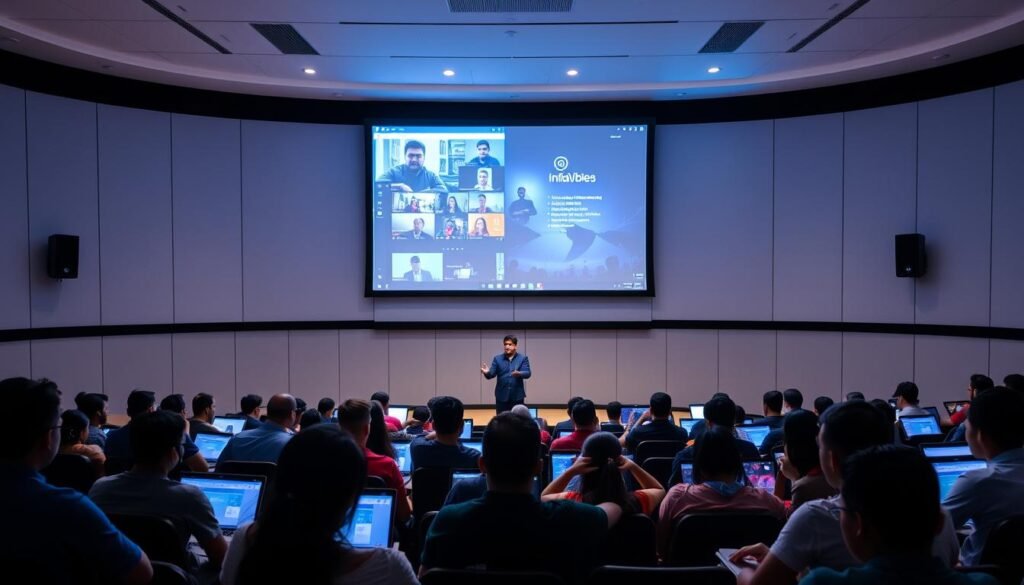
Micro-credentials and short courses will become more common. These can lead to bigger qualifications. Employers will value these skills as much as degrees, helping people change careers faster.
Predictions for Educational Trends
MOOCs will keep being key for teaching skills on a large scale. Universities will also offer more short, certified programs. Platforms like Coursera and edX will work with schools to give credit for these courses.
Universities will use AI to make learning paths personal. They will also have simulation studios for better skill checks. This will help students show they have the right skills for jobs.
Evolving Job Market Demands
Jobs will need people with both technical skills and business smarts. Micro-credentials will help people get ready for specific tasks. But, getting into an MBA will remain important for leadership roles.
In India, employers want to see real-world experience and practical skills. The CBSE and state reforms are moving towards skill-based learning. This makes it easier for students to connect what they learn in class to real jobs: skill-based education reforms.
| Trend | What Learners Gain | Employer Impact |
|---|---|---|
| Hybrid degree + online learning | Flexibility, practical labs, shorter residency | Broader candidate pool, faster upskilling |
| Stackable micro-credentials | Targeted skills, clear career ladders | Faster role-fit, reduced training time |
| MOOCs partnered with universities | Accessible content, credit pathways | Cost-effective talent pipelines |
| AI-enabled pedagogy | Personalized mastery, adaptive assessment | Reliable signals of competency |
| Project portfolios | Tangible evidence of skills | Stronger hiring confidence |
Making the Right Educational Choice for You
Choosing between a full-time MBA and online learning paths is a big decision. It depends on your career goals, budget, and how much time you have. If you want to work in consulting, investment banking, or senior leadership, a traditional MBA might be best. It offers big salary jumps and strong alumni networks.
For quick skills or a career switch, MOOCs and micro-credentials are faster and cheaper. They provide targeted skills without the high cost of an MBA.
Think about the cost: tuition, living expenses, and what you could earn instead of studying. Executive programs and part-time MBAs spread out the cost and time. Online courses and MOOCs are much cheaper, giving you access to many topics at a low price.
See this review of top MBA alternatives in 2025 for more options.
Time and life stage are important. Micro-credentials take months, while full-time MBAs last 1–2 years and part-time 2–5 years. Most schools suggest four to five years of work experience for the best results.
Getting ready for school is key. Improve your GMAT/GRE scores, build leadership examples, or take courses like HBS CORe or Coursera specializations. This shows you’re ready for graduate programs.
Look at real results: Ivey and UBC Sauder have great job numbers for MBA graduates. University of Fredericton and DeGroote also have high placement rates. Online learning can boost your application, and reapplicants often see improvements.
Plan your career, identify gaps, and set a timeline. Choose between a flexible MBA or a stack of micro-credentials that match industry needs. For advice in India, call +91 342 2662201 or email info@indiavibes.today.