



The Gujarat Agri Business Policy 2025 is a big step for an inclusive agricultural economy. It’s made to help women in agriculture and support tribal businesses. Gujarat wants to make its farming better, focusing on women and tribal groups.
Overview of the New Agri-Business Policy
The Gujarat Agri Business Policy 2025 is a detailed plan to change the agricultural scene for marginalized groups. It focuses on helping women and tribal entrepreneurs succeed in farming. The goal is to tackle their challenges and open up new chances for growth.
This policy sees collaboration as key. It brings together government, NGOs, and private companies to work together. This way, everyone can help achieve shared goals. It aims to make sure all stakeholders have a chance to grow and innovate.
For agri startups in India, this policy is a big boost. It offers resources and incentives to help new businesses start and grow. This helps both small farms and big agribusinesses face market challenges.
Empowering Women Entrepreneurs in Agriculture
The Gujarat Agri Business Policy 2025 sees women’s role in agriculture as vital. It aims to boost women entrepreneurs in this field. Women in agriculture shape their families and communities. They manage homes and contribute to farming, but lack resources and opportunities.
Importance of Women in Agri-Business
Women play a big part in agriculture, growing crops and ensuring food for all. Their skills in multitasking and managing resources are unique. But, they face barriers like limited finance and training. The policy aims to help them by focusing on:
- Training programs for women entrepreneurs in agriculture.
- More access to financial resources.
- Mentorship to connect women with agribusiness leaders.
Success Stories of Women Farmers
In Gujarat, many women have changed their farming with new ideas and support. Women-led groups in organic farming have boosted their earnings and promoted green farming. Their stories show how empowered women can impact local economies and food systems. The policy aims to spread these successes across the state.
Tribal Entrepreneurs and Their Role in Agriculture
Tribal entrepreneurs are key in Gujarat’s agriculture. They help produce food and add cultural views to farming. But, they face many challenges that stop them from growing economically and joining markets.
Challenges Faced by Tribal Farmers
Tribal farmers deal with many problems, like land rights and money access issues. These issues stop them from using new farming methods and tools. Cultural barriers also make it hard for them to join the bigger economy. It’s important to solve these problems to help tribal farmers in Gujarat grow.
Government Support for Tribal Business Models
The Gujarat agri policy wants to help tribal businesses. It aims to make a place where tribal entrepreneurs can succeed in agriculture. The policy offers training and money help to support them. It wants to help tribal communities do well in farming.
Gujarat Agri Business Policy 2025
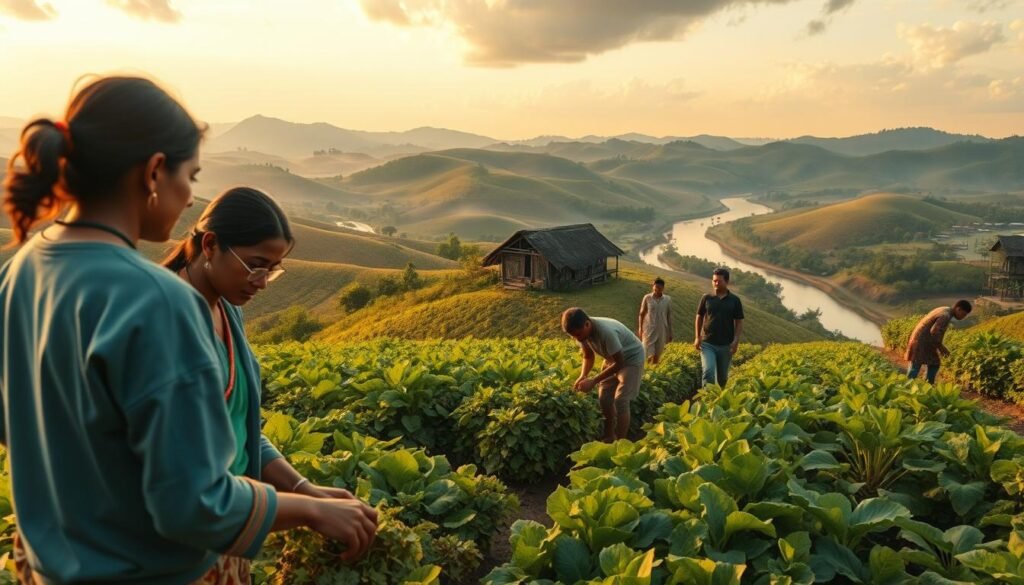
The Gujarat agri policy for 2025 is a detailed plan to change the state’s farming scene. It focuses on financial help, new tech, and support for women and tribal farmers. This policy aims to make farming businesses strong and competitive, meeting the needs of new agri startups in India.
Key Features of the Policy
Important parts of the Gujarat Agri Business Policy 2025 are:
- Financial Incentives: Money support for startups to try new farming ways.
- Technology Access: Pushing for the latest farming tech to boost output.
- Support for Women and Tribal Entrepreneurs: Special programs to help these groups in farming.
Expected Outcomes of the Policy
This policy aims to bring big benefits:
- Enhanced Competitiveness: Giving entrepreneurs the tools to succeed in today’s farming.
- Business Sustainability: Starting practices that keep agri startups going for the long haul.
- Increased Participation: Getting more women and tribal folks into farming businesses.
Incentives for Agricultural Startups in Gujarat
Financial help is key for growing agricultural startups in Gujarat. The state’s agri policy has many support plans for new agri startups in India. These efforts help entrepreneurs get the tools they need to start and keep their ventures going.
Financial Assistance Programs
The Gujarat agri policy has different financial help programs for new agri businesses. Startups can get low-interest loans and grants. This money helps them buy what they need, grow their market, and lower the risks of starting a new business.
Support for Innovation and Research
Innovation is at the core of successful agri startups in India. The policy supports research and development by linking startups with research groups and giving grants for new ideas. This teamwork helps new technologies and green practices grow. The government backs the creation of new ideas that make farming better and solve big problems.
| Incentive Type | Description | Benefits |
|---|---|---|
| Low-Interest Loans | Accessible funding options for startups | Reduce financial burden; promote growth |
| Grants | Financial aid for innovative projects | Support development of new solutions |
| Research Collaborations | Partnerships with academic institutions | Enhance technological advancements |
Gujarat’s agri policy wants to help entrepreneurs in the farming world. It aims to lead to a more innovative and green future for agri startups in India.
Implementing Sustainable Practices in Agriculture
The push towards sustainable agriculture is growing in Gujarat. This effort focuses on eco-friendly farming and protecting the environment. It’s key to keeping our land healthy for the future.
Eco-Friendly Farming Techniques
Farmers are moving towards organic farming, avoiding harmful chemicals. This approach makes crops healthier and soil better. Techniques like crop rotation and intercropping boost biodiversity and prevent soil loss.
Using water wisely is also a priority. Rainwater harvesting is encouraged to save water and cut down on runoff.
Impact on Local Ecosystems
The Gujarat agri policy aims to protect local ecosystems. Sustainable practices have a positive effect on biodiversity. They help restore natural habitats for pollinators and other beneficial organisms.
This commitment to sustainability shows we care about both the economy and the environment. It’s a win-win for everyone.
Financial Support for Women and Tribal Entrepreneurs
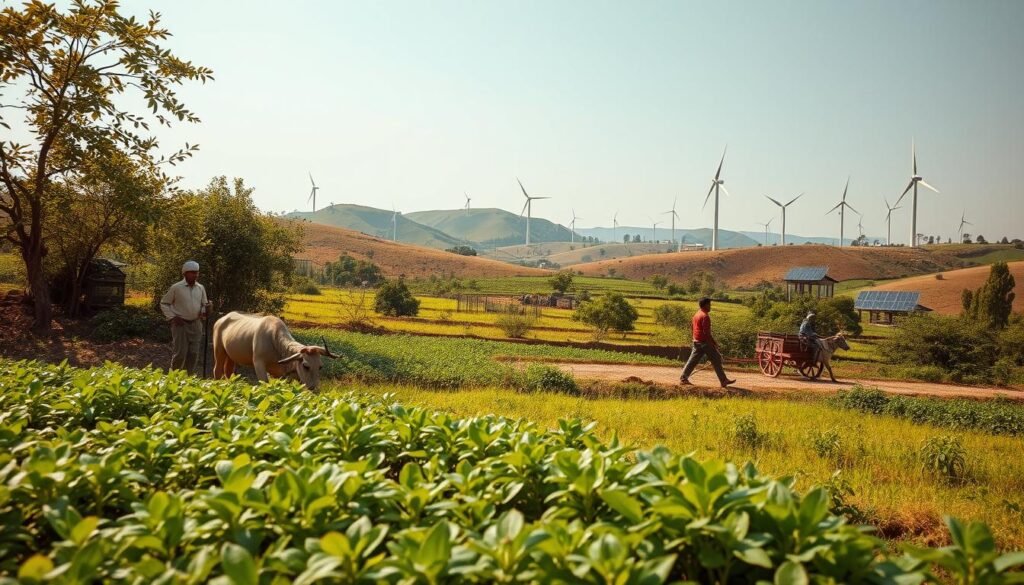
Getting money is a big challenge for women in agriculture and tribal businesses. Many efforts are being made to help them get the funds they need. This support helps them grow in the agricultural field.
Loan Schemes and Grants Available
In Gujarat, there are special loan schemes and grants for women and tribal entrepreneurs. These help by reducing the cost of borrowing. This lets them focus on growing their businesses instead of worrying about money.
- Micro-financing options tailored for small-scale agricultural projects
- Capacity-building grants aimed at skill enhancement and project management
- Subsidized loans for purchasing agricultural equipment and resources
Investment Opportunities in Agri-Business
Investing in women-led agricultural startups is very rewarding. There are great tribal business incentives for investors who want to support green farming. These efforts bring in money for agri-businesses, helping them grow.
- Public-private partnerships aiming to enhance agricultural innovation
- Funding opportunities from government and non-governmental organizations (NGOs)
- Access to investor networks focusing on sustainable agriculture
Capacity Building and Training Programs
The Gujarat agri policy highlights the need for skill improvement. It focuses on training women entrepreneurs in agriculture. These efforts aim to empower women with the tools and knowledge needed to succeed in farming.
Workshops for Women Entrepreneurs
Workshops for women in agriculture cover practical skills and strategic thinking. Participants learn about:
- Farm management techniques
- Business strategy development
- Digital literacy for modern farming and marketing
- Networking opportunities with seasoned professionals
Training for Tribal Youths in Farming
The program also offers training for tribal youths. It aims to promote agricultural innovation and responsibility. Key areas include:
- Traditional farming practices combined with modern techniques
- Sustainable land use and resource management
- Entrepreneurial skills tailored for the agricultural landscape
| Training Program | Target Group | Key Focus Areas |
|---|---|---|
| Women Entrepreneurs Workshop | Women in Agriculture | Management, Strategy, Digital Skills |
| Tribal Youth Training | Tribal Youths | Sustainable Practices, Innovation |
Engaging women entrepreneurs and tribal youths is key for agriculture growth in Gujarat. By improving their skills, the state hopes to create a community of innovative leaders in agriculture.
Creating a Network of Agri-Based Cooperatives
Creating a network of agri-based cooperatives is a big step for farmers in Gujarat. It’s part of the Gujarat Agri Business Policy 2025. This method brings farmers together, sharing resources and boosting productivity. It helps farmers face less risk and have more power when negotiating prices.
Benefits of Cooperative Farming
Cooperative farming has many benefits. Some of the main advantages are:
- Resource Sharing: Farmers can share resources, cutting down costs and improving how they use inputs.
- Market Access: Together, farmers can reach more people, getting their products to a wider audience.
- Knowledge Exchange: Members share knowledge and new ideas, helping everyone learn and grow.
- Financial Strength: Working together, farmers can negotiate better prices for what they buy and sell.
Examples of Successful Cooperatives
There are many successful cooperatives in Gujarat:
| Cooperative Name | Focus Area | Year Established | Key Achievements |
|---|---|---|---|
| Gujarat Cooperative Milk Marketing Federation | Dairy Farming | 1973 | Global leader in dairy, boosting income for farmers |
| Sabarkantha District Cooperative Marketing Society | Fruit and Vegetable Marketing | 1980 | Enhancement of agricultural exports and local farmer earnings |
| Rajkot Agri-Cooperative | Cereal and Pulses Farming | 1995 | Implementation of sustainable practices and organic farming |
Role of Technology in Agricultural Development
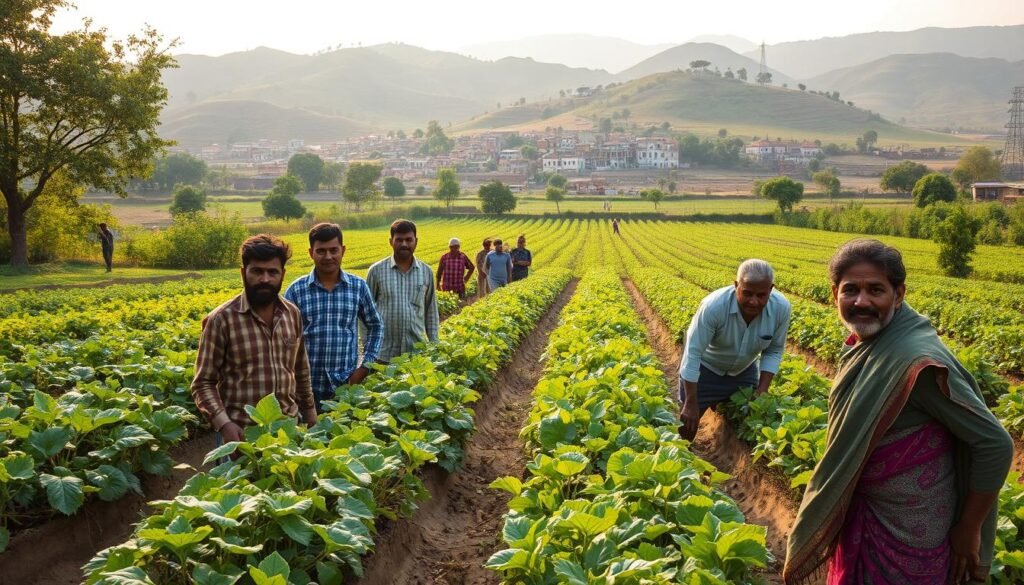
Technology is changing farming in Gujarat in big ways. New tools like precision farming and data analytics help farmers a lot. The Gujarat Agri Business Policy 2025 wants to use technology to make farming better and more efficient.
Innovations in Agri-Tech
IoT and drones are changing farming. They let farmers check soil, weather, and crop health easily. These tools make farming better and help the environment.
Farmers get advice based on data. This helps them grow crops better.
How Technology Supports Tribal and Women Farmers
Technology helps tribal and women farmers a lot. It gives them the same chances as others. They learn how to use technology to grow more and waste less.
Online platforms help them sell their products. This makes their business better and more profitable.
Market Access and Supply Chain Improvements
Improving market access for farmers is key in the new agri-business policy. It focuses on helping women and tribal entrepreneurs. The goal is to link rural farmers with bigger markets, boosting their earnings.
This plan includes local markets and online sales. It makes supply chains more efficient.
Connecting Farmers to Markets
Direct links between farmers and markets help farmers make more money. They can sell their products more easily. This is good for tribal businesses too.
Working with local stores, wholesale markets, and online shops helps. It makes sure products get to people quickly and smoothly.
Fair Trade Practices for Women and Tribal Entrepreneurs
Fair trade is important for women and tribal farmers. It makes sure they get paid fairly for their work. This helps them live better lives.
It also helps tribal communities grow economically. This fits with the goals of fairness and equality.
| Initiative | Description | Benefit |
|---|---|---|
| Local Farmer’s Markets | Platforms for direct sales from farmers to consumers. | Higher profits with lower overhead costs. |
| E-commerce Integration | Online platforms connecting farmers to a national audience. | Expanded reach and increased sales. |
| Collaborations with Retailers | Partnerships with local grocery chains for product placement. | Better market visibility and consistent sales. |
| Fair Trade Certification | Ensures equitable compensation for farmers. | Stronger community support and sustainable practices. |
Monitoring and Evaluation of the Policy
The success of the Gujarat Agri Business Policy 2025 depends on good monitoring and evaluation. These steps are key to seeing how the policy affects farming, market access, and the lives of women and tribal entrepreneurs. By setting up strong metrics, everyone can make sure the policy stays effective in a changing farming world.
Metrics for Success
Key performance indicators (KPIs) are important for checking if the policy works. The main metrics include:
- Agricultural output levels as a measure of productivity
- Market participation rates to gauge accessibility
- Income levels of beneficiaries to evaluate economic impact
By tracking these, we can see how well things are going. We can find what needs work and make the policy better for everyone.
Feedback Mechanisms from Stakeholders
Listening to women and tribal entrepreneurs is key. Regular feedback helps keep the conversation going between those making the policy and the farming community. This way, we get important ideas and worries that help shape the policy. It also makes everyone feel more involved and connected.

The Role of NGOs and Civil Society
NGOs and civil society groups play a key role in the Gujarat Agri Business Policy. They work closely with state and local bodies. This helps them reach out to different agricultural communities effectively.
By engaging with civil society, these groups help empower stakeholders. They make processes smoother, creating a welcoming space for community growth.
Partnerships with State and Local Bodies
Working with governments helps in better resource use and policy action. NGOs can then set up programs that meet the needs of women and tribal farmers. These programs focus on skills, market access, and sustainable farming.
- Leveraging local knowledge to drive tailored solutions.
- Creating awareness around financial support systems.
- Building networks to link farmers with consumers.
Case Studies of Successful Collaborations
Looking at successful NGO partnerships shows their power in farming development. For example, a local NGO teamed up with the Gujarat government to boost farming methods. This led to better crops and stronger communities.
Such stories are great examples for future civil society work. They show how effective partnerships can really make a difference.
Future Prospects for Agri-Business in Gujarat
The future of farming in Gujarat looks bright, thanks to women and tribal entrepreneurs. The Gujarat Agri Business Policy 2025 has a clear plan. It aims to make farming sustainable, innovative, and accessible to all.
This policy wants to boost farm productivity. It also wants to help women entrepreneurs grow, making them a big part of the economy.
Long-Term Vision for Women and Tribal Entrepreneurship
Education and technology are key for women and tribal entrepreneurs. Giving them the right tools will help them succeed. They need better market access and support to grow.
Potential Influence on National Agri-Policies
Gujarat’s approach could inspire national farm policies. It could help women and tribal entrepreneurs everywhere. By focusing on new ideas and sustainability, Gujarat’s plan could change farming nationwide.
Conclusion
The Gujarat Agri Business Policy 2025 is a big change for farming. It focuses on making farming better for everyone. This includes helping women and tribal farmers grow their businesses.
This policy aims to make farming more equal and grow the economy. It uses new ideas, money support, and green farming practices. This is a complete plan to improve farming.
Working together is key to making this policy work. Governments, NGOs, and local groups must team up. Their efforts will make sure everyone can help farming grow strong.
By working together, we can build a farming future that is fair and strong. This future will support everyone involved in farming.