



Transforming metal casting operations through intelligent virtual replicas that predict, optimize, and revolutionize foundry performance in real-time.
The Digital Twin Revolution in Metal Casting
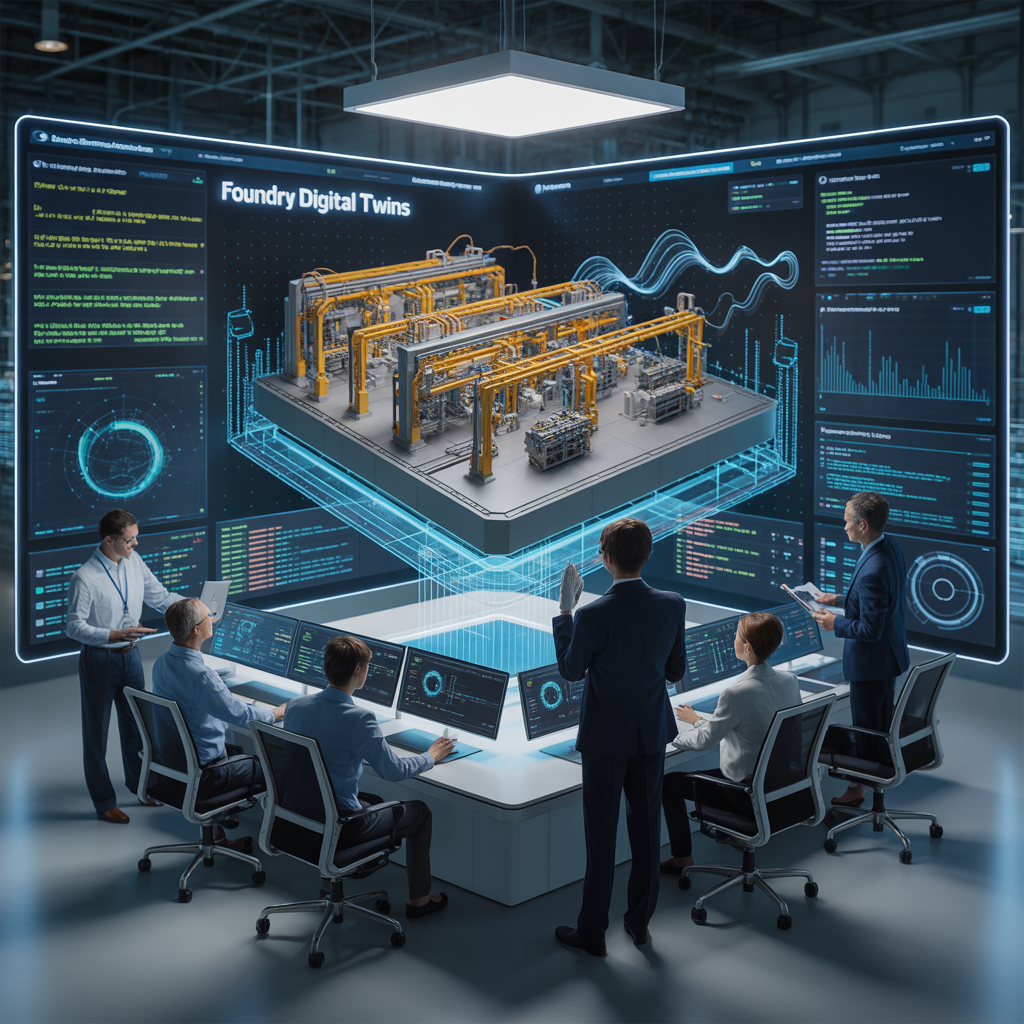
In the evolving landscape of advanced foundry operations, simulation-driven digital twins are emerging as game-changers. These virtual replicas of physical foundry equipment create a bridge between the physical and digital worlds, enabling unprecedented visibility and control.
By combining sensor data, physics-based models, and machine learning algorithms, foundries can now reduce downtime by up to 30%, detect defects earlier in the process, and improve overall productivity. This technology represents a fundamental shift from reactive to predictive operations.

Core Components of Foundry Digital Twins
Physical Assets & Sensors
IoT-enabled equipment monitoring temperature, pressure, vibration, flow rates, and coolant temperature across all critical systems.
Data Integration Layer
SCADA systems, IoT gateways, and PLCs that collect and harmonize data from multiple sources into a unified platform.
Simulation Models
Advanced FEA, CFD, and solidification simulations that predict thermal stress, material behavior, and process outcomes.
AI Analytics Engine
Machine learning algorithms for anomaly detection, trend prediction, and remaining useful life estimation of critical equipment.
Why Foundries Need Digital Twins Now
Foundries operate in an environment where equipment downtime and quality defects carry enormous costs. Traditional preventive maintenance schedules often miss critical failure points, while reactive maintenance leads to expensive emergency repairs and lost production time.
High-Cost Operations
Energy, raw materials, and tooling represent significant investments. Equipment failures can cost thousands per hour in lost production, especially for high-precision automotive and aerospace components.
Quality Control Demands
Sectors like automotive, aerospace, and defense require zero-defect manufacturing. Digital twins enable real-time quality monitoring and defect prevention rather than post-production inspection.
Competitive Pressure
Global competition demands operational excellence. Foundries using digital twin technology gain significant advantages in efficiency, quality, and customer satisfaction.
Critical Applications Across Foundry Operations
Melting Furnaces & Crucibles
Real-time temperature monitoring combined with CFD thermal simulations predict hotspots, refractory wear, and optimal energy consumption patterns for predictive maintenance scheduling.
Mold Filling & Solidification
Digital twin models simulate mold filling dynamics, flow rates, and solidification patterns to anticipate defects like misruns, cold shuts, and shrinkage before they occur.
Cooling Systems & Quenching
Monitoring coolant flow, temperature, and pressure while simulating cooling curves and thermal gradients to predict residual stress and dimensional accuracy.
Overall Production Floor
Comprehensive OEE monitoring, throughput analysis, and scrap rate tracking with what-if scenario modeling for process optimization and capacity planning.
Proven Benefits Transforming Operations
Downtime Reduction
Predictive maintenance prevents unexpected failures
Quality Improvement
Early defect detection and process optimization
Energy Savings
Optimized heating and cooling cycles
Competitive Advantages
- Reduced Maintenance Costs: Schedule maintenance during low-production windows based on actual equipment condition
- Enhanced Sustainability: Lower scrap rates, reduced rework, and optimized energy consumption support environmental goals
- Superior Compliance: Meet stringent industry standards for aerospace, automotive, and defense applications
- Operational Excellence: Higher throughput, improved yield rates, and consistent product quality
Implementation Roadmap for Success
Start with Pilot Projects
Begin with high-impact equipment like melting furnaces or cooling systems. Install sensors, validate simulation models, and measure concrete improvements before scaling.
Build Data Infrastructure
Establish IoT gateways, cloud or on-premises data storage, and real-time dashboards. Ensure data quality through proper sensor calibration and validation protocols.
Develop Simulation Models
Implement physics-based models using tools like MAGMASOFT or PoligonCast. Integrate machine learning algorithms for anomaly detection and predictive analytics.
Deploy User Interfaces
Create intuitive dashboards for operators and maintenance teams. Include automated alert systems for critical thresholds that indicate potential equipment failure.
Integrate with Operations
Connect digital twin outputs to maintenance planning, quality control systems, and continuous improvement processes for maximum operational impact.
Scale and Optimize
Measure ROI through reduced downtime, lower scrap rates, and energy savings. Then systematically expand to other equipment and production lines.
The Future of Smart Foundry Operations
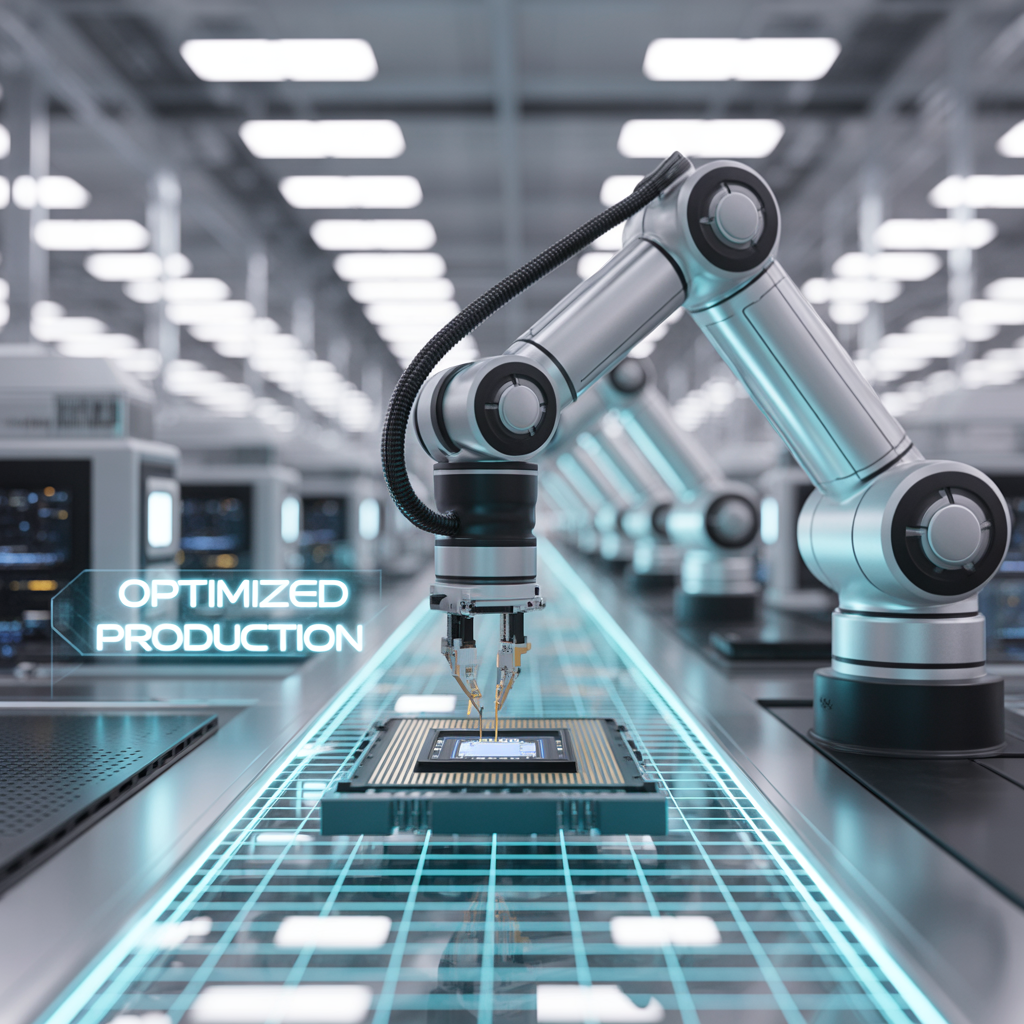
Simulation-driven digital twins are no longer futuristic concepts—they are becoming essential tools for foundries aiming for operational excellence. The technology continues evolving with AI-powered self-learning models, virtual sensor networks, and cloud-based platforms enabling remote monitoring and collaboration.
Ready to Transform Your Operations? Indian foundries that embrace digital twin technology today will be better positioned for global competition, especially in high-precision sectors like automotive, aerospace, and defense manufacturing.
While implementation requires careful investment and technical planning, the long-term benefits in reduced downtime, improved product consistency, and sustainable operations provide compelling ROI. The question isn’t whether to adopt digital twin technology, but how quickly you can begin the transformation.