



The Asia Cup 2025 is a key event for the India Pakistan cricket tensions. It’s not just about the game. The decision to skip handshakes has sparked a lot of talk. This move shows how political tension in cricket is affecting sports and the bond between the two nations.
Overview of Asia Cup 2025
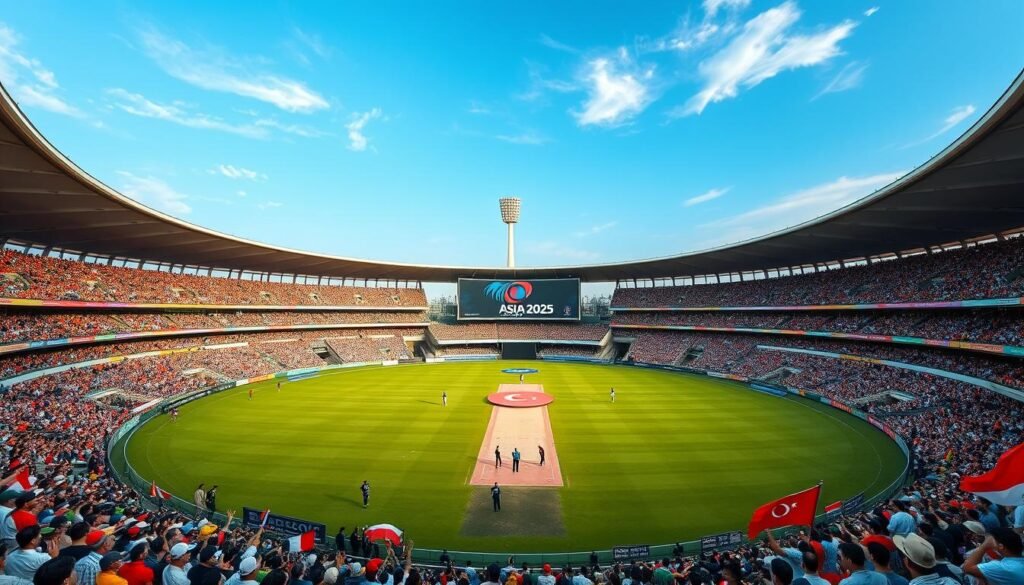
The Asia Cup 2025 is set to be an electrifying event, showing the best of cricket talent from across Asia. This year, the tournament will include both ODI and T20 matches. This mix will make the competition even more thrilling.
Teams like India, Pakistan, Bangladesh, and Sri Lanka are ready to dazzle. Each game will be a chance for players to show their skills on a big stage. Fans are excited to see these performances.
The Asia Cup 2025 is more than just a sporting event. It’s a key step towards the World Cup for these teams. It’s a chance for players to prove themselves and make a mark. Cricket fans can expect unforgettable matches and a display of talent that captures the essence of cricket in Asia.
Political Context: Rising Tensions Between India and Pakistan
The political scene between India and Pakistan is getting more complicated. This affects many areas, including sports. The strained Indo-Pak relations show how politics and cricket are linked. As we get closer to the Asia Cup 2025, it’s important to see how these tensions affect players.
Many incidents have made people talk about territorial disputes and military conflicts. These issues cast a shadow over sports. Nationalistic feelings, fueled by government words, make cricket a way to show political views. Fans want to see these feelings in matches, leading to strong reactions.
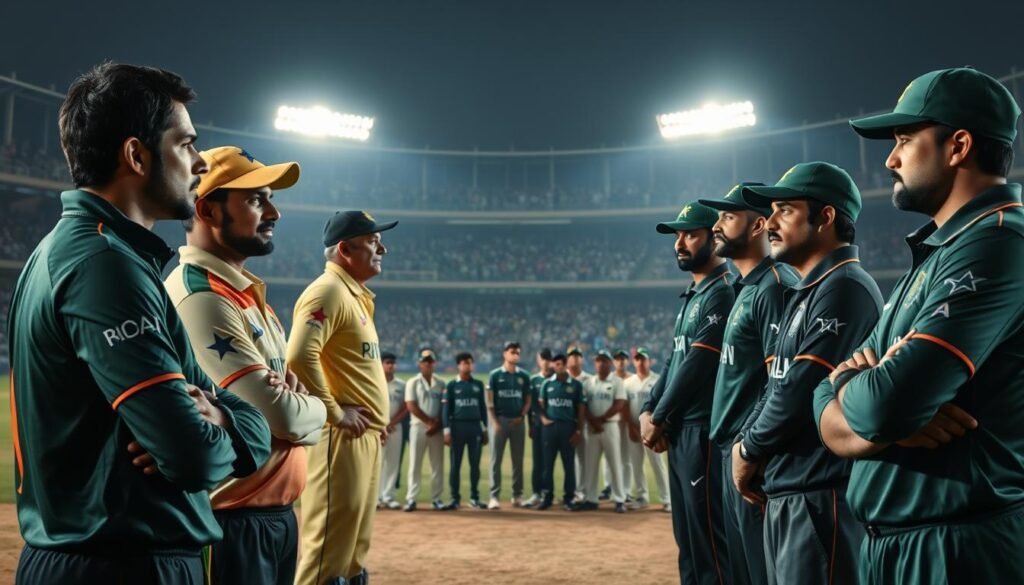
Knowing the political situation helps us understand the challenges players face. These issues affect more than just athletes. They impact team spirit and how people see them, mixing cricket and politics in a complex way.
India Pakistan Cricket Tensions 2025
The cricket rivalry between India and Pakistan is more than just a game. It’s a symbol of deep history and complex politics. Every match between them is filled with passion, pride, and a sense of national identity. These games often lead to intense moments that shape public opinion and stories about both teams.
Historical Background of Indo-Pak Rivalry
The cricket history between India and Pakistan is filled with unforgettable moments. These moments have shaped not just the sport but also their relationship. Iconic World Cup matches and Test games have created a legacy that affects today’s players.
This legacy adds to the high stakes when these teams face each other. It makes every game a significant event.
The Impact of Political Issues on Sports Diplomacy
Politics has a big impact on sports diplomacy, and this is clear in the India-Pakistan rivalry. Political tensions often distract players from the game. These issues affect athletes’ decisions, both on and off the field.
Looking ahead, the mix of politics and sports raises important questions. How will future matches between these teams play out?
The Significance of Handshakes in Cricket
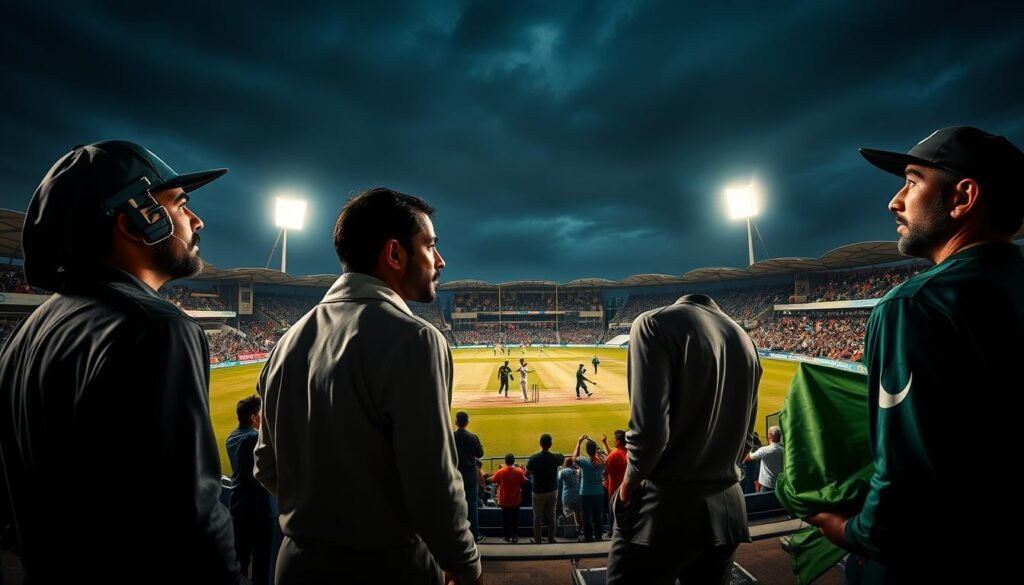
Handshakes in cricket show deep respect and sportsmanship. They are a tradition that adds value to the game. These gestures go beyond rivalry, showing that players share common values.
They make the game more than just a competition. They create a space where respect is key.
Cultural Importance of Sportsmanship
Sportsmanship is a big deal in cricket. Handshakes and other respectful actions show the game’s true spirit. They highlight the importance of being a good sport.
This spirit brings everyone together. It’s important for both players and fans.
Previous Instances of Player Interaction
Cricket history is full of good sportsmanship moments. Even after tough matches, players often shake hands or smile. These actions show that unity is more important than winning.
Recent Developments in the Asia Cup
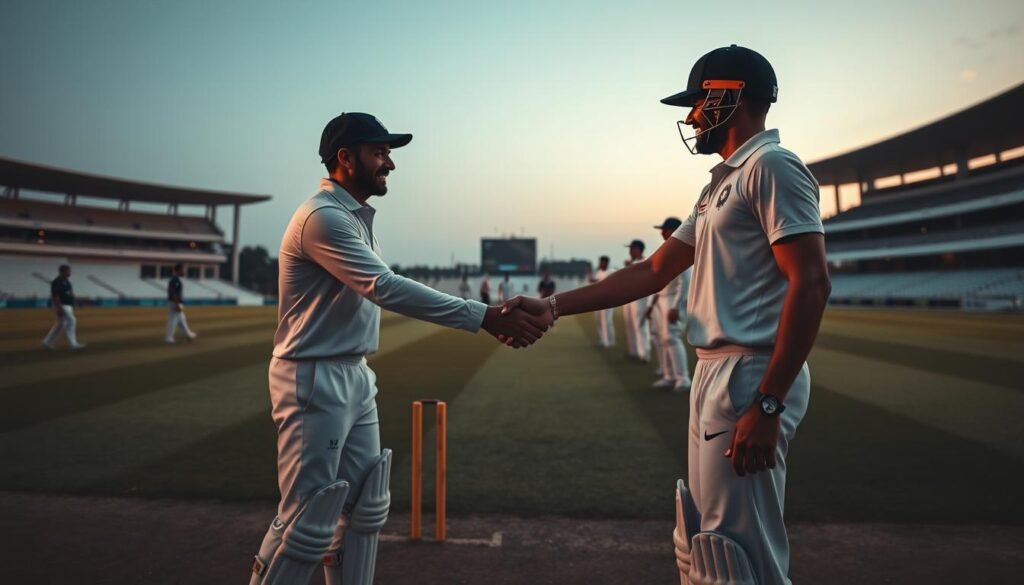
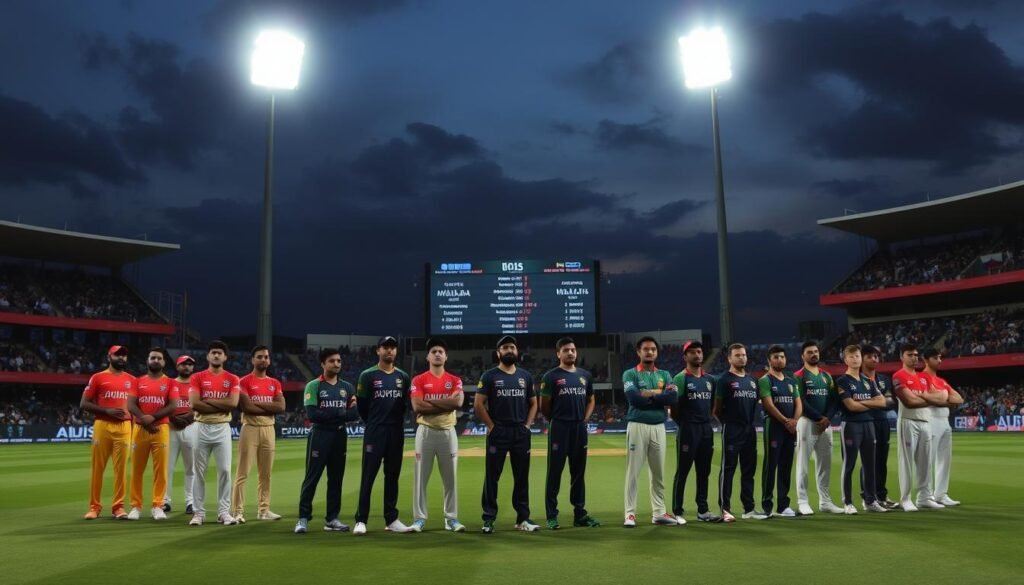
Asia Cup updates show a big change in this year’s tournament. Exciting matches and key player moments have marked it. The lack of handshakes between players has sparked a lot of talk in cricket news.
This has made fans and experts think about what it means. Despite great games, the focus is on the deeper issues. This season of the Asia Cup is about more than just winning. It’s about the bigger picture affecting the sport.
Social Media Reaction and Public Perception
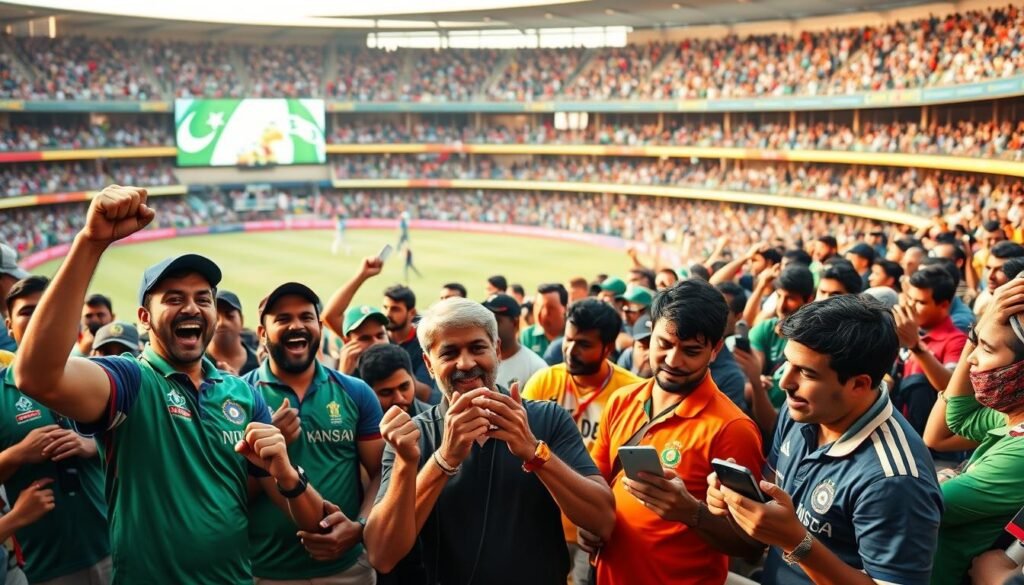
The recent Asia Cup matches have sparked a big debate on social media. Fans from both sides have shared their views on Twitter, Instagram, and more. Their comments show a mix of emotions, highlighting the complex feelings around the India-Pakistan cricket rivalry.
Fan Reactions to No Handshakes
Fans have mixed feelings about the no-handshake rule. Some are disappointed, while others understand the reasons. The variety of opinions shows how politics can affect sports, changing how fans see the game.
Media Coverage of the Incident
News outlets have covered the social media buzz, adding to the conversation. They’ve shared fan thoughts and expert analysis. This coverage helps shape public opinion, showing how politics and sports connect with the audience.
Implications for Future India Pakistan Matches
The tensions and lack of sportsmanship in the Asia Cup have big effects on future games between India and Pakistan. This can change how teams play and the cricket world’s view. It’s not just about the game; it affects tournaments and diplomacy too.
Looking at India and Pakistan’s cricket future, we see how cricket and society are linked. Each game is filled with history, and missing gestures like handshakes can make things harder. Sportsmanship used to bring rivals together, but now it might make things worse.
To improve future games, cricket boards need to talk more. They should help players have meaningful talks that go beyond just playing. This could make the games more enjoyable for everyone watching and playing.

Conclusion
Looking back at the tensions between India and Pakistan in cricket, we see a complex mix of politics and sports. The lack of handshakes shows more than just a simple gesture. It reflects deep political divisions.
Each game has the chance to break down these barriers. But, the current situation shows how hard it is to unite through cricket.
Cricket can be a tool for peace, despite past conflicts. We need to dream of a future where the game brings people together. It’s about finding common ground through cricket.
Even with ongoing tensions, we hope cricket can be a bridge to understanding. We should support environments where players can show goodwill. This way, cricket can unite, not divide.
The goal is to create a cricket culture that brings joy across borders. It should unite, not fragment communities.