



The Navratri festival is a highlight in Indian culture, filled with reverence, celebration, and community. The second day honors Maa Brahmacharini, a symbol of spiritual growth and devotion. Through rituals, prayers, and festivities, we connect with Maa Brahmacharini’s divine energy.
These celebrations enrich our experience and highlight the power of faith. They also show the importance of cultural heritage in bringing us together. This makes our journey during Navratri 2025 truly remarkable.
Introduction to Navratri Festival
The Navratri festival lasts for nine nights. It celebrates the power of the divine feminine through Goddess Durga. Each day brings a new aspect of this revered deity, creating a vibrant celebration.
This time is not just for religious events. It also strengthens cultural ties in communities. The nights are filled with music, dance, and festivities. It’s a joyous way to explore our spirituality.
We see the Navratri festival as a chance to connect with our traditions. It also brings us closer to each other.
The Significance of Maa Brahmacharini
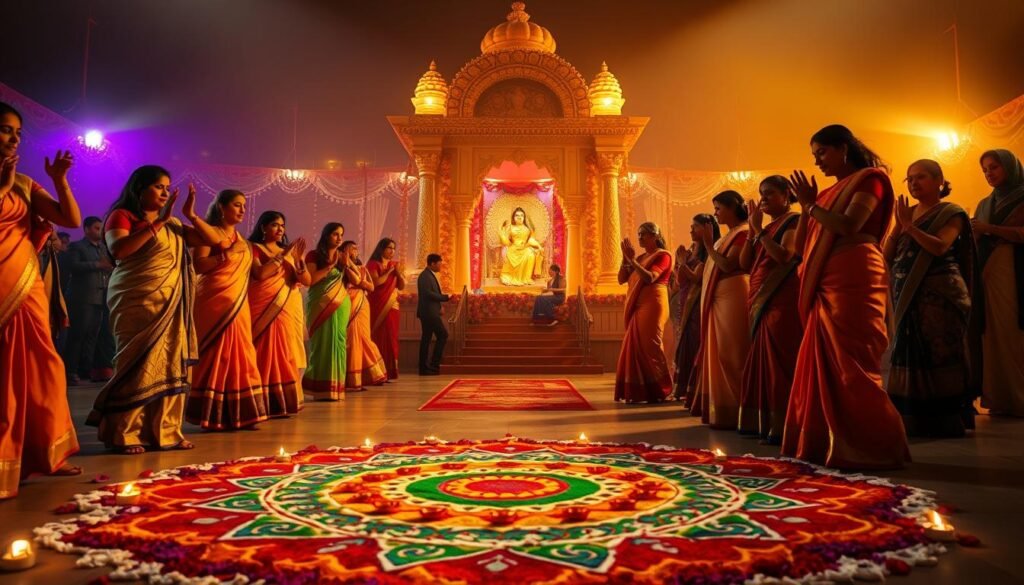
Maa Brahmacharini is a key figure in Hindu spirituality. She is the second form of Goddess Durga, showing the power of penance and spiritual practices. Her presence encourages us to seek enlightenment, inspiring many on their spiritual paths.
Her story teaches us that dedication can lead to spiritual fulfillment. She guides us to seek deeper understanding and clarity. By honoring her, we move closer to enlightenment, enriching Hindu spirituality’s values of knowledge and introspection.
Maa Brahmacharini Navratri
Maa Brahmacharini is all about dedication and discipline during Navratri. Her presence shows us the path to spiritual growth. By understanding her symbolism, we learn the true value of this festival. It teaches us to be patient and resilient.
Symbolism of Maa Brahmacharini
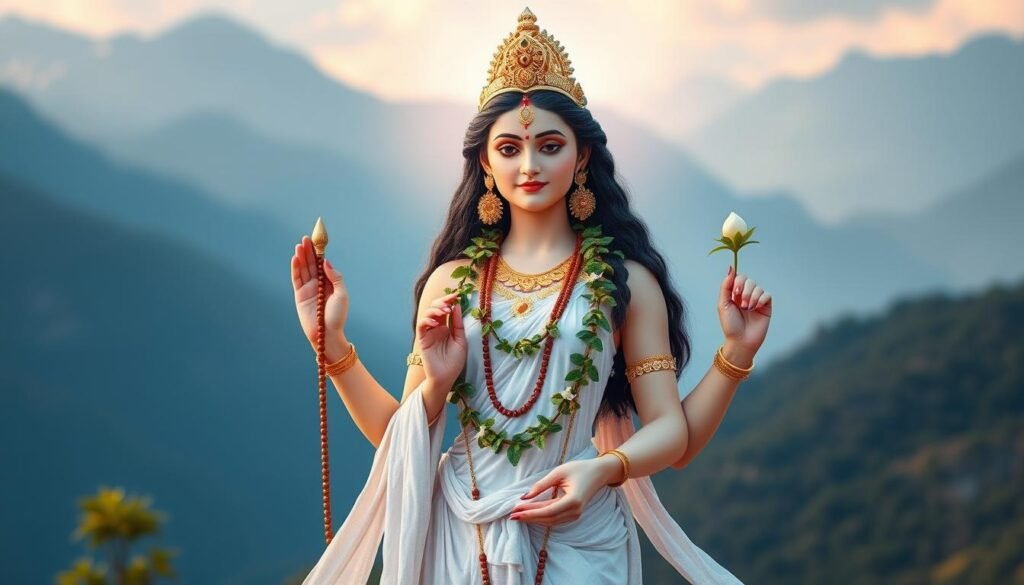
Maa Brahmacharini wears white, symbolizing purity and self-control. Her image inspires us to strive for spiritual growth. Each part of her story teaches us important virtues for change.
Connecting with her symbolism encourages self-reflection and devotion. It guides us on our spiritual journey.
Devotion and Worship Practices
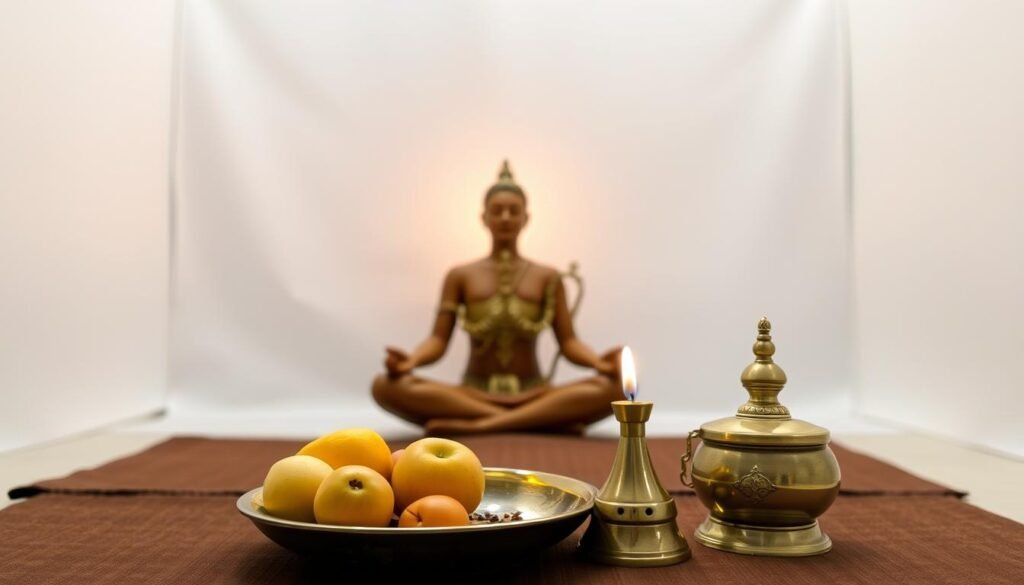
Navratri is filled with rituals honoring Maa Brahmacharini. Devotees chant and offer flowers, creating a sacred space. These acts honor her and deepen our connection to the divine.
Through worship, we aim to build inner strength and perseverance. It reflects the lessons of Maa Brahmacharini’s teachings.
Cultural Festivities During Navratri
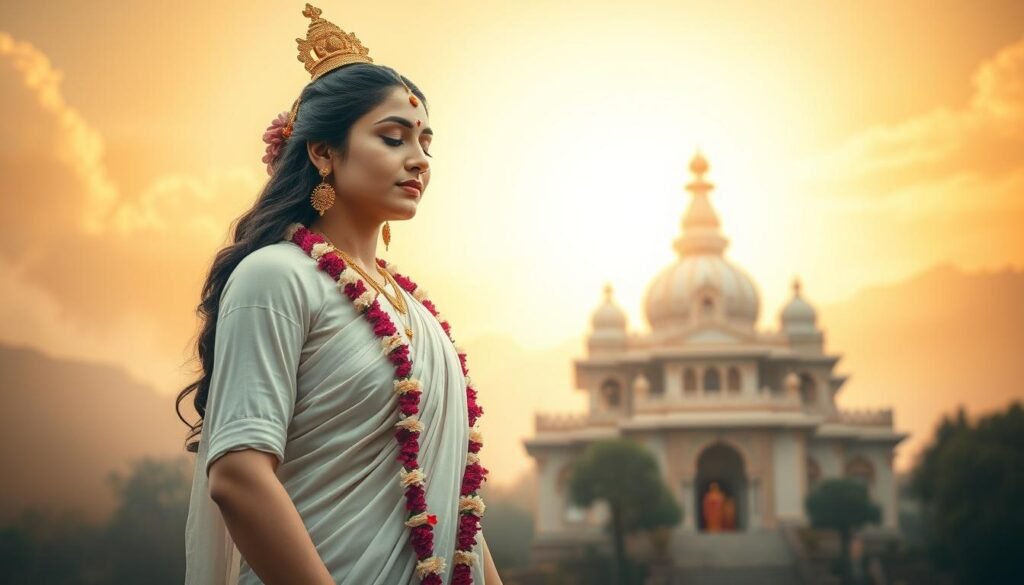
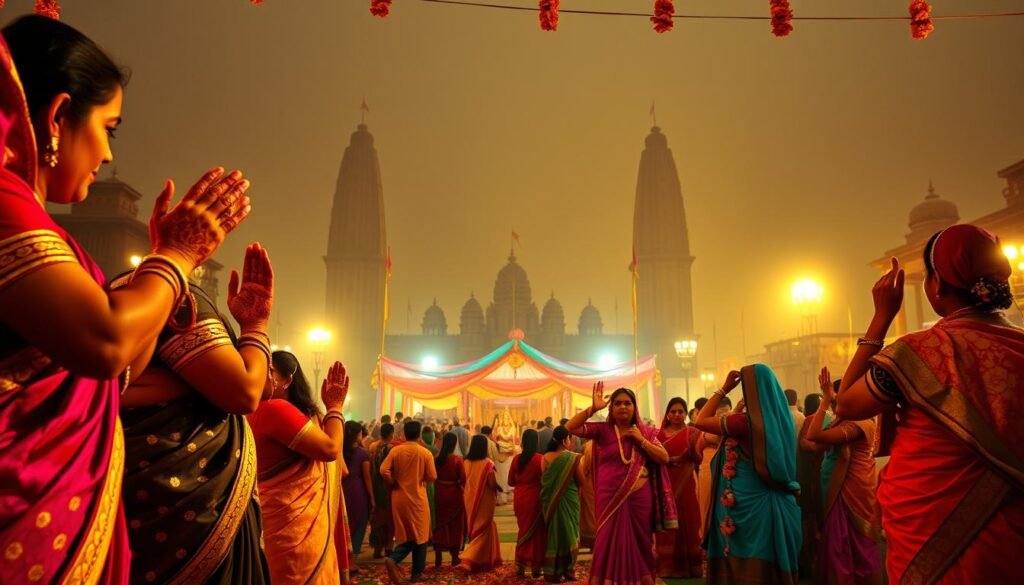
Navratri celebrations are a colorful display of India’s rich culture. They bring people together, filling the air with excitement and devotion. At the heart of these festivities are the Navratri traditions and rituals that deepen everyone’s spiritual journey.
Traditions and Rituals Observed
People participate in many activities, like Garba and Dandiya dances. These dances help build community bonds. Daily prayers, fasting, and ceremonies for Maa Durga show the festival’s deep spirituality.
The rituals in India vary by region but share a common goal. They honor the divine and unite people.
Culinary Delights of the Celebration
No Indian celebration is complete without delicious food. Navratri offers a special menu of *faral*, foods made during fasting. Dishes like sabudana khichdi and kuttu ki puri are part of this tradition.
These foods not only feed the body but also bring families together. Sharing these festive dishes strengthens community bonds.
Maa Brahmacharini’s Role in the Hindu Pantheon
Maa Brahmacharini is celebrated in Hinduism for her role in knowledge, penance, and devotion. She symbolizes the spiritual journey of those seeking ultimate wisdom. Her presence in goddess worship inspires us to face challenges for personal and spiritual growth.
The virtues of Maa Brahmacharini are deeply connected to the divine feminine. This connection highlights the value of perseverance and dedication in spiritual pursuits. By following her teachings, we find a path to enlightenment. This shows the strong bond between tradition and spirituality in goddess worship.
Spiritual Practices and Offerings
The Navratri festival is a time of deep spiritual connection. Devotees engage in fasting, which is key to their spiritual growth. This practice cleanses both body and soul.
Significance of Fasting During Navratri
Fasting is very important during Navratri. It cleanses us and helps us focus on the divine. By fasting, we let go of worldly distractions and connect with Maa Brahmacharini’s virtues.
Puja and Other Rituals
Puja rituals are essential during Navratri. They help us show gratitude and devotion. Through daily prayers and mantras, we invite divine energy into our lives. These rituals bring us closer to Maa Brahmacharini and strengthen our community bond.
Regional Variations in Celebrations
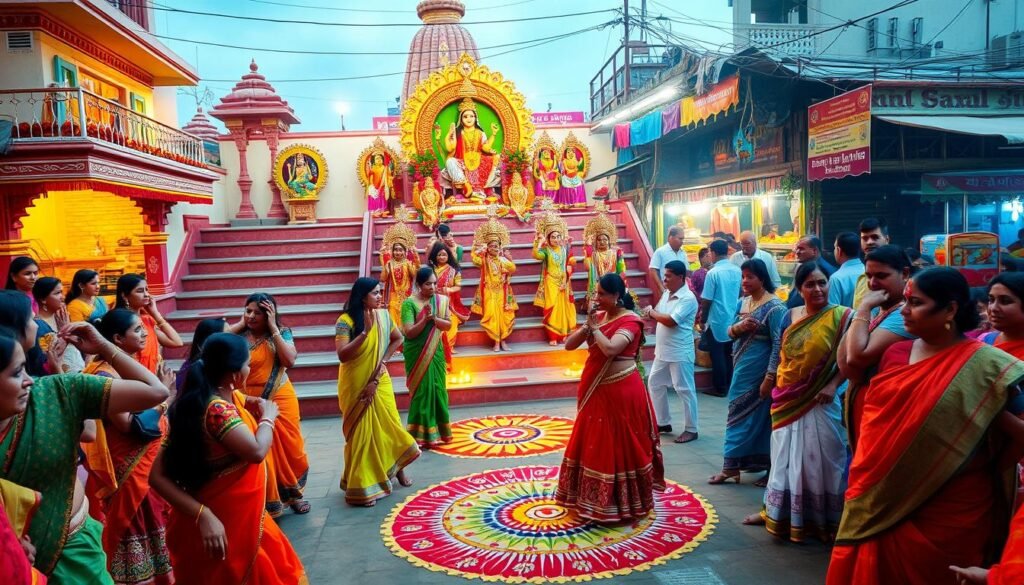
The Navratri festival is celebrated in many ways across India. Each region adds its own special touch to the festivities. In the North, Dussehra is a big deal with colorful processions and dances.
In the West, dances like Garba and Dandiya Raas fill the air with joy. These dances are a big part of the celebrations.
Going South, the celebrations are different. There, poojas and storytelling are key. These traditions bring people together, showing the diversity in worship.
Family and community are at the heart of Navratri. Everyone comes together to celebrate. It’s a time of joy and spirituality for all.
Impact of Navratri Celebrations in India
The Navratri festival is very important in India. It affects both the economy and society. The festival shows the country’s rich culture and brings people together.
Economic and Social Factors
The Navratri economic impact is clear. Local artists, sellers, and businesses do well during this time. People buy more traditional clothes, decorations, and food, helping sales and creating jobs.
Tourism also grows as people visit to see the celebrations. This helps the local economy even more.
The festival has a big social significance too. People from all walks of life come together for worship and cultural events. This strengthens their bonds and creates a sense of unity and pride in their culture.
Conclusion
As we reach the end of Navratri, let’s reflect on our journey with Maa Brahmacharini. This festival is more than just rituals. It’s about community, devotion, and our shared heritage.
The strength and faith we find in Maa Brahmacharini are truly inspiring. In a world that’s always changing, these values are more important than ever. They enrich our spirits and help keep our culture alive.
By honoring Maa Brahmacharini, we strengthen our unity. We celebrate life, spirituality, and our connection to each other. Let’s keep these traditions alive and guide future generations.