



India’s use of coal has raised many concerns. The government plans to offer big incentives for carbon capture. This move is key to reducing our coal use and meeting India’s climate goals.
By using new carbon capture tech, we can cut down on harmful emissions. This will help India move towards a greener energy future.
Overview of India’s Energy Landscape
India’s energy scene is complex. It deals with growing electricity needs and a push for green energy. The mix includes old fossil fuels like coal and natural gas. But, there’s also a big leap in renewable energy, like solar and wind.
Finding the right balance between these energy types is tough. The government’s energy plan is key. It aims to meet energy needs and protect the planet. In 2022, green energy made up about 24% of the total power capacity. This shows a slow but steady move towards cleaner energy.
Rising Dependence on Coal in India
India’s need for electricity is growing fast. This has made coal a key part of our energy plan. Today, more than 70% of our electricity comes from coal.
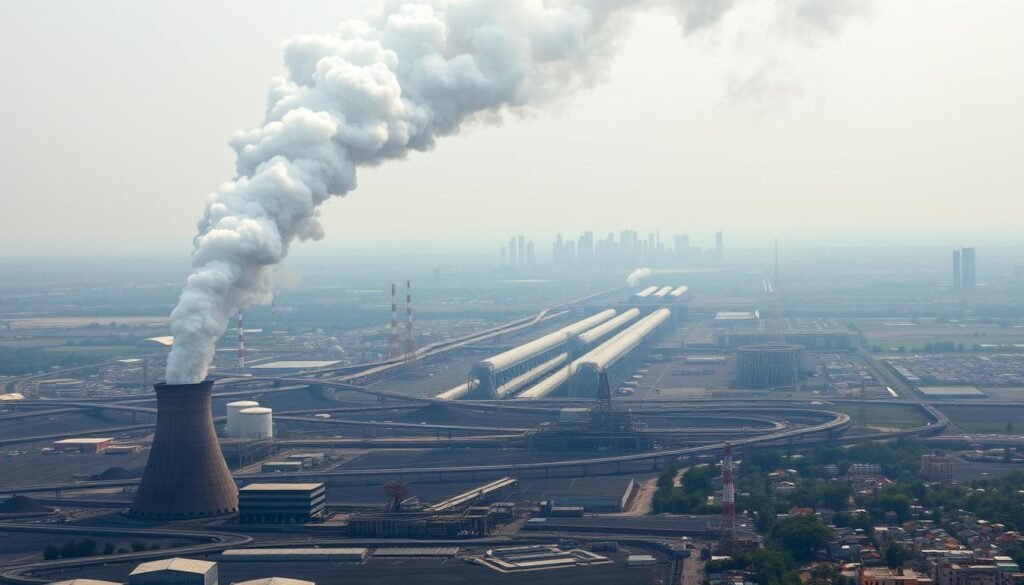
This big use of coal is causing air pollution problems. As we start more coal projects, our use of coal will grow. This could make it hard to meet our climate goals.
Recent data on coal energy shows a worrying trend. It looks like we might see more coal projects soon. This could make our energy use even harder to manage.
We need to think carefully about our energy use. We must consider how it affects the environment. This is very important.
Impact of Coal Expansion on Climate Goals
India’s growing use of coal is a big problem for our climate goals. We aim to cut carbon emissions by 33% by 2030. But, the way we’re using coal now is making it hard to reach this goal.
Reports show that emissions in India are going up, mainly because of coal-fired power plants. This could really hurt our chances of meeting our climate targets.
Using coal goes against our climate change policies. These policies want to help the environment by using cleaner energy. But, investing more in coal is making our climate goals harder to achieve.
Experts say we need to act fast. We need to use new technologies like carbon capture to solve this problem. Without these solutions, it will be tough for India to keep its environmental promises and grow its economy.
Understanding Carbon Capture Technology
Carbon capture technology is changing how we fight greenhouse gas emissions. It removes carbon dioxide (CO2) from big sources like coal plants before it reaches the sky.
There are many ways to do this. Post-combustion capture pulls CO2 out after it’s burned. Pre-combustion capture cleans the fuel before it’s used. Oxy-fuel combustion burns fuel in pure oxygen, making it easier to capture CO2.
These methods show how clean tech can help fight climate change. They’re key to finding sustainable energy solutions.
Carbon Capture Incentives India: Key Features
India is leading the way in using carbon capture technology to fight climate change. It’s using strong incentives to boost its efforts. This part talks about the main points of these incentives and how they match with the country’s goals.
Overview of Government Policies
The government’s policies on carbon capture in India aim to drive innovation. They make it easier for companies to go green. The main points include:
- Tax exemptions to help companies with the cost of new technologies.
- Subsidies to support research and improve carbon capture methods.
- Grants for projects that bring together public and private sectors.
Financial Incentives and Funding Opportunities
Financial help is key for carbon capture projects to succeed. The government wants to offer many funding chances.
- Helping private investments with special financing options.
- Starting public-private partnerships for shared goals and resources.
- Working with international collaborations to bring in new ideas and funding.
India’s CCUS Policy 2025: A Game Changer
India’s CCUS policy 2025 is a big step towards green energy. It aims to use carbon capture and storage in many areas. It also has big plans to cut down on emissions.
Strategic Goals of the CCUS Policy
The CCUS policy has many goals. It wants to:
- Make carbon capture tech better in all industries.
- Lower greenhouse gas emissions a lot with new methods.
- Help private and public sectors work together for research.
Implementation Timeline and Milestones
The policy has a clear plan for when things will happen. It sets important goals to check on progress. We can look forward to:
- Pilot projects starting in the next year.
- Checking how we’re doing every two years to stay on track.
- Workshops to share the latest in tech and best practices.

Integration of Carbon Storage Projects
Carbon storage projects in India need good integration to work well. They use special places in the ground to store CO2 safely. This helps us fight climate change by reducing emissions.
Working together is key to making these projects work. Governments and companies must team up. This way, we can build strong systems for capturing carbon. Together, we can move towards a greener energy world.
Role of Fossil Fuels in India’s Energy Mix
Looking into fossil fuels in energy gives us key insights into India’s power scene. Our energy mix is mostly fossil fuels, which are key to our power system. Knowing this helps us see the good and bad sides of moving to greener ways.
Current Statistics on Energy Sources
Fossil fuels make up 80% of India’s energy use. This shows our big use of coal, oil, and gas for work and travel. Even with more green energy, we’re mostly stuck on fossil fuels.
Future Projections for Energy Consumption
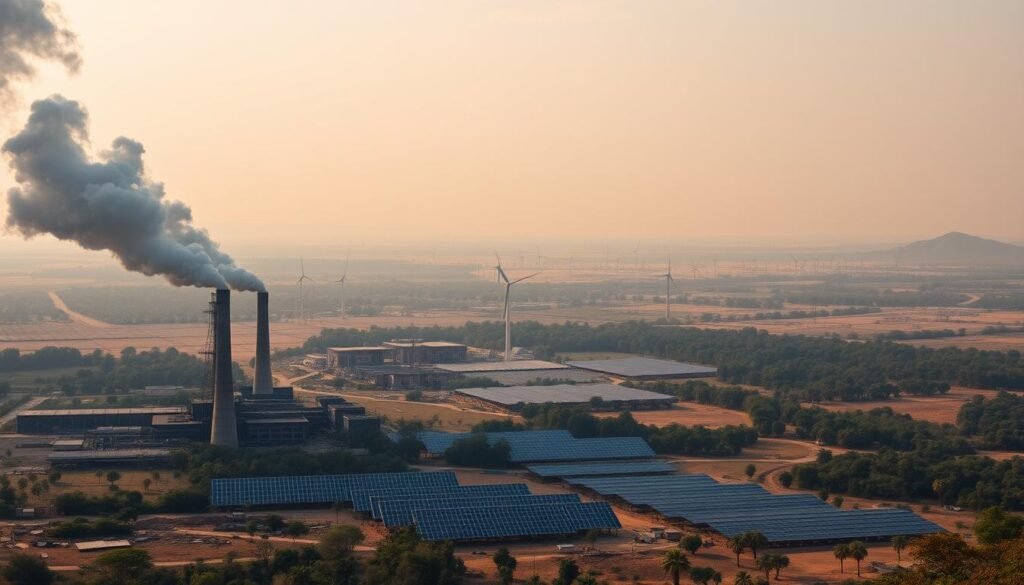
Looking ahead, fossil fuels will keep playing a big role in India’s energy. Solar and wind power will grow, but we need better tech to keep energy safe. The mix of old and new energy will guide us towards a greener future.
International Examples of Carbon Capture Success
Many countries are working on carbon capture technology. Norway and Canada are leaders in this field. They show us how to cut down on emissions.
These examples teach us about good strategies and technology. They show that with the right policies and money, we can make a big difference.
Case Studies from Leading Countries
Norway is a pioneer in carbon storage. The Sleipner Project has captured over 20 million tons of CO2. It shows Norway’s long-term plan to manage carbon.
Canada also has a great example. The Boundary Dam project uses carbon capture in power plants. Canada focuses on new tech to cut emissions and keep energy flowing.
Norway and Canada teach us about teamwork and new ideas. Their stories help us as we work on our own carbon capture plans.
Challenges Facing Carbon Capture Initiatives
Starting carbon capture projects in India faces many challenges in carbon capture. Money is often a big problem. It stops people from investing in new ways to capture carbon.
Without enough money, research and development slow down. This limits the growth of good carbon capture solutions.
There are also tech problems. Many systems don’t work well or can’t grow. We need to fix these carbon capture limitations to move forward.
Rules can also hold things back. We need laws that help innovation and protect the environment. Working together with experts and communities can help solve these barriers to technology adoption.
Knowing these challenges helps us plan better. It encourages everyone to work together to make carbon capture projects more common in India.
Public Perception and Acceptance of Carbon Capture Technologies
The success of carbon capture technologies depends on how people see them. Working with communities helps them understand and support these technologies. By talking openly and sharing goals, we can win more support.
Community Engagement Strategies
To win community trust, we need a plan that works. Here are some ways to build a supportive community:
- Awareness Campaigns: Teach people about the good things carbon capture does.
- Transparency: Be clear about what we’re trying to do and how it helps the environment.
- Collaborative Dialogues: Let people share their thoughts and help us improve, building trust.
- Partnerships: Work with local groups and leaders to reach more people.
Using these strategies, we can make sure communities support carbon capture. This helps us reach our climate goals together.
Conclusion
As we wrap up our look at India’s future plans for carbon capture, we see how important these policies are. They will help shape a sustainable future. Our growing energy needs and urgent environmental issues create big challenges and chances for new ideas.
By using carbon capture technologies, we tackle today’s problems and pave the way for a cleaner energy future. This future meets our climate goals.
The success of carbon capture in India depends on all of us working together. We need to mix new tech with community involvement. This effort goes beyond just tech—it’s about changing how we use energy and care for the planet.
By working together, we can make a big difference. We can reduce our carbon footprint and improve our communities’ health.
India’s journey with carbon capture is all about change. We’re using our resources and efforts to support these new technologies. This shows we’re committed to being global leaders in sustainability.
This teamwork helps us meet our energy needs now and look forward to a greener, more resilient future. We’re all in this together.