



Did you know over 80% of employers in India say there’s a big gap in skills? This shows we really need to change how we teach. The CBSE and State Board are making big changes to focus on skills by 2025. They want to teach students in a way that prepares them for their future jobs.
These changes in education will help create a generation that can solve problems creatively. The state board is making big changes to make sure what we learn matches what employers need. This will help students be ready for the job market and the economy of the future.
Overview of CBSE & State Board Syllabus Reforms
The CBSE and state board reforms are changing the Indian education system. These changes reflect the fast pace of the world today. They focus on practical skills and learning methods that are needed now.
These reforms aim to make students ready for the job market. They want to improve not just knowledge but also skills like critical thinking. This will help students succeed in a complex world.
These changes are part of a bigger effort to improve education in India. They want to make sure education meets the needs of students and employers. By using new teaching methods, schools will prepare students for the future.
Understanding these reforms is key to working together. It helps educators, policymakers, and others to make education better. Together, we can create a system that prepares students for the future.
The Importance of Skill-Based Education in India
Skill-based education is key for India’s youth. It helps tackle the high youth unemployment rate. It teaches students the skills needed for jobs, closing the skills gap.
Enhancing Employability through Skills
Today, jobs want more than just book smarts. Skills like communication, problem-solving, and teamwork are vital. By focusing on these, students become more job-ready.
Practical learning through workshops and internships boosts employability. It gives students real-world experience.
Fostering Creativity and Critical Thinking
Creativity is vital for solving complex problems. It prepares students for the challenges of the job market. It also encourages innovation and critical thinking.
This approach helps create leaders for India’s future. It’s about growing a generation that can drive economic growth.
CBSE Syllabus Reforms 2025
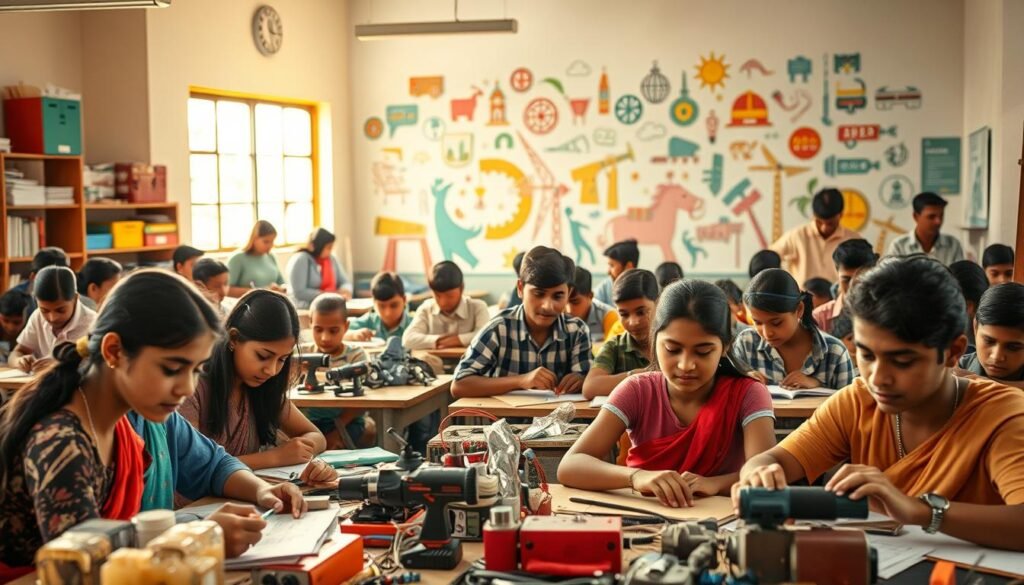
The CBSE syllabus updates 2025 are a big step for India’s schools. They aim to make learning more challenging and relevant. This change focuses on skills that students need today.
Now, learning will be more hands-on. Students will apply what they learn in real situations. This helps them think critically and solve problems, skills needed in the job market.
These changes will make learning more exciting and practical. Students will be more involved in their studies. The goal is to improve grades and encourage creativity and innovation.
Key Features of the New Syllabus
The new education syllabus brings exciting changes. It focuses on practical skills and real-world use. Vocational training and project-based learning are key, helping students prepare for their future.
Integration of Vocational Training
Vocational training connects classroom learning to real jobs. Students get hands-on experience in different careers. This prepares them for work, making them more employable after graduation.
Focus on Project-Based Learning
Project-based learning is very important. It lets students solve real problems in groups. This boosts creativity and critical thinking, giving them practical experience.
State Board Syllabus Changes for 2025
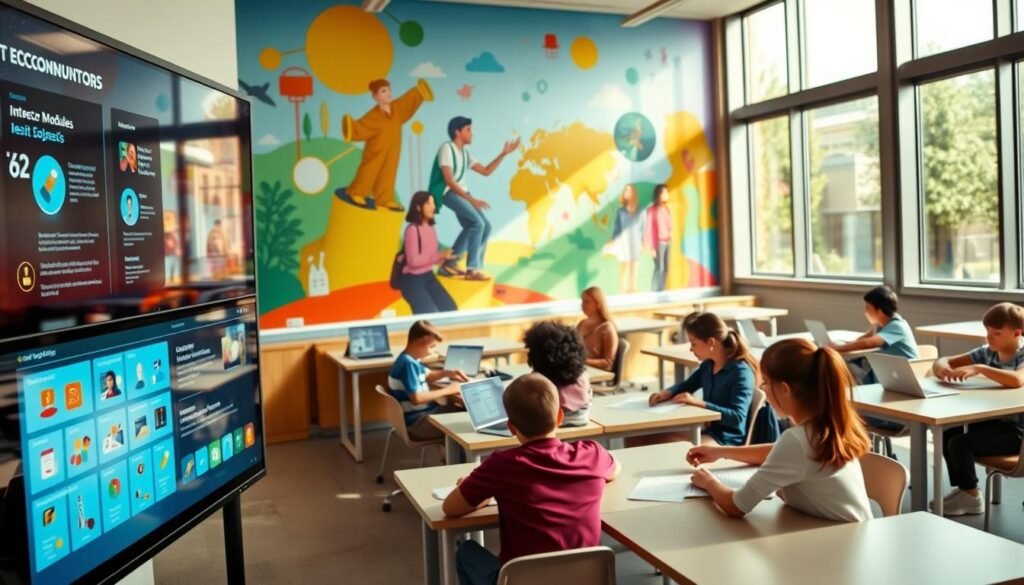
The state board syllabus for 2025 brings new changes. These changes aim to make learning better for students. They follow the National Education Policy, making education the same everywhere.
This makes education better and prepares students for jobs that change fast.
Alignment with National Education Policy
The big change is following the National Education Policy. This makes the curriculum modern and relevant. It focuses on skills needed for the future.
It also adds local touches to the syllabus. This helps students understand the world and their community.
Improved Assessment Techniques
There’s also a big change in how students are tested. Instead of just tests, there are new ways to check what students know. These new methods look at how well students can apply what they’ve learned.
Students will show their skills through projects and presentations. This way, they prove they can use what they’ve learned in real life.
| Aspect | Traditional Assessment | New Assessment Techniques |
|---|---|---|
| Focus | Memorization of content | Application of skills |
| Methodology | Standardized tests | Continuous assessments, projects |
| Feedback | Summative only | Formative and summative |
| Outcome | Scores and grades | Competency and readiness for real-world tasks |
Challenges in Implementing Syllabus Reforms
Updating syllabus reforms is a big challenge. It needs a lot of focus on teacher training. This training helps teachers learn new teaching methods.
Investing in these programs is key. It helps teachers meet today’s educational needs.
Training Educators for New Methods
Training teachers is vital for reform success. They need both practical and theoretical knowledge. This helps them use new teaching methods well.
Workshops, teamwork, and constant checks are important. They help teachers learn and grow.
Resource Allocation and Infrastructure
Getting the right resources is essential for learning. Schools often lack funds for new learning tools. They need better facilities and technology.
Improving these areas helps schools meet new curriculum needs. It creates a better learning environment.
Government Initiatives Supporting Reform
The Indian government has taken big steps to help education. They focus on making a strong policy framework for education reforms. They also work on giving more money to schools that need it.
They want to make education better for everyone. This means more people can get a good education.
Policy Frameworks and Guidelines
New policies set standards for schools. These rules help schools improve their programs. They also check how well schools are doing.
These policies help make education fair for everyone. They make sure everyone has a chance to learn well.
Funding and Grants for Schools
Getting money for schools is a big part of the reforms. The government gives grants to help schools. This money helps schools buy new things and try new ways of teaching.
This makes schools better places for learning. It helps students get the skills they need for the future.
| Initiative | Description | Impact |
|---|---|---|
| National Education Policy (NEP) | A complete plan for changing education in India. | Helps change how schools teach and what they teach. |
| Mid-day Meal Scheme | Gives healthy meals to students in government schools. | Helps students come to school more often. It helps kids from poor families too. |
| Infrastructure Development Grants | Money to improve school buildings and technology. | Makes schools safer and better for learning. |
| Teacher Training Programs | Programs to make teachers better at their jobs. | Makes education in schools better for students. |
Future Implications for Students and Educators
Education is changing fast, with big changes for students and teachers. We’re moving from old ways of learning to new ones. This means students will learn more by doing than just remembering facts.
This change will make school different and affect what students choose to study in college. It’s a big shift.
Skills vs. Traditional Knowledge Focus
There’s a big debate about skills versus knowledge. Students need to learn how to do things, not just remember facts. Schools will focus more on skills than just memorizing.
Students will learn by doing, making them ready for jobs that change fast. This is a big change.
Impact on Higher Education Choices
Colleges are changing too, with a focus on hands-on learning. They want students to learn by doing, not just reading. This means colleges will offer courses that mix theory with practice.
Teachers need to help students choose the right path for their future. This change will help students find good jobs.
Role of Technology in Skill-Based Education
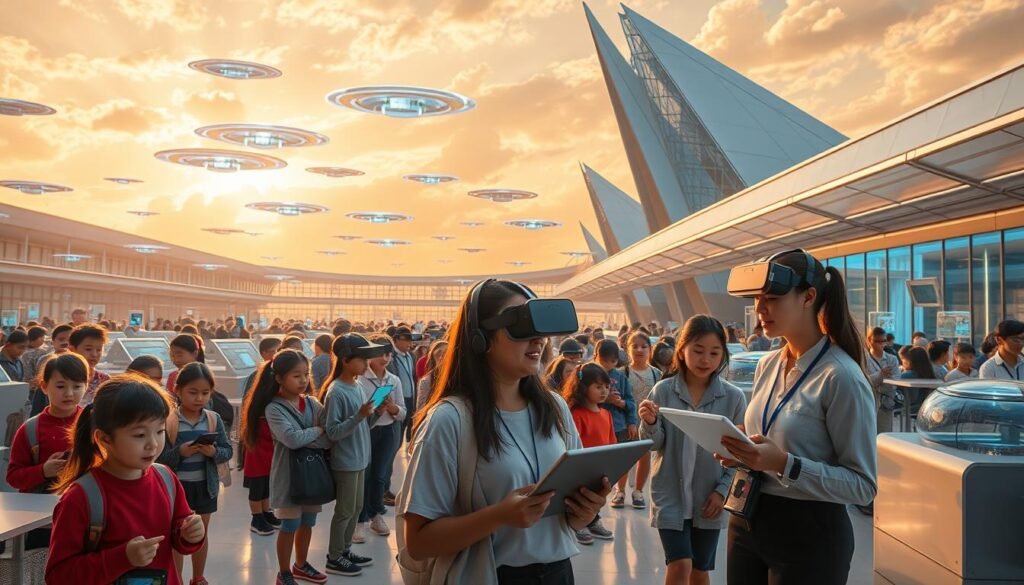
Today, technology is key in education, making learning better. Online learning platforms and resources have changed how we learn. They offer lots of materials for different learning needs, letting students learn at their own pace.
Online Learning Platforms and Resources
Online learning has made quality education more accessible. Sites like Coursera, edX, and Khan Academy let students learn from home. This makes it easier to balance school with other life activities. Plus, they offer many subjects, letting students explore more.
Utilizing Educational Apps and Tools
Educational apps are great for learning. Apps like Duolingo and Quizlet make learning fun and effective. They help students learn by practicing in a digital way that fits with today’s tech-savvy learners.
| Online Resource Types | Examples | Benefits |
|---|---|---|
| Video Courses | Coursera, Udemy | Flexibility and variety of topics |
| Interactive Learning | Khan Academy, Edmodo | Engagement through exercises and quizzes |
| Collaborative Tools | Google Classroom, Microsoft Teams | Facilitates teamwork and communication |
Thanks to technology, education is now more open, varied, and meets today’s learning needs.
International Perspectives on Skill-Based Education
Global education reforms have led to a big change. Now, skill-based learning is becoming more common worldwide. Finland’s method is a great example. It mixes practical skills with book learning, making students very interested and successful.
Singapore is another country that does it well. It adds skills training into its school programs. This way, students learn skills that employers want. It shows how education and work can go hand in hand.
Looking at these examples, we can find good ideas for our schools. Things like hands-on projects and working with businesses can make learning better. By learning from other countries, we can make education in India more focused on skills.
| Country | Key Features of Skill-Based Education | Impact on Students |
|---|---|---|
| Finland | Integration of practical skills in the curriculum, focus on student interest | High engagement and application of knowledge in real-world scenarios |
| Singapore | Vocational training embedded in the curriculum, industry partnerships | Students well-prepared for immediate employment and skilled labor markets |
| Germany | Apprenticeship programs combining classroom learning with hands-on experience | Successful transition from education to employment, skilled workforce |
Feedback from Educators and Stakeholders
Getting feedback from teachers and others shows how educational reforms affect many. Teachers, parents, and unions share important views. These help shape future plans for schools.
Listening to teachers’ opinions and what parents say helps us make schools better. It makes our educational system more responsive to everyone’s needs.
Insights from Teachers’ Unions
Teachers’ unions have spoken up about educational changes. They say teachers need good training and support. They believe resources and training are key for new teaching methods.
They also think feedback is important. It helps teachers feel ready and supported. This is good for students.
Parental Perspectives
Parents want education to prepare kids for today’s jobs. They want learning that includes skill-based learning. This helps kids succeed in a changing job world.
Parents’ input is vital. It shows their commitment to better learning for all. It helps make schools better for everyone.
The Path Forward: Next Steps in Education Reform
Looking ahead, community involvement in education is key. Working with parents, teachers, and leaders makes policies better. Their ideas help make school programs that really meet community needs and help students do well.
Education must keep up with changes. We need to keep checking and changing our ways. This helps us meet new trends and needs. By using adaptive learning, we help students learn in their own way, making school better for everyone.
Involving Community in Educational Policy
Good reforms need community help. Working with local groups helps find what’s strong and what’s tough in areas. When families and community members help decide what’s best for schools, everyone feels more connected. This makes a strong place for students to learn and grow.
Continual Assessment and Adaptation
We need to keep checking how education works. This lets us change and get better. By looking at what works and what doesn’t, we can make learning better for each student. This way, teachers can adjust their teaching to fit what each student needs.
Comparative Analysis of CBSE and State Board Reforms
Looking at CBSE vs State Board reforms helps us see how they teach differently. Each board has its own way to improve learning skills. This affects how students learn and grow.
A detailed curriculum structure comparison shows how these differences change the learning experience. It also affects what students learn and achieve.
Differences in Curriculum Structure
CBSE and State Board curricula are quite different. CBSE has a centralized plan to make education the same everywhere. This ensures students get the same quality education, no matter where they are.
State Boards, on the other hand, might include local content. This shows regional interests and cultures.
Varied Impact on Student Learning Outcomes
An learning outcomes analysis shows how these differences affect students. CBSE focuses on exams, which might make students very focused on schoolwork. State Boards, though, might focus more on overall growth and less on test scores.
By looking at these results, we can improve each board’s approach. This helps meet the needs of all learners better.
Towards a Skill-Centric Educational Future
We see a bright future for education focused on skills. Students should not just learn; they should be active in their learning. Teachers, leaders, and the community must work together to make this happen.
Creating a culture of innovation in India’s education system is key. This way, learning will change and improve. Skill-based education will help students become better thinkers and problem solvers.
The choices we make today will shape the leaders of tomorrow. Let’s work together to prepare the next generation. We can help India become stronger and ready for the future.