



Did you know about 1,154 sites worldwide are UNESCO World Heritage Sites? India’s Maratha Military Landscapes are now part of this group. They show the history and culture of the Maratha Empire, from the 17th to the 19th centuries.
UNESCO’s recognition is a big deal. It shows India’s deep history and the importance of these military landscapes. We’ll explore the architecture, history, and what this means for local communities and future generations.
Introduction to India’s Maratha Military Landscapes
India’s Maratha Military Landscapes are a big part of Indian history. They show a mix of fortifications, battlefields, and strategic sites. These places show how the Maratha Empire was strong and smart in war.
Each fort and battlefield has its own story. They show off advanced military designs and farming methods. These show the Maratha’s dedication to fighting and ruling well.
These sites are found in many areas. They are important reminders of the Maratha’s military power. They also show the Maratha people’s culture and values.
When you visit these places, you learn more than just about war. You see the deep cultural ties that make this heritage special.
Significance of the UNESCO World Heritage Site Designation
The UNESCO World Heritage Site designation is a big deal. It shows how important Maratha landscapes are culturally and historically. This honor puts these sites on a world stage, making sure they’re saved for the future.
Being on the World Heritage list makes these landscapes famous. It brings in tourists and researchers from everywhere. This attention helps show off the beauty and history of Maratha landscapes.
It also helps local businesses grow. Visitors help local shops and restaurants, creating jobs. This makes the community proud and involved in saving their heritage.
UNESCO’s recognition is a call to work together. It encourages everyone to help protect these special places. This ensures Maratha military landscapes stay a key part of India’s history.
Maratha Military Landscapes UNESCO: A Historical Overview
The Maratha Empire rose in the 17th century. It’s a key part of Indian history. It started with fighting off invaders and internal struggles.
Shivaji Maharaj led the empire. He worked hard to build a strong military. This made the Maratha Empire strong in the Deccan plateau.
Origins and Development of the Maratha Empire
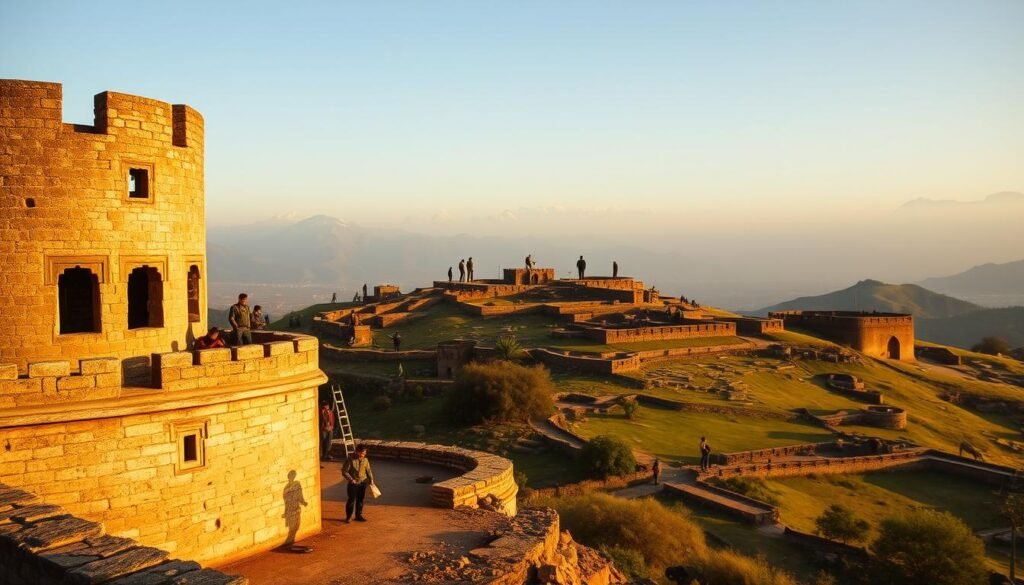
The Maratha Empire was formed to fight off Mughal invasions. Forts like Raigad and Sinhagad were key. They helped the empire grow and defend itself.
These forts were not just for defense. They were also cultural centers. They showed Maratha bravery and strength.
Key Battles and Strategic Locations
The Battle of Sinhagad was a major victory for the Marathas. It showed their military skill and determination. Winning battles like this helped the Marathas control important areas.
| Battle | Date | Significance | Outcome |
|---|---|---|---|
| Battle of Sinhagad | February 1670 | Decisive victory for the Marathas against Mughal forces | Consolidation of control over Sinhagad Fort |
| Battle of Pune | 1760 | Strengthened Maratha influence in Western India | Victory established Maratha hegemony |
| Battle of Assaye | 1803 | An important victory against the British | Showcased Maratha military prowess in face of colonial expansion |
Looking back, we see the Maratha Empire’s smart strategies. These are why UNESCO recognized their landscapes. These sites tell stories of victories and defeats. They show the lasting impact of the Maratha Empire on India.
Cultural Heritage of the Maratha Military Landscapes
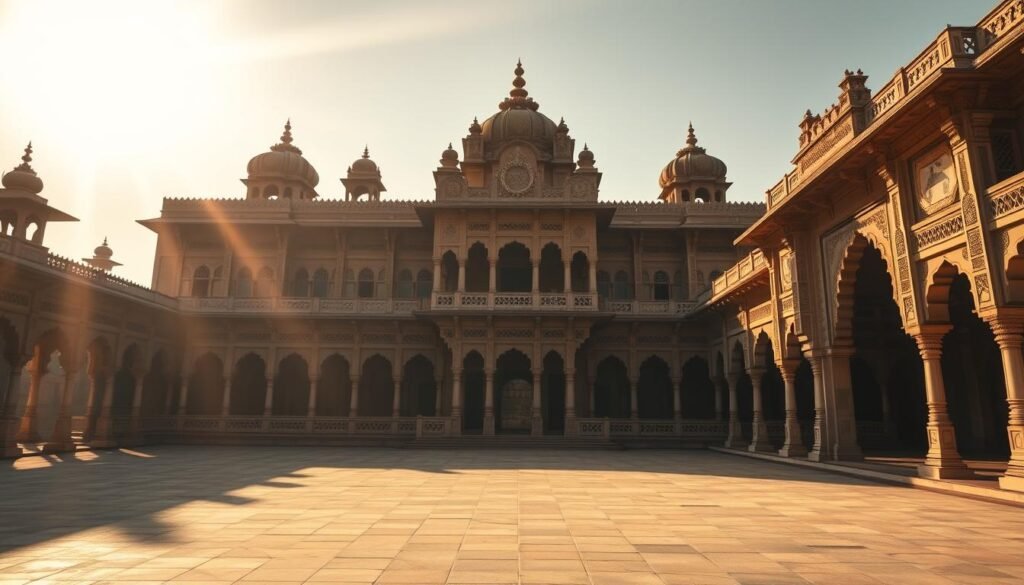
The Maratha Military Landscapes show the creativity and skill of a special time. Their culture shines through in their amazing architecture and new engineering methods. These are seen in the forts all over the landscape.
Architecture and Engineering of the Forts
The Maratha architecture mixes beauty with practical design. The forts were built with local materials that matched the land and showed off smart engineering. They sit on high places, with places for food, water, and homes, showing a focus on lasting and useful design.
Every part of these buildings was made with care. This made them strong and useful for a long time.
Art and Craftsmanship Influenced by Maratha Culture
The Marathas also loved beauty and art. They supported craftsmanship in wood, metal, and paint, like Tanjore paintings. This art came from many places, making Maratha culture unique.
The skill of local artists reminds us of the rich culture of the Maratha empire.
The Impact of UNESCO Recognition on Local Communities
The UNESCO recognition of Maratha Military Landscapes has changed local communities a lot. It makes them proud of their heritage. Now, they celebrate their history more than ever.
Local communities are working hard to show off their history. They use cultural festivals to promote their area’s economy. This helps everyone involved.
This boost in community activity brings more tourists. It helps local businesses grow. People also learn to love their area’s history more.
Residents are now taking care of their heritage. They are teaching others about their history. This shows how important it is to protect their cultural legacy.
Everyone in the community is working together. They want to keep their cultural stories alive. This recognition has sparked a lot of conversations about the Maratha legacy today.
Conservation Efforts for Maratha Military Landscapes
Protecting the Maratha Military Landscapes is a big challenge. Urban growth and environmental damage harm these sites. Not enough money makes fixing them harder. We must act fast to save these important places.
Challenges Faced in Preservation
Many challenges need to be tackled. Urban growth and pollution damage these sites. We need a plan and everyone’s help to save them.
Initiatives by the Government and NGOs
Government and NGOs are working together. They use grants and teach people why these sites matter. Working with local groups helps a lot. Every effort helps keep the Maratha legacy alive.
Global Recognition of India’s Rich Cultural Heritage
India’s Maratha Military Landscapes are now a UNESCO World Heritage Site. This is a big win for our cultural history. It shows the world the beauty of our Maratha Empire’s landscapes.
This honor makes India more known globally. It opens up chances for working together on saving and teaching about our history.
India’s cultural sites, like the Taj Mahal and the Maratha forts, tell our story. They show how different cultures have shaped us over time. When the world sees these sites, they learn more about us.
This learning helps us share our culture with others. It leads to more understanding and friendship between cultures.
Thanks to UNESCO, we can do more to protect our cultural treasures. Teaching people about our history is key. This way, we keep our legacy alive for those who come after us.
Tourism Opportunities at the Maratha Military Landscapes
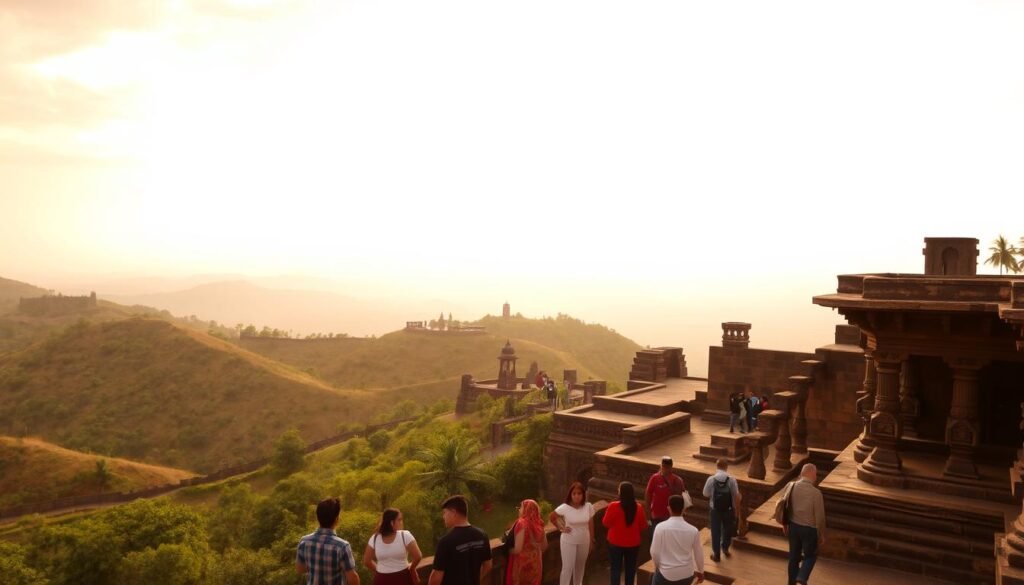
Interest in the Maratha Military Landscapes is growing. This brings new tourism chances that help local economies and deepen cultural understanding. Visitors can choose from many options to make their trip better.
Visitor Information and Accessibility
The Maratha Military Landscapes offer great access for everyone. Many travel agencies offer guided tours, transport, and places to stay nearby. Local tourism boards help with schedules and the best times to visit, making trips smooth.
Promoting Sustainable Tourism Practices
It’s important to promote green tourism in this area. Many efforts work to reduce harm to nature while increasing cultural connection. Programs teach visitors to respect local ways and protect the environment.
Community projects also play a big role. They aim to make travel responsible. This way, we can keep these special places safe for the future.
The Role of Education in Preserving History
Education is key in keeping history alive, like the Maratha Military Landscapes. Schools teach local history, making students aware of their culture. This helps them see the value of their heritage.
Schools use many ways to connect students with their history. Workshops on local history are very important. They help students and families learn about the Maratha Empire and its military tactics.
Students work on projects that show how history is tied to landmarks. They use creative ways to share what they find. This makes them more aware of their culture and teaches them to research.
Teachers also team up with local historians. This gives students a chance to learn from experts. It makes learning more real and interesting.
| Program Type | Description | Impact on Students |
|---|---|---|
| Workshops | Hands-on sessions focusing on local history and culture. | Increased appreciation for heritage and engagement. |
| Community Projects | Collaborative initiatives exploring historical sites. | Practical skills in research and teamwork. |
| School Partnerships | Collaboration with local historians. | Enhanced understanding of historical contexts and narratives. |
Future Prospects for Maratha Military Landscapes
The future looks bright for UNESCO designations in India. The Maratha Military Landscapes’ recognition is a big step. It shows we can find more sites with rich cultural heritage.
This move starts a conversation. It talks about the importance of saving and celebrating our history. It’s about protecting our historical places across the country.
Potential for Further UNESCO Designations in India
Looking at other historical sites, we see many that could be recognized. Here are some sites that might catch UNESCO’s eye:
| Site Name | Location | Historical Significance |
|---|---|---|
| Jaisalmer Fort | Rajasthan | Important trading post with stunning architecture. |
| Hampi | Karnataka | Ruins of a prosperous 14th-century city. |
| Khajuraho Temples | Madhya Pradesh | Renowned for intricat sculptures and artwork. |
| Ajanta and Ellora Caves | Maharashtra | Outstanding examples of ancient rock-cut architecture. |
These sites show how history, architecture, and culture are connected. Helping local efforts to get UNESCO recognition is key. It helps communities and shows the value of saving history for the future.
Public Awareness and Engagement Initiatives
Public awareness is key to loving and protecting the Maratha Military Landscapes. Local groups have started many campaigns. These efforts boost community involvement and highlight the importance of heritage.
Working with schools has been a big success. It lets students and locals dive into their history. Through workshops and talks, people learn about the value of these sites. Local outreach programs also help people feel proud of their cultural past.
- Regular community events, such as heritage walks and festivals, enrich local understanding of historical contexts.
- Digital campaigns utilizing social media provide an engaging way to share stories about the Maratha Military Landscapes.
- Schools participating in project-based learning foster a sense of responsibility toward preserving history.
Conclusion on the Importance of Heritage Sites
The Maratha Military Landscapes being a UNESCO World Heritage Site shows how vital heritage sites are. They keep our culture and history alive. These places tell stories of bravery and smart thinking.
They also make communities proud. They connect our past to who we are today.
Keeping these sites also helps the local economy through tourism. It brings in money and keeps our history alive. By doing this, we honor the stories and people tied to these places.
Looking forward, we must work together to value our heritage. This effort keeps our history safe for the next generations. It lets us celebrate the variety of our cultural landscapes.
By doing this, we make sure these sites inspire and teach us. They help us understand our shared history and future.