



Did you know 2025 was one of the warmest winters in India’s history? Temperatures were nearly 3 degrees Celsius higher than usual. This warm winter was just the start.
India also faced extreme rainfall events it had never seen before. Let’s explore how these changes affect our environment, economy, and society. We’ll see how climate change is pushing us to adapt and develop sustainably.
Key Takeaways
- 2025 saw unprecedented temperature rises during the winter months in India.
- Extreme rainfall events have significantly impacted various regions across the country.
- Climate change has exacerbated the dichotomy of weather extremes in India.
- Immediate adaptive strategies are essential to withstand these climatic shocks.
- Long-term sustainable development initiatives must be prioritized amidst climate challenges.
The Impact of Record-Warm Winter in India
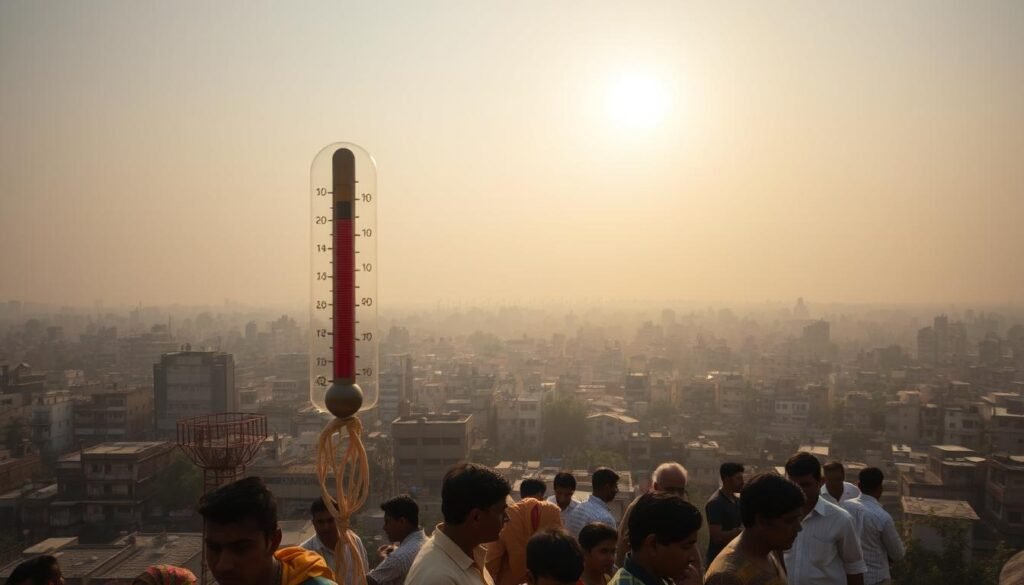
The winter of 2025 was very warm in India. It set new temperature records. This warm weather changed many things in the country.
It affected different areas and daily life. The warm winter changed the environment and the economy.
Overview of Temperature Records in 2025
The Indian Meteorological Department collected data. It showed many states had warmer winters than usual. Places like Rajasthan and Punjab were much warmer than before.
This warm weather is a big worry for scientists and people. It shows how the warm winter effects are serious.
Regions Most Affected by the Warm Winter
The warm winter hit some places harder than others. Here are a few examples:
- Rajasthan: Had very high temperatures, which made water scarce.
- Punjab: Had trouble growing crops because of the warmer winters.
- Uttar Pradesh: Cities got hotter, making health problems worse.
- Haryana: Needed more energy because people used coolers more.
These changes need careful thought. We must find ways to deal with the problems now.
Extreme Rainfall Events in 2025
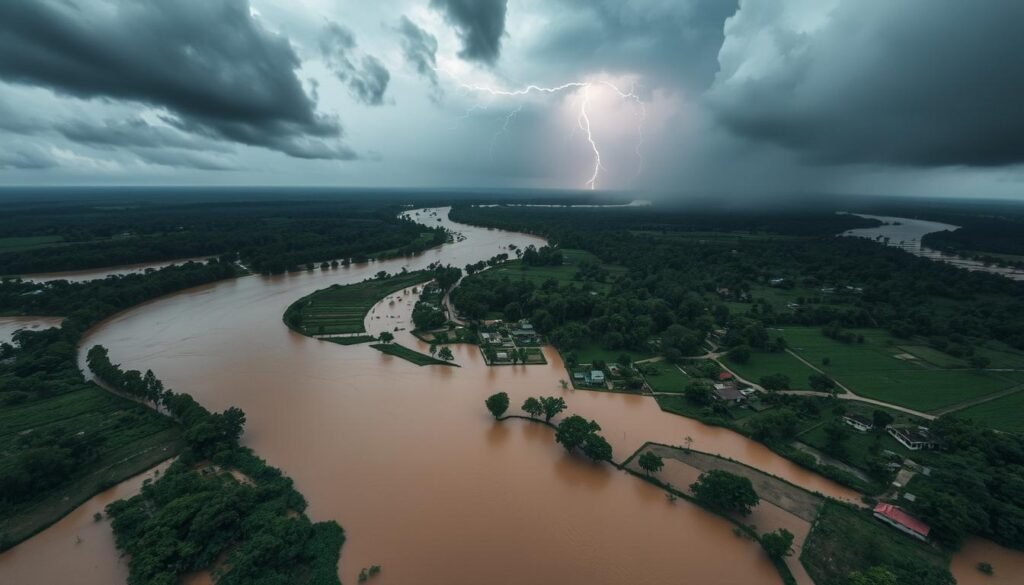
In 2025, India saw big changes in its weather. There were extreme rainfall events that changed how we see rain. The Indian Meteorological Department found more rain in many places. This made us think differently about the weather.
Frequency and Intensity of Rainfall
Extreme rainfall events happened more often in 2025. Places got more rain than they used to. This was a big deal.
Places that usually had light rain got heavy downpours. This change is not just about numbers. It affects buildings and how we get ready for disasters.
Geographical Areas Experiencing Extreme Rain
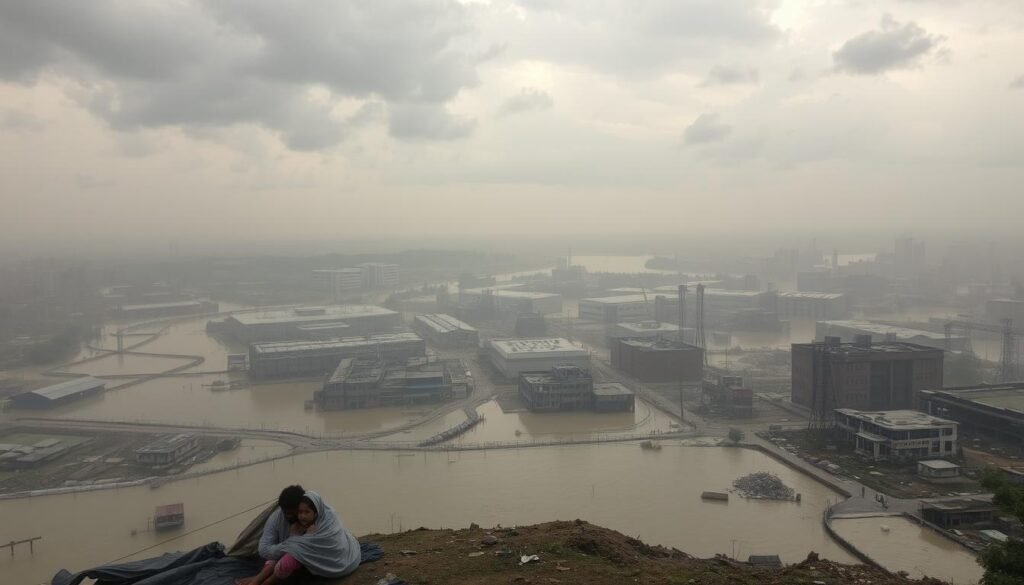
Many places in India faced big problems because of the rain in 2025. Kerala and Gujarat, which usually had stable weather, were hit hard. The rain caused floods and landslides.
This made it hard for local authorities to respond. We need to understand how different places are affected by rain. This will help us get ready for future storms.https://mausam.imd.gov.in/?utm_source=chatgpt.com
India Climate Extremes 2025
The year 2025 is a big deal for India’s climate. We see big changes in our weather. These changes are very important and affect us all.
Analysis of Climate Patterns
Heat maps show that India’s temperatures are rising. This change in rain patterns is a big warning. Both rural and city folks face different but connected problems.
Socioeconomic Effects of Climate Change
Rural farmers in India are really struggling. Bad weather means they can’t grow crops. This hurts their jobs and food for everyone.
In cities, people pay more for energy because it’s hot. This makes life even harder. We need new ways to deal with these problems.
| Aspect | Rural Impact | Urban Impact |
|---|---|---|
| Temperature Increase | Crop failures, reduced yields | Higher energy costs for cooling |
| Precipitation Changes | Water scarcity or flooding | Infrastructure strain |
| Economic Consequences | Loss of income, migration | Increased living expenses |
Government Response to Climate Extremes
The Indian government is taking action against climate challenges. They have made important policy changes to fight climate extremes. This shows they are serious about adapting to these big environmental issues and growing in a green way.
Policy Changes in Reaction to Weather Events
New policies in India are tackling the urgent need for climate action. These policies focus on:
- Urban Planning: Making cities more ready for climate changes.
- Sustainable Agriculture: Encouraging farming that’s good for the planet and feeds people.
- Water Management: Creating better ways to use and save water.
Investments in Climate Resilience
India is putting a lot of effort into being more climate resilient. They are doing things like:
- Renewable Energy: Working to use more solar and wind power to cut down on fossil fuels.
- Infrastructure Improvements: Making buildings and roads stronger to handle bad weather.
- Research and Innovation: Spending money on new tech that helps the environment in many areas.
The Role of Climate Change in Weather Variability
It’s key to understand how climate change affects weather. Human actions have changed the air, leading to more extreme weather. This helps us see why 2025’s weather is so different.
Scientific Explanations for Extreme Weather
Studies show climate change causes more extreme weather. More greenhouse gases have changed our atmosphere. This change makes weather patterns worse, leading to more storms and hot days.
Previous Trends Leading to 2025 Conditions
Looking back, India’s weather has gotten hotter and rainier. The monsoon seasons have changed a lot. These changes show how climate change affects weather, making long-term plans important.
Public Perception and Awareness of Climate Issues
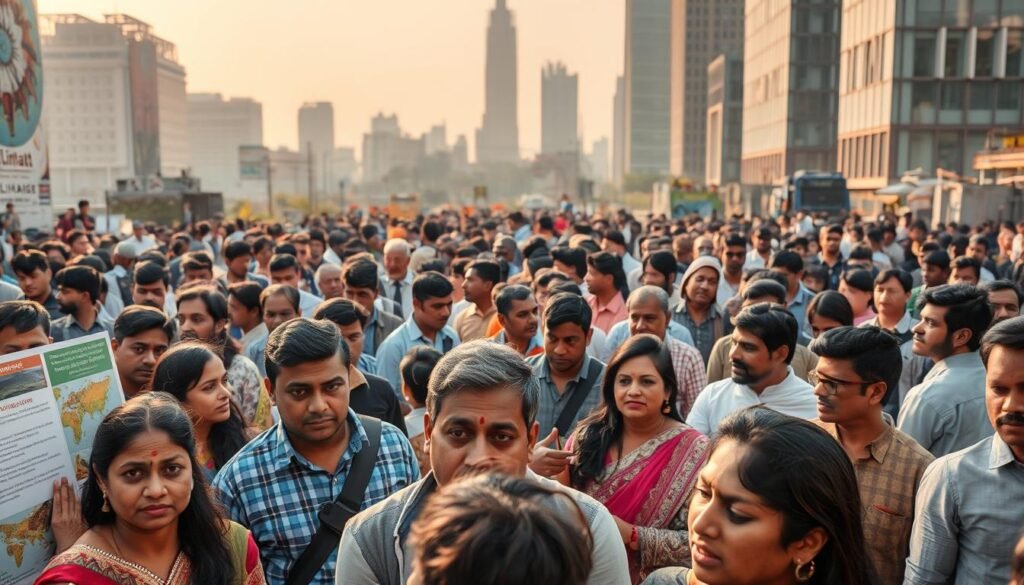
Understanding how people see climate change in India is key. Extreme weather events show us how important it is to have informed citizens. The media’s focus on 2025 climate events has helped raise awareness and get people involved.
Media Coverage of the 2025 Climate Events
In 2025, the media really highlighted climate events. This made people more aware of climate change’s effects. News about severe weather, like heavy rain and high temperatures, was everywhere. This focus shows how urgent the climate crisis is and sparks talks about what we can do.
Community Initiatives for Climate Awareness
Many local groups are working together to fight climate change. Schools, activists, and organizations are teaming up. They’re doing things like planting trees, reducing waste, and saving water.
These efforts help people feel like they’re part of the solution. They encourage people to live more sustainably and push for changes in laws.
| Initiative Name | Type of Activity | Impact |
|---|---|---|
| Green India Mission | Reforestation | Increased forest cover by 2% |
| Plastic Waste Management | Community Clean-Up Drives | Reduced plastic waste in urban areas |
| Solar Panel Installations | Energy Transition Programs | Lowered carbon footprint in households |
| Sustainable Agriculture Workshops | Farming Techniques | Increased crop yield sustainably |
Economic Consequences of Climate Events
India’s economy changes a lot because of climate events. These changes hit hard on farming, which is key to India’s economy. Weather that’s hard to predict makes old farming ways not work anymore.
Farmers need new ways to farm. Tourism also gets hurt by extreme weather. It scares off visitors and hurts local businesses.
Impact on Agriculture and Farming Practices
Farmers deal with rain that’s too little or too much. This makes them rethink how they farm. They start using crops that can handle the weather better and better ways to water plants.
Using green farming helps them avoid big losses. It also makes farming better over time. This is a big step to deal with the economic impact climate events India has.
Tourism Sector Vulnerabilities Due to Weather Extremes
Tourism, which is very important for the economy, is getting weaker. Natural disasters make people think twice about visiting. Places that count on tourists might make less money.
They need to focus on being green and ready for disasters. To fix tourism vulnerabilities climate, they must find new ways to stay strong against weather problems.
International Response to India’s Climate Challenges
India’s climate challenges have caught the world’s attention. Countries and global groups are working together. They aim to find sustainable solutions to these problems.
This shows we all need to work together. We must fight climate change as one.
Global Partnerships in Climate Solutions
Working together is key to solving climate issues. Countries share technology and money to help India. This helps India get stronger against climate problems.
These partnerships help share knowledge and new ideas. They make a big difference in fighting climate issues.
Contributions from NGOs and Other Entities
NGOs play a big role in fighting climate change. They help people understand climate issues. They also help local communities.
NGOs work hard to get people involved in climate action. They are very important in helping India and the world.

Future Projections for India’s Climate
Looking ahead, it’s key to understand current climate trends. This helps us see the challenges we’ll face. India’s future climate looks scary, with more extreme weather and big risks in many areas. We must act fast and find new ways to deal with these changes.
Long-term Effects of Current Trends
India’s climate forecast shows more extreme weather. This will hurt farming, water, and health. Places already hit hard by climate change will face even more trouble.
Without change, crops will grow less and disasters will happen more often. This will put a big strain on rural areas’ support systems and economies.
Predictions for the Upcoming Decades
The IPCC reports paint a serious picture for the future. Without big climate action, parts of India might become too hard to live in. This could threaten people’s jobs and lives.
Models show we need to invest in green practices and building resilience. Acting now can help us face the coming climate challenges. It’s a step towards a better future.
| Year | Projected Temperature Increase (°C) | Expected Rainfall Changes (%) | Areas at Risk |
|---|---|---|---|
| 2030 | +1.5 | -10 | North India |
| 2040 | +2.0 | +5 | South India |
| 2050 | +2.5 | -15 | Coastal Regions |
| 2060 | +3.0 | +10 | East India |
Conclusion
The extreme weather in 2025 in India is a big warning. We need to act fast because of climate change. Our country is facing very high temperatures and lots of rain.
This is a key moment for us to show we can handle these changes. It’s not just about now. It’s about what we do next to fight climate change.
We must find ways to be strong against these weather changes. We can use new technology and work together. This will help us face the future better.
Every small step we take is important. It helps make sure our planet is safe for future generations. We all have a role to play in protecting our environment.
It’s not just a choice; it’s our duty to take care of the Earth. We can make a difference together. We can create a better world for everyone.
Let’s work together to make a brighter future. We can do it if we all try. The future of India’s climate is in our hands.