



Did you know the Yamuna River can rise over 20 feet in the monsoon? This is why we have a Yamuna River Flood Alert 2025. It’s for Delhi and Haryana because of the rising water. Heavy rains are expected, making it urgent to take action.
Local authorities are working hard to prepare for the floods. They are sounding flood alerts everywhere. Monsoon flooding in India is a big threat every year. This year, we’re working together to stay safe.
Overview of the Current Situation
The Yamuna River’s water levels have risen, causing worry in Delhi and Haryana. Experts warn of a possible flood in 2025. They urge people to get ready.
Monitoring stations are watching the water closely. They send out flood alerts to act fast. This helps keep everyone safe.
It’s important for people to know about the Delhi flood alert. Sharing true info helps avoid dangers. We all need to stay alert to protect our homes and lives.
There are new ways to share updates with the community. As the water level changes, it’s key to follow Haryana flood precaution steps. We must all stay ready and help each other.
Yamuna River Flood Alert 2025
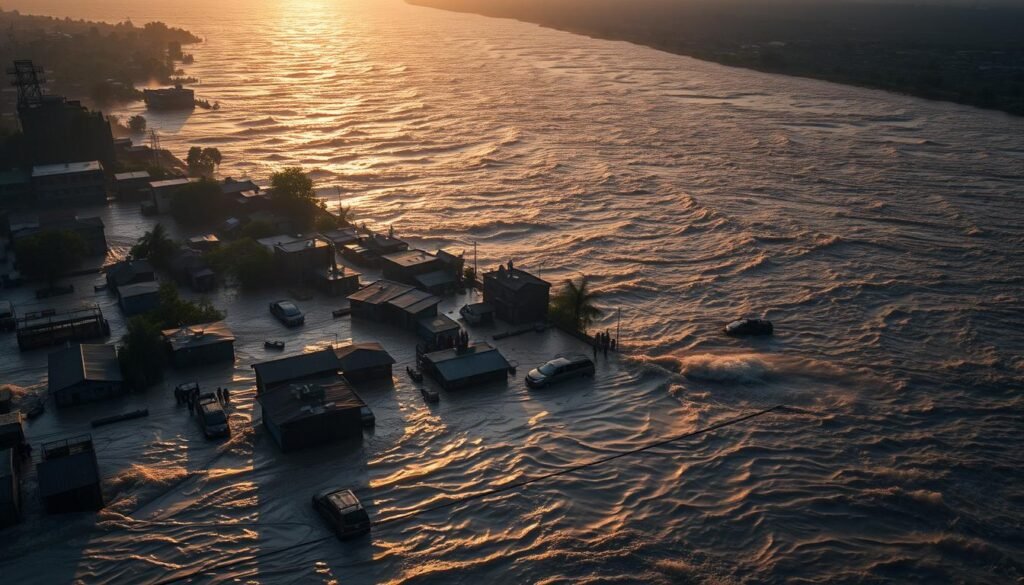
The Yamuna River Flood Alert for 2025 is very serious. It talks about how our climate is changing and our drainage systems are not good enough. This alert is a warning that we must take seriously and act fast.
Water levels have gone up too high, which is a big problem for people and buildings. We need to come up with good plans to deal with this.
Experts say we will keep getting rain, which will make things worse. We need to act quickly and also think about the future. Understanding these alerts helps us work together with the government and people.
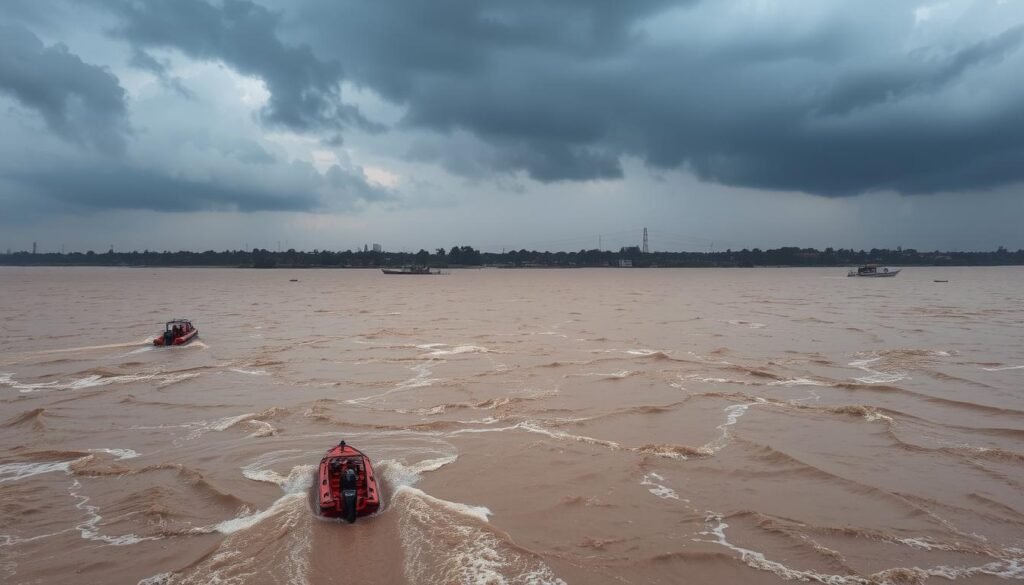
This is not just about waiting for rain. We need to look at how we can manage risks and involve the community. We must plan for being strong and improve our buildings to avoid damage from floods.
| Parameter | Current Level | Flood Alert Threshold |
|---|---|---|
| Yamuna River Water Level | 200 cm | 180 cm |
| Predicted Rain (Next Week) | 100 mm | — |
| Local Evacuations (Possible) | 5,000 | 10,000 |
Impact of Monsoon on Delhi and Haryana
The monsoon season has big effects on Delhi and Haryana. It can be good and bad. Flooding in India is key for farming and filling up water underground. But, the rain can be too much and cause danger.
Delhi often floods because of heavy rain and bad drainage. This is a big problem.
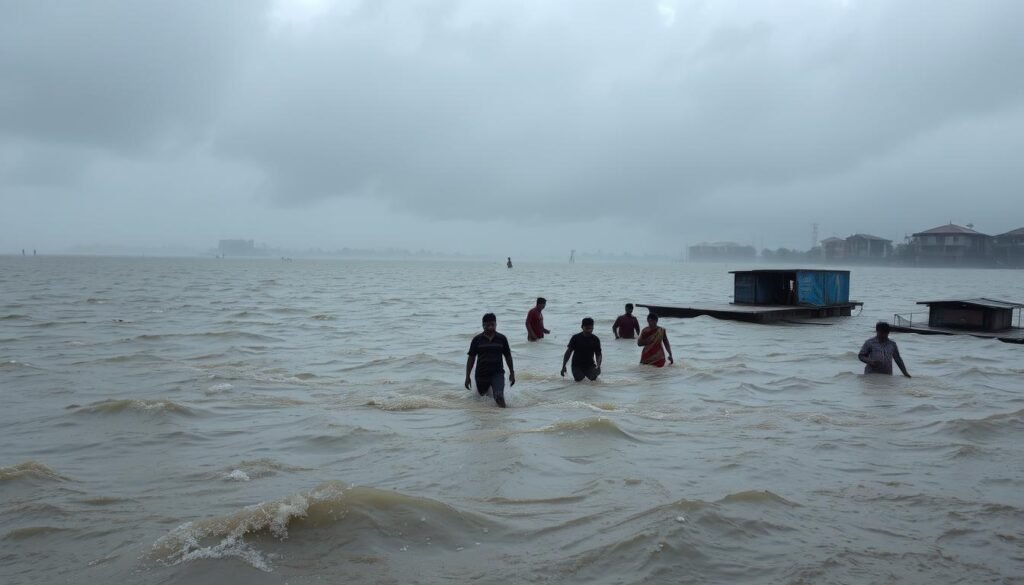
Monsoon rains are getting stronger and more unpredictable. This worries people about our buildings and roads. A flood alert in Delhi shows we need to stay alert. It’s important to take steps to protect ourselves from floods in Haryana.
We need to study rain data and plan for floods. Knowing how monsoon flooding affects us helps us get ready for climate dangers.
| Impact Category | Details | Regions Affected |
|---|---|---|
| Water Supply | Increased groundwater replenishment | Delhi, Haryana |
| Flooding Risk | Urban areas more vulnerable to inundation | Delhi |
| Agricultural Impact | Beneficial for crop growth, but can damage crops | Haryana |
| Infrastructure Stress | Drainage systems under pressure during heavy rain | Delhi |
Precautionary Measures Being Implemented
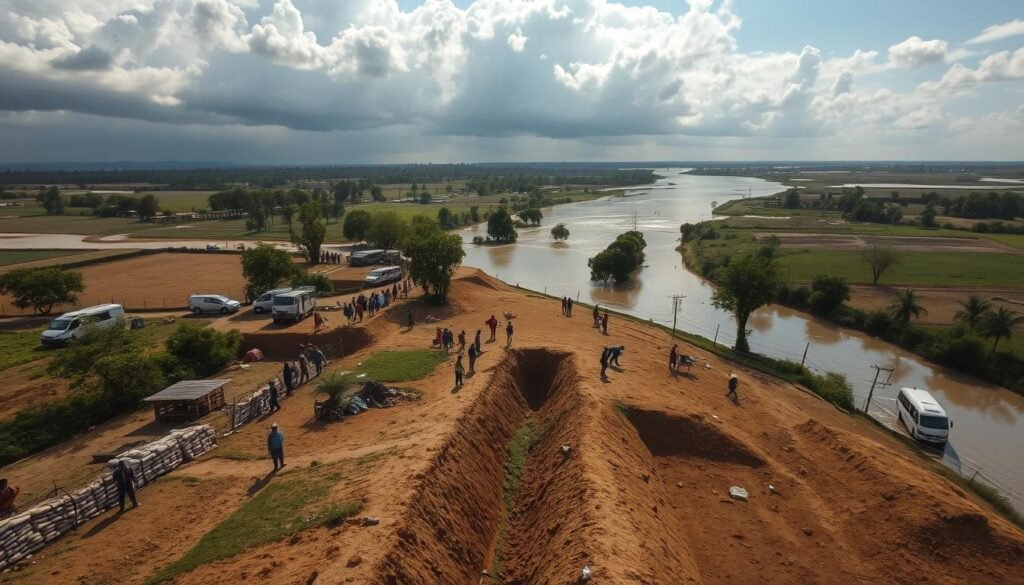
As rain increases, water levels rise. Delhi and Haryana are taking steps to keep people safe. They are making evacuation plans and teaching communities about floods.
By learning and preparing, we can better face floods. This makes us stronger against this challenge.
Evacuation Plans for Affected Areas
Evacuation plans are key for safety in risky areas. They help people leave quickly when it rains a lot. It’s important for everyone to know their evacuation route and have a family plan.
These steps help protect lives. They are part of the plan to keep Haryana safe from floods.
Community Awareness Campaigns
Community campaigns are important for flood awareness. They teach people about flood signs and what to do. This is key for neighborhoods at risk.
Through workshops and flyers, we aim to make everyone ready. This way, we all help keep our area safe. We work together to respond quickly to flood alerts.
Monitoring and Forecasting Efforts
Monitoring and forecasting are key to handling the Yamuna river flood 2025 risks. Meteorological agencies use advanced tech to study weather, rain, and river flow. They use this info to send out Delhi flood alerts to warn people.
We work hard to help our community get ready for floods. We share important info from our data collection. This helps us build a strong, flood-ready community.
Working together with the government and local groups makes us stronger. We listen to what people say to make our plans better. This teamwork helps us face floods together, making our community safer.
| Monitoring Techniques | Forecasting Tools | Community Engagement Strategies |
|---|---|---|
| Satellite imagery | Weather modeling software | Workshops and training sessions |
| River gauge data | Hydrological models | Social media alerts |
| Weather radars | Predictive analytics | Community emergency drills |
Historical Context of Yamuna River Flooding
Looking into the past helps us understand today’s challenges. The Yamuna River has seen many floods over the years. The year 2025 is key in talks about flooding in India.
These floods show us patterns and trends. They are linked to the monsoon season every year.
Previous Major Flood Events
The 1978 floods were very bad. They covered a lot of Delhi and nearby areas. This caused a lot of damage and moved thousands of people.
In 2010 and 2021, floods showed us how vulnerable cities are. They also showed how heavy the rain can get during monsoon.
Lessons Learned from Past Floods
These floods taught us important lessons. Better forecasting and checking infrastructure can help reduce damage.
After the floods, there were more talks about being ready. This included teaching people and getting communities involved. It showed how we can fight flooding in India.
Now, we’re looking at how to handle the Yamuna river flood in 2025. This shows how flood management is getting better.
Government Response and Emergency Services
The Delhi flood alert needs a strong government response. Emergency teams are moving into the worst-hit areas in Delhi and Haryana. Local and national teams are working together to get ready for emergencies.
First responders are getting the training and tools they need. This shows a strong commitment to helping now and building stronger communities. Regular drills and meetings help teams talk and act fast when needed.
There’s also a push to teach people about flood safety in Haryana. Knowing about flood dangers and how to stay safe helps everyone. The government is working with agencies and the public to respond well.
Public Safety Recommendations
As we face the Yamuna River Flood Alert 2025, keeping everyone safe is key. We urge people and communities to be active in safety steps. These steps help us stay safe when things get tough.
- Keep an emergency kit ready, stocked with essentials like water, food, flashlights, and first aid supplies.
- Familiarize yourself with the nearest evacuation routes. Knowing the quickest ways to safety can make a significant difference.
- Stay informed through reliable local news sources and official updates regarding any changes in the flooding situation.
- Maintain open communication with neighbors. Sharing information ensures everyone is prepared for unexpected developments.
- Engage in community preparedness programs. Being part of organized efforts amplifies disaster readiness and collective response.
By taking these steps seriously, we all get safer. Working together and following these tips helps protect our lives and homes. Every person’s help is important for a safer place for all.
Long-Term Solutions for Flood Mitigation
Monsoon flooding in India is unpredictable. We need long-term solutions. The Yamuna river flood 2025 shows our current infrastructure might not be enough. We must upgrade our drainage systems to handle more rain and fast-moving water.
Improving riverbank management is also key. Natural methods like reforestation and wetlands restoration help prevent floods. These actions protect the riverbanks and boost biodiversity, making our ecosystem healthier.
Engineering innovation and sustainable practices are essential. They help us face future floods better. We must plan our cities with hydrology and climate change in mind.
By taking proactive steps, like zoning flood-prone areas, we can change how we view flooding. A resilient approach turns challenges into opportunities for growth and community strength.