


Launched September 17, 2025 by Prime Minister Narendra Modi, this ambitious nationwide campaign represents a transformative approach to maternal and child healthcare across India.
The Challenge India Faces
Despite significant progress through programs like Ayushman Bharat and Poshan Abhiyaan, India continues to grapple with persistent healthcare disparities. Maternal mortality, childhood stunting, and anemia prevalence remain critical concerns, particularly in rural, tribal, and underserved urban communities.
Many women across the nation still lack regular access to essential health services including preventive screenings, nutrition counseling, and basic healthcare infrastructure. These gaps create a cascade of health challenges that affect entire families and communities.

Health Camps Needed
Massive scale required to reach underserved populations
Districts in Odisha Alone
State-level implementation across diverse geographies
Women to Benefit
Just in Odisha, demonstrating nationwide impact potential
Campaign Overview & Timeline
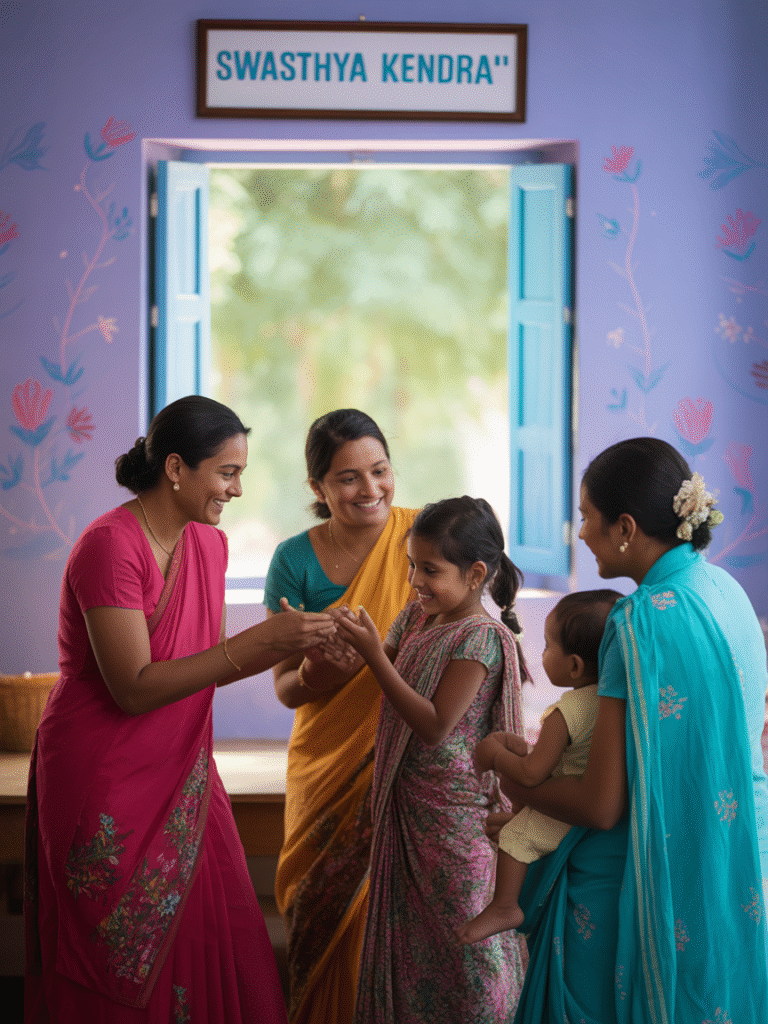
September 17, 2025
Campaign Launch
Prime Minister Modi officially inaugurates the Swastha Nari Sashakt Parivar Abhiyaan with nationwide coordination across ministries and health facilities.
September – October
Implementation Phase
Over 100,000 health camps operate simultaneously across India, integrating with Poshan Maah (Nutrition Month) activities and community outreach programs.
October 2, 2025
Campaign Conclusion
Intensive 16-day period concludes with comprehensive health screenings, nutrition education, and preventive care delivery completed nationwide.
This concentrated timeframe ensures maximum impact while aligning with existing health observances and mobilizing resources efficiently across India’s diverse healthcare landscape.
Comprehensive Health Services
Disease Screening
Comprehensive screenings for non-communicable and communicable diseases including anemia, hypertension, diabetes, various cancers, tuberculosis, and sickle cell disease. Early detection protocols ensure timely intervention and improved outcomes.
Nutrition & Wellness
Integration with Poshan Maah emphasizing balanced nutrition, infant feeding practices, and dietary education. Distribution of nutrition kits and counseling sessions promote healthy eating habits and address malnutrition challenges.
Maternal Health
Specialized care for pregnant women including antenatal services, Mother & Child Protection card distribution, and linkage to maternity benefit schemes like Pradhan Mantri Matru Vandana Yojana.
Child Health
Comprehensive pediatric services including immunizations, newborn health monitoring, postnatal care, and developmental assessments ensuring children receive essential healthcare from birth.
Multi-Ministry Collaboration
The campaign’s success relies on unprecedented coordination across government ministries, healthcare institutions, and community organizations.
Health & Family Welfare
Leading coordination of health camps, screening protocols, and medical service delivery through CHCs, PHCs, and Ayushman Arogya Mandirs.
Women & Child Development
Mobilizing Anganwadi centers, ASHA workers, and community health volunteers to ensure grassroots reach and culturally sensitive service delivery.
AYUSH Ministry
Integrating traditional medicine approaches and holistic wellness practices to complement modern healthcare interventions and promote preventive care.
Rural Development
Leveraging rural infrastructure and community networks to reach remote populations and ensure equitable access across diverse geographical regions.
Community Partners
- NGOs and civil society organizations
- Private healthcare sector participation
- Volunteer networks and community groups
- Local educational institutions

Expected Impact & Outcomes
Improved Early Detection
Comprehensive screenings will enable earlier identification of health conditions, reducing complications and improving treatment success rates. This proactive approach can significantly decrease maternal and child mortality across participating regions.
Enhanced Nutrition
Integration with Poshan Maah and targeted nutrition counseling will address malnutrition, stunting, and anemia, particularly benefiting adolescent girls, pregnant women, and infants through improved dietary practices and awareness.
Increased Health Equity
Mobile health units and temporary camps will bridge healthcare gaps in remote, rural, and tribal areas, ensuring underserved populations receive essential health services and reducing geographic disparities in care access.
Sustainable Behavioral Change
Education on menstrual hygiene, preventive health, and nutrition will create lasting improvements in community health behaviors, empowering women and families to make informed health decisions long-term.
Implementation Challenges
Logistics & Scale
Coordinating over 100,000 health camps across India’s diverse geography within 16 days requires unprecedented logistics coordination. Ensuring adequate supplies, trained personnel, and diagnostic equipment at each location presents significant operational challenges.
Quality Assurance
Maintaining consistent service standards across remote and urban locations is crucial. Diagnostic accuracy, counseling quality, and data recording must meet national standards regardless of camp location or staffing constraints.
Follow-up Care
Screening is only the first step in healthcare delivery. Ensuring accessible treatment, specialist referrals, and ongoing care for identified conditions requires robust follow-up systems and healthcare infrastructure beyond the campaign period.
Community Participation
Overcoming cultural barriers, social hesitations, and awareness gaps, particularly in conservative or remote communities, requires sensitive outreach and trusted community health workers to encourage women’s participation.
Success depends on careful planning, community engagement, and robust monitoring systems to ensure the campaign achieves its ambitious goals while maintaining service quality and accessibility.
Building a Healthier Future

The Swastha Nari Sashakt Parivar campaign represents more than a health initiative—it’s a foundation for India’s healthcare transformation. By prioritizing women’s and children’s health at this unprecedented scale, the program has the potential to create lasting change in communities across the nation.
Success will be measured not just in immediate screenings conducted, but in sustained improvements in health outcomes, behavioral changes, and strengthened healthcare systems that continue serving families long after the campaign concludes.
Immediate Impact
Comprehensive health screenings and immediate interventions for over 100,000 women and children nationwide
System Strengthening
Enhanced capacity of local health infrastructure, improved coordination between ministries and agencies
Sustainable Change
Long-term behavioral modifications, recurring campaign model, and integrated digital health platforms for ongoing care
“For millions of women and children across India, this campaign could mark a turning point in the nation’s health trajectory—from reactive treatment to proactive wellness, from healthcare gaps to universal access.”
Swastha Nari, Sashakt Parivar—Healthy Women, Empowered Families